Product Description
| Description | BEACH UMBRELLA |
| Item# | BWA175001-1 |
| Material | 170TPolyester,Can be customized |
| Size | Rib Size:90cm*8k,dia:2.8mm Umbrella stem:19/22mm |
| Logo | Can be customized |
| OEM Design | Accept |
| MOQ | 500pcs |
| FOB Price/unit | USD2.28-USD3.58 |
| Loading Port | HangZhou |
| Packing | 1pcs with PVC bag,12pcs/ctn |
| Carton Size | 102*18*17cm |
| G.W./N.W. | 11/10KGS |
| Type: | Beach Umbrella |
|---|---|
| Style: | Folding Umbrella |
| Umbrella Handle: | Long Umbrella Handle |
| Anti UV: | Not Anti UV |
| Fabric: | Polyester |
| Frame Material: | Other |
| Samples: |
US$ 0/Piece
1 Piece(Min.Order) | |
|---|
| Customization: |
Available
|
|
|---|
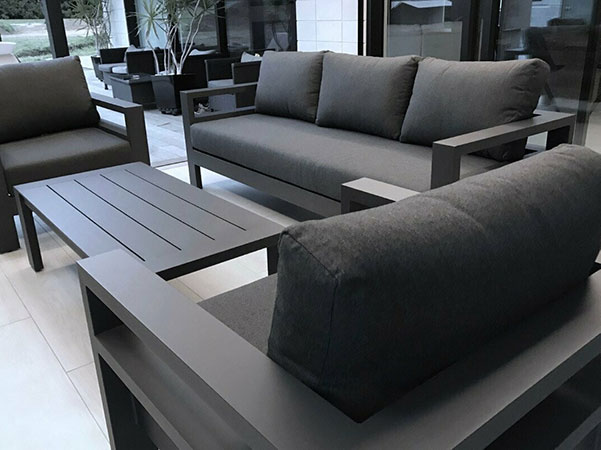
How can I arrange my garden furniture for comfortable outdoor gatherings?
To create a comfortable and inviting outdoor gathering space, the arrangement of your garden furniture plays a crucial role. Here are some tips to help you arrange your garden furniture for comfortable outdoor gatherings:
1. Determine the Focal Point:
Identify a focal point in your outdoor space, such as a fireplace, a garden feature, or a scenic view. Arrange your furniture to face this focal point, creating a visually appealing and functional layout.
2. Consider the Function:
Think about the purpose of your outdoor gatherings. Do you plan to have meals, conversations, or both? Consider the activities you intend to host and arrange the furniture accordingly. For dining-focused gatherings, position a dining table and chairs in a central location. For more conversational gatherings, create cozy seating arrangements with sofas, chairs, and coffee tables.
3. Create Conversation Areas:
Arrange your furniture to facilitate conversation and interaction among your guests. Place seating pieces facing each other, forming intimate conversation areas. Ensure there is enough space for easy movement and flow between the different seating arrangements.
4. Provide Ample Seating:
Ensure you have enough seating to accommodate your guests comfortably. Mix and match seating options such as chairs, benches, and outdoor sofas to offer variety and cater to different preferences. Consider adding cushions and pillows for extra comfort.
5. Provide Shade:
If your outdoor space is exposed to direct sunlight, consider providing shade to keep your guests comfortable. You can use umbrellas, pergolas, or shade sails to create shaded areas where people can gather without being exposed to excessive sunlight.
6. Arrange for Easy Access:
Arrange your furniture in a way that allows easy access to all areas. Ensure there are clear pathways and sufficient space for guests to move around comfortably. Avoid placing furniture in narrow or congested areas that may hinder movement.
7. Add Outdoor Accessories:
Enhance the comfort and ambiance of your outdoor gathering space by incorporating outdoor accessories. Consider adding outdoor rugs, side tables, decorative lighting, and potted plants to create a welcoming and cozy atmosphere.
8. Consider Weather Protection:
Depending on your climate, consider incorporating weather protection elements into your furniture arrangement. This can include adding a pergola, awning, or outdoor curtains to shield your guests from rain or strong winds.
9. Test the Layout:
Before finalizing the arrangement, physically test the layout by sitting in different seats and assessing the comfort and functionality. Make any necessary adjustments to ensure that the seating positions, table heights, and overall flow work well for your outdoor gatherings.
By considering the function, comfort, and aesthetics of your outdoor space, you can arrange your garden furniture in a way that promotes comfortable and enjoyable outdoor gatherings. Experiment with different layouts and configurations to find the arrangement that best suits your needs and creates a welcoming environment for your guests.

What are the ideal materials for garden furniture cushions that won’t absorb moisture?
When selecting cushions for garden furniture, it’s important to choose materials that won’t absorb moisture to ensure durability and easy maintenance. Here are some ideal materials for garden furniture cushions that are resistant to moisture:
1. Solution-Dyed Acrylic:
Solution-dyed acrylic is a popular choice for outdoor cushions as it is highly resistant to moisture absorption. The fibers are dyed before they are spun into yarn, resulting in color that permeates the entire fiber. This material is known for its fade resistance, water repellency, and resistance to mold and mildew. Solution-dyed acrylic cushions are also generally easy to clean and maintain.
2. Polyester:
Polyester is another suitable material for garden furniture cushions that won’t absorb moisture. It is naturally resistant to water and dries quickly. Polyester cushions are also generally resistant to fading, staining, and mildew. Look for cushions made from high-quality, outdoor-grade polyester fabric for optimal performance.
3. Olefin:
Olefin is a synthetic fiber that is resistant to moisture, mold, and mildew. It has excellent water repellency and dries quickly, making it a suitable choice for outdoor cushions. Olefin is also known for its durability and colorfastness, retaining its vibrant colors even with prolonged exposure to sunlight.
4. PVC-Coated Polyester:
PVC-coated polyester cushions are designed to be highly water-resistant. The polyester fabric is coated with a layer of polyvinyl chloride (PVC) that creates a waterproof barrier. This coating prevents moisture absorption and makes the cushions easy to clean. PVC-coated polyester cushions are often used in marine and outdoor settings due to their excellent water resistance.
5. Quick-Dry Foam:
In addition to the cushion fabric, consider the type of foam used inside the cushions. Quick-dry foam is a high-performance foam that is designed to allow water to quickly drain and evaporate. This foam helps prevent moisture retention inside the cushions, reducing the risk of mold and mildew growth. Quick-dry foam is an excellent choice for outdoor cushions that need to withstand wet conditions.
6. Mesh or Ventilated Fabrics:
Another option for moisture-resistant cushions is to choose fabrics with mesh or ventilated designs. These fabrics allow air to circulate more freely, facilitating faster drying and reducing the chances of moisture buildup. Mesh or ventilated cushions can be particularly beneficial in humid climates or areas prone to heavy rainfall.
When selecting cushions for your garden furniture, look for materials that offer both comfort and moisture resistance. Consider the specific climate and weather conditions in your area to ensure the cushions are suitable for outdoor use. Regular cleaning and proper maintenance will also help extend the lifespan of your cushions and keep them in good condition.
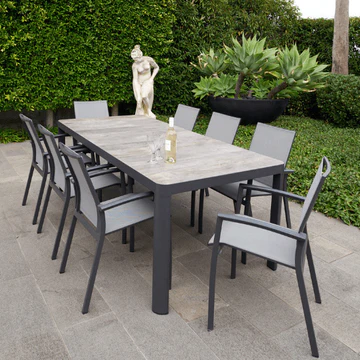
What types of cushions and fabrics are ideal for garden furniture?
When choosing cushions and fabrics for your garden furniture, it’s important to consider durability, weather resistance, comfort, and ease of maintenance. Here are some types of cushions and fabrics that are ideal for garden furniture:
1. Outdoor-Specific Fabrics:
Look for fabrics specifically designed for outdoor use. These fabrics are typically made from synthetic materials that are resistant to fading, mold, mildew, and moisture. They are often treated to be UV-resistant, which helps prevent color fading due to sun exposure. Examples of outdoor-specific fabrics include solution-dyed acrylic, polyester, or vinyl-coated fabrics.
2. Sunbrella:
Sunbrella is a well-known brand of outdoor fabric that is highly durable and fade-resistant. It is made from solution-dyed acrylic fibers, which are known for their resistance to UV rays, moisture, and stains. Sunbrella fabrics come in a wide range of colors and patterns, allowing you to find options that suit your style.
3. Olefin:
Olefin is another popular synthetic fabric for outdoor use. It is resistant to water, stains, and fading. Olefin fabric is often used for cushions and upholstery due to its durability and affordability. It is available in a variety of colors and patterns.
4. Quick-Drying Foam:
When it comes to cushion fillings, quick-drying foam is an excellent choice for garden furniture. This type of foam has an open-cell structure that allows water to drain quickly, preventing the buildup of moisture. Quick-drying foam helps keep your cushions dry and prevents the growth of mold or mildew.
5. Water-Resistant Cushion Covers:
Ensure that your cushion covers are water-resistant to protect the foam filling from getting wet. Look for covers made from fabrics that repel water and are easy to clean. Water-resistant cushion covers help maintain the integrity of the cushions and make them more resistant to the outdoor elements.
6. Removable and Washable Covers:
Opt for cushions with removable and washable covers. This allows you to easily clean the fabric and remove any stains or dirt that may accumulate over time. Removable covers also give you the flexibility to change the look of your garden furniture by swapping out covers or patterns.
7. Mildew-Resistant Materials:
Choose fabrics and cushion fillings that are resistant to mildew. Mildew can thrive in damp environments, so selecting materials that inhibit its growth is important for maintaining a clean and hygienic outdoor seating area.
When selecting cushions and fabrics for your garden furniture, consider the specific climate and weather conditions in your area. Additionally, follow the manufacturer’s instructions for care and maintenance to ensure the longevity of your cushions and fabrics.
editor by CX 2023-10-23
China supplier 45kw Energy Saving Low Noise Industrial Frequency Variable Frequency Screw Air Compressor air compressor oil
Product Description
Product Description
HY(V)-Z Series Medium Voltage Permanent Magnet Variable Frequency Screw Air Compressor
01.Advanced Medium Voltage Dual Stage Mainframe
1. Two-stage integrated design, oil mist spray cooling is used between stages, which reduces the temperature of the air, and the compression process is close to the most energy-saving isothermal compression. In principle, two-stage compression saves 5%-8% of energy compared to single-machine compression ;
2. It is suitable for the compression ratio matching of medium voltage, the leakage in the main engine is small, and the volumetric efficiency is high;
3. The bearing adopts imported heavy-duty bearing, which makes the force of the rotor better; the two-stage rotors are HYiven by helical gears respectively, so that each stage of the rotor has the best linear speed;
4. The third-generation asymmetric rotor technology, the tooth surface is processed by the German KAPP rotor grinder, creating a high-precision rotor, which is the first guarantee for the high efficiency and stability of the host.
02.High efficiency permanent magnet synchronous motor
1. IP54 protection grade, which is more stable and reliable than IP23 in harsh environment;
2. Low temperature rise design, higher efficiency, and extended the service life of the motor;
3. Use ceramic plated bearings to completely eliminate the influence of shaft current on bearings;
4. It is made of rare earth permanent magnet materials, with large torque and small current during startup and operation;
5. With reasonable magnetic field design and magnetic density distribution, the working frequency range of energy-saving motors is wider and the operating noise is low;
6. Cooperating with the operation of the frequency converter, the frequency conversion soft start is realized, which avoids the strong mechanical impact of the machine and equipment when the motor is started at full pressure, and is conducive
to protecting the mechanical equipment, reducing equipment maintenance and improving the reliability of the equipment.
03.Special valve group
1. Intake valve: It adopts a special normally closed butterfly valve for medium voltage, with a non-return function, stable operation, high precision of air volume control, built-in noise reduction design, low cavitation noise and long service life;
2. Minimum pressure maintenance valve: special valve for medium voltage, high pressure resistance, high temperature resistance, accurate opening pressure, ensuring stable pressure in the barrel, ultra-fast return to seat, strong sealing, ensuring no backflow of gas, low pressure loss and high efficiency ;
3. Temperature control valve: The unit is equipped with a mixed-flow temperature control valve to ensure that the unit is more convenient to start in a low temperature environment, and to ensure the oil supply of the unit at any time; by controlling the oil supply temperature of the main engine to ensure that the unit is in the best performance state;
4. Oil cut-off valve: special normally closed valve for medium voltage, controlled by the exhaust pressure of the machine head. When starting up, the valve opens quickly to ensure that the compressor is lubricated and warmed up as soon as possible; when shutting down, the valve prevents oil from being ejected from the intake end.
04.Advanced and reliable electric control system
1. Large-size color LCD touch screen, with good man-machine communication interface, touch screen with anti-mistouch and sleep function;
2. It adopts double frequency conversion system, which is more energy-saving. The frequency converter and the motor are perfectly matched, and the low frequency and high torque can output 180% of the rated torque;
3. According to the characteristics of medium voltage, a special program is developed, with multiple pressure sensors and multiple temperature sensors, which can comprehensively detect the operating status of the unit, and automatically control the machine status without special care;
4. Configure the Internet of Things, you can check the operating status of the unit on the mobile phone;
5. Independent air duct design, suitable for various working conditions.
05.Silent centrifugal fan
1. Adopt centrifugal fan, brand-new separate radial cooling fan design, with special cooler, better cooling effect and more energy saving;
2. Compared with axial flow fans, centrifugal fans have higher wind pressure and lower noise;
3. Using variable frequency fan control, the oil temperature is constant, prolonging the service life of lubricating oil;
4. Due to the high wind pressure, the cooler and the filter are less likely to be blocked.
06.High quality triple filter
1. The filtration area of the air filter exceeds 150% of the normal requirement, the inlet pressure loss is low, and the energy efficiency is good;2. The oil filter adopts a full-flow built-in pressure-bearing oil filter suitable for medium voltage conditions. The rated processing capacity of the oil filter is 1.3 times the circulating oil volume. The imported filter material and the design scheme of large margin are selected, which has high filtration precision and good durability.
3. The oil is divided into special customized oil, which is designed and developed for medium-pressure working conditions, with wide applicable pressure range, good separation effect and low operating pressure loss; imported glass fiber material is selected;
4. The design of the 3 filter positions is reasonable, the maintenance is convenient, and the downtime is reduced.
07.High quality and efficient coupling
1. The coupling is a torsional elastic coupling with a failure protection function, which can effectively damp and reduce the vibration and impact generated during operation;
2. The elastic body is only under pressure and can bear a larger load, and the drum-shaped teeth of the elastic body can avoid stress concentration.
Overall energy saving of products
Compared with power frequency air compressor, energy-saving variable frequency air compressor has practical significance.
1. The pressure control of the inverter air compressor is accurate. It can quickly respond to pressure changes, adjust the speed of the permanent magnet motor, control the pressure fluctuation range within 0.1bar, stabilize the pipe network pressure, provide the necessary air volume with the most reasonable power, and reduce excess energy consumption.
2. The variable frequency air compressor adopts the method of variable frequency starting, which eliminates the CHINAMFG current of the star-delta starting, and starts smoothly. Reduce the starting power, reduce the impact on the grid and equipment, and reduce equipment operating noise.
3. The frequency conversion control is more excellent than the ordinary throttling control. The adjustment range of the flow rate is larger, and with the high-efficiency permanent magnet motor, the energy saving effect is more significant at low percentage flow rate.
4. Most of the cost in the life cycle of the air compressor is generated by the electricity it consumes. The power consumption of the compressor is closely related to the air used on site. The inverter air compressor can not only ensure smooth and guaranteed production, but also save considerable electricity bills and achieve a CHINAMFG situation for the enterprise.
Energy consumptionMaintenance cost
Purchase cost
Energy consumption-Maintenance cost
Purchase cost energy conservation
Product application scenarios
Mining equipment: used for high-pressure blasting mining, HYiving all kinds of pneumatic machinery.
Baling machine: the air compressor is used in the pneumatic baling machine. After compressing the air, the piston of the cylinder is pressed down to HYive the vibrator to move quickly, so that the overlapping part of the packing belt has a hot-melt effect.
Product case
An oil field borders the CHINAMFG Sea in the East, the central ZheJiang Plain in the west, ZheJiang Province in the southeast, and the junction of ZheJiang and HangZhou in the north. It spans 25 districts, cities and counties in ZheJiang , HangZhou and ZheJiang provinces. The exploration and development construction began in January 1964, with a total exploration and development area of 18716 square meters. The oil headquarters is located in ZheJiang Xihu (West Lake) Dis. New Area, the key development and opening-up construction area of the national “Eleventh Five Year Plan”. It is 190 kilometers away from ZheJiang , 40 kilometers away from ZheZheJiang ngang and 70 kilometers away from ZheJiang International Airport. It has a superior geographical location, developed sea, land and air transportation and convenient traffic. It is an important part of the CHINAMFG rim economic circle. HY-45z from CHINAMFG company is mainly used for pipeline purging and gas supply.
Medium voltage direct-coupled screw compressor
| HY-Z | Working pressure | Capacity | Power | NOise | Air outlet | Net weight | |||
| bar | Psig | (m3/min) | cfm | kW | hp | dB | Pipe diameter |
||
| HY-18Z | 20 | 291 | 1.7 | 61 | 18 | 25 | 65 ±3 | G3/4″ | 868 |
| 25 | 364 | 1.7 | 61 | 18 | 25 | 65 ±3 | G3/4″ | 868 | |
| 30 | 437 | 1.7 | 61 | 18 | 25 | 65±3 | G3/4″ | 868 | |
| HY-22Z | 20 | 291 | 2.1 | 74 | 22 | 30 | 65±3 | G3/4″ | 900 |
| 25 | 364 | 2.1 | 74 | 22 | 30 | 65±3 | G3/4″ | 900 | |
| 30 | 437 | 2.1 | 74 | 22 | 30 | 65 ±3 | G3/4″ | 900 | |
| 35 | 510 | 1.6 | 57 | 22 | 30 | 65±3 | G3/4″ | 900 | |
| 40 | 583 | 1.6 | 57 | 22 | 30 | 65±3 | G3/4″ | 900 | |
| HY-37Z | 20 | 291 | 3.3 | 117 | 37 | 50 | 65 ±3 | G3/4″ | 1340 |
| 25 | 364 | 3.3 | 117 | 37 | 50 | 65±3 | G3/4″ | 1340 | |
| 30 | 437 | 3.3 | 117 | 37 | 50 | 65 ± 3 | G3/4″ | 1340 | |
| 35 | 510 | 3.0 | 106 | 37 | 50 | 65 ± 3 | G3/4″ | 1340 | |
| 40 | 583 | 3.0 | 106 | 37 | 50 | 65±3 | G3/4″ | 1340 | |
| HY-55Z | 20 | 291 | 6.4 | 225 | 55 | 75 | 67±3 | DN32 | 2100 |
| 25 | 364 | 5.0 | 176 | 55 | 75 | 67±3 | DN32 | 2100 | |
| 30 | 437 | 4.7 | 165 | 55 | 75 | 67 ±3 | DN32 | 2100 | |
| 35 | 510 | 4.3 | 151 | 55 | 75 | 67±3 | DN32 | 2100 | |
| 40 | 583 | 3.8 | 133 | 55 | 75 | 67 ±3 | DN32 | 2100 | |
| HY-75Z | 20 | 291 | 7.2 | 255 | 75 | 100 | 68±3 | DN32 | 2300 |
| 25 | 364 | 7.0 | 248 | 75 | 100 | 68±3 | DN32 | 2300 | |
| 30 | 437 | 6.7 | 237 | 75 | 100 | 68±3 | DN32 | 2300 | |
| 35 | 510 | 6.3 | 223 | 75 | 100 | 68±3 | DN32 | 2300 | |
| 40 | 583 | 5.7 | 201 | 75 | 100 | 68±3 | DN32 | 2300 | |
| HY-90Z | 20 | 291 | 12.0 | 423 | 90 | 120 | 70 ±3 | DN32 | 2800 |
| 25 | 364 | 10.3 | 364 | 90 | 120 | 70±3 | DN32 | 2800 | |
| 30 | 437 | 10.0 | 353 | 90 | 120 | 70 ±3 | DN32 | 2800 | |
| 35 | 510 | 6.3 | 223 | 90 | 120 | 70±3 | DN32 | 2800 | |
| 40 | 583 | 5.8 | 205 | 90 | 120 | 70±3 | DN32 | 2800 | |
| HY-110Z | 20 | 291 | 13.7 | 483 | 110 | 150 | 72 ±3 | DN40 | 3000 |
| 25 | 364 | 12.5 | 440 | 110 | 150 | 72 ±3 | DN40 | 3000 | |
| 30 | 437 | 10.3 | 363 | 110 | 150 | 72 ±3 | DN40 | 3000 | |
| 35 | 510 | 9.6 | 339 | 110 | 150 | 72 ±3 | DN40 | 3000 | |
| 40 | 583 | 9.1 | 321 | 110 | 150 | 72 ±3 | DN40 | 3000 | |
| HY-132Z | 20 | 291 | 16.3 | 576 | 132 | 175 | 74 ±3 | DN50 | 3200 |
| 25 | 364 | 13.5 | 476 | 132 | 175 | 74±3 | DN50 | 3200 | |
| 30 | 437 | 12.2 | 430 | 132 | 175 | 74 ±3 | DN50 | 3200 | |
| 35 | 510 | 11.8 | 416 | 132 | 175 | 74 ±3 | DN50 | 3200 | |
| 40 | 583 | 11.3 | 398 | 132 | 175 | 74 ±3 | DN50 | 3200 | |
| HY-160Z | 20 | 291 | 20.0 | 706 | 160 | 215 | 75 ±3 | DN50 | 3600 |
| 25 | 364 | 16.1 | 567 | 160 | 215 | 75 ±3 | DN50 | 3600 | |
| HY-185Z | 20 | 291 | 23.5 | 829 | 185 | 250 | 76±3 | DN50 | 3800 |
| 25 | 364 | 18.5 | 652 | 185 | 250 | 76±3 | DN50 | 3800 | |
| HY-200Z | 20 | 291 | 26.0 | 918 | 200 | 270 | 76±3 | DN50 | 4800 |
| 25 | 364 | 22.9 | 809 | 200 | 270 | 76±3 | DN50 | 4800 | |
| 30 | 437 | 22.2 | 783 | 200 | 270 | 76 ±3 | DN50 | 4800 | |
| HY-200ZW | 20 | 291 | 30.2 | 1067 | 220 | 300 | 78 ±3 | DN65 | 5000 |
| 25 | 364 | 25.8 | 911 | 220 | 300 | 78 ±3 | DN65 | 5000 | |
| 30 | 437 | 23.2 | 819 | 220 | 300 | 78±3 | DN65 | 5000 | |
| 35 | 510 | 22.0 | 776 | 220 | 300 | 78±3 | DN65 | 5000 | |
| HY-250ZW | 20 | 291 | 34.2 | 1207 | 250 | 350 | 78±3 | DN65 | 5500 |
| 25 | 364 | 29.1 | 1026 | 250 | 350 | 78 ±3 | DN65 | 5500 | |
| 30 | 437 | 27.5 | 972 | 250 | 350 | 78±3 | DN65 | 5500 | |
| 35 | 510 | 25.2 | 888 | 250 | 350 | 78±3 | DN65 | 5500 | |
| 40 | 583 | 22.8 | 804 | 250 | 350 | 78±3 | DN65 | 5500 | |
| HY-280ZW | 20 | 291 | 37.7 | 1330 | 280 | 375 | 80±3 | DN65 | 5800 |
| 25 | 364 | 34.0 | 1200 | 280 | 375 | 80±3 | DN65 | 5800 | |
| 30 | 437 | 30.0 | 1060 | 280 | 375 | 80±3 | DN65 | 5800 | |
| 35 | 510 | 27.3 | 965 | 280 | 375 | 80±3 | DN65 | 5800 | |
| 40 | 583 | 25.0 | 881 | 280 | 375 | 80±3 | DN65 | 5800 | |
| HY-315ZW | 30 | 437 | 33.7 | 1189 | 315 | 422 | 80±3 | DN65 | 6400 |
| 35 | 510 | 29.8 | 1053 | 315 | 422 | 80±3 | DN65 | 6400 | |
| 40 | 583 | 27.1 | 958 | 315 | 422 | 80±3 | DN65 | 6400 | |
Huayan compressor product parameter table follows
1 The exhaust gas volume value is the gas volume flow rate in the following state (temperature: 32°C, atmospheric pressure: 101.325KPa)
2. Pressure value after exhaust pressure check valve
3. The noise value is the value in the anechoic chamber, test tolerance: 3dB(A)
Medium voltage permanent magnet variable frequency screw compressor
| HY(V)-Z | Working pressure | Capacity | Power | Noise | Air outlet | Net weight | |||
| bar | psig | (m3/min) | cfm | kW | hp | dB | Pipe diameter | ||
| HYV-55Z | 20 | 291 | 3.8-6.4 | 134-226 | 55 | 75 | 67±3 | DN32 | 2200 |
| 25 | 364 | 3.6-6.0 | 127-212 | 55 | 75 | 67±3 | DN32 | 2200 | |
| 30 | 437 | 3.1-5.2 | 109-184 | 55 | 75 | 67±3 | DN32 | 2200 | |
| 35 | 510 | 2.6-4.3 | 92-152 | 55 | 75 | 67±3 | DN32 | 2200 | |
| 40 | 583 | 2.3-3.8 | 81-134 | 55 | 75 | 67±3 | DN32 | 2200 | |
| HYV-75Z | 20 | 291 | 4.6-7.7 | 162-272 | 75 | 100 | 68±3 | DN32 | 2400 |
| 25 | 364 | 4.5-7.5 | 159-265 | 75 | 100 | 68±3 | DN32 | 2400 | |
| 30 | 437 | 4.0-6.7 | 141-237 | 75 | 100 | 68±3 | DN32 | 2400 | |
| 35 | 510 | 3.8-6.3 | 134-222 | 75 | 100 | 68±3 | DN32 | 2400 | |
| 40 | 583 | 3.0-5.0 | 106-177 | 75 | 100 | 68±3 | DN32 | 2400 | |
| HY-90Z | 20 | 291 | 6.7-11.2 | 237-396 | 90 | 120 | 70±3 | DN32 | 2800 |
| 25 | 364 | 6.2-10.3 | 219-364 | 90 | 120 | 70±3 | DN32 | 2800 | |
| 30 | 437 | 6.0-10.0 | 212-353 | 90 | 120 | 70±3 | DN32 | 2800 | |
| 35 | 510 | 4.1-6.8 | 145-240 | 90 | 120 | 70±3 | DN32 | 2800 | |
| 40 | 583 | 3.8-6.3 | 134-222 | 90 | 120 | 70±3 | DN32 | 2800 | |
| HYV-110Z | 20 | 291 | 8.2-13.6 | 290-480 | 110 | 150 | 72±3 | DN40 | 3100 |
| 25 | 364 | 7.5-12.5 | 265-441 | 110 | 150 | 72±3 | DN40 | 3100 | |
| 30 | 437 | 6.5-10.8 | 230-381 | 110 | 150 | 72±3 | DN40 | 3100 | |
| 35 | 510 | 5.8-9.6 | 205-339 | 110 | 150 | 72±3 | DN40 | 3100 | |
| 40 | 583 | 5.5-9.1 | 194-321 | 110 | 150 | 72±3 | DN40 | 3100 | |
| HYV-132Z | 20 | 291 | 10.1-16.8 | 357-593 | 132 | 175 | 74±3 | DN40 | 3300 |
| 25 | 364 | 9.0-15.0 | 318-530 | 132 | 175 | 74±3 | DN40 | 3300 | |
| 30 | 437 | 7.9-13.1 | 279-463 | 132 | 175 | 74±3 | DN40 | 3300 | |
| 35 | 510 | 7.1-11.8 | 251-417 | 132 | 175 | 74±3 | DN40 | 3300 | |
| 40 | 583 | 6.8-11.3 | 240-399 | 132 | 175 | 74±3 | DN40 | 3300 | |
| HYV-160Z | 20 | 291 | 9.6-16.0 | 339-565 | 160 | 215 | 75±3 | DN50 | 3800 |
| 25 | 364 | 10.0-16.6 | 353-586 | 160 | 215 | 75±3 | DN50 | 3800 | |
| 30 | 437 | 9.8-16.3 | 346-576 | 160 | 215 | 75±3 | DN40 | 3700 | |
| 35 | 510 | 9.4-15.6 | 332-551 | 160 | 215 | 75±3 | DN50 | 3800 | |
| 40 | 583 | 8.3-13.8 | 293-487 | 160 | 215 | 75±3 | DN40 | 3700 | |
| HYV-185Z | 20 | 291 | 14.1-23.5 | 498-830 | 185 | 250 | 76±3 | DN50 | 4000 |
| 25 | 364 | 11.7-19.5 | 413-689 | 185 | 250 | 76±3 | DN50 | 4000 | |
| HYV-200Z | 20 | 291 | 15.6-26.0 | 551-918 | 200 | 270 | 76±3 | DN50 | 4200 |
| 25 | 364 | 13.7-22.9 | 484-809 | 200 | 270 | 76±3 | DN50 | 4200 | |
| 30 | 437 | 13.3-22.2 | 470-784 | 200 | 270 | 76±3 | DN50 | 4200 | |
| HYV-220ZW | 20 | 291 | 17.8-29.7 | 629-1049 | 220 | 300 | 78±3 | DN65 | 5000 |
| 25 | 364 | 15.5-25.8 | 547-911 | 220 | 300 | 78±3 | DN65 | 5000 | |
| 30 | 437 | 13.9-23.2 | 491-819 | 220 | 300 | 78±3 | DN65 | 5000 | |
| 35 | 510 | 13.2-22.0 | 565-777 | 220 | 300 | 78±3 | DN65 | 5000 | |
| 40 | 583 | 12.2-20.3 | 431-717 | 220 | 300 | 78±3 | DN65 | 5000 | |
| HYV-250ZW | 20 | 291 | 20.5-34.2 | 724-1208 | 250 | 350 | 78±3 | DN65 | 5700 |
| 25 | 364 | 17.5-29.1 | 618-1571 | 250 | 350 | 78±3 | DN65 | 5700 | |
| 30 | 437 | 16.5-27.5 | 583-971 | 250 | 350 | 78±3 | DN65 | 5700 | |
| 35 | 510 | 15.1-25.2 | 533-890 | 250 | 350 | 78±3 | DN65 | 5700 | |
| 40 | 583 | 13.7-22.8 | 484-805 | 250 | 350 | 78±3 | DN65 | 5700 | |
| HYV-280ZW | 20 | 291 | 22.6-37.7 | 798-1331 | 280 | 375 | 80±3 | DN65 | 6000 |
| 25 | 364 | 20.4-34.0 | 720-1201 | 280 | 375 | 80±3 | DN65 | 6000 | |
| 30 | 437 | 18.0-30.0 | 636-1059 | 280 | 375 | 80±3 | DN65 | 6000 | |
| 35 | 510 | 16.4-27.3 | 579-964 | 280 | 375 | 80±3 | DN65 | 6000 | |
| 40 | 583 | 15.0-25.0 | 530-883 | 280 | 375 | 80±3 | DN65 | 6500 | |
4. Please consult our company for use in harsh working conditions such as high temperature, high humidity, high cold and high dust
5. Dimensions and weight of the whole machine are subject to change without prior notice
5. Please do not use compressed air directly for medical equipment inhaled by the human body
| Technical parameters of oil-free water-lubricated power frequency screw air compressor | ||||||||||||
| HYW-G | Working pressure | Exhaust volume | Power | Noise | Air outlet pipe diameter | Net weight | Dimensions(mm) | |||||
| Water lubricated series | bar | psig | (m3/min) | cfm | kW | hp | dB | kg | Length | Width | Height | |
| HYW-7G | 7 | 102 | 1 | 42 | 7.5 | 10 | 58±3 | G1″ | 500 | 1135 | 800 | 1000 |
| 8 | 116 | 1 | 39 | 7.5 | 10 | 58±3 | G1″ | 500 | 1135 | 800 | 1000 | |
| 10 | 145 | 1 | 35 | 7.5 | 10 | 58±3 | G1″ | 500 | 1135 | 800 | 1000 | |
| HYW-11G | 7 | 102 | 2 | 57 | 11 | 15 | 58±3 | G1″ | 500 | 1135 | 800 | 1000 |
| 8 | 116 | 2 | 53 | 11 | 15 | 58±3 | G1″ | 500 | 1135 | 800 | 1000 | |
| 10 | 145 | 1 | 46 | 11 | 15 | 58±3 | G1″ | 500 | 1135 | 800 | 1000 | |
| HYW-15G | 7 | 102 | 2 | 71 | 15 | 20 | 60±3 | G1″ | 550 | 1400 | 1000 | 1200 |
| 8 | 116 | 2 | 64 | 15 | 20 | 60±3 | G1″ | 550 | 1400 | 1000 | 1200 | |
| 10 | 145 | / | / | 15 | 20 | 60±3 | G1″ | 550 | 1400 | 1000 | 1200 | |
| HYW-18.5G | 7 | 102 | 3 | 109 | 18.5 | 25 | 61 ±3 | G1″ | 600 | 1400 | 1000 | 1200 |
| 8 | 116 | 3 | 99 | 18.5 | 25 | 61 ±3 | G1″ | 600 | 1400 | 1000 | 1200 | |
| 10 | 145 | 3 | 88 | 18.5 | 25 | 61 ±3 | G1″ | 600 | 1400 | 1000 | 1200 | |
| HYW-22G | 7 | 102 | 4 | 131 | 22 | 30 | 61 ±3 | G1″ | 655 | 1400 | 1000 | 1200 |
| 8 | 116 | 3 | 120 | 22 | 30 | 61 ±3 | G1″ | 655 | 1400 | 1000 | 1200 | |
| 10 | 145 | 3 | 106 | 22 | 30 | 61 ±3 | G1″ | 655 | 1400 | 1000 | 1200 | |
| HYV-30G | 7 | 102 | 5 | 184 | 30 | 40 | 64±3 | G11/2″ | 1150 | 1920 | 1170 | 1320 |
| 8 | 116 | 5 | 166 | 30 | 40 | 64±3 | G11/2″ | 1150 | 1920 | 1170 | 1320 | |
| 10 | 145 | 4 | 152 | 30 | 40 | 64±3 | G11/2″ | 1150 | 1920 | 1170 | 1320 | |
| HYW-37G | 7 | 102 | 6 | 215 | 37 | 50 | 64±3 | G11/2″ | 1200 | 1920 | 1170 | 1320 |
| 8 | 116 | 6 | 198 | 37 | 50 | 64±3 | G11/2″ | 1200 | 1920 | 1170 | 1320 | |
| 10 | 145 | 5 | 177 | 37 | 50 | 64±3 | G11/2″ | 1200 | 1920 | 1170 | 1320 | |
| HYW-45G | 7 | 102 | 8 | 265 | 45 | 60 | 66±3 | G11/2″ | 1320 | 1920 | 1170 | 1320 |
| 8 | 116 | 7 | 240 | 45 | 60 | 66±3 | G11/2″ | 1320 | 1920 | 1170 | 1320 | |
| 10 | 145 | 6 | 212 | 45 | 60 | 66±3 | G11/2″ | 1320 | 1920 | 1170 | 1320 | |
| HYW-55G | 7 | 102 | 10 | 353 | 55 | 75 | 66±3 | DN50 | 1520 | 1930 | 1320 | 1535 |
| 8 | 116 | 9 | 318 | 55 | 75 | 66±3 | DN50 | 1520 | 1930 | 1320 | 1535 | |
| 10 | 145 | 8 | 275 | 55 | 75 | 66±3 | DN50 | 1520 | 1930 | 1320 | 1535 | |
| HYW-75G | 7 | 102 | 13 | 459 | 75 | 100 | 70±3 | DN50 | 1620 | 1930 | 1320 | 1535 |
| 8 | 116 | 12 | 424 | 75 | 100 | 70±3 | DN50 | 1620 | 1930 | 1320 | 1535 | |
| 10 | 145 | 10 | 353 | 75 | 100 | 70±3 | DN50 | 1620 | 1930 | 1320 | 1535 | |
| HYW-90G | 7 | 102 | 16 | 547 | 90 | 120 | 70±3 | DN50 | 1800 | 1930 | 1320 | 1535 |
| 8 | 116 | 14 | 494 | 90 | 120 | 70±3 | DN50 | 1800 | 1930 | 1320 | 1535 | |
| 10 | 145 | 13 | 441 | 90 | 120 | 70±3 | DN50 | 1800 | 1930 | 1320 | 1535 | |
| HYW-110G | 7 | 102 | 20 | 706 | 110 | 150 | 72±3 | DN80 | 3100 | 2300 | 1600 | 1750 |
| 8 | 116 | 18 | 636 | 110 | 150 | 72±3 | DN80 | 3100 | 2300 | 1600 | 1750 | |
| 10 | 145 | 16 | 565 | 110 | 150 | 72±3 | DN80 | 3100 | 2300 | 1600 | 1750 | |
| HYW-132G | 7 | 102 | 25 | 883 | 132 | 175 | 72±3 | DN80 | 3250 | 2300 | 1600 | 1750 |
| 8 | 116 | 23 | 812 | 132 | 175 | 72±3 | DN80 | 3250 | 2300 | 1600 | 1750 | |
| 10 | 145 | 20 | 706 | 132 | 175 | 72±3 | DN80 | 3250 | 2300 | 1600 | 1750 | |
| HYW-160G | 7 | 102 | 27 | 953 | 160 | 215 | 72±3 | DN100 | 4500 | 2860 | 1600 | 1800 |
| 8 | 116 | 26 | 901 | 160 | 215 | 72±3 | DN100 | 4500 | 2860 | 1600 | 1800 | |
| 10 | 145 | 24 | 848 | 160 | 215 | 72±3 | DN100 | 4500 | 2860 | 1600 | 1800 | |
| HYW-185G | 7 | 102 | 30 | 1059 | 185 | 250 | 74±3 | DN100 | 4500 | 2860 | 1600 | 1800 |
| 8 | 116 | 28 | 989 | 185 | 250 | 74±3 | DN100 | 4500 | 2860 | 1600 | 1800 | |
| 10 | 145 | 25 | 883 | 185 | 250 | 74±3 | DN100 | 4500 | 2860 | 1600 | 1800 | |
| HYW-200G | 7 | 102 | 36 | 1271 | 200 | 270 | 74±3 | DN125 | 4800 | 3150 | 1850 | 2050 |
| 8 | 116 | 33 | 1165 | 200 | 270 | 74±3 | DN125 | 4800 | 3150 | 1850 | 2050 | |
| 10 | 145 | 27 | 953 | 200 | 270 | 74±3 | DN125 | 4800 | 3150 | 1850 | 2050 | |
| HYW-250G | 7 | 102 | 43 | 1519 | 250 | 350 | 74±3 | DN125 | 5200 | 3150 | 1850 | 2050 |
| 8 | 116 | 41 | 1448 | 250 | 350 | 74±3 | DN125 | 5200 | 3150 | 1850 | 2050 | |
| 10 | 145 | 38 | 1342 | 250 | 350 | 74±3 | DN125 | 5200 | 3150 | 1850 | 2050 | |
| Cooling method:(Air cooling:HYW-7G~HYW-45G), (Water cooling: HYW-55G~HYW-250G) | ||||||||||||
| Technical parameters of dry oil-free power frequency screw air compressor | ||||||||||||||||
| HYW-G Dry oil free series | Working pressure | Exhaust volume | Power | Noise | Air outlet pipe diameter | Net weight(kg) | Dimensions(mm) | |||||||||
| bar | psig | (m3/min) | cfm | kw | hp | dB | Air-cooled | Water-cooled | Length | Width | Height | Length | Width | Height | ||
| Air-cooled | Water-cooled | |||||||||||||||
| HYW-45G | 7 | 102 | 8 | 268 | 45 | 60 | 69±3 | DN50 | 2600 | 2650 | 2200 | 1400 | 2000 | 2300 | 1500 | 1720 |
| 8 | 116 | 8 | 268 | 45 | 60 | 69±3 | DN50 | 2600 | 2650 | 2200 | 1400 | 2000 | 2300 | 1500 | 1720 | |
| 10 | 145 | 7 | 244 | 45 | 60 | 69±3 | DN50 | 2600 | 2650 | 2200 | 1400 | 2000 | 2300 | 1500 | 1720 | |
| HYW-55G | 7 | 102 | 10 | 339 | 55 | 75 | 69±3 | DN50 | 2800 | 2850 | 2200 | 1400 | 2000 | 2300 | 1500 | 1720 |
| 8 | 116 | 9 | 314 | 55 | 75 | 69±3 | DN50 | 2800 | 2850 | 2200 | 1400 | 2000 | 2300 | 1500 | 1720 | |
| 10 | 145 | 8 | 279 | 55 | 75 | 69±3 | DN50 | 2800 | 2850 | 2200 | 1400 | 2000 | 2300 | 1500 | 1720 | |
| HYW-75G | 7 | 102 | 13 | 441 | 75 | 100 | 70±3 | DN50 | 2900 | 2850 | 2200 | 1400 | 2000 | 2300 | 1500 | 1720 |
| 8 | 116 | 13 | 441 | 75 | 100 | 70±3 | DN50 | 2900 | 2850 | 2200 | 1400 | 2000 | 2300 | 1500 | 1720 | |
| 10 | 145 | 11 | 396 | 75 | 100 | 70±3 | DN50 | 2900 | 2850 | 2200 | 1400 | 2000 | 2300 | 1500 | 1720 | |
| HYW-90G | 7 | 102 | 16 | 565 | 90 | 120 | 71 ±3 | DN50 | 3100 | 2850 | 2200 | 1400 | 2000 | 2300 | 1500 | 1720 |
| 8 | 116 | 15 | 512 | 90 | 120 | 71 ±3 | DN50 | 3100 | 2850 | 2200 | 1400 | 2000 | 2300 | 1500 | 1720 | |
| 10 | 145 | 13 | 456 | 90 | 120 | 71 ±3 | DN50 | 3100 | 2850 | 2200 | 1400 | 2000 | 2300 | 1500 | 1720 | |
| HYW-110G | 7 | 102 | 20 | 689 | 110 | 150 | 71 ±3 | DN65 | 3400 | 3450 | 3000 | 1990 | 2180 | 2700 | 1800 | 1830 |
| 8 | 116 | 20 | 689 | 110 | 150 | 71 ±3 | DN65 | 3400 | 3450 | 3000 | 1990 | 2180 | 2700 | 1800 | 1830 | |
| 10 | 145 | 16 | 572 | 110 | 150 | 71 ±3 | DN65 | 3400 | 3450 | 3000 | 1990 | 2180 | 2700 | 1800 | 1830 | |
| HYW-132G | 7 | 102 | 23 | 812 | 132 | 175 | 73±3 | DN65 | 3450 | 3500 | 3000 | 1990 | 2180 | 2700 | 1800 | 1830 |
| 8 | 116 | 23 | 812 | 132 | 175 | 73±3 | DN65 | 3450 | 3500 | 3000 | 1990 | 2180 | 2700 | 1800 | 1830 | |
| 10 | 145 | 20 | 706 | 132 | 175 | 73±3 | DN65 | 3450 | 3500 | 3000 | 1990 | 2180 | 2700 | 1800 | 1830 | |
| HYW-160G | 7 | 102 | 26 | 918 | 160 | 215 | 73±3 | DN65 | 3550 | 3650 | 3000 | 1990 | 2180 | 2700 | 1800 | 1830 |
| 8 | 116 | 26 | 918 | 160 | 215 | 73±3 | DN65 | 3550 | 3650 | 3000 | 1990 | 2180 | 2700 | 1800 | 1830 | |
| 10 | 145 | 24 | 830 | 160 | 215 | 73±3 | DN65 | 3550 | 3650 | 3000 | 1990 | 2180 | 2700 | 1800 | 1830 | |
| HYW-185G | 7 | 102 | 30 | 1059 | 185 | 250 | 74±3 | DN65 | 3950 | 4050 | 3000 | 1990 | 2180 | 2700 | 1800 | 1830 |
| 8 | 116 | 30 | 1059 | 185 | 250 | 74±3 | DN65 | 3950 | 4050 | 3000 | 1990 | 2180 | 2700 | 1800 | 1830 | |
| 10 | 145 | 26 | 918 | 185 | 250 | 74±3 | DN65 | 3950 | 4050 | 3000 | 1990 | 2180 | 2700 | 1800 | 1830 | |
| HYW-200G | 7 | 102 | 34 | 1187 | 200 | 270 | 74±3 | DN100 | / | 4500 | / | / | / | 3100 | 2100 | 2065 |
| 8 | 116 | 34 | 1187 | 200 | 270 | 74±3 | DN100 | / | 4500 | / | / | / | 3100 | 2100 | 2065 | |
| 10 | 145 | 29 | 1031 | 200 | 270 | 74±3 | DN100 | / | 4500 | / | / | / | 3100 | 2100 | 2065 | |
| HYW-250G | 7 | 102 | 46 | 1624 | 250 | 350 | 74±3 | DN100 | / | 5200 | / | / | / | 3100 | 2100 | 2065 |
| 8 | 116 | 42 | 1483 | 250 | 350 | 74±3 | DN100 | / | 5200 | / | / | / | 3100 | 2100 | 2065 | |
| 10 | 145 | 38 | 1328 | 250 | 350 | 74±3 | DN100 | / | 5200 | / | / | / | 3100 | 2100 | 2065 | |
FAQ
Q1: What is the rotor speed for the air end?
A1: 2980rmp.
Q2: What’s your lead time?
A2: usually, 5-7 days. (OEM orders: 15days)
Q3: Can you offer water cooled air compressor?
A3: Yes, we can (normally, air cooled type).
Q4: What’s the payment term?
A4: T/T, L/C, Western Union, etc. Also we could accept USD, RMB, and other currency.
Q5: Do you accept customized voltage?
A5: Yes. 380V/50Hz/3ph, 380V/60Hz/3ph, 220V/50Hz/3ph, 220V/60Hz/3ph, 440V/50Hz/3ph, 440V/60Hz/3ph, or as per your requests.
Q6: What is your warranty for air compressor?
A6: One year for the whole air compressor(not including the consumption spare parts) and technical supports can be provided according to your needs.
Q7: Can you accept OEM orders?
A7: Yes, OEM orders are warmly welcome.
Q8: How about your customer service and after-sales service?
A8: 24hrs on-line support, 48hrs problem solved promise.
Q9: Do you have spare parts in stock?
A9: Yes, we do.
Q10: What kind of initial lubrication oil you used in air compressor?
A10: TOTAL 46# mineral oil.
| After-sales Service: | Provide After-Sell Sevice |
|---|---|
| Lubrication Style: | Oil-free |
| Cooling System: | Air Cooling |
| Cylinder Position: | Vertical |
| Structure Type: | Closed Type |
| Installation Type: | Movable Type |
| Customization: |
Available
|
|
|---|
.webp)
What are the advantages of using rotary vane compressors?
Rotary vane compressors offer several advantages that make them a popular choice for various applications. These compressors are widely used in industries where a reliable and efficient source of compressed air is required. Here are the advantages of using rotary vane compressors:
1. Compact and Lightweight:
Rotary vane compressors are typically compact and lightweight compared to other types of compressors. Their compact design makes them suitable for installations where space is limited, such as in small workshops or mobile applications. The lightweight nature of these compressors allows for easy transportation and maneuverability.
2. High Efficiency:
Rotary vane compressors are known for their high efficiency. The design of the vanes and the compression chamber allows for smooth and continuous compression, resulting in minimal energy losses. This efficiency translates into lower energy consumption and reduced operating costs over time.
3. Quiet Operation:
Rotary vane compressors operate with relatively low noise levels. The design of the compressor, including the use of vibration damping materials and sound insulation, helps to minimize noise and vibrations during operation. This makes rotary vane compressors suitable for applications where noise reduction is important, such as in indoor environments or noise-sensitive areas.
4. Oil Lubrication:
Many rotary vane compressors utilize oil lubrication, which provides several benefits. The oil lubrication helps to reduce wear and friction between the moving parts, resulting in extended compressor life and improved reliability. It also contributes to better sealing and improved efficiency by minimizing internal leakage.
5. Versatile Applications:
Rotary vane compressors are versatile and can be used in a wide range of applications. They are suitable for both industrial and commercial applications, including automotive workshops, small manufacturing facilities, dental offices, laboratories, and more. They can handle various compressed air requirements, from light-duty tasks to more demanding applications.
6. Easy Maintenance:
Maintenance of rotary vane compressors is relatively straightforward. Routine maintenance tasks typically include oil changes, filter replacements, and periodic inspection of vanes and seals. The simplicity of the design and the availability of replacement parts make maintenance and repairs easier and more cost-effective.
These advantages make rotary vane compressors an attractive choice for many applications, providing reliable and efficient compressed air solutions.
.webp)
How do you choose the right air compressor for woodworking?
Choosing the right air compressor for woodworking is essential to ensure efficient and effective operation of pneumatic tools and equipment. Here are some factors to consider when selecting an air compressor for woodworking:
1. Required Air Volume (CFM):
Determine the required air volume or cubic feet per minute (CFM) for your woodworking tools and equipment. Different tools have varying CFM requirements, so it is crucial to choose an air compressor that can deliver the required CFM to power your tools effectively. Make sure to consider the highest CFM requirement among the tools you’ll be using simultaneously.
2. Tank Size:
Consider the tank size of the air compressor. A larger tank allows for more stored air, which can be beneficial when using tools that require short bursts of high air volume. It helps maintain a consistent air supply and reduces the frequency of the compressor cycling on and off. However, if you have tools with continuous high CFM demands, a larger tank may not be as critical.
3. Maximum Pressure (PSI):
Check the maximum pressure (PSI) rating of the air compressor. Woodworking tools typically operate within a specific PSI range, so ensure that the compressor can provide the required pressure. It is advisable to choose an air compressor with a higher maximum PSI rating to accommodate any future tool upgrades or changes in your woodworking needs.
4. Noise Level:
Consider the noise level of the air compressor, especially if you’ll be using it in a residential or shared workspace. Some air compressors have noise-reducing features or are designed to operate quietly, making them more suitable for woodworking environments where noise control is important.
5. Portability:
Assess the portability requirements of your woodworking projects. If you need to move the air compressor frequently or work in different locations, a portable and lightweight compressor may be preferable. However, if the compressor will remain stationary in a workshop, a larger, stationary model might be more suitable.
6. Power Source:
Determine the power source available in your woodworking workspace. Air compressors can be powered by electricity or gasoline engines. If electricity is readily available, an electric compressor may be more convenient and cost-effective. Gasoline-powered compressors offer greater flexibility for remote or outdoor woodworking projects where electricity may not be accessible.
7. Quality and Reliability:
Choose an air compressor from a reputable manufacturer known for producing reliable and high-quality equipment. Read customer reviews and consider the warranty and after-sales support offered by the manufacturer to ensure long-term satisfaction and reliability.
8. Budget:
Consider your budget and balance it with the features and specifications required for your woodworking needs. While it’s important to invest in a reliable and suitable air compressor, there are options available at various price points to accommodate different budgets.
By considering these factors and evaluating your specific woodworking requirements, you can choose an air compressor that meets the demands of your tools, provides efficient performance, and enhances your woodworking experience.
.webp)
What maintenance is required for air compressors?
Maintaining air compressors is essential to ensure their optimal performance, longevity, and safe operation. Regular maintenance helps prevent breakdowns, improves efficiency, and reduces the risk of accidents. Here are some key maintenance tasks for air compressors:
1. Regular Inspection: Perform visual inspections of the air compressor to identify any signs of wear, damage, or leaks. Inspect the compressor, hoses, fittings, and connections for any abnormalities. Pay attention to oil leaks, loose bolts, and worn-out components.
2. Oil Changes: If your air compressor has an oil lubrication system, regular oil changes are crucial. Follow the manufacturer’s recommendations for the frequency of oil changes and use the recommended oil type. Dirty or degraded oil can impact compressor performance and lead to premature wear.
3. Air Filter Cleaning or Replacement: Clean or replace the air filter regularly to ensure proper air intake and prevent contaminants from entering the compressor. Clogged or dirty filters can restrict airflow and reduce efficiency.
4. Drain Moisture: Air compressors produce moisture as a byproduct of the compression process. Accumulated moisture in the tank can lead to rust and corrosion. Drain the moisture regularly from the tank to prevent damage. Some compressors have automatic drains, while others require manual draining.
5. Belt Inspection and Adjustment: If your compressor has a belt-driven system, inspect the belts for signs of wear, cracks, or tension issues. Adjust or replace the belts as necessary to maintain proper tension and power transmission.
6. Tank Inspection: Inspect the compressor tank for any signs of corrosion, dents, or structural issues. A damaged tank can be hazardous and should be repaired or replaced promptly.
7. Valve Maintenance: Check the safety valves, pressure relief valves, and other valves regularly to ensure they are functioning correctly. Test the valves periodically to verify their proper operation.
8. Motor and Electrical Components: Inspect the motor and electrical components for any signs of damage or overheating. Check electrical connections for tightness and ensure proper grounding.
9. Keep the Area Clean: Maintain a clean and debris-free area around the compressor. Remove any dirt, dust, or obstructions that can hinder the compressor’s performance or cause overheating.
10. Follow Manufacturer’s Guidelines: Always refer to the manufacturer’s manual for specific maintenance instructions and recommended service intervals for your air compressor model. They provide valuable information on maintenance tasks, lubrication requirements, and safety precautions.
Regular maintenance is vital to keep your air compressor in optimal condition and extend its lifespan. It’s also important to note that maintenance requirements may vary depending on the type, size, and usage of the compressor. By following a comprehensive maintenance routine, you can ensure the reliable operation of your air compressor and maximize its efficiency and longevity.


editor by CX 2023-10-21
China Professional Energy Saving Manufacturer Rotary CHINAMFG Machine Variable Speed Pm VSD Industrial Air Compressor air compressor repair near me
Product Description
Q1: What information do I need to provide to get the suitable machine?
1. How much air delivery capacity ( Unit:CFM or M3/Min )
2 How much working pressure ( Unit:PSI, Bar or Mpa )
3.What is the voltage and frequency of my country of residence ( V/Hz )
4. Whether I need other accessories such as air tank, filters and/or air dryers.
Tell us the answer, we will offer scheme for you!
Q2: What are the general unit conversion?
1bar = 0.1Mpa = 14.5psi 1m³/min = 35.32cfm 1KW = 1.34HP
Q3: Are you factory or trading company?
We are factory. Our factory is located in 39 Xihu (West Lake) Dis. Rd, HangZhou, ZHangZhoug
Q4: Which trade term can you accept?
FOB, CIF, CFR, EXW, etc.
Q5: How long will you take to arrange production?
15 days for Regular Products, 35 days for Customizing Models
SPECIFICATION
| MODEL | LB-30-10 |
| Ambient Temperature | -5ºC to +45 ºC |
| Max Pressure (bar) | 10 |
| Air Delivery (m3/min) | 3.6 |
| Compression Stage | Single Stage Compression |
| Cooling Method | Air Cooled |
| Discharge Temperature (ºC) | ≤ 75ºC |
| Oil Cotent (ppm) | ≤3 |
| Transmission Method | Direct Drive(Non-Coupling) |
| Sound Level dB(A) | 68±3 |
| Lubricating Oil Amount | 12.5L |
| Motor Power | 22KW/30HP |
| Motor Level Of Protection | IP55 |
| Voltage | 380V/3ph/50Hz |
| Dimensions (mm) | 1060×790×1160(L*W*H) |
| Weight | 450KG |
| Discharge Outlet Thread | 1” |
| Lubrication Style: | Lubricated |
|---|---|
| Cooling System: | Air Cooling |
| Power Source: | AC Power |
| Installation Type: | Stationary Type |
| Type: | Twin-Screw Compressor |
| Max Pressure: | 8bar/116psi |
| Samples: |
US$ 1599/set
1 set(Min.Order) | |
|---|
| Customization: |
Available
|
|
|---|
.webp)
What role do air dryers play in compressed air systems?
Air dryers play a crucial role in compressed air systems by removing moisture and contaminants from the compressed air. Compressed air, when generated, contains water vapor from the ambient air, which can condense and cause issues in the system and end-use applications. Here’s an overview of the role air dryers play in compressed air systems:
1. Moisture Removal:
Air dryers are primarily responsible for removing moisture from the compressed air. Moisture in compressed air can lead to problems such as corrosion in the system, damage to pneumatic tools and equipment, and compromised product quality in manufacturing processes. Air dryers utilize various techniques, such as refrigeration, adsorption, or membrane separation, to reduce the dew point of the compressed air and eliminate moisture.
2. Contaminant Removal:
In addition to moisture, compressed air can also contain contaminants like oil, dirt, and particles. Air dryers help in removing these contaminants to ensure clean and high-quality compressed air. Depending on the type of air dryer, additional filtration mechanisms may be incorporated to enhance the removal of oil, particulates, and other impurities from the compressed air stream.
3. Protection of Equipment and Processes:
By removing moisture and contaminants, air dryers help protect the downstream equipment and processes that rely on compressed air. Moisture and contaminants can negatively impact the performance, reliability, and lifespan of pneumatic tools, machinery, and instrumentation. Air dryers ensure that the compressed air supplied to these components is clean, dry, and free from harmful substances, minimizing the risk of damage and operational issues.
4. Improved Productivity and Efficiency:
Utilizing air dryers in compressed air systems can lead to improved productivity and efficiency. Dry and clean compressed air reduces the likelihood of equipment failures, downtime, and maintenance requirements. It also prevents issues such as clogging of air lines, malfunctioning of pneumatic components, and inconsistent performance of processes. By maintaining the quality of compressed air, air dryers contribute to uninterrupted operations, optimized productivity, and cost savings.
5. Compliance with Standards and Specifications:
Many industries and applications have specific standards and specifications for the quality of compressed air. Air dryers play a vital role in meeting these requirements by ensuring that the compressed air meets the desired quality standards. This is particularly important in industries such as food and beverage, pharmaceuticals, electronics, and automotive, where clean and dry compressed air is essential for product integrity, safety, and regulatory compliance.
By incorporating air dryers into compressed air systems, users can effectively control moisture and contaminants, protect equipment and processes, enhance productivity, and meet the necessary quality standards for their specific applications.
.webp)
What are the environmental considerations when using air compressors?
When using air compressors, there are several environmental considerations to keep in mind. Here’s an in-depth look at some of the key factors:
Energy Efficiency:
Energy efficiency is a crucial environmental consideration when using air compressors. Compressing air requires a significant amount of energy, and inefficient compressors can consume excessive power, leading to higher energy consumption and increased greenhouse gas emissions. It is important to choose energy-efficient air compressors that incorporate features such as Variable Speed Drive (VSD) technology and efficient motor design, as they can help minimize energy waste and reduce the carbon footprint.
Air Leakage:
Air leakage is a common issue in compressed air systems and can contribute to energy waste and environmental impact. Leaks in the system result in the continuous release of compressed air, requiring the compressor to work harder and consume more energy to maintain the desired pressure. Regular inspection and maintenance of the compressed air system to detect and repair leaks can help reduce air loss and improve overall energy efficiency.
Noise Pollution:
Air compressors can generate significant noise levels during operation, which can contribute to noise pollution. Prolonged exposure to high noise levels can have detrimental effects on human health and well-being and can also impact the surrounding environment and wildlife. It is important to consider noise reduction measures such as sound insulation, proper equipment placement, and using quieter compressor models to mitigate the impact of noise pollution.
Emissions:
While air compressors do not directly emit pollutants, the electricity or fuel used to power them can have an environmental impact. If the electricity is generated from fossil fuels, the associated emissions from power plants contribute to air pollution and greenhouse gas emissions. Choosing energy sources with lower emissions, such as renewable energy, can help reduce the environmental impact of operating air compressors.
Proper Waste Management:
Proper waste management is essential when using air compressors. This includes the appropriate disposal of compressor lubricants, filters, and other maintenance-related materials. It is important to follow local regulations and guidelines for waste disposal to prevent contamination of soil, water, or air and minimize the environmental impact.
Sustainable Practices:
Adopting sustainable practices can further reduce the environmental impact of using air compressors. This can include implementing preventive maintenance programs to optimize performance, reducing idle time, and promoting responsible use of compressed air by avoiding overpressurization and optimizing system design.
By considering these environmental factors and taking appropriate measures, it is possible to minimize the environmental impact associated with the use of air compressors. Choosing energy-efficient models, addressing air leaks, managing waste properly, and adopting sustainable practices can contribute to a more environmentally friendly operation.
What are the different types of air compressors?
There are several different types of air compressors, each with its own unique design and operating principle. Here’s an overview of the most commonly used types:
1. Reciprocating Air Compressors: Reciprocating air compressors, also known as piston compressors, use one or more pistons driven by a crankshaft to compress air. They operate by drawing air into a cylinder, compressing it with the piston’s up-and-down motion, and discharging the compressed air into a storage tank. Reciprocating compressors are known for their high pressure capabilities and are commonly used in industrial applications.
2. Rotary Screw Air Compressors: Rotary screw air compressors utilize two interlocking screws to compress air. As the male and female screws rotate, the air is trapped between them and gradually compressed as it moves along the screw threads. These compressors are known for their continuous duty cycle, high efficiency, and quiet operation. They are widely used in industrial, commercial, and automotive applications.
3. Centrifugal Air Compressors: Centrifugal air compressors rely on the principle of centrifugal force to compress air. They use a high-speed impeller to accelerate the incoming air and then convert the kinetic energy into pressure energy. Centrifugal compressors are commonly used in large-scale industrial applications that require high volumes of compressed air.
4. Rotary Vane Air Compressors: Rotary vane air compressors employ a rotor with sliding vanes that compress the air. As the rotor rotates, the vanes slide in and out of the rotor, creating compression chambers. Air is drawn in, trapped, and compressed as the vanes move. These compressors are compact, reliable, and suitable for small to medium-sized applications.
5. Axial Flow Air Compressors: Axial flow air compressors are primarily used in specialized applications such as aircraft engines and gas turbines. They utilize a series of rotating and stationary blades to compress air in a continuous flow. Axial flow compressors are known for their high flow rates and are designed for applications that require large volumes of compressed air.
6. Scroll Air Compressors: Scroll air compressors consist of two interlocking spirals or scrolls that compress the air. One spiral remains stationary while the other orbits around it, creating a series of expanding and contracting pockets that compress the air. Scroll compressors are compact, reliable, and commonly used in applications where low noise and oil-free air are required, such as medical and dental equipment.
These are just a few examples of the different types of air compressors available. Each type has its own advantages, capabilities, and ideal applications. The choice of air compressor depends on factors such as required pressure, flow rate, duty cycle, noise level, oil-free operation, and specific application requirements.
editor by CX 2023-10-21
China Good quality Medical Air Compressor Hospital Central Gas Supply Machine System best air compressor
Product Description
Medical Air Compressor Hospital Central Gas Supply Machine System
Application
Hospital Gas Supply System, like medical oxygen and suction, is an important part of the centralized air supply system in modern hospitals.
Hospital Gas Supply System is mainly used in the following:
1. The power of ventilator in intensive care unit and emergency room.
2. Provide oxygen/air mixture to patients, especially those with severe illness.
3. Power as pneumatic tools in the operating room.
4. Power as a dental pneumatic tool.
5. The power for some equipment in the supply room.
6. The power of physical therapy and rehabilitation equipment.
Usually, for larger hospitals with a scale of 500-1000 beds, 3 (or two) oil-free air compressors with a gas supply of 1.5-2.0m3/min, can meet the gas needs of about 40 monitoring beds, 20 operating beds and 10 dental chairs.
Components
Hospital Gas Supply System, is composed by compressor, gas storage tank, electric control cabinet, cold and dry machine, filter, etc.
Hospital Gas Supply System:
1. Generally compressor needs 2 sets, which work alternately or cooperate, in order to improve the compression efficiency and prolong the life of the compressor.
2. Compressors usually use oil-free piston compressors or screw compressors. Piston compressor cost is lower, but the noise is larger; Screw compressors can provide stable power, but the cost is higher. The hospital can choose from it according to its actual situation.
3. The gas storage tank, like the vacuum tank, is made of carbon steel or stainless steel. The general volume is 1~3m3.
4. Most of the pipeline of compressed air system are copper pipes, and the thickness and diameter are determined according to the actual use of gas. Gas terminals are usually installed in the operating room pylon or equipment belt in the operating room.
In some countries, the supply of compressed air can also be a manifold, but it is less used.
Configuration
| Item | Description | Specification | QTY |
| 1 | Screw Air Compressor | Air Compressor Model: LU-4 Power Rate: 7kw Flow rate: 0.44m3/min Pressure: 10bar Power: 380v/50HZ |
1 |
| 2 | Refrigeration dryer | Refrigerated Dryer Model: J2E-8GP Power Rate: 0.7kw Flow rate: 0.8m3/min Power: 220v/50HZ |
1 |
| 3 | Air storage tank | Volume: 0.6m3 Pressure: 10bar |
1 |
| 4 | High efficiency filters | 4stage | 1 |
| After-sales Service: | Supplied, Onsite, Online |
|---|---|
| Warranty: | 18 Months |
| Lubrication Style: | Oil-free |
| Cooling System: | Air Cooling |
| Power Source: | AC Power |
| Cylinder Position: | Vertical |
| Samples: |
US$ 3250/Piece
1 Piece(Min.Order) | |
|---|
| Customization: |
Available
|
|
|---|
.webp)
How does variable speed drive technology improve air compressor efficiency?
Variable Speed Drive (VSD) technology improves air compressor efficiency by allowing the compressor to adjust its motor speed to match the compressed air demand. This technology offers several benefits that contribute to energy savings and enhanced overall system efficiency. Here’s how VSD technology improves air compressor efficiency:
1. Matching Air Demand:
Air compressors equipped with VSD technology can vary the motor speed to precisely match the required compressed air output. Traditional fixed-speed compressors operate at a constant speed regardless of the actual demand, leading to energy wastage during periods of lower air demand. VSD compressors, on the other hand, ramp up or down the motor speed to deliver the necessary amount of compressed air, ensuring optimal energy utilization.
2. Reduced Unloaded Running Time:
Fixed-speed compressors often run unloaded during periods of low demand, where they continue to consume energy without producing compressed air. VSD technology eliminates or significantly reduces this unloaded running time by adjusting the motor speed to closely follow the air demand. As a result, VSD compressors minimize energy wastage during idle periods, leading to improved efficiency.
3. Soft Starting:
Traditional fixed-speed compressors experience high inrush currents during startup, which can strain the electrical system and cause voltage dips. VSD compressors utilize soft starting capabilities, gradually ramping up the motor speed instead of instantly reaching full speed. This soft starting feature reduces mechanical and electrical stress, ensuring a smooth and controlled startup, and minimizing energy spikes.
4. Energy Savings at Partial Load:
In many applications, compressed air demand varies throughout the day or during different production cycles. VSD compressors excel in such scenarios by operating at lower speeds during periods of lower demand. Since power consumption is proportional to motor speed, running the compressor at reduced speeds significantly reduces energy consumption compared to fixed-speed compressors that operate at a constant speed regardless of the demand.
5. Elimination of On/Off Cycling:
Fixed-speed compressors often use on/off cycling to adjust the compressed air output. This cycling can result in frequent starts and stops, which consume more energy and cause mechanical wear. VSD compressors eliminate the need for on/off cycling by continuously adjusting the motor speed to meet the demand. By operating at a consistent speed within the required range, VSD compressors minimize energy losses associated with frequent cycling.
6. Enhanced System Control:
VSD compressors offer advanced control capabilities, allowing for precise monitoring and adjustment of the compressed air system. These systems can integrate with sensors and control algorithms to maintain optimal system pressure, minimize pressure fluctuations, and prevent excessive energy consumption. The ability to fine-tune the compressor’s output based on real-time demand contributes to improved overall system efficiency.
By utilizing variable speed drive technology, air compressors can achieve significant energy savings, reduce operational costs, and enhance their environmental sustainability by minimizing energy wastage and optimizing efficiency.
What are the environmental considerations when using air compressors?
When using air compressors, there are several environmental considerations to keep in mind. Here’s an in-depth look at some of the key factors:
Energy Efficiency:
Energy efficiency is a crucial environmental consideration when using air compressors. Compressing air requires a significant amount of energy, and inefficient compressors can consume excessive power, leading to higher energy consumption and increased greenhouse gas emissions. It is important to choose energy-efficient air compressors that incorporate features such as Variable Speed Drive (VSD) technology and efficient motor design, as they can help minimize energy waste and reduce the carbon footprint.
Air Leakage:
Air leakage is a common issue in compressed air systems and can contribute to energy waste and environmental impact. Leaks in the system result in the continuous release of compressed air, requiring the compressor to work harder and consume more energy to maintain the desired pressure. Regular inspection and maintenance of the compressed air system to detect and repair leaks can help reduce air loss and improve overall energy efficiency.
Noise Pollution:
Air compressors can generate significant noise levels during operation, which can contribute to noise pollution. Prolonged exposure to high noise levels can have detrimental effects on human health and well-being and can also impact the surrounding environment and wildlife. It is important to consider noise reduction measures such as sound insulation, proper equipment placement, and using quieter compressor models to mitigate the impact of noise pollution.
Emissions:
While air compressors do not directly emit pollutants, the electricity or fuel used to power them can have an environmental impact. If the electricity is generated from fossil fuels, the associated emissions from power plants contribute to air pollution and greenhouse gas emissions. Choosing energy sources with lower emissions, such as renewable energy, can help reduce the environmental impact of operating air compressors.
Proper Waste Management:
Proper waste management is essential when using air compressors. This includes the appropriate disposal of compressor lubricants, filters, and other maintenance-related materials. It is important to follow local regulations and guidelines for waste disposal to prevent contamination of soil, water, or air and minimize the environmental impact.
Sustainable Practices:
Adopting sustainable practices can further reduce the environmental impact of using air compressors. This can include implementing preventive maintenance programs to optimize performance, reducing idle time, and promoting responsible use of compressed air by avoiding overpressurization and optimizing system design.
By considering these environmental factors and taking appropriate measures, it is possible to minimize the environmental impact associated with the use of air compressors. Choosing energy-efficient models, addressing air leaks, managing waste properly, and adopting sustainable practices can contribute to a more environmentally friendly operation.
What is the role of air compressor tanks?
Air compressor tanks, also known as receiver tanks or air receivers, play a crucial role in the operation of air compressor systems. They serve several important functions:
1. Storage and Pressure Regulation: The primary role of an air compressor tank is to store compressed air. As the compressor pumps air into the tank, it accumulates and pressurizes the air. The tank acts as a reservoir, allowing the compressor to operate intermittently while providing a steady supply of compressed air during periods of high demand. It helps regulate and stabilize the pressure in the system, reducing pressure fluctuations and ensuring a consistent supply of air.
2. Condensation and Moisture Separation: Compressed air contains moisture, which can condense as the air cools down inside the tank. Air compressor tanks are equipped with moisture separators or drain valves to collect and remove this condensed moisture. The tank provides a space for the moisture to settle, allowing it to be drained out periodically. This helps prevent moisture-related issues such as corrosion, contamination, and damage to downstream equipment.
3. Heat Dissipation: During compression, air temperature increases. The air compressor tank provides a larger surface area for the compressed air to cool down and dissipate heat. This helps prevent overheating of the compressor and ensures efficient operation.
4. Pressure Surge Mitigation: Air compressor tanks act as buffers to absorb pressure surges or pulsations that may occur during compressor operation. These surges can be caused by variations in demand, sudden changes in airflow, or the cyclic nature of reciprocating compressors. The tank absorbs these pressure fluctuations, reducing stress on the compressor and other components, and providing a more stable and consistent supply of compressed air.
5. Energy Efficiency: Air compressor tanks contribute to energy efficiency by reducing the need for the compressor to run continuously. The compressor can fill the tank during periods of low demand and then shut off when the desired pressure is reached. This allows the compressor to operate in shorter cycles, reducing energy consumption and minimizing wear and tear on the compressor motor.
6. Emergency Air Supply: In the event of a power outage or compressor failure, the stored compressed air in the tank can serve as an emergency air supply. This can provide temporary air for critical operations, allowing time for maintenance or repairs to be carried out without disrupting the overall workflow.
Overall, air compressor tanks provide storage, pressure regulation, moisture separation, heat dissipation, pressure surge mitigation, energy efficiency, and emergency backup capabilities. They are vital components that enhance the performance, reliability, and longevity of air compressor systems in various industrial, commercial, and personal applications.
editor by CX 2023-10-21
China Good quality 1000889077 Double Cylinder Air Compressor for CHINAMFG Wp10h Engine Spare Parts CHINAMFG Xichai CHINAMFG CHINAMFG Man Engine with Great quality
Product Description
Product Description
double cylinder air compressor for CHINAMFG wp10H engine
PART NUMBER:
1 6126 VG156013 61263-81D 3509571-53D 6126 D47- xichaiengine 3509571-29D 3509571-36D 3509571-614-571 3509571-671-2571 3509571-671-0382 C3972531 C4929623 6126 0571 6126 6126
6126 6126 6156 6126 6126571 13026014 VG156013 12273212 2W8002
Detailed Photos
WE CAN SUPPLY ALL KINDS OF ENGINE PARTS:
CONNECTING ROD,PISTON,PISTON RING,LINER,PISTON PIN,CRANKSHAFT,FLYWHEEL,FILTERS,ENGINE ASSY,CYLINDER BLOCK,STARTER,ALTERNATOR AND SO ON.
ONCE YOU SUPPLY THE ENGINE STEEL PLATE,WE CAN CHECK ALL HTE PARTS USED IN THE ENGINE.
PLEASE DO NOT HESISTATE TO CONTACT WHEN YOU DEMAND THE RELATED PRODUCTS,WE WILL GIVE BEST SERVICE.WELCOME TO INQUIRY ANYTIME
Packaging & Shipping
1. Packaging details: carton and wooden box packaging,woven bag,brown box, or according to customer requirements.
2. Delivery Period: 7-30 working days after receiving 30% deposit byTT
3. Port: HangZhou Port,China.
4. Transport: By sea, by air,DHL,FEDEX,UPS,TNT,
FAQ
1. Q:About the payment term.
A: We can accept TT,LC,PAYPAL,WESTERNUION,and so on
2.Q:About the Quality and price
A: We supply good quality products to all our customers,give the competitive price.
3.Q:About the warranty period
A:At least half year, some parts are even longer.
4. Q:How to make order ?
A:Customer can contact us online,or send email with detail inquiry list,then we can
reply soon
5. Q:About the discount
A:If the quantity large,we will give
resonalbe discount.And for long time cooperation customer,we can give credit
support
| After-sales Service: | Free Change for Quality Problem |
|---|---|
| Classification: | Non Variable Capacity |
| Transmission Power: | Turbine |
| Cooling Method: | Water-cooled |
| Model: | 1000889077 |
| Delivery: | 3-10day |
.webp)
How are air compressors utilized in the aerospace industry?
Air compressors play a crucial role in various applications within the aerospace industry. They are utilized for a wide range of tasks that require compressed air or gas. Here are some key uses of air compressors in the aerospace industry:
1. Aircraft Systems:
Air compressors are used in aircraft systems to provide compressed air for various functions. They supply compressed air for pneumatic systems, such as landing gear operation, braking systems, wing flap control, and flight control surfaces. Compressed air is also utilized for starting aircraft engines and for cabin pressurization and air conditioning systems.
2. Ground Support Equipment:
Air compressors are employed in ground support equipment used in the aerospace industry. They provide compressed air for tasks such as inflating aircraft tires, operating pneumatic tools for maintenance and repair, and powering air-driven systems for fueling, lubrication, and hydraulic operations.
3. Component Testing:
Air compressors are utilized in component testing within the aerospace industry. They supply compressed air for testing and calibrating various aircraft components, such as valves, actuators, pressure sensors, pneumatic switches, and control systems. Compressed air is used to simulate operating conditions and evaluate the performance and reliability of these components.
4. Airborne Systems:
In certain aircraft, air compressors are employed for specific airborne systems. For example, in military aircraft, air compressors are used for air-to-air refueling systems, where compressed air is utilized to transfer fuel between aircraft in mid-air. Compressed air is also employed in aircraft de-icing systems, where it is used to inflate inflatable de-icing boots on the wing surfaces to remove ice accumulation during flight.
5. Environmental Control Systems:
Air compressors play a critical role in the environmental control systems of aircraft. They supply compressed air for air conditioning, ventilation, and pressurization systems, ensuring a comfortable and controlled environment inside the aircraft cabin. Compressed air is used to cool and circulate air, maintain desired cabin pressure, and control humidity levels.
6. Engine Testing:
In the aerospace industry, air compressors are utilized for engine testing purposes. They provide compressed air for engine test cells, where aircraft engines are tested for performance, efficiency, and durability. Compressed air is used to simulate different operating conditions and loads on the engine, allowing engineers to assess its performance and make necessary adjustments or improvements.
7. Oxygen Systems:
In aircraft, air compressors are involved in the production of medical-grade oxygen for onboard oxygen systems. Compressed air is passed through molecular sieve beds or other oxygen concentrator systems to separate oxygen from other components of air. The generated oxygen is then supplied to the onboard oxygen systems, ensuring a sufficient and continuous supply of breathable oxygen for passengers and crew at high altitudes.
It is important to note that air compressors used in the aerospace industry must meet stringent quality and safety standards. They need to be reliable, efficient, and capable of operating under demanding conditions to ensure the safety and performance of aircraft systems.
.webp)
Can air compressors be integrated into automated systems?
Yes, air compressors can be integrated into automated systems, providing a reliable and versatile source of compressed air for various applications. Here’s a detailed explanation of how air compressors can be integrated into automated systems:
Pneumatic Automation:
Air compressors are commonly used in pneumatic automation systems, where compressed air is utilized to power and control automated machinery and equipment. Pneumatic systems rely on the controlled release of compressed air to generate linear or rotational motion, actuating valves, cylinders, and other pneumatic components. By integrating an air compressor into the system, a continuous supply of compressed air is available to power the automation process.
Control and Regulation:
In automated systems, air compressors are often connected to a control and regulation system to manage the compressed air supply. This system includes components such as pressure regulators, valves, and sensors to monitor and adjust the air pressure, flow, and distribution. The control system ensures that the air compressor operates within the desired parameters and provides the appropriate amount of compressed air to different parts of the automated system as needed.
Sequential Operations:
Integration of air compressors into automated systems enables sequential operations to be carried out efficiently. Compressed air can be used to control the timing and sequencing of different pneumatic components, ensuring that the automated system performs tasks in the desired order and with precise timing. This is particularly useful in manufacturing and assembly processes where precise coordination of pneumatic actuators is required.
Energy Efficiency:
Air compressors can contribute to energy-efficient automation systems. By incorporating energy-saving features such as Variable Speed Drive (VSD) technology, air compressors can adjust their power output according to the demand, reducing energy consumption during periods of low activity. Additionally, efficient control and regulation systems help optimize the use of compressed air, minimizing waste and improving overall energy efficiency.
Monitoring and Diagnostics:
Integration of air compressors into automated systems often includes monitoring and diagnostic capabilities. Sensors and monitoring devices can be installed to collect data on parameters such as air pressure, temperature, and system performance. This information can be used for real-time monitoring, preventive maintenance, and troubleshooting, ensuring the reliable operation of the automated system.
When integrating air compressors into automated systems, it is crucial to consider factors such as the specific requirements of the automation process, the desired air pressure and volume, and the compatibility of the compressor with the control and regulation system. Consulting with experts in automation and compressed air systems can help in designing an efficient and reliable integration.
In summary, air compressors can be seamlessly integrated into automated systems, providing the necessary compressed air to power and control pneumatic components, enabling sequential operations, and contributing to energy-efficient automation processes.
What maintenance is required for air compressors?
Maintaining air compressors is essential to ensure their optimal performance, longevity, and safe operation. Regular maintenance helps prevent breakdowns, improves efficiency, and reduces the risk of accidents. Here are some key maintenance tasks for air compressors:
1. Regular Inspection: Perform visual inspections of the air compressor to identify any signs of wear, damage, or leaks. Inspect the compressor, hoses, fittings, and connections for any abnormalities. Pay attention to oil leaks, loose bolts, and worn-out components.
2. Oil Changes: If your air compressor has an oil lubrication system, regular oil changes are crucial. Follow the manufacturer’s recommendations for the frequency of oil changes and use the recommended oil type. Dirty or degraded oil can impact compressor performance and lead to premature wear.
3. Air Filter Cleaning or Replacement: Clean or replace the air filter regularly to ensure proper air intake and prevent contaminants from entering the compressor. Clogged or dirty filters can restrict airflow and reduce efficiency.
4. Drain Moisture: Air compressors produce moisture as a byproduct of the compression process. Accumulated moisture in the tank can lead to rust and corrosion. Drain the moisture regularly from the tank to prevent damage. Some compressors have automatic drains, while others require manual draining.
5. Belt Inspection and Adjustment: If your compressor has a belt-driven system, inspect the belts for signs of wear, cracks, or tension issues. Adjust or replace the belts as necessary to maintain proper tension and power transmission.
6. Tank Inspection: Inspect the compressor tank for any signs of corrosion, dents, or structural issues. A damaged tank can be hazardous and should be repaired or replaced promptly.
7. Valve Maintenance: Check the safety valves, pressure relief valves, and other valves regularly to ensure they are functioning correctly. Test the valves periodically to verify their proper operation.
8. Motor and Electrical Components: Inspect the motor and electrical components for any signs of damage or overheating. Check electrical connections for tightness and ensure proper grounding.
9. Keep the Area Clean: Maintain a clean and debris-free area around the compressor. Remove any dirt, dust, or obstructions that can hinder the compressor’s performance or cause overheating.
10. Follow Manufacturer’s Guidelines: Always refer to the manufacturer’s manual for specific maintenance instructions and recommended service intervals for your air compressor model. They provide valuable information on maintenance tasks, lubrication requirements, and safety precautions.
Regular maintenance is vital to keep your air compressor in optimal condition and extend its lifespan. It’s also important to note that maintenance requirements may vary depending on the type, size, and usage of the compressor. By following a comprehensive maintenance routine, you can ensure the reliable operation of your air compressor and maximize its efficiency and longevity.
editor by CX 2023-10-21
China manufacturer 12V Portable Tyre Inflator Mini 150 CHINAMFG Automatic Digital Electric Car Air Tire Compressor Pump Kit air compressor CHINAMFG freight
Product Description
12V Metal dual cylinder 30 cylinders inflation pump kit
| Year | Universal | Certification | CE,ROHS |
| Voltage | 12V | Item | 12V dual cylinder inflation pump |
| Function | Power Indicator, Tire Pressure Monitor, Heavy Duty | Air volume | 35L/min |
| Type | 12v Digital Tire Inflator | Weight | 4kg |
| Material | Metal, ABS | Power | 180W |
| Application | Inflate Air Products |
Why Choose Us
Rich product experience
about 11years specilied in power supply engineering.
Professional R&D team
have a professional team and extensive cooperation with universities.
Quality assurance
have a strict quality management system and our products have passed ISO,CQC certification.
Attentive service
providing lifetime technical service and at least 12-month warranty and we accept OEM and ODM services.
Company Profile
ZheJiang EDSUN ELECTRICAL SCIENCE AND TECHNOLOGY CO.,LTD, established in 2011 and located in HangZhou CITY,ZheJiang PROVINCE. EDSUN is a professional company engaged in the manufacture of power supply systems and power supply device for the power supply engineering , and also focus on research, manufacturing, marketing and after-service of DC Power Supply ,Power Supply Equipment, Portable ev charger,car jump starter ,portable power station, Home energy storage system ,lifepo4 home energy storage battery ,inverter,solar panel,ups power ,emergency backup power supply ,battery charger,vehicle parts &accessories etc. Along with its rapid development recent years, we have the production workshop and research laboratory around 2000 square meters, 6 cycle production lines and 6 cycle test lines. Our company has registered the trademarks of “EDSUN, DURANT, LECXIHU (WEST LAKE) DIS.CHE”, owned 10 software copyrights, 9 utility model patents and 3 invention patents with highly reputation in domestic and overseas. At the same time, we are dedicated to strict quality control and thoughtful customer service and obtained I S O 9 0 0 1, I S O 4 5 0 0 1, I S O 1 4 0 0 1 , 3 A class and CE certificates. And our company even has established extensive cooperation and further communication with colleges, universities, and research institutions, it has formed a school-enterprise scientific research alliance to achieved great results. Never being satisfied and keep making progress is the core spirit of EDSUN, and we will still insist on contributing its strength to our country and even for the world in the field of Power Supply, ev charger ,home energy storage.auto parts
FAQ
A) How could I get a sample? You will be charged a sample price plus all related shipping costs. Express delivery charge depends on the quantity of the samples.
B)What can you buy from us? Intelligent Control System, Direct Current Power Supply,Power Supply Equipment, Portable Charging Pile, All kinds of Automatic Components,
C)Why should you buy from us not from other suppliers?
we can provide affordable prices, reliable quality, customized service, professional after-service.
D)What services can we provide? MOQ:One sample order is available. Delivery terms:EXW, FOB, CIF. Packing:standard export packing,including instructions and certificate. OEM/ODM is available. Shipment:Express(Fedex, DHL, UPS &TNT)or forwarder Warranty:At least 1 year free repair for quality warranty, and lifetime free online after-service
E)How can we guarantee quality? Strict detection during production. Strict sampling inspection on products before shipment and intact product packaging ensured.
| After-sales Service: | Yes |
|---|---|
| Warranty: | 6 Months |
| Certification: | CE |
| Samples: |
US$ 18/Set
1 Set(Min.Order) | Order Sample |
|---|
| Customization: |
Available
|
|
|---|
.shipping-cost-tm .tm-status-off{background: none;padding:0;color: #1470cc}
|
Shipping Cost:
Estimated freight per unit. |
about shipping cost and estimated delivery time. |
|---|
| Payment Method: |
|
|---|---|
|
Initial Payment Full Payment |
| Currency: | US$ |
|---|
| Return&refunds: | You can apply for a refund up to 30 days after receipt of the products. |
|---|
.webp)
Can air compressors be used for cleaning and blowing dust?
Yes, air compressors can be effectively used for cleaning and blowing dust in various applications. Here’s how air compressors are utilized for these purposes:
1. Cleaning Machinery and Equipment:
Air compressors are commonly used for cleaning machinery and equipment in industries such as manufacturing, automotive, and construction. Compressed air is directed through a nozzle or blowgun attachment to blow away dust, debris, and other contaminants from surfaces, crevices, and hard-to-reach areas. The high-pressure air effectively dislodges and removes accumulated dust, helping to maintain equipment performance and cleanliness.
2. Dusting Surfaces:
Air compressors are also employed for dusting surfaces in various settings, including homes, offices, and workshops. The compressed air can be used to blow dust off furniture, shelves, electronic equipment, and other objects. It provides a quick and efficient method of dusting, especially for intricate or delicate items where traditional dusting methods may be challenging.
3. Cleaning HVAC Systems:
Air compressors are utilized for cleaning HVAC (Heating, Ventilation, and Air Conditioning) systems. The compressed air can be used to blow dust, dirt, and debris from air ducts, vents, and cooling coils. This helps improve the efficiency and air quality of HVAC systems, preventing the buildup of contaminants that can affect indoor air quality.
4. Blowing Dust in Workshops:
In workshops and garages, air compressors are often used to blow dust and debris from workbenches, power tools, and work areas. Compressed air is directed to blow away loose particles and maintain a clean and safe work environment. This is particularly useful in woodworking, metalworking, and other trades where dust and debris can accumulate during the manufacturing or fabrication processes.
5. Cleaning Electronics and Computer Equipment:
Air compressors are employed for cleaning electronics and computer equipment. The compressed air is used to blow dust and debris from keyboards, computer cases, circuit boards, and other electronic components. It helps in preventing overheating and maintaining the proper functioning of sensitive electronic devices.
6. Industrial Cleaning Applications:
Air compressors find extensive use in industrial cleaning applications. They are employed in industrial settings, such as factories and warehouses, for cleaning large surfaces, production lines, and equipment. Compressed air is directed through specialized cleaning attachments or air-operated cleaning systems to remove dust, dirt, and contaminants efficiently.
When using air compressors for cleaning and blowing dust, it is important to follow safety precautions and guidelines. The high-pressure air can cause injury if directed towards the body or sensitive equipment. It is advisable to wear appropriate personal protective equipment, such as safety glasses and gloves, and ensure that the air pressure is regulated to prevent excessive force.
Overall, air compressors provide a versatile and effective solution for cleaning and blowing dust in various applications, offering a convenient alternative to traditional cleaning methods.
How do you choose the right air compressor for woodworking?
Choosing the right air compressor for woodworking is essential to ensure efficient and effective operation of pneumatic tools and equipment. Here are some factors to consider when selecting an air compressor for woodworking:
1. Required Air Volume (CFM):
Determine the required air volume or cubic feet per minute (CFM) for your woodworking tools and equipment. Different tools have varying CFM requirements, so it is crucial to choose an air compressor that can deliver the required CFM to power your tools effectively. Make sure to consider the highest CFM requirement among the tools you’ll be using simultaneously.
2. Tank Size:
Consider the tank size of the air compressor. A larger tank allows for more stored air, which can be beneficial when using tools that require short bursts of high air volume. It helps maintain a consistent air supply and reduces the frequency of the compressor cycling on and off. However, if you have tools with continuous high CFM demands, a larger tank may not be as critical.
3. Maximum Pressure (PSI):
Check the maximum pressure (PSI) rating of the air compressor. Woodworking tools typically operate within a specific PSI range, so ensure that the compressor can provide the required pressure. It is advisable to choose an air compressor with a higher maximum PSI rating to accommodate any future tool upgrades or changes in your woodworking needs.
4. Noise Level:
Consider the noise level of the air compressor, especially if you’ll be using it in a residential or shared workspace. Some air compressors have noise-reducing features or are designed to operate quietly, making them more suitable for woodworking environments where noise control is important.
5. Portability:
Assess the portability requirements of your woodworking projects. If you need to move the air compressor frequently or work in different locations, a portable and lightweight compressor may be preferable. However, if the compressor will remain stationary in a workshop, a larger, stationary model might be more suitable.
6. Power Source:
Determine the power source available in your woodworking workspace. Air compressors can be powered by electricity or gasoline engines. If electricity is readily available, an electric compressor may be more convenient and cost-effective. Gasoline-powered compressors offer greater flexibility for remote or outdoor woodworking projects where electricity may not be accessible.
7. Quality and Reliability:
Choose an air compressor from a reputable manufacturer known for producing reliable and high-quality equipment. Read customer reviews and consider the warranty and after-sales support offered by the manufacturer to ensure long-term satisfaction and reliability.
8. Budget:
Consider your budget and balance it with the features and specifications required for your woodworking needs. While it’s important to invest in a reliable and suitable air compressor, there are options available at various price points to accommodate different budgets.
By considering these factors and evaluating your specific woodworking requirements, you can choose an air compressor that meets the demands of your tools, provides efficient performance, and enhances your woodworking experience.
How is air pressure measured in air compressors?
Air pressure in air compressors is typically measured using one of two common units: pounds per square inch (PSI) or bar. Here’s a brief explanation of how air pressure is measured in air compressors:
1. Pounds per Square Inch (PSI): PSI is the most widely used unit of pressure measurement in air compressors, especially in North America. It represents the force exerted by one pound of force over an area of one square inch. Air pressure gauges on air compressors often display pressure readings in PSI, allowing users to monitor and adjust the pressure accordingly.
2. Bar: Bar is another unit of pressure commonly used in air compressors, particularly in Europe and many other parts of the world. It is a metric unit of pressure equal to 100,000 pascals (Pa). Air compressors may have pressure gauges that display readings in bar, providing an alternative measurement option for users in those regions.
To measure air pressure in an air compressor, a pressure gauge is typically installed on the compressor’s outlet or receiver tank. The gauge is designed to measure the force exerted by the compressed air and display the reading in the specified unit, such as PSI or bar.
It’s important to note that the air pressure indicated on the gauge represents the pressure at a specific point in the air compressor system, typically at the outlet or tank. The actual pressure experienced at the point of use may vary due to factors such as pressure drop in the air lines or restrictions caused by fittings and tools.
When using an air compressor, it is essential to set the pressure to the appropriate level required for the specific application. Different tools and equipment have different pressure requirements, and exceeding the recommended pressure can lead to damage or unsafe operation. Most air compressors allow users to adjust the pressure output using a pressure regulator or similar control mechanism.
Regular monitoring of the air pressure in an air compressor is crucial to ensure optimal performance, efficiency, and safe operation. By understanding the units of measurement and using pressure gauges appropriately, users can maintain the desired air pressure levels in their air compressor systems.
editor by CX 2023-10-21
China wholesaler Garden Furniture Hotel Pool Side Use Round Rattan Outdoor Daybed with Canopy vacuum pump belt
Product Description
Garden Furniture Hotel Pool Side Use Round Rattan Outdoor Daybed With Canopy
We created a unique invention for sunbed to have fully folding capabilities including the stand for easy disassemble and assemble for those long cold winters when your outdoor items will not hold up on in the outdoors High-quality durable CHINAMFG frame, UV-Resistant, & rust resistance CHINAMFG for outdoor use Hand-woven and handcrafted Wicker material by outstanding craftsmen Cushion CHINAMFG from outdoor fabric and filled with soft Cotton, breathable design
Product Description
| Product name | Garden Furniture Hotel Pool Side Use Round Rattan Outdoor Daybed With Canopy | Package | standard carton / kraft paper +foam pack |
| Brand | Ciao Furniture | Delivery Time | 25 -45days |
| Frame Material | Aluminum | Payment Term | 30% deposit by T/t, balance before shipment |
| Fabric Color | Black / White / Brown / Beige / Customized | OEM & ODM | welcome |
| Frame size | 1.2-2.0mm | Warranty | 2 – 5 years |
Wicker Sample Fabric Sample
Flat wicker, half round wicker, round wicker Different color options for the cushion and pillow fabric.
Material: Rattan / Wicker
1. 100% all brand new PE rattan / wicker,
2. style: flat wicker / half round wicker / round wicker / rope
3. 99% looks like real wicker, price cheaper then real wicker, and PE wicker is more durable!
4. UV-resistant, waterproof and color lasting, for all season use.
Diffferent Weaving Pattern:
There are different weaving method, such as cow eyes weaving, square weaving, 4 in 1 weaving, etc
100% all weaving by hand!
Therefore, many of our weaving CHINAMFG were in our factory for over 10 years, they grew with us together and are of experienced!
So you don’t need to worry about our weaving, we are confident with it!
Our Service
Select items: welcome to our store and select the items you interested. Or let us know what you had, we can custom make it.
Inquiry to us:
email us your request, we will offer you in 24 hours.
Negotiation:
Prices, payment way, delivery time, shipping, etc… we will CHINAMFG a contract.
Pay deposit:
buyer arrange down payment.we will arrange production at soonest.
Production complete:
we will inform you before 1 week time of production complete.
Take photos:
we will take photos and send to you for reference 2 days before shipping.
Balance:
please arrange the balance payment once confirmed.we’ll arrange shipment as planed.
Send documents:
we will send you CHINAMFG B/L and custom documents (packing list, commercial invoice, AQIS etc) by express. Or Telex Released B/L.
Satisfy & repeat orders:
We thank you for your CHINAMFG support, and look CHINAMFG to building long-term cooperation with you.
Packing
Certification
Why choose us?
1. 15 years + experience
2. Use high quality raw material from home and overseas
3. Fast response
4. Low Moq, immediate delivery
Projects
Factory Profile
HangZhou Xihu (West Lake) Dis. CHINAMFG Co., LTD is located in Xihu (West Lake) Dis. District, HangZhou City. We spelized in manufacturing outdoor rattan furniture, such as outdoor rattan gardden sofas, outdoor rattan table and chairs, out door rattan chaise loungers, outdoor flower pots, cushion box, and many kinds of customized products for 15 years.
With good quality control system and reasonable management,now we are a factory with a 10000 square meter workshop, and 800 square
meter sample showroom, and 100 experience workers.Our month supply ability reach 30 containers,year sales amount more than 10
million US dollar.300 more regular customers all over the world.
For our product, we offer middle&high modern and classic outdoor furniture. Two years warranty could give our clients more confidence,quick delivery time,competitive price and good quality give our client more convenient.
Customers are our friends and business partners. We arm at helping our customer to win more market ,Our
mission is”customer win, we win”,We are pleased to grow up with you together.
Warmly welcome you to come and visit our factory!
|
Factory Size |
10,000 sqm |
Factory Location |
Xihu (West Lake) Dis., HangZhou City |
|
R&D staff |
21 – 30 people |
QC staff |
6 – 10 people |
|
Contract Manufacturing |
OEM service offered design service offered buyer label offered |
Main Market |
North America,South America,Eastern |
|
Export Percentage |
85% – 95% |
Total Annual Sales Volume |
USD 3 Million to USD 5 Million |
Showroom
Exhibtion
FAQ
1. What is your MOQ?
MOQ is 1*20 GP container
1*20GP container with no more than 3 items
1*40HQ container with no more than 5 items.
2. Do you aceept sample order?
We accept sample order.However customer has to pay for the product cost and shipping cost.
3. Can I customize outdoor furniture from you?
Yes, can change the Dimension according to your needs.
4. Do you have own factory?
Yes, we are manufacturer with own factory and moulds and production lines, engaged in outdoor furniture for more than 11 years.
5. How about your Lead time?
Our production process needs 15-35 days depend on the product’s design and when will you place the order.
6. What about the payment term?
a.More than USD1700, 30%deposit T/T paid before production,the balance paid paid before delivery
b.Less than USD1700,100% deposit paid before production.
| Material: | Rattan |
|---|---|
| Frame Material: | Aluminum |
| Style: | European |
| Usage: | Hotel, Outdoor |
| Disassembly: | Undisassembly |
| Color: | Option |
| Customization: |
Available
|
|
|---|
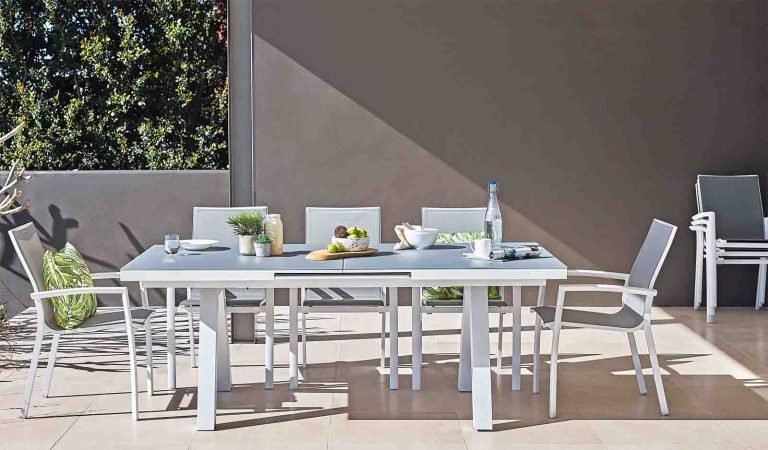
Can outdoor furniture cushions be replaced or reupholstered?
Yes, outdoor furniture cushions can often be replaced or reupholstered, depending on the specific design and construction of the cushions. Here’s a breakdown of the options:
1. Replacement Cushions:
Many outdoor furniture manufacturers offer replacement cushions specifically designed for their furniture lines. These cushions are available in various sizes, shapes, and colors to match your existing furniture. You can contact the manufacturer or search for authorized retailers to find the appropriate replacement cushions.
2. Custom Cushions:
If you cannot find replacement cushions that fit your outdoor furniture, you can consider having custom cushions made. There are companies that specialize in creating custom cushions tailored to your specific measurements and design preferences. This option allows you to choose the fabric, foam density, and other elements to match your outdoor aesthetic.
3. Reupholstering:
If the cushion foam is still in good condition, but the fabric cover is worn or damaged, you can opt to reupholster the cushions. Reupholstering involves removing the old fabric and replacing it with new fabric of your choice. This can be done by a professional upholsterer or as a DIY project if you have the necessary skills and tools.
4. DIY Cushion Covers:
If you have basic sewing skills, you can make your own cushion covers. This option allows you to choose the fabric and customize the design according to your preferences. There are numerous online tutorials and patterns available to guide you through the process of creating new cushion covers.
5. Maintenance:
Regular maintenance can help prolong the lifespan of outdoor cushions. Protecting them from direct sunlight, moisture, and dirt can prevent premature wear and damage. Using furniture covers, storing cushions in a dry place during the off-season, and cleaning them according to the manufacturer’s instructions can help maintain their appearance and condition.
Before replacing or reupholstering outdoor furniture cushions, it’s important to assess the overall condition of the cushions, including the foam inserts. If the foam has deteriorated or lost its shape, it may be necessary to replace the entire cushion rather than just the fabric cover.
Whether you choose to replace, reupholster, or make your own cushion covers, it’s important to consider the specific requirements of outdoor use. Opt for fabrics that are specifically designed for outdoor environments, as they are typically resistant to fading, mildew, and moisture. This will ensure that your new cushions or covers are durable and can withstand the elements.
Are there any innovative outdoor furniture designs or trends to consider?
Outdoor furniture designs and trends are constantly evolving, offering innovative and exciting options for your outdoor space. Here are some notable designs and trends to consider:
1. Modular and Flexible Designs: Modular outdoor furniture allows for versatility and customization. These designs often feature sectional pieces that can be rearranged and combined to fit different spaces and preferences. Flexible designs enable you to create various seating configurations and adapt to different outdoor activities.
2. Mixing Materials: Mixing different materials is a growing trend in outdoor furniture. Combining materials such as wood, metal, wicker, and upholstery creates a visually interesting and dynamic look. For example, pairing a teak frame with metal accents or combining wicker and aluminum can add unique style and texture to your outdoor space.
3. Minimalist and Contemporary Aesthetics: Minimalist and contemporary designs continue to be popular in outdoor furniture. Clean lines, sleek profiles, and simple silhouettes create a modern and sophisticated look. Furniture with minimalist aesthetics often focuses on functionality and comfort while maintaining a visually appealing design.
4. Indoor-Outdoor Blurring: The line between indoor and outdoor living is becoming increasingly blurred in outdoor furniture design. Furniture pieces that resemble indoor furniture in terms of style, comfort, and materials are gaining popularity. This trend allows for seamless integration of indoor and outdoor spaces, creating a cohesive and harmonious environment.
5. Smart and Tech-Integrated Features: With the advancement of technology, outdoor furniture is incorporating smart and tech-integrated features. These may include built-in speakers, USB charging ports, LED lighting, and integrated heating or cooling elements. These innovative features enhance comfort, convenience, and entertainment options in your outdoor space.
6. Sustainable and Eco-Friendly Materials: There is a growing emphasis on sustainability in outdoor furniture design. Manufacturers are using eco-friendly materials such as reclaimed wood, recycled plastics, and responsibly sourced teak. Additionally, furniture that is designed for durability and longevity, reducing the need for frequent replacements, is becoming more popular.
7. Outdoor Living Rooms: Creating outdoor living room spaces is a trend that focuses on enhancing comfort and relaxation. This includes large sofas, coffee tables, outdoor rugs, and even outdoor fireplaces or fire pits. Outdoor living rooms provide a cozy and inviting atmosphere for lounging and entertaining guests.
8. Bold Colors and Patterns: While neutral tones have been popular in outdoor furniture, there is a rising trend of using bold colors and patterns. Vibrant hues like tropical greens, deep blues, and warm oranges, as well as eye-catching patterns like geometric designs or floral prints, can add a playful and lively touch to your outdoor space.
These are just a few examples of innovative designs and trends in outdoor furniture. It’s important to choose designs and trends that align with your personal style, preferences, and the overall aesthetic of your outdoor space.
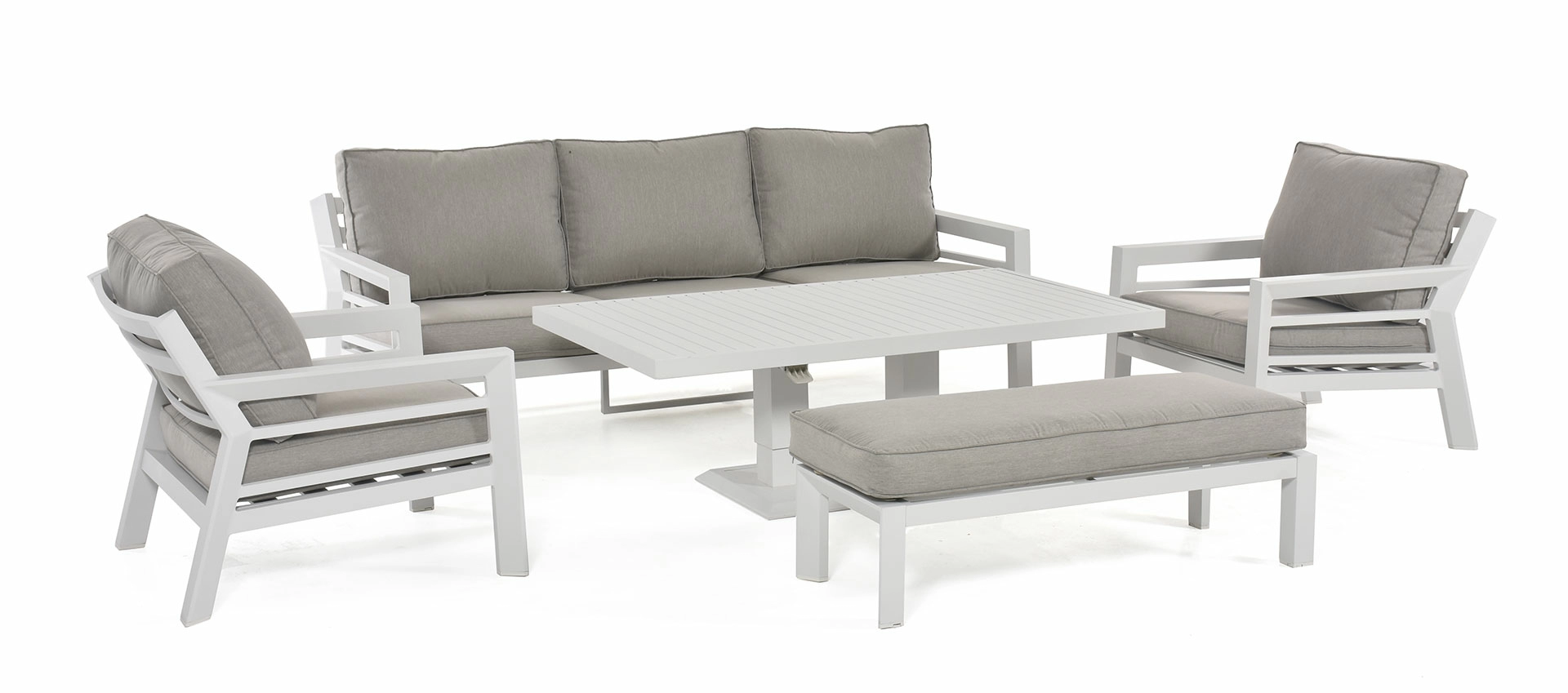
How can I protect my outdoor furniture during the winter months?
Protecting your outdoor furniture during the winter months is crucial to ensure its longevity and keep it in good condition. Here are some tips to help you protect your outdoor furniture:
1. Clean and Prepare: Before winter arrives, thoroughly clean your outdoor furniture to remove any dirt, debris, or stains. Use a mild soap, water, and a soft brush or sponge. Rinse the furniture thoroughly and allow it to dry completely. Once clean, apply an appropriate protective finish or sealant if recommended by the manufacturer.
2. Store Indoors: If possible, consider storing your outdoor furniture indoors during the winter months. A garage, basement, or storage shed can provide protection from harsh winter weather. If space is limited, prioritize storing more delicate or valuable pieces, such as cushions or lightweight furniture, while heavier or more durable items may be left outside with proper coverings.
3. Use Furniture Covers: If storing your furniture indoors is not an option, use weather-resistant covers designed specifically for outdoor furniture. Look for covers made from durable materials that are waterproof, UV-resistant, and breathable. Properly cover each piece of furniture, including tables, chairs, and cushions, to keep them protected from snow, rain, and wind.
4. Elevate and Protect: When leaving furniture outside, elevate it from the ground to prevent moisture damage. Use furniture glides, blocks, or a raised platform to keep the furniture off the wet or frozen ground. Additionally, use furniture protectors or caps on the legs to prevent scratching or damage to delicate surfaces.
5. Remove Cushions and Fabric: If your outdoor furniture has removable cushions or fabric, it’s best to store them indoors during the winter. Clean the cushions thoroughly, allow them to dry completely, and store them in a dry and protected area. If storing indoors is not possible, use weather-resistant cushion storage bags or containers to keep them protected from moisture and pests.
6. Inspect and Maintain: Periodically check on your outdoor furniture during the winter months. Remove any accumulated snow or debris from the covers and ensure they are securely in place. Inspect the furniture for any signs of damage or wear and make any necessary repairs as soon as possible.
7. Avoid Excessive Weight: While it may be tempting to use your outdoor furniture as storage surfaces during the winter, it’s best to avoid placing heavy objects on them. Excessive weight can cause damage or warping, especially if the furniture is made from materials like wicker or plastic.
By following these tips, you can help protect your outdoor furniture during the winter months and extend its lifespan. Remember to always refer to the manufacturer’s guidelines and recommendations for specific care instructions for your furniture.
editor by CX 2023-10-21
China manufacturer 7.4bar 64.1cfm 11kw Ga11 CHINAMFG Screw Air Compressors Oil-Injected Industrial Rotary Compressor Air-Compressors 12v air compressor
Product Description
We are authorized distributer of atlas copco, we could provide whole product line of
Atlas Copco air compressors , spare parts and consumables. we are also
certified supplier by international authoritative certification
organizations.
Kindly advise your technical requirements, we will recommend suitable
compressed air system and spare parts for you .
We can provide CHINAMFG One-Stop Service,and efficient energy – saving solutions for you .
Related compressor spare parts:
| Air Compressor Daily Consumables | Air/oil/pipeline Filter,Oil Separator,Lubricant. |
| Air Compressor Electrial Components | Pressure/temprature sensor,Differential pressure Sensor,pressure/temp.switch. |
| Air Compressor Preventive Maintenance Kit | Min.pressure Kit,Oil stop kit,Check Valve Kit,Unloading Valve kit,Safety valve kit and so on. |
| Air compressor Motor | Main Motor,Fan Motor. |
| Air Compressor Spare parts | hose,o-ring,oil level guage,shaft,gear wheel,display,diaphragm,coupling. |
| Air Compressor rotor | for Atlas Copco,Ingersoll Rand,Sullair,CompAir,Fusheng,Quincy,Chicago Pneumatic. |
| Air Compressor Cooler | After Cooler,Oil Cooler. |
Products Description
Industrial equipment, printing service, pipelines,power plants, oil&gas, oil refinery, coating, painting,
plastics, steel industry, rubber, mechanical, blow molding, color sorter machine, shipyard, sandblasting,
metallurg,etc.
Different industries correspond to different air compressors, kindly please send me your application
areas and specific conditions, then will recommend the most suitable products for you .
Shipping
We can provide CHINAMFG standard packaging or OEM packaging.
1 Q: How about the quality of products ?
A: We are authorized distributer of Atlas Copco. Don’t worry the quality and service.
2 Q: How long is your delivery lead time ?
A: If there is stock, the lead time is about 3 working days after we get the payment, if need to
be produced, it depends.
3 Q: How about your overseas after-sale service?
A: (1)Provide customers with intallation and commissioning online instructions.
(2)Worldwide agents and sfter service available.
4 Q: Can you accept OEM&ODM orders?
A: Yes, we have professional design team, OEM&ODM orders are highly welcomed.
| Warranty: | 1 Year |
|---|---|
| Lubrication Style: | Oil-free |
| Cooling System: | Air Cooling |
| Power Source: | AC Power |
| Cylinder Position: | Vertical |
| Structure Type: | Closed Type |
| Customization: |
Available
|
|
|---|
What is the role of air compressors in power generation?
Air compressors play a significant role in power generation, supporting various operations and equipment within the industry. Here are some key roles of air compressors in power generation:
1. Combustion Air Supply:
Air compressors are used to supply compressed air for the combustion process in power generation. In fossil fuel power plants, such as coal-fired or natural gas power plants, compressed air is required to deliver a steady flow of air to the burners. The compressed air helps in the efficient combustion of fuel, enhancing the overall performance and energy output of the power plant.
2. Instrumentation and Control:
Air compressors are utilized for instrumentation and control systems in power generation facilities. Compressed air is used to operate pneumatic control valves, actuators, and other pneumatic devices that regulate the flow of steam, water, and gases within the power plant. The reliable and precise control provided by compressed air ensures efficient and safe operation of various processes and equipment.
3. Cooling and Ventilation:
In power generation, air compressors are involved in cooling and ventilation applications. Compressed air is used to drive air-operated cooling fans and blowers, providing adequate airflow for cooling critical components such as generators, transformers, and power electronics. The compressed air also assists in maintaining proper ventilation in control rooms, substations, and other enclosed spaces, helping to dissipate heat and ensure a comfortable working environment.
4. Cleaning and Maintenance:
Air compressors are employed for cleaning and maintenance tasks in power generation facilities. Compressed air is utilized to blow away dust, dirt, and debris from equipment, machinery, and electrical panels. It helps in maintaining the cleanliness and optimal performance of various components, reducing the risk of equipment failure and improving overall reliability.
5. Pneumatic Tools and Equipment:
In power generation plants, air compressors provide the necessary compressed air for operating pneumatic tools and equipment. These tools include impact wrenches, pneumatic drills, grinders, and sandblasting equipment, which are utilized for installation, maintenance, and repair tasks. The high-pressure air generated by compressors enables efficient and reliable operation of these tools, enhancing productivity and reducing manual effort.
6. Nitrogen Generation:
Sometimes, air compressors are used in power generation for nitrogen generation. Compressed air is passed through a nitrogen generator system, which separates nitrogen from other components of air, producing a high-purity nitrogen gas stream. Nitrogen is commonly used in power plant applications, such as purging systems, blanketing in transformers, and generator cooling, due to its inert properties and low moisture content.
7. Start-up and Emergency Systems:
Air compressors are an integral part of start-up and emergency systems in power generation. Compressed air is utilized to power pneumatic starters for gas turbines, providing the initial rotation needed to start the turbine. In emergency situations, compressed air is also used to actuate emergency shutdown valves, safety systems, and fire suppression equipment, ensuring the safe operation and protection of the power plant.
Overall, air compressors contribute to the efficient and reliable operation of power generation facilities, supporting combustion processes, control systems, cooling, cleaning, and various other applications critical to the power generation industry.
.webp)
What safety precautions should be taken when working with compressed air?
Working with compressed air requires adherence to certain safety precautions to prevent accidents and ensure the well-being of individuals involved. Here are some important safety measures to consider:
1. Personal Protective Equipment (PPE):
Wear appropriate PPE, including safety goggles or a face shield to protect eyes from flying debris or particles, hearing protection to reduce noise exposure, and gloves to safeguard hands from potential hazards.
2. Compressed Air Storage:
Avoid storing compressed air in containers that are not designed for this purpose, such as soda bottles or makeshift containers. Use approved and properly labeled air storage tanks or cylinders that can handle the pressure and are regularly inspected and maintained.
3. Pressure Regulation:
Ensure that the air pressure is regulated to a safe level suitable for the equipment and tools being used. High-pressure air streams can cause serious injuries, so it is important to follow the manufacturer’s recommendations and never exceed the maximum allowable pressure.
4. Air Hose Inspection:
Regularly inspect air hoses for signs of damage, such as cuts, abrasions, or leaks. Replace damaged hoses immediately to prevent potential accidents or loss of pressure.
5. Air Blowguns:
Exercise caution when using air blowguns. Never direct compressed air towards yourself or others, as it can cause eye injuries, hearing damage, or dislodge particles that may be harmful if inhaled. Always point blowguns away from people or any sensitive equipment or materials.
6. Air Tool Safety:
Follow proper operating procedures for pneumatic tools. Ensure that tools are in good working condition, and inspect them before each use. Use the appropriate accessories, such as safety guards or shields, to prevent accidental contact with moving parts.
7. Air Compressor Maintenance:
Maintain air compressors according to the manufacturer’s guidelines. Regularly check for leaks, clean or replace filters, and drain moisture from the system. Proper maintenance ensures the safe and efficient operation of the compressor.
8. Training and Education:
Provide adequate training and education to individuals working with compressed air. Ensure they understand the potential hazards, safe operating procedures, and emergency protocols. Encourage open communication regarding safety concerns and implement a culture of safety in the workplace.
9. Lockout/Tagout:
When performing maintenance or repairs on compressed air systems, follow lockout/tagout procedures to isolate the equipment from energy sources and prevent accidental startup. This ensures the safety of the individuals working on the system.
10. Proper Ventilation:
Ensure proper ventilation in enclosed areas where compressed air is used. Compressed air can displace oxygen, leading to a potential risk of asphyxiation. Adequate ventilation helps maintain a safe breathing environment.
By adhering to these safety precautions, individuals can minimize the risks associated with working with compressed air and create a safer work environment.
Can you explain the basics of air compressor terminology?
Understanding the basic terminology related to air compressors can help in better comprehension of their operation and discussions related to them. Here are some essential terms related to air compressors:
1. CFM (Cubic Feet per Minute): CFM is a unit of measurement that denotes the volumetric flow rate of compressed air. It indicates the amount of air a compressor can deliver within a minute and is a crucial factor in determining the compressor’s capacity.
2. PSI (Pounds per Square Inch): PSI is a unit of measurement used to quantify pressure. It represents the force exerted by the compressed air on a specific area. PSI is a vital specification for understanding the pressure capabilities of an air compressor and determining its suitability for various applications.
3. Duty Cycle: Duty cycle refers to the percentage of time an air compressor can operate in a given time period. It indicates the compressor’s ability to handle continuous operation without overheating or experiencing performance issues. For instance, a compressor with a 50% duty cycle can run for half the time in a given hour or cycle.
4. Horsepower (HP): Horsepower is a unit used to measure the power output of a compressor motor. It indicates the motor’s capacity to drive the compressor pump and is often used as a reference for comparing different compressor models.
5. Receiver Tank: The receiver tank, also known as an air tank, is a storage vessel that holds the compressed air delivered by the compressor. It helps in stabilizing pressure fluctuations, allowing for a more consistent supply of compressed air during peak demand periods.
6. Single-Stage vs. Two-Stage: These terms refer to the number of compression stages in a reciprocating air compressor. In a single-stage compressor, air is compressed in a single stroke of the piston, while in a two-stage compressor, it undergoes initial compression in one stage and further compression in a second stage, resulting in higher pressures.
7. Oil-Free vs. Oil-Lubricated: These terms describe the lubrication method used in air compressors. Oil-free compressors have internal components that do not require oil lubrication, making them suitable for applications where oil contamination is a concern. Oil-lubricated compressors use oil for lubrication, enhancing durability and performance but requiring regular oil changes and maintenance.
8. Pressure Switch: A pressure switch is an electrical component that automatically starts and stops the compressor motor based on the pre-set pressure levels. It helps maintain the desired pressure range in the receiver tank and protects the compressor from over-pressurization.
9. Regulator: A regulator is a device used to control and adjust the output pressure of the compressed air. It allows users to set the desired pressure level for specific applications and ensures a consistent and safe supply of compressed air.
These are some of the fundamental terms associated with air compressors. Familiarizing yourself with these terms will aid in understanding and effectively communicating about air compressors and their functionality.
editor by CX 2023-10-21
China Hot selling Outdoor Furniture Electrical Carbon Dual Full Aluminium CHINAMFG Barbecue Patio Outdoor Leisure Garden Villa Garden vacuum pump oil near me
Product Description
HangZhou Zixuan Furniture Co., Ltd. is a factory specializing in the production of outdoor furniture. It has nearly 20 years of experience in the production of outdoor furniture. There are some experienced teachers in the factory. They are very professional and have guaranteed quality. We can customize them. If you have pictures, we can produce them. Welcome to contact us. We are very confident that we can make your order. Welcome to inquire! Price gives you very affordable price and guaranteed quality products! If necessary, you can send a picture inquiry! We very much welcome you to visit
| Material: | Metal |
|---|---|
| Style: | Simple |
| Usage: | Bar, Hotel, Dining Room, Outdoor |
| Samples: |
US$ 185/Piece
1 Piece(Min.Order) | Order Sample Can customize colors
|
|---|
| Customization: |
Available
|
|
|---|
.shipping-cost-tm .tm-status-off{background: none;padding:0;color: #1470cc}
|
Shipping Cost:
Estimated freight per unit. |
about shipping cost and estimated delivery time. |
|---|
| Payment Method: |
|
|---|---|
|
Initial Payment Full Payment |
| Currency: | US$ |
|---|
| Return&refunds: | You can apply for a refund up to 30 days after receipt of the products. |
|---|

Are there any DIY projects for customizing aluminum garden furniture pieces?
Yes, there are several DIY projects that you can undertake to customize your aluminum garden furniture and give it a unique and personalized touch. Here are some ideas:
1. Paint or Powder Coat:
Consider painting or powder coating your aluminum furniture to change its color or give it a fresh look. Clean the surface thoroughly, apply a suitable primer, and then coat the furniture with paint or powder coat. Choose a paint or powder coat specifically formulated for outdoor use and designed to adhere to metal surfaces.
2. Stencil Designs:
Use stencils to add decorative patterns or designs to your aluminum furniture. You can stencil the seat backs, tabletops, or any other flat surface. Select a stencil design that complements your outdoor decor and use outdoor-rated paint or spray paint for durability.
3. Reupholster Cushions:
If your aluminum furniture has cushions, consider reupholstering them to update their look. Choose outdoor fabrics that are resistant to fading and can withstand outdoor conditions. Remove the old fabric, measure and cut the new fabric, and sew or staple it onto the cushions for a fresh and customized appearance.
4. Add Decorative Accents:
Enhance the aesthetics of your aluminum furniture by adding decorative accents. For example, you can attach decorative knobs or drawer pulls to drawers or doors, incorporate mosaic tiles onto tabletops, or use adhesive decals or vinyl stickers to create unique designs or patterns.
5. Install Lighting:
Add lighting elements to your aluminum furniture to create ambiance and functionality. You can attach LED strip lights underneath the furniture for a subtle glow, install solar-powered lights on tabletops or chair arms, or incorporate string lights around the furniture for a festive touch.
6. Create Mosaic Designs:
If you enjoy working with tiles, consider creating mosaic designs on your aluminum furniture. Use adhesive or grout to attach small tiles or broken pieces of tiles to tabletops, seat backs, or other suitable surfaces. Mosaic designs can add a vibrant and artistic element to your furniture.
7. Add Cushions or Pillows:
Customize your aluminum furniture by adding cushions or pillows in different colors, patterns, and textures. This simple addition can instantly change the look and feel of the furniture, making it more comfortable and visually appealing.
8. Create a Vertical Garden:
If your aluminum furniture has vertical surfaces, such as trellises or backrests, you can transform them into a vertical garden. Attach small pots or planters to the surface and fill them with your favorite plants or herbs. This DIY project adds a green and natural element to your furniture.
These are just a few DIY projects to customize your aluminum garden furniture. Get creative and explore different techniques and materials to make your furniture truly unique and reflective of your personal style.

What are the top considerations for selecting aluminum garden furniture for poolside areas?
When selecting aluminum garden furniture for poolside areas, there are several key considerations to keep in mind. These considerations will help ensure that the furniture is suitable for the poolside environment and meets your specific needs. Here are some of the top considerations:
1. Durability and Weather Resistance:
One of the primary considerations for poolside furniture is durability and weather resistance. The furniture should be able to withstand exposure to sunlight, chlorine, saltwater, and other pool chemicals without deteriorating or corroding. Look for aluminum furniture that is specifically designed for outdoor use and has been treated with protective coatings or finishes to enhance its resistance to the elements.
2. Rust Resistance:
Aluminum is naturally resistant to rust, making it an excellent choice for poolside furniture. However, it’s important to ensure that the furniture has proper rust-resistant features, such as stainless steel hardware or coated fasteners, to further enhance its durability in a poolside environment. Rust-resistant furniture will maintain its appearance and structural integrity over time.
3. Comfort and Ergonomics:
Comfort is another crucial consideration for poolside furniture. Look for aluminum furniture that includes comfortable cushions or seating surfaces. Consider the ergonomics of the furniture, such as backrest angles, seat depths, and armrest heights, to ensure optimal comfort for lounging by the pool. Test the furniture if possible or read customer reviews to gauge its comfort level.
4. Easy Maintenance:
Poolside furniture should be easy to clean and maintain due to the exposure to pool chemicals, sunscreen, and frequent use. Look for furniture with low-maintenance features, such as removable and washable cushion covers, as well as furniture frames that can be easily wiped down with mild soap and water. Avoid furniture with intricate designs or hard-to-reach crevices that can trap dirt and require extensive cleaning.
5. Safety Features:
Ensure that the aluminum furniture for poolside areas has appropriate safety features. Look for furniture that is stable and has non-slip feet or base to prevent accidental slips or tipping. Consider furniture with rounded edges or cushioned surfaces to minimize the risk of injuries. Additionally, check if the furniture meets relevant safety standards for outdoor use.
6. Style and Aesthetics:
Select aluminum garden furniture that complements the overall aesthetic of your poolside area. Consider the design, color, and finish of the furniture to ensure it matches your desired style. Aluminum furniture comes in a variety of styles, from modern and sleek to traditional and ornate, allowing you to find options that blend seamlessly with your poolside decor.
7. Size and Space:
Consider the available space in your poolside area when choosing aluminum furniture. Measure the area to ensure the furniture fits comfortably without overcrowding the space. Opt for furniture that is proportionate to the area and allows for easy movement and flow around the pool. Additionally, consider the number of people you expect to accommodate and choose furniture that provides adequate seating or lounging options.
By considering these factors, you can select aluminum garden furniture that is well-suited for poolside areas, combining durability, comfort, and style. Remember to also follow any additional guidelines or recommendations provided by the furniture manufacturer to ensure optimal performance and longevity of your poolside furniture.

Are there eco-friendly or sustainable options for aluminum garden furniture?
Yes, there are eco-friendly and sustainable options available for aluminum garden furniture. When shopping for environmentally conscious choices, consider the following:
1. Recycled Aluminum:
Look for aluminum garden furniture that is made from recycled materials. Using recycled aluminum helps reduce the demand for new raw materials and minimizes the environmental impact of the manufacturing process. Some manufacturers specifically highlight their use of recycled aluminum in their products.
2. Sustainable Manufacturing Practices:
Choose brands or manufacturers that prioritize sustainable manufacturing practices. Look for certifications or labels such as Forest Stewardship Council (FSC), Sustainable Furnishings Council (SFC), or Cradle to Cradle that indicate a commitment to responsible sourcing, energy efficiency, waste reduction, and other sustainable practices.
3. Low-impact Coatings:
Consider aluminum garden furniture that uses low-impact coatings or finishes. Traditional painting and coating processes can involve harmful chemicals and contribute to pollution. Opt for furniture that uses eco-friendly, water-based or powder-coated finishes that have lower environmental impact.
4. Longevity and Durability:
Choose aluminum garden furniture that is built to last. Investing in high-quality, durable furniture reduces the need for frequent replacements, which in turn reduces waste. Look for furniture with solid construction, reinforced joints, and corrosion-resistant features to ensure longevity.
5. End-of-life Considerations:
When selecting aluminum garden furniture, consider how it can be recycled or disposed of responsibly at the end of its life. Look for furniture that is designed for disassembly, making it easier to recycle or repurpose the different components. Some manufacturers may provide recycling programs or guidance on proper disposal.
6. Local and Handcrafted Options:
Support local artisans or craftsmen who create aluminum garden furniture using sustainable practices. Choosing locally made furniture reduces transportation emissions and supports local economies.
7. Second-hand and Vintage:
Consider purchasing second-hand or vintage aluminum garden furniture. This option extends the lifespan of the furniture and reduces the demand for new production. Look for local thrift stores, online marketplaces, or community platforms for pre-owned furniture.
By considering these eco-friendly and sustainable options, you can make more environmentally conscious choices when selecting aluminum garden furniture. Remember to research brands, certifications, and manufacturing processes to ensure that the furniture aligns with your sustainability goals and values.
editor by CX 2023-10-21
China Good quality Restaurant Furniture Villa Garden CHINAMFG Frame Outdoor Dining Table and Chair vacuum pump adapter
Product Description
Product Description
| Model Number | Dinning Table vic |
| Dimensions | Standard 1800*900*750mm, Welcome to customized |
| Color | Photo color of standard, Optional color welcome to customize |
| Table Top | Sintered Stone or marble or wood |
| Leg | 1.2mm Thickness Metal Powder Coated Leg and Frame |
| Delivery Time | Normal 20-30 days, High Season 30-40 days |
| Assemble | Have assemble instruction each carton |
| MOQ | 1 sets |
| Special service | Accept mixed order in 1 container |
| Special offer | Print the logo on the products and CHINAMFG Cartons |
| OEM and ODM | Welcome, rich experience |
| Trade terms | EXW, FOB, CIF , Port of HangZhou or HangZhou |
Restaurant Furniture Villa Garden CHINAMFG Frame Outdoor Dining Table and Chair
Detailed Photos
Color Options
Our Advantages
1. What we supply?
We carefully manufactured products including Office Table, Office Chair, Office Sofa, Office Workstation, Conference Table, Reception Desk, Training table, Coffee Table, Office Cabinet, School Furniture, Living room furniture, Simple Leisure Sets etc.
2. Why choose Us?
A. Business Type: Manufacturer
Production and export trade experience:Over 14 years
Factory area: 10000 squaremeters
Showroom Area: 4000 squaremeters
Member: >200 staffs
Annual Output: 3000 containers annually
Certificate: ISO9001
Design Team: Minimum 20 pax to organize
B. Customization: Welcome to OEM and ODM or Project.
C.Delivery: 20days for 20GP, 30days for 40HQ.
D.Testing center is available in our factory, and regularly through national authoritative organization authoritative authentication, ensure that each product is qualified.
E.Self-owned R&D components moulds for each office furniture.
F.Competitive price from factory directly.
Production Process
Company Profile
HangZhou KENO FURNITURE CO., LTD was founded in HangZhou City in 2005, and now developed into a modern office furniture enterprise which combines design, production and selling all over the world.
Our factory covers more than 10000 square CHINAMFG and we introduce Germany,Italy advanced production equipment and first-class technology. Such as CNC cutting machine which make furniture more accurate and faster; Edge banding machine help to improve the beauty and strength of the board edge; The advanced shaped CNC cutting machine can cut out different shapes to meet customer’s requirement. All these high technology machines help KENO to improve the production capacity and help our customer win their market easily!
From material selecting to packaging, every process is inspected strictly. Every product should be sample tested and installed perfectly before loading, to ensure the product quality.
KENO is professional in doing office furniture projects and wholesaling and we also have our own chair production workshop to support our huge projects selling. We hire outstanding technical workers for cutting,assembling,designing and packing, we focus every details to make our product perfectly.
FAQ
Q1. Any discount? At first, the price we quote are all wholesale price. Meanwhile, our best price will be offered according to the order quantity, so please tell us your purchase quantity when you inquire.
Q2. Are you a manufacturer?
Yes, we are manufacturer/factory.
Q3. What about the warranty of the products?
3 years warranty,during the period,we will responsible for the damage due to the defects in manufacturing.
Q4. What the sample cost?
Please contact our sales, and tell them your required models, they will check the sample cost for you.
(1). If we don’t have stock ,sample cost will double of the whole sales prices ,The additional cost of the sample cost can be refunded to customers after confirmed the large order, the delivery cost paid by customers.
(2) For customized sample, the sample fees will be quoted separately.
Q5: What is your MOQ?
A1: If customer have agent who can arrange the shipment in China, there will be 5 sets MOQ ( it means you can order 5 piece and the price will be offered as EXW factory price).
A2: If customer need us arrange the shipment, the total CBM should morethan 10 CBM.
Q6. Is it safe to use dining chair?
Yes! We have made a test before we sell the dining chair. We have sold these chairs to many retailers and wholesalers and never have quality complaint.
Q7. What can I do if the item damaged during transportation? Our customer service staffs will help you with any questions or concerns. Under any circumstance,we will take well packed products pictures before shipping. So if any damage on products,please take pictures for us.
Q8: Transportion?
A: Port of loading: mainly ship in HangZhou port or HangZhou port, ZheJiang province, China.
B:Shipping Services: By sea.As the furniture products are over-weighted and over-sized after packing,it could not able to send the furniture to your place by air / express delivery. Ocean shipping is the only method to delivery.
Contact Us
We are professional supplier for Dining furniture, Hotel furniture, Office furniture, School furniture. if you have any question, please feel free to contact us, we will always get back to you within 24 hours. Welcome your inquiry!
| Style: | Modern |
|---|---|
| Material: | Metal |
| Usage: | Hotel, Home, Office |
| Customization: |
Available
|
|
|---|
.shipping-cost-tm .tm-status-off{background: none;padding:0;color: #1470cc}
|
Shipping Cost:
Estimated freight per unit. |
about shipping cost and estimated delivery time. |
|---|
| Payment Method: |
|
|---|---|
|
Initial Payment Full Payment |
| Currency: | US$ |
|---|
| Return&refunds: | You can apply for a refund up to 30 days after receipt of the products. |
|---|
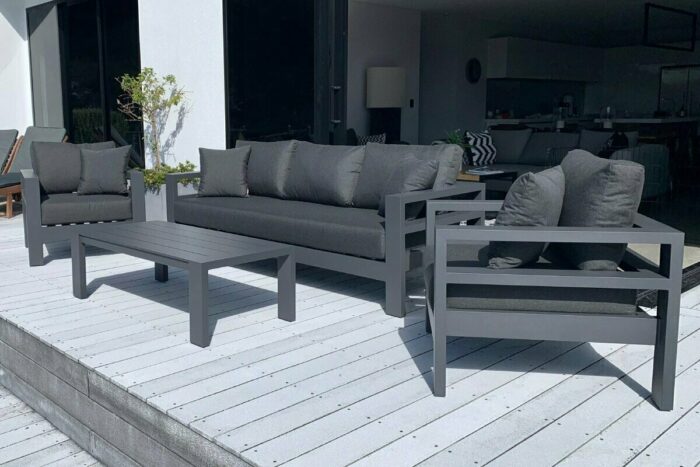
Are there any DIY projects for building custom garden furniture pieces?
Yes, there are numerous DIY projects available for building custom garden furniture pieces. Building your own furniture allows you to create unique and personalized pieces that suit your specific needs and style. Here are a few DIY project ideas for building custom garden furniture:
1. Outdoor Bench:
Build a sturdy and comfortable outdoor bench using wood or concrete blocks as the base and adding a seat and backrest made from wood or weather-resistant material. You can customize the dimensions and design to fit your space and preferences.
2. Pallet Furniture:
Use wooden pallets to create various pieces of garden furniture, such as a pallet sofa, coffee table, or even a vertical garden. Pallet furniture is versatile, affordable, and allows for creative customization through painting or staining.
3. Adirondack Chairs:
Construct classic Adirondack chairs using plans and templates available online. These iconic chairs are comfortable and have a distinct, rustic look. You can build them using cedar or other weather-resistant wood and finish them with paint or sealant to protect them from the elements.
4. Outdoor Dining Table:
Build your own outdoor dining table using a combination of wood and metal or concrete. Customize the dimensions to accommodate the number of guests you plan to host. Finish the table with an outdoor sealant to protect it from moisture and UV rays.
5. Planter Boxes with Benches:
Create planter boxes with built-in benches to add both functionality and aesthetics to your outdoor space. Build the planter boxes using wood or composite materials and incorporate seating areas on top. This project allows you to combine seating and greenery in one piece.
6. Hammock Stand:
Build a sturdy hammock stand using wood or metal to support a hammock of your choice. Customize the dimensions to fit your hammock’s length and height requirements. Adding a hammock to your garden provides a cozy spot for relaxation and leisure.
7. Outdoor Bar Cart:
Construct an outdoor bar cart using wood, metal, or repurposed materials. Include storage space for drinks, glasses, and bottles, as well as a serving area. Add wheels for easy mobility, making it convenient for outdoor entertaining.
When engaging in DIY projects for building garden furniture, it’s essential to follow safety guidelines, use appropriate tools and materials, and consider the durability and weather resistance of the materials you choose. Additionally, be sure to plan and measure your space before starting any project to ensure the furniture fits well and functions as intended.
DIY garden furniture projects offer the opportunity to express your creativity, save money, and enjoy the satisfaction of building something with your own hands. Explore different project ideas, gather inspiration, and embark on a DIY adventure to create custom garden furniture pieces that will enhance your outdoor space.
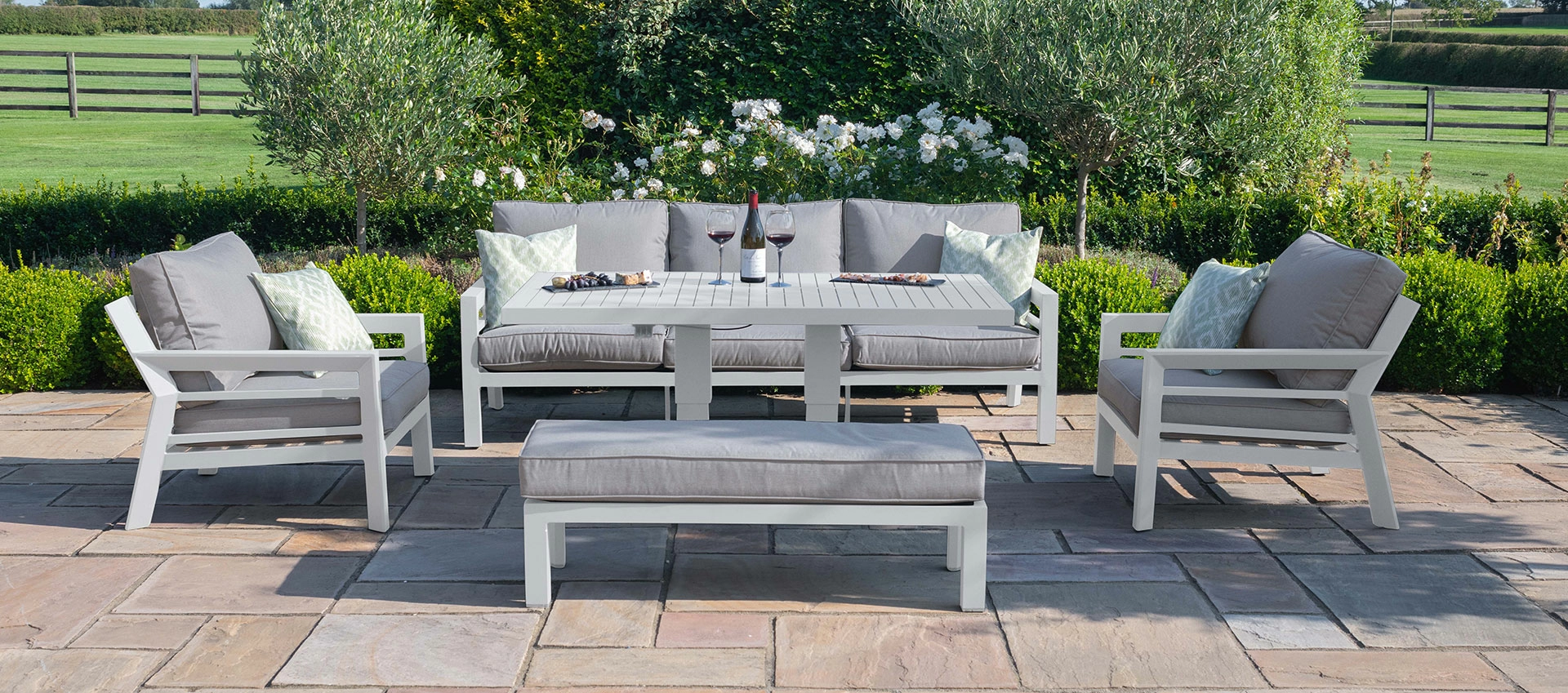
Can I find garden furniture that is both stylish and easy to clean?
Yes, it is possible to find garden furniture that is both stylish and easy to clean. With advancements in materials and design, there are numerous options available that combine aesthetic appeal with practicality. Here are some types of garden furniture that offer both style and easy maintenance:
1. Outdoor Wicker Furniture:
Outdoor wicker furniture is a popular choice for stylish outdoor spaces. It is typically made from synthetic wicker or resin wicker, which are resistant to weather conditions, UV rays, and easy to clean. Simply wipe the furniture with a damp cloth or use a mild soap and water solution for tougher stains. Wicker furniture is available in a variety of colors and styles, allowing you to find a design that suits your taste.
2. Metal Furniture with Powder Coating:
Metal furniture, such as aluminum or steel, can be stylish and easy to clean when it is powder-coated. Powder coating involves applying a dry powder paint to the metal surface, which then fuses into a protective layer. This coating not only adds style with a range of color options but also provides durability and makes the furniture easy to wipe clean. Metal furniture with powder coating is resistant to rust, fading, and chipping.
3. Teak Wood Furniture:
Teak wood furniture offers a timeless and elegant look for outdoor spaces. It is naturally resistant to moisture, decay, and insects. Teak wood contains oils that help repel dirt and stains, making it relatively easy to clean. Regular maintenance involves cleaning the furniture with a mild soap and water solution and applying teak oil periodically to maintain its appearance. Teak furniture is available in various designs and can enhance the style of any garden.
4. Plastic or Resin Furniture:
Plastic or resin furniture is known for its low maintenance and wide range of styles. This type of furniture is lightweight, durable, and resistant to weather elements. It can be easily cleaned with a sponge or cloth and a mild detergent. Plastic or resin furniture is available in different colors and designs, allowing you to find options that match your preferred style.
5. Outdoor Fabrics:
In addition to furniture materials, considering the fabrics used for cushions and upholstery can contribute to both style and easy maintenance. Look for outdoor fabrics that are specifically designed to withstand UV rays, moisture, and stains. These fabrics are often water-resistant or water-repellent and can be easily cleaned with a damp cloth or mild soap and water solution.
By choosing garden furniture made from materials that are easy to clean and maintain, you can enjoy both style and convenience in your outdoor space. Regular cleaning and proper care will help preserve the appearance and longevity of your furniture, allowing you to enjoy it for years to come.
How do I choose the right garden furniture set for my outdoor space?
Choosing the right garden furniture set for your outdoor space involves considering several factors such as space availability, functionality, style, and budget. Here are some steps to help you make the right decision:
1. Assess Your Outdoor Space:
Start by evaluating the available space in your outdoor area. Measure the dimensions and consider any specific features or limitations, such as uneven terrain or existing structures. This will help you determine the appropriate size and layout for your furniture set.
2. Define Your Purpose:
Consider how you plan to use your outdoor space. Do you want a dining area for hosting meals, a cozy seating area for relaxation, or a combination of both? Defining your purpose will guide your choices in terms of the type of furniture set you need.
3. Consider Durability and Weather Resistance:
Since garden furniture is exposed to outdoor elements, choose materials that are durable and weather-resistant. Look for options such as teak, aluminum, or synthetic wicker that can withstand various weather conditions without deteriorating.
4. Evaluate Comfort and Ergonomics:
Comfort is key when selecting garden furniture. Test the seating options to ensure they provide adequate support and cushioning. Consider ergonomic features such as adjustable backrests or armrests for added comfort.
5. Match Your Style and Aesthetic:
Choose a furniture set that complements your outdoor space and reflects your personal style. Consider the overall aesthetic, whether it’s modern, rustic, or traditional. Look for furniture sets that align with your chosen theme and color palette.
6. Opt for Low-Maintenance Options:
Consider the level of maintenance required for the furniture set. Some materials, like teak or aluminum, require minimal upkeep, while others may need regular cleaning or refinishing. Assess your willingness and ability to maintain the furniture set over time.
7. Test Quality and Construction:
Inspect the quality and construction of the furniture set before making a purchase. Check for sturdy frames, secure joints, and durable finishes. Sit on the chairs and test the stability. Quality craftsmanship will ensure the longevity of your furniture set.
8. Set a Realistic Budget:
Establish a budget for your garden furniture set and stick to it. Consider the long-term investment and choose a set that offers good value for your money. Balance cost with quality and durability to make an informed decision.
9. Read Reviews and Seek Recommendations:
Before finalizing your choice, read customer reviews and seek recommendations from friends or family who have purchased similar furniture sets. Their experiences can provide valuable insights and help you make an informed decision.
By following these steps and considering your specific needs and preferences, you can choose the right garden furniture set that enhances your outdoor space and provides a comfortable and enjoyable environment for relaxation or entertainment.
editor by CX 2023-10-21