Product Description
Apex Horeca,as a supplier of commercial / cantract / event & banquet furniture, with years of development, has grown into a leading and reliable source of quality outdoor furniture to the hospitality industry as well as bespoke furniture and family homes around the world.
Not only will you get the best prices for the best quality up-to-date outdoor furniture, you’ll also find our widest variety of outdoor furniture, help to create an inviting and comfortable atmosphere displaying much character and ambiance for your very own garden/resort/hotel/restaurant/cafe.
Our collections are made with quality materials, and can withstand all the harsh weather conditions and climate. Whether you would like 1 chair to laze on reading paper while sipping on a cappuccino in your garden/balcony or have a hotel/restaurant/cafe project in hand that needs outdoor furniture, welcome to come to us!
We ensure that you will be delighted with your choice!
Dimensions
PRODUCTION PICTURES
| Material: | Aluminum+Rope |
|---|---|
| Style: | Modern |
| Folded: | Unfolded |
| Customization: |
Available
|
|
|---|
.shipping-cost-tm .tm-status-off{background: none;padding:0;color: #1470cc}
| Shipping Cost:
Estimated freight per unit. |
about shipping cost and estimated delivery time. |
|---|
| Payment Method: |
|
|---|---|
|
Initial Payment Full Payment |
| Currency: | US$ |
|---|
| Return&refunds: | You can apply for a refund up to 30 days after receipt of the products. |
|---|
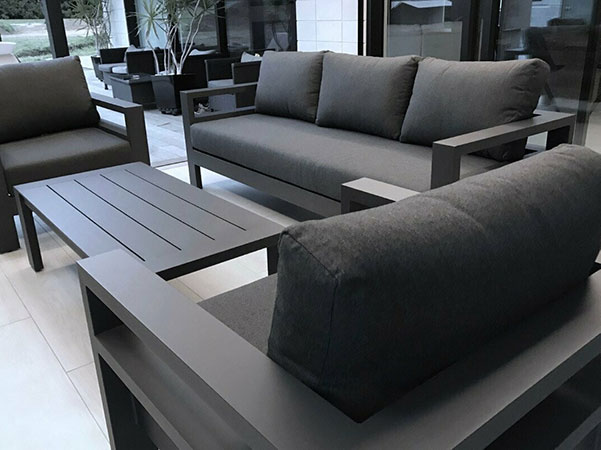
How can I arrange my garden furniture for comfortable outdoor gatherings?
To create a comfortable and inviting outdoor gathering space, the arrangement of your garden furniture plays a crucial role. Here are some tips to help you arrange your garden furniture for comfortable outdoor gatherings:
1. Determine the Focal Point:
Identify a focal point in your outdoor space, such as a fireplace, a garden feature, or a scenic view. Arrange your furniture to face this focal point, creating a visually appealing and functional layout.
2. Consider the Function:
Think about the purpose of your outdoor gatherings. Do you plan to have meals, conversations, or both? Consider the activities you intend to host and arrange the furniture accordingly. For dining-focused gatherings, position a dining table and chairs in a central location. For more conversational gatherings, create cozy seating arrangements with sofas, chairs, and coffee tables.
3. Create Conversation Areas:
Arrange your furniture to facilitate conversation and interaction among your guests. Place seating pieces facing each other, forming intimate conversation areas. Ensure there is enough space for easy movement and flow between the different seating arrangements.
4. Provide Ample Seating:
Ensure you have enough seating to accommodate your guests comfortably. Mix and match seating options such as chairs, benches, and outdoor sofas to offer variety and cater to different preferences. Consider adding cushions and pillows for extra comfort.
5. Provide Shade:
If your outdoor space is exposed to direct sunlight, consider providing shade to keep your guests comfortable. You can use umbrellas, pergolas, or shade sails to create shaded areas where people can gather without being exposed to excessive sunlight.
6. Arrange for Easy Access:
Arrange your furniture in a way that allows easy access to all areas. Ensure there are clear pathways and sufficient space for guests to move around comfortably. Avoid placing furniture in narrow or congested areas that may hinder movement.
7. Add Outdoor Accessories:
Enhance the comfort and ambiance of your outdoor gathering space by incorporating outdoor accessories. Consider adding outdoor rugs, side tables, decorative lighting, and potted plants to create a welcoming and cozy atmosphere.
8. Consider Weather Protection:
Depending on your climate, consider incorporating weather protection elements into your furniture arrangement. This can include adding a pergola, awning, or outdoor curtains to shield your guests from rain or strong winds.
9. Test the Layout:
Before finalizing the arrangement, physically test the layout by sitting in different seats and assessing the comfort and functionality. Make any necessary adjustments to ensure that the seating positions, table heights, and overall flow work well for your outdoor gatherings.
By considering the function, comfort, and aesthetics of your outdoor space, you can arrange your garden furniture in a way that promotes comfortable and enjoyable outdoor gatherings. Experiment with different layouts and configurations to find the arrangement that best suits your needs and creates a welcoming environment for your guests.

How can I make my garden furniture more comfortable for extended use?
To make your garden furniture more comfortable for extended use, you can consider the following tips and techniques:
1. Cushions and Pillows:
Add cushions and pillows to your garden furniture to provide extra padding and support. Look for cushions made from outdoor-grade materials that are resistant to moisture, fading, and mildew. Opt for pillows with soft and durable fabrics that enhance comfort. Make sure to choose cushions and pillows that fit the size and style of your furniture.
2. Ergonomic Design:
Consider the ergonomic design of your garden furniture to promote comfort during extended use. Look for chairs with proper back support and armrests that allow for relaxed seating positions. Tables with an appropriate height can also contribute to a more comfortable dining experience. Ergonomic design ensures that your body is properly supported and aligned, reducing discomfort and fatigue.
3. Adjustable Furniture:
If possible, opt for garden furniture with adjustable features. Adjustable chairs or loungers allow you to customize the seating position according to your preference. Being able to adjust the backrest or footrest can significantly enhance comfort during extended periods of use.
4. Shade and Sun Protection:
Provide shade and sun protection to make your garden furniture more comfortable, especially during hot and sunny days. Consider adding umbrellas, canopies, or pergolas to create shaded areas. This helps to reduce direct sun exposure and keeps the seating area cooler and more enjoyable.
5. Proper Ventilation:
Ensure proper ventilation around your garden furniture. Good airflow helps to prevent sweat buildup and keeps you cool. If your furniture has cushions, choose materials that are breathable and allow air to circulate. Mesh or ventilated designs can help with airflow and moisture management.
6. Protective Covers:
Use protective covers when your garden furniture is not in use to keep it clean and protected. Covers can help prevent dust, dirt, and bird droppings from accumulating on the furniture. Clean furniture is generally more comfortable to use for extended periods.
7. Outdoor Rugs and Mats:
Add outdoor rugs or mats to create a more inviting and comfortable seating area. These can provide a softer surface for your feet and also help define the space. Look for rugs or mats that are specifically designed for outdoor use and are resistant to moisture and fading.
8. Proper Maintenance:
Regularly clean and maintain your garden furniture to keep it in good condition. Follow the manufacturer’s instructions for cleaning and care. Tighten any loose screws or bolts, and replace any worn-out parts. Well-maintained furniture not only looks better but also tends to be more comfortable and enjoyable to use.
By implementing these tips, you can enhance the comfort of your garden furniture and create a more inviting outdoor space for extended use. Remember to consider your personal preferences and the specific needs of your furniture when making adjustments or additions.

Are there any eco-friendly or sustainable options for garden furniture?
Yes, there are several eco-friendly and sustainable options available for garden furniture. These options prioritize environmentally conscious materials, manufacturing processes, and durability. Here are some examples of eco-friendly and sustainable garden furniture:
1. Reclaimed Wood Furniture:
Furniture made from reclaimed wood is a sustainable choice. Reclaimed wood is salvaged from old buildings, barns, or other sources and repurposed into furniture. This helps reduce the demand for new timber and minimizes waste. Reclaimed wood furniture can have a unique, rustic appearance and is often treated for outdoor use.
2. FSC Certified Wood Furniture:
FSC (Forest Stewardship Council) certification ensures that the wood used in furniture comes from responsibly managed forests. FSC-certified wood is sourced in an environmentally and socially responsible manner, promoting sustainable forestry practices. Look for garden furniture with FSC certification to support sustainable timber production.
3. Recycled Plastic Furniture:
Furniture made from recycled plastic is an eco-friendly alternative to traditional plastic or wood furniture. This type of furniture is made from post-consumer plastic waste, such as plastic bottles or packaging. Recycled plastic furniture is durable, resistant to weather conditions, and requires minimal maintenance.
4. Metal Furniture with Recycled Content:
Some metal garden furniture options incorporate recycled content. For example, aluminum furniture made from recycled aluminum reduces the need for mining new raw materials. Look for manufacturers that use recycled metal in their furniture designs to support recycling initiatives.
5. Bamboo Furniture:
Bamboo is a fast-growing and renewable resource, making it an eco-friendly material for garden furniture. It is known for its strength, durability, and natural resistance to pests and weather conditions. Bamboo furniture is lightweight, aesthetically pleasing, and can be a sustainable choice for outdoor settings.
6. Natural Fiber Furniture:
Natural fibers such as rattan, seagrass, or wicker can be sustainable options for garden furniture. These materials are derived from plants and can be harvested without causing significant harm to the environment. Look for furniture made from sustainably sourced natural fibers and treated for outdoor use.
7. Upcycled or Vintage Furniture:
Consider upcycling or repurposing old furniture to create unique and sustainable garden pieces. By giving new life to pre-existing furniture, you can reduce waste and create personalized and environmentally friendly designs. Additionally, vintage or secondhand garden furniture can be a sustainable choice, as it extends the lifespan of existing pieces.
When selecting eco-friendly or sustainable garden furniture, look for certifications, labels, or information provided by the manufacturer that indicates their commitment to sustainability. Consider the durability, maintenance requirements, and end-of-life disposal options to make an informed choice for your outdoor space.
editor by CX 2023-11-27
China Standard Durable in Use Hot Sale CHINAMFG Frame Hotel Outdoor Furniture Garden Club Chair with high quality
Product Description
Product Description
Raw Material
Company Profile
Packaging & Shipping
FAQ
1.Production Lead Time:
1. High Season (September to April): 30-40 days .
2. Low Season (May to August): around 18-25 days .
3. We will come up with a detailed production schedule for each order and this schedule will be a platform for onward communication between customers and us.
2.payment item:
1. 30% down payment before production and balance before shipment.
2. We can offer different pricing of FOB, CIF and C&F.
3. Cash, Ali Express Escrow, Paypal, West Union, Money Gram, Bank Transfer and L/C are all available.
| Material: | Aluminum |
|---|---|
| Frame Material: | Metal |
| Style: | European |
| Type: | Combination |
| Usage: | Balcony/Garden/Outdoor |
| Folded: | Unfolded |
| Customization: |
Available
|
|
|---|

Can I find innovative or space-saving designs for aluminum chairs to maximize space utilization?
Yes, you can find innovative and space-saving designs for aluminum chairs that are specifically created to maximize space utilization. These designs offer clever solutions to optimize seating arrangements in areas where space is limited. Here are some ways you can find such innovative and space-saving designs for aluminum chairs:
1. Folding Chairs:
Folding chairs are a popular choice when it comes to space-saving seating options. Many aluminum chair models feature a folding mechanism that allows them to be easily folded and stored when not in use. This design enables you to quickly create additional seating when needed and then fold and store the chairs to save space.
2. Nesting Chairs:
Nesting chairs are designed to fit together compactly, similar to puzzle pieces. These chairs have a unique shape that allows them to be nested or stacked together in a way that minimizes the space required for storage. When you need to use the chairs, simply separate them, and they are ready for seating. Nesting aluminum chairs are ideal for environments where frequent rearrangement and space optimization are essential.
3. Stool or Backless Designs:
Stools or backless aluminum chairs are another space-saving option. These chairs typically have a compact design without a backrest, allowing them to be easily tucked under tables or counters when not in use. Stools are particularly useful in areas such as kitchens, bars, or informal dining spaces, where maximizing floor space is a priority.
4. Convertible or Multi-Functional Chairs:
Look for aluminum chairs that offer convertible or multi-functional features. These chairs are designed to serve multiple purposes or adapt to different seating needs. For example, some chairs can be converted into stools or used as a table when flipped upside down. These versatile designs allow you to maximize space utilization by having furniture that can serve multiple functions.
5. Modular Seating Systems:
Modular seating systems combine multiple seating elements that can be rearranged to create different seating configurations. Look for aluminum chairs that are part of a modular system, allowing you to arrange and connect the chairs in various ways to suit your space. These systems offer flexibility in maximizing space utilization while providing customizable seating arrangements.
6. Slim and Sleek Designs:
Consider aluminum chairs with slim and sleek designs. These chairs have a smaller footprint, taking up less space while still providing comfortable seating. Look for chairs with slender legs, compact dimensions, and minimalist aesthetics. These designs can be easily integrated into tight spaces or combined with other furniture to optimize space utilization.
7. Collapsible Chairs:
Collapsible chairs are designed to collapse or fold flat for compact storage. These chairs often feature a hinged mechanism that allows them to be easily collapsed and stacked together. When not in use, they can be stored in a small area, such as a closet or storage room, to free up space. Collapsible aluminum chairs are practical for environments where occasional seating needs arise.
When searching for innovative and space-saving designs for aluminum chairs, consider exploring furniture stores, online retailers, and design-focused websites. Look for manufacturers or brands that specialize in space-saving solutions or offer specific product lines dedicated to maximizing space utilization. Additionally, reading customer reviews and ratings can provide insights into the functionality and effectiveness of the space-saving designs.
By choosing innovative and space-saving designs for aluminum chairs, you can optimize seating arrangements and make the most of limited space without compromising on comfort or style.
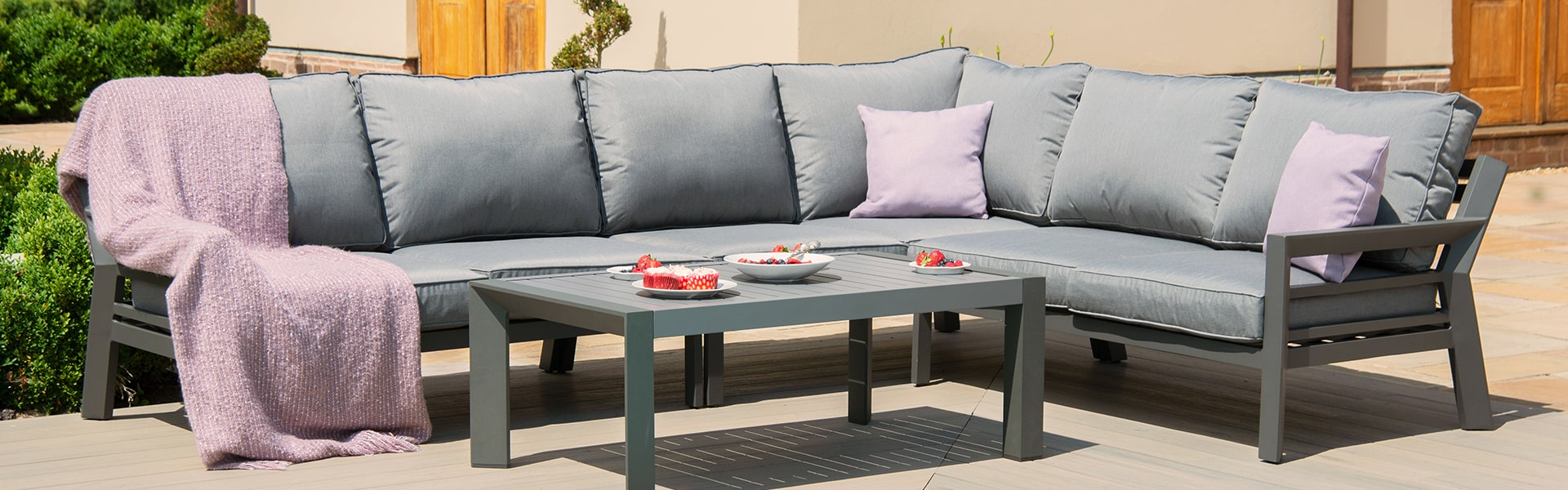
How can I maintain and care for my aluminum chairs to extend their lifespan?
To extend the lifespan of your aluminum chairs and keep them looking their best, it’s important to follow proper maintenance and care practices. Here are some tips to help you maintain and care for your aluminum chairs:
1. Regular Cleaning:
Clean your aluminum chairs regularly to remove dirt, dust, and other debris that can accumulate on the surface. Use a mild soap or detergent mixed with water and a soft cloth or sponge to gently clean the chairs. Avoid using abrasive cleaners or brushes that can scratch the aluminum surface.
2. Remove Stains:
If your aluminum chairs develop stains, such as from food or beverages, clean them as soon as possible to prevent the stains from setting in. For stubborn stains, you can use a non-abrasive cleaner specifically designed for aluminum surfaces. Follow the manufacturer’s instructions and rinse the chairs thoroughly after cleaning.
3. Protective Wax or Clear Coat:
Consider applying a protective wax or clear coat to the aluminum chairs to provide an additional layer of protection against the elements. These products can help maintain the chair’s finish and provide resistance to UV rays, moisture, and other environmental factors. Follow the manufacturer’s instructions when applying the protective coating.
4. Avoid Harsh Chemicals:
Avoid using harsh chemicals, solvents, or abrasive cleaners on your aluminum chairs, as they can damage the finish and surface of the chairs. This includes cleaners containing bleach, ammonia, or acidic ingredients. Stick to mild soaps or cleaners specifically formulated for use on aluminum surfaces.
5. Store Properly:
If you plan to store your aluminum chairs during the off-season or in inclement weather, it’s best to store them in a dry and well-ventilated area. Before storing, ensure the chairs are clean and completely dry to prevent moisture buildup, which can lead to corrosion. If possible, cover the chairs with a protective cover to shield them from dust and debris.
6. Inspect for Damage:
Regularly inspect your aluminum chairs for any signs of damage, such as dents, scratches, or loose joints. Promptly address any issues to prevent them from worsening. For minor scratches, you can use touch-up paint specifically designed for aluminum. For more significant damage or structural issues, consult the manufacturer or a professional for appropriate repair options.
By following these maintenance and care tips, you can help extend the lifespan of your aluminum chairs and keep them in excellent condition. It’s also important to refer to the manufacturer’s guidelines and recommendations for specific care instructions, as different chair designs and finishes may have specific requirements.

How do aluminum chairs compare to other materials like wood or plastic?
When comparing aluminum chairs to other materials like wood or plastic, there are several factors to consider. Here’s a detailed comparison:
1. Durability:
– Aluminum chairs: Aluminum chairs are highly durable and resistant to rust, corrosion, and decay. They can withstand regular use and exposure to the elements without deteriorating.
– Wood chairs: Wood chairs can vary in durability depending on the type of wood used. Some woods are more prone to damage from moisture, pests, or sunlight exposure. Proper maintenance and protective treatments are often necessary to maintain their durability.
– Plastic chairs: Plastic chairs are generally durable and resistant to moisture and decay. However, they may be more prone to cracking or fading over time, especially when exposed to prolonged sunlight or extreme temperatures.
2. Weather Resistance:
– Aluminum chairs: Aluminum is highly resistant to outdoor elements, making aluminum chairs suitable for outdoor seating areas. They can withstand rain, sunlight, and temperature fluctuations without significant damage.
– Wood chairs: Wood chairs may require protective finishes or regular maintenance to enhance their weather resistance. Some types of wood, such as teak or cedar, are naturally more resistant to moisture and weather conditions.
– Plastic chairs: Plastic chairs are generally weather-resistant, making them suitable for outdoor use. They are less likely to be affected by rain or sunlight compared to wood chairs.
3. Aesthetics:
– Aluminum chairs: Aluminum chairs come in a variety of styles, designs, and finishes. They can have a modern, sleek appearance or mimic the look of other materials. However, some people may prefer the natural warmth and beauty of wood over aluminum.
– Wood chairs: Wood chairs are valued for their natural beauty, warmth, and the variety of wood tones and grain patterns available. They can add a touch of elegance and sophistication to any space.
– Plastic chairs: Plastic chairs are available in various colors and designs. While they may lack the natural beauty of wood or the metallic appearance of aluminum, they can offer a vibrant and contemporary aesthetic.
4. Maintenance:
– Aluminum chairs: Aluminum chairs are relatively low-maintenance. They can be easily cleaned with a damp cloth or mild soap. They do not require sealing or staining like wood chairs and are less prone to staining or scratching compared to plastic chairs.
– Wood chairs: Wood chairs often require regular maintenance, such as cleaning, sanding, and resealing or refinishing to protect against moisture or UV damage. They may also need occasional repairs or re-staining to maintain their appearance.
– Plastic chairs: Plastic chairs are easy to clean and maintain. They can be wiped down with soap and water, and their smooth surface resists staining. However, they may show signs of wear or discoloration over time.
5. Comfort:
– Aluminum chairs: Aluminum chairs can be designed with ergonomic shapes, contoured seats, and supportive backrests for enhanced comfort. Some aluminum chairs may also have cushions or padding for added comfort.
– Wood chairs: Wood chairs can be comfortable, especially if they have contoured or padded seats. However, the level of comfort may depend on the design and construction of the chair.
– Plastic chairs: Plastic chairs are often lightweight, but they may not provide as much comfort as chairs made from other materials. They may lack ergonomic features or padding.
6. Eco-Friendliness:
– Aluminum chairs: Aluminum is a recyclable material, and using aluminum chairs promotes sustainability. They can be recycled and repurposed at the end of their lifecycle.
– Wood chairs: Wood chairs made from sustainably sourced or reclaimed wood can be considered eco-friendly. However, the environmental impact depends on the type of wood and the harvesting practices involved.
– Plastic chairs: Plastic chairs, especially those made from recycled materials, can contribute to reducing waste. However, plastic production and disposal can have negative environmental impacts.
Ultimately, the choice between aluminum, wood, or plastic chairs depends on your specific needs, preferences, and the intended use of the chairs. Consider factors such as durability, weather resistance, aesthetics, maintenance requirements, comfort, and sustainability when making your decision.
editor by CX 2023-11-27
China best New Nordic Furniture CHINAMFG Plastic Rattan Outdoor Dining Chair Stackable Parisian Bistro Chair supplier
Product Description
Projects And Customer Feedbacks
Our News On The Wall Street Journal
Products Description
| Product Name | New Nordic Furniture CHINAMFG Plastic Rattan Outdoor Dining Chair Stackable Parisian Bistro Chair |
| Item Number | CH-22191-K |
| Dimension | Standard size,SH450mm |
| Material | Aluminum frame + Plastic woven rattan |
| MOQ | 20pcs. |
| Color | Optional |
| Packing | K=K carton with plywood frame |
| Application | Bar/Restaurant/Cafe/Dining Room/Hotel/Home |
| Payment Term | T/T, Western Union, Paypal or negotiable |
Certification
Company Information
Serenity Made Co., Ltd is a modern furniture manufacturer based in HangZhou, ZheJiang , China. We specialize in providing dining chairs, bar stools, hotel chairs, cafe tables, dining tables and related products. Our products are exported to over 100 foreign countries and regions in Europe, America, Middle East, Australia and New Zealand, We focus primarily on restaurant, cafe and hotel commerical furniture project .Standing out from our competitors by focusing on A class quality and service, we are dedicated to offering you the best furniture with the best price.
Showroom
Production and Package
The advantages of our factory.
1.Low MOQ, we can accommodate your quantity, even if it is small.
2.OEM accepted, products can be made based on your requirements.
3.Good quality, we have very strict quality control.
4.Best price, we will give you the most competitive price.
5.Accurate delivery time, we will make sure the goods are delivered to you on time.
6.Good service, quick response, try our best to help.
7.Good English, Easy communication.
FAQ
(1) What is your MOQ?
Depends on the item, some are 50pc, some are 20pc.
(2) What is the loading port?
HangZhou, HangZhou.
(3) What is your payment term?
T/T or online transactions.
(4) What is your delivery time?
Manufacture takes about 30-45 days (depending on the complexity of the order) after the deposit has been received. Then shipping time depends on where you would like your products shipped to. Stocked items will be faster.
(5) Can i visit your factory?
Sure. We warmly welcome you to visit our factory. Please contact us to make an appointment.
(6) What’s your payment term?
Generally, our payment term is FOB or EXW. If you want to do CIF or CFR, we can quote for you. We require a 50% deposit prior to manufacture and the balance prior to shipping.
(7) Do you have the products in stock?
We have some in stock. Please enquire for what we have available.
(8) What are your warranty terms?
We provide a 1 year warranty for structure and workmanship.
(9) Can i order a sample from you?
Yes, we will charge double price for the sample with the excess put toward your main order when you place it.
(10) Can i use my own fabric or other materials?
Yes, please send the materials to our factory before the production. However, we are not responsible for the international delivery cost, any tax or delays caused by late arrival.
(11) How can I make a change or cancel my order?
Making a change to your order is only allowed before production. Once your order has been produced, the order cannot be cancelled or returned. If you require a small change, you may be charged extra according to the situation.
(12) How can I be certain the product is correct and up to standard?
Before we produce the products we will double check all the details with you. For large orders with minimal time restrictions we can make a sample first. If everything is correct, we will continue on to the production.
(13) How does your factory do quality control?
Our quality inspections will take place during each stage of the production process. Also, you are welcome to come to our factory to make an inspection before shipment. When you are satisfied with the product and make the payment, then we will make the shipment.
(14) What happens if my products are damaged?
If the products have been damaged during transportation from China to your destination, please take pictures and send the details to us. If you are concerned about damage occurring, we can purchase insurance for the shipping.
| Material: | Metal |
|---|---|
| Style: | European |
| Folded: | Unfolded |
| Usage: | Hotel, Dining Room, Outdoor, Restaurant |
| Condition: | New |
| Customized: | Customized |
| Samples: |
US$ 200/Piece
1 Piece(Min.Order) | |
|---|
| Customization: |
Available
|
|
|---|
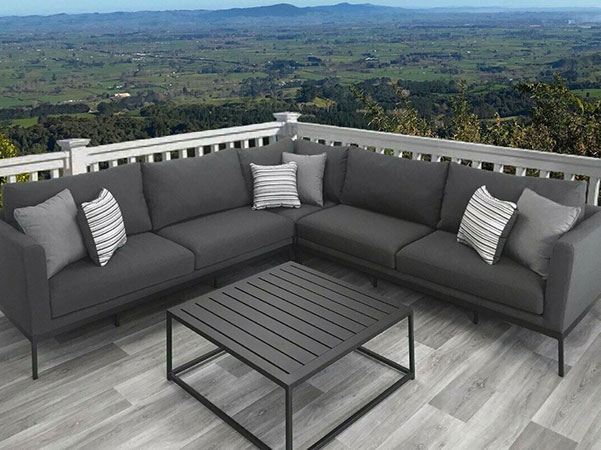
How do aluminum chairs enhance the overall aesthetics of indoor and outdoor spaces?
Aluminum chairs have the ability to enhance the overall aesthetics of both indoor and outdoor spaces. Their design, material properties, and versatility contribute to creating an appealing and cohesive environment. Here’s how aluminum chairs enhance the aesthetics of indoor and outdoor spaces:
1. Sleek and Modern Design:
Aluminum chairs often feature sleek and modern designs that add a contemporary touch to any space. They have clean lines, smooth surfaces, and minimalist profiles that create a visually appealing look. These chairs can complement a variety of interior design styles, from modern and industrial to minimalist and Scandinavian, adding a touch of sophistication and elegance to indoor spaces.
2. Range of Styles and Finishes:
Aluminum chairs come in a wide range of styles and finishes, allowing for customization and coordination with the existing decor. Whether you prefer a polished metallic look, a matte finish, or even vibrant colors, there are aluminum chair options to suit various design preferences. The availability of different styles and finishes enables you to choose chairs that seamlessly blend with the overall aesthetic of the space.
3. Visual Lightness:
Aluminum chairs have a visual lightness due to their lightweight nature and slender profiles. This lightness creates an open and airy atmosphere, making the space feel more spacious and inviting. In indoor settings, aluminum chairs can help create an uncluttered and modern ambiance. Outdoors, the visual lightness of aluminum chairs allows the natural surroundings to take focus, enhancing the overall aesthetic appeal of the outdoor space.
4. Contrast and Complement:
Aluminum chairs can be used to create visual contrast or complement other elements in the space. For instance, in indoor settings with wooden floors or tables, the sleek metallic finish of aluminum chairs can provide an interesting contrast that adds visual interest. Alternatively, aluminum chairs can be chosen to match or complement other metallic accents or materials present in the space, creating a cohesive and harmonious design scheme.
5. Indoor-Outdoor Continuity:
Aluminum chairs are versatile and can seamlessly transition between indoor and outdoor spaces. Using the same or similar aluminum chairs in both areas creates a sense of continuity and connection. This continuity enhances the overall aesthetic appeal of the space, as the design elements flow cohesively from one area to another. It also allows for a seamless transition for users, maintaining a consistent visual language throughout the environment.
6. Weather Resistance:
For outdoor spaces, aluminum chairs offer practical benefits in addition to aesthetics. Their weather-resistant properties make them suitable for use in various climates and outdoor environments. They can withstand exposure to sunlight, rain, and moisture without significant damage or color fading. The ability of aluminum chairs to maintain their appearance and quality over time contributes to the long-term aesthetics of outdoor spaces.
By incorporating aluminum chairs into indoor and outdoor spaces, you can enhance the overall aesthetics by introducing sleek and modern designs, coordinating styles and finishes, creating visual lightness, and achieving continuity and contrast. The versatility and weather-resistant properties of aluminum chairs further contribute to the long-lasting appeal of the spaces they occupy.
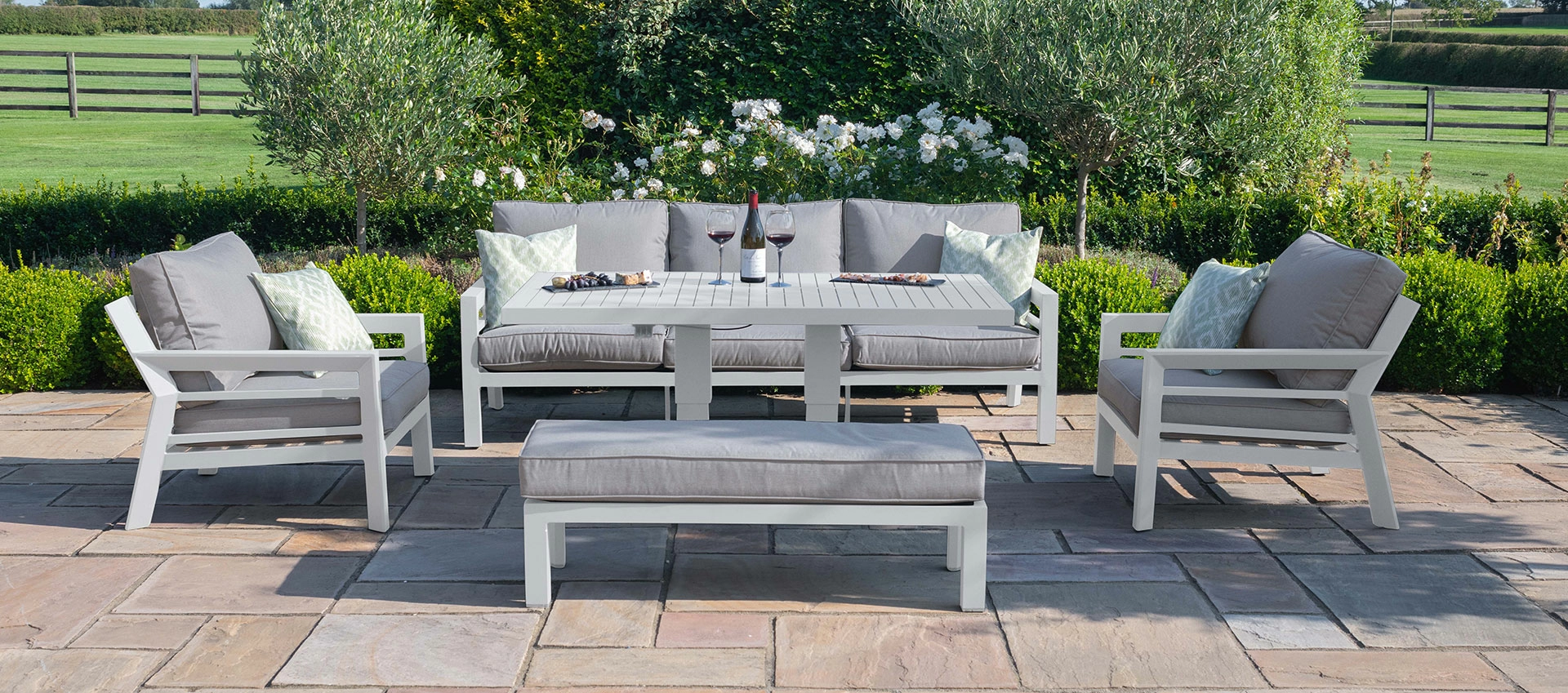
What types of cushions and fabrics pair well with aluminum chairs?
When it comes to pairing cushions and fabrics with aluminum chairs, several factors such as comfort, style, durability, and weather resistance should be considered. Here are some types of cushions and fabrics that pair well with aluminum chairs:
1. All-Weather Fabrics:
All-weather fabrics are specifically designed to withstand outdoor conditions, making them an excellent choice for aluminum chairs. These fabrics are typically made from durable materials such as solution-dyed acrylic, polyester, or vinyl. They are resistant to fading, mildew, and moisture, making them suitable for outdoor use where the chairs are exposed to sun, rain, and other weather elements.
2. Sunbrella:
Sunbrella is a well-known brand of performance fabric that is highly recommended for outdoor furniture, including aluminum chairs. Sunbrella fabrics are made from solution-dyed acrylic fibers, which provide excellent resistance to fading, stains, and mildew. They are also easy to clean and maintain, making them a popular choice for outdoor cushions.
3. Outdoor Cushion Foam:
When choosing cushions for aluminum chairs, consider selecting cushions with outdoor-rated foam. Outdoor cushion foam is designed to withstand moisture and provide optimal comfort and support. It is usually made from quick-drying and mold-resistant materials that can withstand exposure to rain or humidity.
4. Water-Resistant Cushion Covers:
Opt for cushion covers that are water-resistant to protect the cushions from moisture and allow for easy cleaning. Look for covers made from water-resistant fabrics or those treated with a water-repellent finish. These covers can help prevent water from seeping into the cushions and prolong their lifespan.
5. Color and Design:
Consider the color and design of the cushions to complement the style of your aluminum chairs and the overall outdoor space. Neutral tones and earthy colors are versatile options that can blend well with various chair finishes. However, feel free to choose vibrant or patterned cushions to add a pop of color or create a focal point.
6. Removable and Washable:
Look for cushions with removable covers that are machine washable or easy to clean. This allows for convenient maintenance and ensures that your cushions stay fresh and free from stains or dirt buildup.
It’s important to note that the choice of cushions and fabrics for aluminum chairs ultimately depends on personal preferences, intended use, and the specific environment in which the chairs will be placed. Consider your climate, the level of sun exposure, and the overall design aesthetic to find the perfect combination of cushions and fabrics that will enhance the comfort and style of your aluminum chairs.
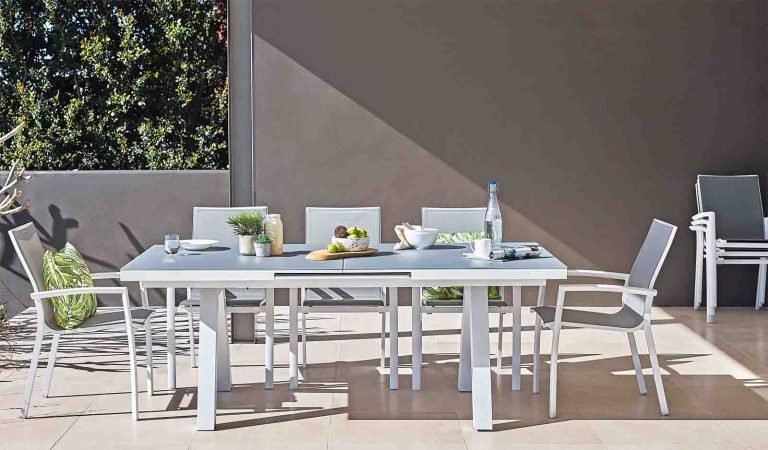
What are the benefits of using aluminum chairs for indoor and outdoor seating?
Using aluminum chairs for indoor and outdoor seating provides several benefits. Here’s a detailed explanation:
1. Lightweight and Portable: Aluminum chairs are lightweight, making them easy to move and transport. Whether you need to rearrange seating in your living room or set up additional seating for a gathering in your backyard, the lightweight nature of aluminum chairs allows for effortless mobility.
2. Durability: Aluminum chairs are known for their durability. The material is resistant to rust, corrosion, and decay, ensuring that the chairs can withstand regular use and exposure to the elements. This durability makes aluminum chairs a long-lasting seating option for both indoor and outdoor environments.
3. Weather Resistance: Aluminum is highly resistant to outdoor elements, such as rain, sunlight, and temperature fluctuations. This makes aluminum chairs suitable for outdoor seating areas, such as patios or gardens, where they can withstand various weather conditions without deteriorating or losing their structural integrity.
4. Easy Maintenance: Aluminum chairs are relatively low-maintenance. They can be easily cleaned with a damp cloth or mild soap, and they do not require sealing or staining like some other seating materials. This ease of maintenance saves time and effort, allowing you to focus on enjoying the seating areas rather than spending excessive time on upkeep.
5. Variety of Styles: Aluminum chairs come in a wide range of styles, designs, and finishes, allowing you to find chairs that match your indoor or outdoor decor. Whether you prefer modern and sleek designs, classic and traditional styles, or something in between, there are aluminum chairs available to suit your aesthetic preferences.
6. Comfort: Many aluminum chairs are designed with comfort in mind. They often feature ergonomic shapes, contoured seats, and supportive backrests. Some chairs may also have cushions or padding for added comfort during extended sitting periods. The comfort provided by aluminum chairs enhances the overall seating experience, whether indoors or outdoors.
7. Space Efficiency: Aluminum chairs are often designed with space efficiency in mind. They may feature stackable, folding, or nesting capabilities, allowing you to save space when the chairs are not in use. This is particularly beneficial in areas with limited space or when you need to store the chairs during certain times of the year.
8. Versatility: Aluminum chairs are versatile and can be used in various indoor and outdoor settings. Whether it’s a dining room, kitchen, patio, garden, or terrace, aluminum chairs can adapt to different environments and complement different styles of decor. This versatility makes them a practical seating option for a wide range of spaces.
9. Affordability: Aluminum chairs are often more affordable compared to other seating materials, such as wood or metal. This makes them a cost-effective choice, whether you need seating for a small gathering or outfitting a larger space. The affordability of aluminum chairs allows you to stay within your budget without compromising on quality or style.
10. Sustainability: Aluminum is a recyclable material, and using aluminum chairs promotes sustainability. When the chairs reach the end of their lifecycle, they can be recycled and repurposed rather than ending up in landfills. Choosing aluminum chairs for indoor and outdoor seating aligns with environmentally conscious practices.
By using aluminum chairs for both indoor and outdoor seating, you can benefit from their lightweight and portable nature, durability, weather resistance, easy maintenance, variety of styles, comfort, space efficiency, versatility, affordability, and sustainability. These chairs provide practical and functional seating solutions that enhance the overall comfort and aesthetics of your living spaces.
editor by CX 2023-11-27
China Good quality CHINAMFG Air Compressor Ga18screw Air Compressor air compressor CHINAMFG freight
Product Description
CHINAMFG compressor GXe7air compressor
air compressor CHINAMFG twin CHINAMFG GX4
screw air compressor CHINAMFG air compressorGX5compressor
Atlas Copco air compressor CHINAMFG twin CHINAMFG CHINAMFG GA11air compressor
screw air compressor CHINAMFG twin CHINAMFG GA7VSD CHINAMFG compressor
air compressor CHINAMFG compressor GA7VSD-GA110VSD+FF screw air compressor
Product Description
Technical parameters GA11+-30
| Model No | Working pressure | Flow FAD | Motor Power | Noise | Weight(kg) | L ( mm) |
W (mm) |
H (mm) |
||||
| On site type | Omnipotent type | l/s | m3/min | kw | dB(A) | On site type | Omnipotent type | |||||
| GA11+ | 7.5 8.5 10 13 |
7.5 8.5 10 13 |
7.3 8.3 9.8 12.8 |
35.8 33.8 30.3 25.2 |
2.1 2.0 1.8 1.5 |
11 11 11 11 |
63 63 63 63 |
410 410 410 410 |
455 455 455 455 |
1255 1255 1255 1255 |
692 692 692 692 |
1475 1475 1475 1475 |
| GA15+ | 7.5 8.5 10 13 |
7.5 8.5 10 13 |
7.3 8.3 9.8 12.8 |
46.9 43.8 39.8 32.8 |
2.8 2.6 2.4 2.0 |
15 15 15 15 |
64 64 64 64 |
420 420 420 420 |
470 470 470 470 |
1255 1255 1255 1255 |
692 692 692 692 |
1475 1475 1475 1475 |
| GA18+ | 7.5 8.5 10 13 |
7.5 8.5 10 13 |
7.3 8.3 9.8 12.8 |
58.1 54.3 48.7 41.1 |
3.5 3.3 2.9 2.5 |
18 18 18 18 |
65 65 65 65 |
440 440 440 440 |
500 500 500 500 |
1255 1255 1255 1255 |
692 692 692 692 |
1475 1475 1475 1475 |
| GA22+ | 7.5 8.5 10 13 |
7.5 8.5 10 13 |
7.3 8.3 9.8 12.8 |
68.2 64.5 58.1 50.7 |
4.1 3.9 3.5 3.0 |
22 22 22 22 |
66 66 66 66 |
455 455 455 455 |
515 515 515 515 |
1255 1255 1255 1255 |
692 692 692 692 |
1475 1475 1475 1475 |
| GA26+ | 7.5 8.5 10 13 |
7.5 8.5 10 13 |
7.3 8.3 9.8 12.8 |
79.8 76.2 69.3 60.1 |
4.8 4.6 4.2 3.6 |
26 26 26 26 |
67 67 67 67 |
525 525 525 525 |
595 595 595 595 |
1255 1255 1255 1255 |
865 865 865 865 |
1475 1475 1475 1475 |
| GA30+ | 7.5 8.5 10 13 |
7.5 8.5 10 13 |
7.3 8.3 9.8 12.8 |
90.0 86.4 79.8 68.7 |
5.4 5.2 4.8 4.1 |
30 30 30 30 |
68 68 68 68 |
540 540 540 540 |
610 610 610 610 |
1255 1255 1255 1255 |
865 865 865 865 |
1475 1475 1475 1475 |
We are distributer of atlas copco, we could provide whole product line of
Atlas Copco air compressors , spare parts and consumables. we are also certified supplier by international authoritative certification organizations.
Kindly advise your technical requirements, we will recommend suitable compressed air system and spare parts for you .
We can provide CHINAMFG One-Stop Service,and efficient energy – saving solutions for you .
InnovationUnlike the horizontal design that wastes space, the upright design of the GA7110VSD+ series occupies a smaller area and saves space and work space to a greater extent. Its maintenance is simple, the manufacturing time is shorter, and the input cost is greatly reduced.
EfficientCompared with the existing GA VSD series air compressors, the average specific power (SER) is reduced by 8%. The efficient VSD-series models save an average of 50% energy compared to fixed speed drive air compressors. Energy saving, FAD increased by 6% in the whole range. IE4 High Efficiency Motor (IPM).
Air compressors can be used in various industries such as Industrial equipment, printing service, pipelines,power plants, oil&gas, oil refinery, coating, painting,plastics, steel industry, rubber, mechanical, blow molding, color sorter machine, shipyard, sandblasting, metallurg,etc.Different industries correspond to different air compressors, kindly please send me your application areas and specific conditions, then will recommend the most suitable products for you .
Certifications
Packaging & Shipping
pack your goods?
There is 3 kinds of ways to packed the goods, which depends on your requirement
1. Original wooden box packaging of the entire compressor equipment
2. Packed with your design package
3. Packed with our blank package, below is the example for referenc
FAQ
Atlas Copco Compressor FAQ
Q1: How can I get the quotation?
A: you can advise us the part number for checking, and we will quote to you soon by email
Q2: What kind of ways for transportation ?
A:In general by air, sea or Express.(like DHL,Fedex,TNT,etc.)
Q3: If i want to change model,size,package,etc. How can I do?
A:You can contact us by or mail, and we will revise according to your requirement
Q4: How do I know the quality of productions?
A:We have a strict series of quality control, and we have perfect after service system, which can help you to solve the problem soon
Q5: What is the terms of payment ?
A:WeChat, Alipay,T/T, Western Union, paypal
| Lubrication Style: | Lubricated |
|---|---|
| Cooling System: | Air Cooling |
| Power Source: | AC Power |
| Cylinder Position: | Horizontal |
| Structure Type: | Closed Type |
| Installation Type: | Stationary Type |
| Samples: |
US$ 7000/Piece
1 Piece(Min.Order) | |
|---|
| Customization: |
Available
|
|
|---|
.webp)
What role do air dryers play in compressed air systems?
Air dryers play a crucial role in compressed air systems by removing moisture and contaminants from the compressed air. Compressed air, when generated, contains water vapor from the ambient air, which can condense and cause issues in the system and end-use applications. Here’s an overview of the role air dryers play in compressed air systems:
1. Moisture Removal:
Air dryers are primarily responsible for removing moisture from the compressed air. Moisture in compressed air can lead to problems such as corrosion in the system, damage to pneumatic tools and equipment, and compromised product quality in manufacturing processes. Air dryers utilize various techniques, such as refrigeration, adsorption, or membrane separation, to reduce the dew point of the compressed air and eliminate moisture.
2. Contaminant Removal:
In addition to moisture, compressed air can also contain contaminants like oil, dirt, and particles. Air dryers help in removing these contaminants to ensure clean and high-quality compressed air. Depending on the type of air dryer, additional filtration mechanisms may be incorporated to enhance the removal of oil, particulates, and other impurities from the compressed air stream.
3. Protection of Equipment and Processes:
By removing moisture and contaminants, air dryers help protect the downstream equipment and processes that rely on compressed air. Moisture and contaminants can negatively impact the performance, reliability, and lifespan of pneumatic tools, machinery, and instrumentation. Air dryers ensure that the compressed air supplied to these components is clean, dry, and free from harmful substances, minimizing the risk of damage and operational issues.
4. Improved Productivity and Efficiency:
Utilizing air dryers in compressed air systems can lead to improved productivity and efficiency. Dry and clean compressed air reduces the likelihood of equipment failures, downtime, and maintenance requirements. It also prevents issues such as clogging of air lines, malfunctioning of pneumatic components, and inconsistent performance of processes. By maintaining the quality of compressed air, air dryers contribute to uninterrupted operations, optimized productivity, and cost savings.
5. Compliance with Standards and Specifications:
Many industries and applications have specific standards and specifications for the quality of compressed air. Air dryers play a vital role in meeting these requirements by ensuring that the compressed air meets the desired quality standards. This is particularly important in industries such as food and beverage, pharmaceuticals, electronics, and automotive, where clean and dry compressed air is essential for product integrity, safety, and regulatory compliance.
By incorporating air dryers into compressed air systems, users can effectively control moisture and contaminants, protect equipment and processes, enhance productivity, and meet the necessary quality standards for their specific applications.
.webp)
How do you troubleshoot common air compressor problems?
Troubleshooting common air compressor problems can help identify and resolve issues that may affect the performance and functionality of the compressor. Here are some steps to troubleshoot common air compressor problems:
1. No Power:
- Check the power source and ensure the compressor is properly plugged in.
- Inspect the circuit breaker or fuse box to ensure it hasn’t tripped or blown.
- Verify that the compressor’s power switch or control panel is turned on.
2. Low Air Pressure:
- Check the air pressure gauge on the compressor. If the pressure is below the desired level, the compressor might not be building up enough pressure.
- Inspect for air leaks in the system. Leaks can cause a drop in pressure. Listen for hissing sounds or use a soapy water solution to identify the location of leaks.
- Ensure the compressor’s intake filter is clean and not clogged, as this can restrict airflow and reduce pressure.
3. Excessive Noise or Vibration:
- Inspect the compressor’s mounting and foundation to ensure it is secure and stable. Loose mounts can cause excessive noise and vibration.
- Check for loose or damaged components, such as belts, pulleys, or motor mounts. Tighten or replace as necessary.
- Verify that the compressor’s cooling system, such as the fan or fins, is clean and free from obstructions. Overheating can lead to increased noise and vibration.
4. Air Leaks:
- Inspect all connections, valves, fittings, and hoses for leaks. Tighten or replace any loose or damaged components.
- Apply a soapy water solution to suspected areas and look for bubbles. Bubbles indicate air leaks.
- Consider using thread sealant or Teflon tape on threaded connections to ensure a proper seal.
5. Excessive Moisture in Compressed Air:
- Check the compressor’s drain valve and ensure it is functioning properly. Open the valve to release any accumulated moisture.
- Inspect and clean the compressor’s moisture separator or air dryer, if equipped.
- Consider installing additional filtration or drying equipment to remove moisture from the compressed air system.
6. Motor Overheating:
- Ensure the compressor’s cooling system is clean and unobstructed.
- Check the motor’s air intake vents and clean any dust or debris that may be blocking airflow.
- Verify that the compressor is not being operated in an excessively hot environment.
- Check the motor’s lubrication levels and ensure they are within the manufacturer’s recommended range.
- Consider using a thermal overload protector to prevent the motor from overheating.
If troubleshooting these common problems does not resolve the issue, it may be necessary to consult the manufacturer’s manual or seek assistance from a qualified technician. Regular maintenance, such as cleaning, lubrication, and inspection, can also help prevent common problems and ensure the optimal performance of the air compressor.
.webp)
How is air pressure measured in air compressors?
Air pressure in air compressors is typically measured using one of two common units: pounds per square inch (PSI) or bar. Here’s a brief explanation of how air pressure is measured in air compressors:
1. Pounds per Square Inch (PSI): PSI is the most widely used unit of pressure measurement in air compressors, especially in North America. It represents the force exerted by one pound of force over an area of one square inch. Air pressure gauges on air compressors often display pressure readings in PSI, allowing users to monitor and adjust the pressure accordingly.
2. Bar: Bar is another unit of pressure commonly used in air compressors, particularly in Europe and many other parts of the world. It is a metric unit of pressure equal to 100,000 pascals (Pa). Air compressors may have pressure gauges that display readings in bar, providing an alternative measurement option for users in those regions.
To measure air pressure in an air compressor, a pressure gauge is typically installed on the compressor’s outlet or receiver tank. The gauge is designed to measure the force exerted by the compressed air and display the reading in the specified unit, such as PSI or bar.
It’s important to note that the air pressure indicated on the gauge represents the pressure at a specific point in the air compressor system, typically at the outlet or tank. The actual pressure experienced at the point of use may vary due to factors such as pressure drop in the air lines or restrictions caused by fittings and tools.
When using an air compressor, it is essential to set the pressure to the appropriate level required for the specific application. Different tools and equipment have different pressure requirements, and exceeding the recommended pressure can lead to damage or unsafe operation. Most air compressors allow users to adjust the pressure output using a pressure regulator or similar control mechanism.
Regular monitoring of the air pressure in an air compressor is crucial to ensure optimal performance, efficiency, and safe operation. By understanding the units of measurement and using pressure gauges appropriately, users can maintain the desired air pressure levels in their air compressor systems.


editor by CX 2023-11-21
China Professional Factory CE TUV ISO Screw Air Compressor Industrial 7.5kw 11kw 15kw 8bar 10bar 12bar High Efficiency Energy Saving Air CHINAMFG lowes air compressor
Product Description
Product Description
Product Application
LG series vertical type screw air compressor widely used in textile, spraying, chemical, food, electronic, medical,
railway, building materials and industries.
Main Features
1.Supporting large rotor, low speed and high quality main engine, high efficiency, low noise, long life, especially suitable for
low noise working occasions.
2.External oil and gas separation core, rated flow is much larger than exhaust, good oil effect, long service life, easy
maintenance.
3.Supporting imported brand air and oil filters to provide the best protection for the nose.
4.Microcomputer control, complete control and protection functions, data settings adjustment, fault inquiry convenient, realize unattended.
Product Parameters
|
Model |
LG7EZ |
LG11EZ |
LG22EZ |
LG37EZ |
LG55EZ |
LG75EZ |
|
Air Displacement(m3/min) |
1.15 |
1.65 |
3.6 |
6.1 |
10.2 |
13.5 |
|
Working Pressure(bar) |
8 |
8 |
8 |
8 |
8 |
8 |
|
Compression stage |
1 |
1 |
1 |
1 |
1 |
1 |
|
Motor Model |
Y2-132S2-2 |
Y2-132M-2 |
LY-160L-2 |
LY-180L-2 |
Y2-225M-2 |
Y2-250M-2 |
|
Motor power(kw) |
7.5 |
11 |
22 |
37 |
55 |
75 |
|
Rotate speed(rpm) |
2950 |
2950 |
2950 |
2950 |
2950 |
2950 |
|
Voltage(V/P/Hz) |
380/3/50 |
380/3/50 |
380/3/50 |
380/3/50 |
380/3/50 |
380/3/50 |
|
Start method |
Y-Δ |
Directly |
Y-Δ |
Y-Δ |
Y-Δ |
Y-Δ |
|
Transfer method |
Direct-driven |
Direct-driven |
Direct-driven |
Direct-driven |
Direct-driven |
Direct-driven |
|
Connector size |
3/4″ |
3/4″ |
1″ |
11/2″ |
|
|
|
Cooling method |
Air Cooling |
Air Cooling |
Air Cooling |
Air Cooling |
Air Cooling |
Air Cooling |
|
Dimension(L*W*H)mm |
800*520*840 |
1571*640*865 |
1300*750*1200 |
1300*880*1250 |
1600*970 |
1750*1030 |
|
*1450 |
*1450 |
|||||
|
Weight(kg) |
200 |
300 |
550 |
750 |
1300 |
1600 |
Detailed Photos
Packaging & Shipping
Company Profile
After Sales Service
1.24/7 after sales service support in different languages.
2.Follow up the feedback of products in 2 months interval by email or call.
3.Guidance of installation and commissioning on site can be provided by factory-trained technicians or local Authorized Service Center.
4.Technical training for customers in our partner factory or working site.
5.Plenty of original spare parts with proven quality are all available from our central stocks.
6.All kinds of technical documents in different languages.
FAQ
Q1: Are you factory or trade company?
A1: We are factory. And we have ourselves trading company.
Q2: Warranty terms of your machine?
A2: One year warranty for the machine and technical support according to your needs.
Q3: Will you provide some spare parts of the machines?
A3: Yes, of course.
Q4: What about the voltage of products??Can they be customized?
A4: Yes, of course. The voltage can be customized according to your equirement.
Q5: How long will you take to arrange production?
A5: 380V 50HZ we can delivery the goods within 7-15 days. Other electricity or other color we will delivery within 20-30 days.
Q6: Can you accept OEM orders?
A6: Yes, with professional design team, OEM orders are highly welcome.
Q7 Which trade term can you accept?
A7: Available trade terms: FOB, CIF, CFR, EXW, CPT, etc.
| After-sales Service: | 24 Hours Online Service |
|---|---|
| Warranty: | 1 Year |
| Lubrication Style: | Lubricated |
| Cooling System: | Air Cooling |
| Power Source: | AC Power |
| Structure Type: | Closed Type |
.webp)
What are the energy-saving technologies available for air compressors?
There are several energy-saving technologies available for air compressors that help improve their efficiency and reduce energy consumption. These technologies aim to optimize the operation of air compressors and minimize energy losses. Here are some common energy-saving technologies used:
1. Variable Speed Drive (VSD) Compressors:
VSD compressors are designed to adjust the motor speed according to the compressed air demand. By varying the motor speed, these compressors can match the output to the actual air requirement, resulting in energy savings. VSD compressors are particularly effective in applications with varying air demands, as they can operate at lower speeds during periods of lower demand, reducing energy consumption.
2. Energy-Efficient Motors:
The use of energy-efficient motors in air compressors can contribute to energy savings. High-efficiency motors, such as those with premium efficiency ratings, are designed to minimize energy losses and operate more efficiently than standard motors. By using energy-efficient motors, air compressors can reduce energy consumption and achieve higher overall system efficiency.
3. Heat Recovery Systems:
Air compressors generate a significant amount of heat during operation. Heat recovery systems capture and utilize this wasted heat for other purposes, such as space heating, water heating, or preheating process air or water. By recovering and utilizing the heat, air compressors can provide additional energy savings and improve overall system efficiency.
4. Air Receiver Tanks:
Air receiver tanks are used to store compressed air and provide a buffer during periods of fluctuating demand. By using appropriately sized air receiver tanks, the compressed air system can operate more efficiently. The tanks help reduce the number of starts and stops of the air compressor, allowing it to run at full load for longer periods, which is more energy-efficient than frequent cycling.
5. System Control and Automation:
Implementing advanced control and automation systems can optimize the operation of air compressors. These systems monitor and adjust the compressed air system based on demand, ensuring that only the required amount of air is produced. By maintaining optimal system pressure, minimizing leaks, and reducing unnecessary air production, control and automation systems help achieve energy savings.
6. Leak Detection and Repair:
Air leaks in compressed air systems can lead to significant energy losses. Regular leak detection and repair programs help identify and fix air leaks promptly. By minimizing air leakage, the demand on the air compressor is reduced, resulting in energy savings. Utilizing ultrasonic leak detection devices can help locate and repair leaks more efficiently.
7. System Optimization and Maintenance:
Proper system optimization and routine maintenance are essential for energy savings in air compressors. This includes regular cleaning and replacement of air filters, optimizing air pressure settings, ensuring proper lubrication, and conducting preventive maintenance to keep the system running at peak efficiency.
By implementing these energy-saving technologies and practices, air compressor systems can achieve significant energy efficiency improvements, reduce operational costs, and minimize environmental impact.
How do you troubleshoot common air compressor problems?
Troubleshooting common air compressor problems can help identify and resolve issues that may affect the performance and functionality of the compressor. Here are some steps to troubleshoot common air compressor problems:
1. No Power:
- Check the power source and ensure the compressor is properly plugged in.
- Inspect the circuit breaker or fuse box to ensure it hasn’t tripped or blown.
- Verify that the compressor’s power switch or control panel is turned on.
2. Low Air Pressure:
- Check the air pressure gauge on the compressor. If the pressure is below the desired level, the compressor might not be building up enough pressure.
- Inspect for air leaks in the system. Leaks can cause a drop in pressure. Listen for hissing sounds or use a soapy water solution to identify the location of leaks.
- Ensure the compressor’s intake filter is clean and not clogged, as this can restrict airflow and reduce pressure.
3. Excessive Noise or Vibration:
- Inspect the compressor’s mounting and foundation to ensure it is secure and stable. Loose mounts can cause excessive noise and vibration.
- Check for loose or damaged components, such as belts, pulleys, or motor mounts. Tighten or replace as necessary.
- Verify that the compressor’s cooling system, such as the fan or fins, is clean and free from obstructions. Overheating can lead to increased noise and vibration.
4. Air Leaks:
- Inspect all connections, valves, fittings, and hoses for leaks. Tighten or replace any loose or damaged components.
- Apply a soapy water solution to suspected areas and look for bubbles. Bubbles indicate air leaks.
- Consider using thread sealant or Teflon tape on threaded connections to ensure a proper seal.
5. Excessive Moisture in Compressed Air:
- Check the compressor’s drain valve and ensure it is functioning properly. Open the valve to release any accumulated moisture.
- Inspect and clean the compressor’s moisture separator or air dryer, if equipped.
- Consider installing additional filtration or drying equipment to remove moisture from the compressed air system.
6. Motor Overheating:
- Ensure the compressor’s cooling system is clean and unobstructed.
- Check the motor’s air intake vents and clean any dust or debris that may be blocking airflow.
- Verify that the compressor is not being operated in an excessively hot environment.
- Check the motor’s lubrication levels and ensure they are within the manufacturer’s recommended range.
- Consider using a thermal overload protector to prevent the motor from overheating.
If troubleshooting these common problems does not resolve the issue, it may be necessary to consult the manufacturer’s manual or seek assistance from a qualified technician. Regular maintenance, such as cleaning, lubrication, and inspection, can also help prevent common problems and ensure the optimal performance of the air compressor.
.webp)
What is the difference between a piston and rotary screw compressor?
Piston compressors and rotary screw compressors are two common types of air compressors with distinct differences in their design and operation. Here’s a detailed explanation of the differences between these two compressor types:
1. Operating Principle:
- Piston Compressors: Piston compressors, also known as reciprocating compressors, use one or more pistons driven by a crankshaft to compress air. The piston moves up and down within a cylinder, creating a vacuum during the intake stroke and compressing the air during the compression stroke.
- Rotary Screw Compressors: Rotary screw compressors utilize two intermeshing screws (rotors) to compress air. As the male and female screws rotate, the air is trapped between them and gradually compressed as it moves along the screw threads.
2. Compression Method:
- Piston Compressors: Piston compressors achieve compression through a positive displacement process. The air is drawn into the cylinder and compressed as the piston moves back and forth. The compression is intermittent, occurring in discrete cycles.
- Rotary Screw Compressors: Rotary screw compressors also employ a positive displacement method. The compression is continuous as the rotating screws create a continuous flow of air and compress it gradually as it moves along the screw threads.
3. Efficiency:
- Piston Compressors: Piston compressors are known for their high efficiency at lower flow rates and higher pressures. They are well-suited for applications that require intermittent or variable air demand.
- Rotary Screw Compressors: Rotary screw compressors are highly efficient for continuous operation and are designed to handle higher flow rates. They are often used in applications with a constant or steady air demand.
4. Noise Level:
- Piston Compressors: Piston compressors tend to generate more noise during operation due to the reciprocating motion of the pistons and valves.
- Rotary Screw Compressors: Rotary screw compressors are generally quieter in operation compared to piston compressors. The smooth rotation of the screws contributes to reduced noise levels.
5. Maintenance:
- Piston Compressors: Piston compressors typically require more frequent maintenance due to the higher number of moving parts, such as pistons, valves, and rings.
- Rotary Screw Compressors: Rotary screw compressors have fewer moving parts, resulting in lower maintenance requirements. They often have longer service intervals and can operate continuously for extended periods without significant maintenance.
6. Size and Portability:
- Piston Compressors: Piston compressors are available in both smaller portable models and larger stationary units. Portable piston compressors are commonly used in construction, automotive, and DIY applications.
- Rotary Screw Compressors: Rotary screw compressors are typically larger and more suitable for stationary installations in industrial and commercial settings. They are less commonly used in portable applications.
These are some of the key differences between piston compressors and rotary screw compressors. The choice between the two depends on factors such as required flow rate, pressure, duty cycle, efficiency, noise level, maintenance needs, and specific application requirements.
editor by CX 2023-11-21
China best Medical Equipment Dental Air Compressor Oil Free 12v air compressor
Product Description
Medical silent Oilless Dental Oil Free Air Compressor unit
| Voltage | 110V~240V, 50Hz/60Hz |
| Power | 600W |
| Speed | 1400-1500RPM |
| Airflow | 118L/min |
| Noise | 52dB |
| Tank | 24L |
| Pressure | 8Bar |
| N.W | 24Kgs |
| Dimension | 41*41*55cm |
Features:
1. Ultra-quiet: The sound is very low when the air compressor is working to meet all requirements for indoor use.
2. Ultra-clean: Pure oil-free design, original oil lubricated piston system, high efficiency, low loss, ultra-clean exhaust gas, to meet the needs of the equipment, and protect the safety of the operator, so far as to response to the “green” global call.
3. Anti-rust coating: Inside the gas tank has rust, anti-bacterial treatment, to ensure gas cleanliness and product safety.
4. Low energy consumption: Pressure and gas production take on the CHINAMFG ratio, under the conditions of the least energy consumption fastest output up to the gas source, and automated design for starting and stopping , not only save power, the more you do not need worry.
5. Technology: cylinder liner system exclusive development of nano-coating technology to abandon ordinary oil-free material manufacturers, quieter, cleaner, longer life, to meet the more demanding areas, such as food, medicine industry.
6. Dry sterilization: Special double vacuum drying and filtration equipment, not just the removal of particulate impurities, little more than a sterilization effect, to meet the supply of high purity gas source and protect the user equipment.
7. Safety in Use: The machine is equipped with multiple automatic protection system, when use
environment voltage, pressure or current any exception will automatically shut down to protect the safety of equipment and personal.
8. Easy to use: Electrical connection with automated design, working without staff on duty; pressure can be adjusted freely according to requirements, without complicated maintenance, just regular water supply and drainage.
Stylish.
9. Appearance: Greeloy Medical Air Compressor have fashion design, good performance and practical, regulate the operation of the working life of 20,000 hours or more; various design are the industry’s top engineers for natural Thatcher.
| Type: | Oil Free Air Comperssor |
|---|---|
| Material: | Metal |
| Applicable Departments: | Oral Rehabilitation Department |
| Certification: | CE |
| Kind: | Needle & Hook |
| Voltage: | 110V – 240V, 50Hz/60Hz |
| Samples: |
US$ 196/Piece
1 Piece(Min.Order) | |
|---|
| Customization: |
Available
|
|
|---|
.webp)
Can air compressors be used for gas compression and storage?
Yes, air compressors can be used for gas compression and storage. While air compressors are commonly used to compress and store air, they can also be utilized for compressing and storing other gases, depending on the specific application requirements. Here’s how air compressors can be used for gas compression and storage:
Gas Compression:
Air compressors can compress various gases by utilizing the same principles applied to compressing air. The compressor takes in the gas at a certain pressure, and through the compression process, it increases the pressure and reduces the volume of the gas. This compressed gas can then be used for different purposes, such as in industrial processes, gas pipelines, or storage systems.
Gas Storage:
Air compressors can also be used for gas storage by compressing the gas into storage vessels or tanks. The compressed gas is stored at high pressure within these vessels until it is needed for use. Gas storage is commonly employed in industries where a continuous and reliable supply of gas is required, such as in natural gas storage facilities or for storing compressed natural gas (CNG) used as a fuel for vehicles.
Gas Types:
While air compressors are primarily designed for compressing air, they can be adapted to handle various gases, including but not limited to:
- Nitrogen
- Oxygen
- Hydrogen
- Carbon dioxide
- Natural gas
- Refrigerant gases
It’s important to note that when using air compressors for gas compression and storage, certain considerations must be taken into account. These include compatibility of the compressor materials with the specific gas being compressed, ensuring proper sealing to prevent gas leaks, and adhering to safety regulations and guidelines for handling and storing compressed gases.
By leveraging the capabilities of air compressors, it is possible to compress and store gases efficiently, providing a reliable supply for various industrial, commercial, and residential applications.
How do you choose the right air compressor for woodworking?
Choosing the right air compressor for woodworking is essential to ensure efficient and effective operation of pneumatic tools and equipment. Here are some factors to consider when selecting an air compressor for woodworking:
1. Required Air Volume (CFM):
Determine the required air volume or cubic feet per minute (CFM) for your woodworking tools and equipment. Different tools have varying CFM requirements, so it is crucial to choose an air compressor that can deliver the required CFM to power your tools effectively. Make sure to consider the highest CFM requirement among the tools you’ll be using simultaneously.
2. Tank Size:
Consider the tank size of the air compressor. A larger tank allows for more stored air, which can be beneficial when using tools that require short bursts of high air volume. It helps maintain a consistent air supply and reduces the frequency of the compressor cycling on and off. However, if you have tools with continuous high CFM demands, a larger tank may not be as critical.
3. Maximum Pressure (PSI):
Check the maximum pressure (PSI) rating of the air compressor. Woodworking tools typically operate within a specific PSI range, so ensure that the compressor can provide the required pressure. It is advisable to choose an air compressor with a higher maximum PSI rating to accommodate any future tool upgrades or changes in your woodworking needs.
4. Noise Level:
Consider the noise level of the air compressor, especially if you’ll be using it in a residential or shared workspace. Some air compressors have noise-reducing features or are designed to operate quietly, making them more suitable for woodworking environments where noise control is important.
5. Portability:
Assess the portability requirements of your woodworking projects. If you need to move the air compressor frequently or work in different locations, a portable and lightweight compressor may be preferable. However, if the compressor will remain stationary in a workshop, a larger, stationary model might be more suitable.
6. Power Source:
Determine the power source available in your woodworking workspace. Air compressors can be powered by electricity or gasoline engines. If electricity is readily available, an electric compressor may be more convenient and cost-effective. Gasoline-powered compressors offer greater flexibility for remote or outdoor woodworking projects where electricity may not be accessible.
7. Quality and Reliability:
Choose an air compressor from a reputable manufacturer known for producing reliable and high-quality equipment. Read customer reviews and consider the warranty and after-sales support offered by the manufacturer to ensure long-term satisfaction and reliability.
8. Budget:
Consider your budget and balance it with the features and specifications required for your woodworking needs. While it’s important to invest in a reliable and suitable air compressor, there are options available at various price points to accommodate different budgets.
By considering these factors and evaluating your specific woodworking requirements, you can choose an air compressor that meets the demands of your tools, provides efficient performance, and enhances your woodworking experience.
.webp)
Are there portable air compressors available for home use?
Yes, there are portable air compressors specifically designed for home use. These portable models offer convenience, versatility, and ease of use for various tasks around the house. Here are some key points about portable air compressors for home use:
1. Compact and Lightweight: Portable air compressors are typically compact and lightweight, making them easy to transport and store. They are designed with portability in mind, allowing homeowners to move them around the house or take them to different locations as needed.
2. Electric-Powered: Most portable air compressors for home use are electric-powered. They can be plugged into a standard household electrical outlet, eliminating the need for gasoline or other fuel sources. This makes them suitable for indoor use without concerns about emissions or ventilation.
3. Versatile Applications: Portable air compressors can be used for a wide range of home applications. They are commonly used for inflating tires, sports equipment, and inflatable toys. They are also handy for operating pneumatic tools such as nail guns, staplers, and paint sprayers. Additionally, portable air compressors can be used for cleaning tasks, powering airbrushes, and other light-duty tasks around the house.
4. Pressure and Capacity: Portable air compressors for home use typically have lower pressure and capacity ratings compared to larger industrial or commercial models. They are designed to meet the needs of common household tasks rather than heavy-duty applications. The pressure and capacity of these compressors are usually sufficient for most home users.
5. Oil-Free Operation: Many portable air compressors for home use feature oil-free operation. This means they do not require regular oil changes or maintenance, making them more user-friendly and hassle-free for homeowners.
6. Noise Level: Portable air compressors designed for home use often prioritize low noise levels. They are engineered to operate quietly, reducing noise disturbances in residential environments.
7. Cost: Portable air compressors for home use are generally more affordable compared to larger, industrial-grade compressors. They offer a cost-effective solution for homeowners who require occasional or light-duty compressed air applications.
When considering a portable air compressor for home use, it’s important to assess your specific needs and tasks. Determine the required pressure, capacity, and features that align with your intended applications. Additionally, consider factors such as portability, noise level, and budget to choose a suitable model that meets your requirements.
Overall, portable air compressors provide a practical and accessible compressed air solution for homeowners, allowing them to tackle a variety of tasks efficiently and conveniently within a home setting.
editor by CX 2023-11-21
China Custom Piston Type Strong Industrial Air Compressor Without Diesel for Cold Room mini air compressor
Product Description
Powerful Piston Air Compressor for Sale 160kw 215HP 10bar Industrial Without Diesel
| After-sales Service: | Online |
|---|---|
| Warranty: | 1 |
| Lubrication Style: | Lubricated |
| Cooling System: | Air Cooling |
| Cylinder Arrangement: | Parallel Arrangement |
| Cylinder Position: | Vertical |
| Samples: |
US$ 500/Piece
1 Piece(Min.Order) | |
|---|
| Customization: |
Available
|
|
|---|
.webp)
How does variable speed drive technology improve air compressor efficiency?
Variable Speed Drive (VSD) technology improves air compressor efficiency by allowing the compressor to adjust its motor speed to match the compressed air demand. This technology offers several benefits that contribute to energy savings and enhanced overall system efficiency. Here’s how VSD technology improves air compressor efficiency:
1. Matching Air Demand:
Air compressors equipped with VSD technology can vary the motor speed to precisely match the required compressed air output. Traditional fixed-speed compressors operate at a constant speed regardless of the actual demand, leading to energy wastage during periods of lower air demand. VSD compressors, on the other hand, ramp up or down the motor speed to deliver the necessary amount of compressed air, ensuring optimal energy utilization.
2. Reduced Unloaded Running Time:
Fixed-speed compressors often run unloaded during periods of low demand, where they continue to consume energy without producing compressed air. VSD technology eliminates or significantly reduces this unloaded running time by adjusting the motor speed to closely follow the air demand. As a result, VSD compressors minimize energy wastage during idle periods, leading to improved efficiency.
3. Soft Starting:
Traditional fixed-speed compressors experience high inrush currents during startup, which can strain the electrical system and cause voltage dips. VSD compressors utilize soft starting capabilities, gradually ramping up the motor speed instead of instantly reaching full speed. This soft starting feature reduces mechanical and electrical stress, ensuring a smooth and controlled startup, and minimizing energy spikes.
4. Energy Savings at Partial Load:
In many applications, compressed air demand varies throughout the day or during different production cycles. VSD compressors excel in such scenarios by operating at lower speeds during periods of lower demand. Since power consumption is proportional to motor speed, running the compressor at reduced speeds significantly reduces energy consumption compared to fixed-speed compressors that operate at a constant speed regardless of the demand.
5. Elimination of On/Off Cycling:
Fixed-speed compressors often use on/off cycling to adjust the compressed air output. This cycling can result in frequent starts and stops, which consume more energy and cause mechanical wear. VSD compressors eliminate the need for on/off cycling by continuously adjusting the motor speed to meet the demand. By operating at a consistent speed within the required range, VSD compressors minimize energy losses associated with frequent cycling.
6. Enhanced System Control:
VSD compressors offer advanced control capabilities, allowing for precise monitoring and adjustment of the compressed air system. These systems can integrate with sensors and control algorithms to maintain optimal system pressure, minimize pressure fluctuations, and prevent excessive energy consumption. The ability to fine-tune the compressor’s output based on real-time demand contributes to improved overall system efficiency.
By utilizing variable speed drive technology, air compressors can achieve significant energy savings, reduce operational costs, and enhance their environmental sustainability by minimizing energy wastage and optimizing efficiency.
How are air compressors utilized in pneumatic tools?
Air compressors play a crucial role in powering and operating pneumatic tools. Here’s a detailed explanation of how air compressors are utilized in pneumatic tools:
Power Source:
Pneumatic tools rely on compressed air as their power source. The air compressor generates and stores compressed air, which is then delivered to the pneumatic tool through a hose or piping system. The compressed air provides the force necessary for the tool to perform various tasks.
Air Pressure Regulation:
Air compressors are equipped with pressure regulation systems to control the output pressure of the compressed air. Different pneumatic tools require different air pressure levels to operate optimally. The air compressor’s pressure regulator allows users to adjust the output pressure according to the specific requirements of the pneumatic tool being used.
Air Volume and Flow:
Air compressors provide a continuous supply of compressed air, ensuring a consistent air volume and flow rate for pneumatic tools. The air volume is typically measured in cubic feet per minute (CFM) and determines the tool’s performance capabilities. Higher CFM ratings indicate that the pneumatic tool can deliver more power and operate at a faster rate.
Tool Actuation:
Pneumatic tools utilize compressed air to actuate their mechanical components. For example, an air-powered impact wrench uses compressed air to drive the tool’s internal hammer mechanism, generating high torque for fastening or loosening bolts and nuts. Similarly, air-powered drills, sanders, nail guns, and spray guns rely on compressed air to power their respective operations.
Versatility:
One of the significant advantages of pneumatic tools is their versatility, and air compressors enable this flexibility. A single air compressor can power a wide range of pneumatic tools, eliminating the need for separate power sources for each tool. This makes pneumatic tools a popular choice in various industries, such as automotive, construction, manufacturing, and woodworking.
Portability:
Air compressors come in different sizes and configurations, offering varying degrees of portability. Smaller portable air compressors are commonly used in applications where mobility is essential, such as construction sites or remote locations. The portability of air compressors allows pneumatic tools to be used in various work environments without the constraints of being tethered to a fixed power source.
Overall, air compressors are integral to the functionality and operation of pneumatic tools. They provide the necessary power, air pressure regulation, and continuous airflow required for pneumatic tools to perform a wide range of tasks efficiently and effectively.
.webp)
How do you choose the right size of air compressor for your needs?
Choosing the right size of air compressor is essential to ensure optimal performance and efficiency for your specific needs. Here are some factors to consider when selecting the appropriate size:
1. Air Demand: Determine the air demand requirements of your applications. Calculate the total CFM (Cubic Feet per Minute) needed by considering the air consumption of all the pneumatic tools and equipment that will be operated simultaneously. Choose an air compressor with a CFM rating that meets or exceeds this total demand.
2. Pressure Requirements: Consider the required operating pressure for your applications. Check the PSI (Pounds per Square Inch) rating of the tools and equipment you will be using. Ensure that the air compressor you choose can deliver the necessary pressure consistently.
3. Duty Cycle: Evaluate the duty cycle of the air compressor. The duty cycle represents the percentage of time the compressor can operate within a given time period without overheating or experiencing performance issues. If you require continuous or heavy-duty operation, choose a compressor with a higher duty cycle.
4. Power Source: Determine the available power source at your location. Air compressors can be powered by electricity or gasoline engines. Ensure that the chosen compressor matches the available power supply and consider factors such as voltage, phase, and fuel requirements.
5. Portability: Assess the portability requirements of your applications. If you need to move the air compressor frequently or use it in different locations, consider a portable or wheeled compressor that is easy to transport.
6. Space and Noise Constraints: Consider the available space for installation and the noise restrictions in your working environment. Choose an air compressor that fits within the allocated space and meets any noise regulations or requirements.
7. Future Expansion: Anticipate any potential future expansions or increases in air demand. If you expect your air demand to grow over time, it may be wise to choose a slightly larger compressor to accommodate future needs and avoid the need for premature replacement.
8. Budget: Consider your budgetary constraints. Compare the prices of different air compressor models while ensuring that the chosen compressor meets your specific requirements. Keep in mind that investing in a higher-quality compressor may result in better performance, durability, and long-term cost savings.
By considering these factors and evaluating your specific needs, you can choose the right size of air compressor that will meet your air demand, pressure requirements, and operational preferences, ultimately ensuring efficient and reliable performance.
editor by CX 2023-11-20
China Professional Air Brake Compressor for CHINAMFG Trucks Using 6D22 Engine with Best Sales
Product Description
Product Parameter:
|
Product name |
Air Brake Compressor |
|
Part No. |
ME15571 |
|
Brand |
HCKSFS |
|
Old and new |
New |
|
Truck Model |
for CHINAMFG CHINAMFG Trucks |
|
Engine Model |
6D22 |
|
Cylinder Diameter |
80MM |
|
Power source |
Engine Drive |
|
Application |
Truck Air Brake System |
|
Material |
Iron and Aluminum |
|
Size (length × width × height) |
36*36*32 |
|
Weight |
23KG |
|
Origin |
China |
|
Quality |
Genuine Compressor Quality |
|
Warranty period |
6 Months |
|
Packing |
Neutral Carton Packing with Sticker |
|
MOQ |
1 PCS |
|
Delivery Time |
3 Days |
product details :
Our certificate:
our factory:
HangZhou CHINAMFG truck part Co., Ltd. is located in HangZhou City, ZheJiang Province, where CHINAMFG is located. It is 1 of the largest truck parts distribution centers in China. Our main products are truck part, cylinder block, crank shaft, diesel motor, Our products sell well all over the world. Where there is SINOTRUK, there are our truck parts. Tell me your needs, we will provide you with the most appropriate products. Budweiser adheres to the principle of honesty, efficiency, quality first, and hopes to cooperate with you for a long time. Welcome to contact us.
Our customer:
Packaging and logistics:
FAQ:
Q1. What is your terms of packing?
A: Generally, we pack our goods in neutral white boxes and brown cartons. If you have legally registered patent, we can pack the goods in your branded boxes after getting your authorization letters.
Q2. What is your terms of payment?
A: T/T 30% as deposit, and 70% before delivery. We’ll show you the photos of the products and packages before you pay the balance.
Q3. What is your terms of delivery?: EXW, FOB, CFR, CIF, DDUQ4. How about your delivery time?
A: Product will be shipped out within 1 day if they are in stock. It is negotiable for the products out of stock.
Q4. What is your sample policy?
A: We can supply the sample if we have ready parts in stock. but the customers have to pay the sample cost and the courier cost.
Q5. Do you test all your goods before delivery?
A: Yes, we have 100% test before delivery.
Q6: How do you make our business long-term and good relationship?
A: 1. We keep good quality and competitive price to ensure our customers benefit.
2. We respect every customer as our friend and we sincerely do business and make friends with them.no matter where they come from.
| Type: | Engine |
|---|---|
| Certification: | ISO9001 |
| Driving System Parts: | Front Axle |
.shipping-cost-tm .tm-status-off{background: none;padding:0;color: #1470cc}
| Shipping Cost:
Estimated freight per unit. |
about shipping cost and estimated delivery time. |
|---|
| Payment Method: |
|
|---|---|
|
Initial Payment Full Payment |
| Currency: | US$ |
|---|
| Return&refunds: | You can apply for a refund up to 30 days after receipt of the products. |
|---|
.webp)
What is the impact of humidity on compressed air quality?
Humidity can have a significant impact on the quality of compressed air. Compressed air systems often draw in ambient air, which contains moisture in the form of water vapor. When this air is compressed, the moisture becomes concentrated, leading to potential issues in the compressed air. Here’s an overview of the impact of humidity on compressed air quality:
1. Corrosion:
High humidity in compressed air can contribute to corrosion within the compressed air system. The moisture in the air can react with metal surfaces, leading to rust and corrosion in pipes, tanks, valves, and other components. Corrosion not only weakens the structural integrity of the system but also introduces contaminants into the compressed air, compromising its quality and potentially damaging downstream equipment.
2. Contaminant Carryover:
Humidity in compressed air can cause carryover of contaminants. Water droplets formed due to condensation can carry particulates, oil, and other impurities present in the air. These contaminants can then be transported along with the compressed air, leading to fouling of filters, clogging of pipelines, and potential damage to pneumatic tools, machinery, and processes.
3. Decreased Efficiency of Pneumatic Systems:
Excessive moisture in compressed air can reduce the efficiency of pneumatic systems. Water droplets can obstruct or block the flow of air, leading to decreased performance of pneumatic tools and equipment. Moisture can also cause problems in control valves, actuators, and other pneumatic devices, affecting their responsiveness and accuracy.
4. Product Contamination:
In industries where compressed air comes into direct contact with products or processes, high humidity can result in product contamination. Moisture in compressed air can mix with sensitive products, leading to quality issues, spoilage, or even health hazards in industries such as food and beverage, pharmaceuticals, and electronics manufacturing.
5. Increased Maintenance Requirements:
Humidity in compressed air can increase the maintenance requirements of a compressed air system. Moisture can accumulate in filters, separators, and other air treatment components, necessitating frequent replacement or cleaning. Excessive moisture can also lead to the growth of bacteria, fungus, and mold within the system, requiring additional cleaning and maintenance efforts.
6. Adverse Effects on Instrumentation:
Humidity can adversely affect instrumentation and control systems that rely on compressed air. Moisture can disrupt the accuracy and reliability of pressure sensors, flow meters, and other pneumatic instruments, leading to incorrect measurements and control signals.
To mitigate the impact of humidity on compressed air quality, various air treatment equipment is employed, including air dryers, moisture separators, and filters. These devices help remove moisture from the compressed air, ensuring that the air supplied is dry and of high quality for the intended applications.
How are air compressors utilized in pneumatic tools?
Air compressors play a crucial role in powering and operating pneumatic tools. Here’s a detailed explanation of how air compressors are utilized in pneumatic tools:
Power Source:
Pneumatic tools rely on compressed air as their power source. The air compressor generates and stores compressed air, which is then delivered to the pneumatic tool through a hose or piping system. The compressed air provides the force necessary for the tool to perform various tasks.
Air Pressure Regulation:
Air compressors are equipped with pressure regulation systems to control the output pressure of the compressed air. Different pneumatic tools require different air pressure levels to operate optimally. The air compressor’s pressure regulator allows users to adjust the output pressure according to the specific requirements of the pneumatic tool being used.
Air Volume and Flow:
Air compressors provide a continuous supply of compressed air, ensuring a consistent air volume and flow rate for pneumatic tools. The air volume is typically measured in cubic feet per minute (CFM) and determines the tool’s performance capabilities. Higher CFM ratings indicate that the pneumatic tool can deliver more power and operate at a faster rate.
Tool Actuation:
Pneumatic tools utilize compressed air to actuate their mechanical components. For example, an air-powered impact wrench uses compressed air to drive the tool’s internal hammer mechanism, generating high torque for fastening or loosening bolts and nuts. Similarly, air-powered drills, sanders, nail guns, and spray guns rely on compressed air to power their respective operations.
Versatility:
One of the significant advantages of pneumatic tools is their versatility, and air compressors enable this flexibility. A single air compressor can power a wide range of pneumatic tools, eliminating the need for separate power sources for each tool. This makes pneumatic tools a popular choice in various industries, such as automotive, construction, manufacturing, and woodworking.
Portability:
Air compressors come in different sizes and configurations, offering varying degrees of portability. Smaller portable air compressors are commonly used in applications where mobility is essential, such as construction sites or remote locations. The portability of air compressors allows pneumatic tools to be used in various work environments without the constraints of being tethered to a fixed power source.
Overall, air compressors are integral to the functionality and operation of pneumatic tools. They provide the necessary power, air pressure regulation, and continuous airflow required for pneumatic tools to perform a wide range of tasks efficiently and effectively.
What are the different types of air compressors?
There are several different types of air compressors, each with its own unique design and operating principle. Here’s an overview of the most commonly used types:
1. Reciprocating Air Compressors: Reciprocating air compressors, also known as piston compressors, use one or more pistons driven by a crankshaft to compress air. They operate by drawing air into a cylinder, compressing it with the piston’s up-and-down motion, and discharging the compressed air into a storage tank. Reciprocating compressors are known for their high pressure capabilities and are commonly used in industrial applications.
2. Rotary Screw Air Compressors: Rotary screw air compressors utilize two interlocking screws to compress air. As the male and female screws rotate, the air is trapped between them and gradually compressed as it moves along the screw threads. These compressors are known for their continuous duty cycle, high efficiency, and quiet operation. They are widely used in industrial, commercial, and automotive applications.
3. Centrifugal Air Compressors: Centrifugal air compressors rely on the principle of centrifugal force to compress air. They use a high-speed impeller to accelerate the incoming air and then convert the kinetic energy into pressure energy. Centrifugal compressors are commonly used in large-scale industrial applications that require high volumes of compressed air.
4. Rotary Vane Air Compressors: Rotary vane air compressors employ a rotor with sliding vanes that compress the air. As the rotor rotates, the vanes slide in and out of the rotor, creating compression chambers. Air is drawn in, trapped, and compressed as the vanes move. These compressors are compact, reliable, and suitable for small to medium-sized applications.
5. Axial Flow Air Compressors: Axial flow air compressors are primarily used in specialized applications such as aircraft engines and gas turbines. They utilize a series of rotating and stationary blades to compress air in a continuous flow. Axial flow compressors are known for their high flow rates and are designed for applications that require large volumes of compressed air.
6. Scroll Air Compressors: Scroll air compressors consist of two interlocking spirals or scrolls that compress the air. One spiral remains stationary while the other orbits around it, creating a series of expanding and contracting pockets that compress the air. Scroll compressors are compact, reliable, and commonly used in applications where low noise and oil-free air are required, such as medical and dental equipment.
These are just a few examples of the different types of air compressors available. Each type has its own advantages, capabilities, and ideal applications. The choice of air compressor depends on factors such as required pressure, flow rate, duty cycle, noise level, oil-free operation, and specific application requirements.
editor by CX 2023-11-20
China supplier Medical 1090W 60L Silence Oil Free Air Compressor for Dental wholesaler
Product Description
China Factory Supply 60L Dental Air Pump Compressor
Product Parameters
| Rated voltage | 220V AC 50Hz |
| Current | 4.8A |
| Power | 1090W |
| Volume fiow | 140L/min |
| Actuating pressure | 0.5 Mpa |
| Rated exhaust pressure | 0.8MPa |
| Gas Holder Volume | 60L |
| Noise | 65-68dB |
| Weight | 66kg |
| Size | 90*44*77cm ( Wooden case) |
Detailed Photos
Feature:
1. Environmental protection: No need to add lubricating oil, produce oil-free compressed air, and eliminate the risk of pollution.
2. Low noise: suitable for various occasions requiring a quiet air source.
3. Small vibration: high-efficiency dynamic balance design, multiple shock absorption measures, and stable operation.
Packaging & Shipping
| Packing | Strong Wooden Box |
| Shipping | According to the dimension and weight of the package, we can provide different transportation plans: By DHL, FEDEX, TNT, EMS, UPS take 3-5 working days arrive; By airplane to airport, take 4-6 working days arrive; By ship to denstination port, take 15-45 working days arrive. Note: The time mentioned is just for reference. It’s different with each country. If the weight is very heavy, please contact us firstly, and we will check with our production line and inform. |
FAQ
1. who are we?
We are based in ZheJiang , China, start from 2014,sell to Mid East(30.00%),Eastern Europe(20.00%),Southeast Asia(20.00%),North America(10.00%),South America(10.00%),Western Europe(10.00%). There are total about 11-50 people in our office.
2. how can we guarantee quality?
Always a pre-production sample before mass production;
Always final Inspection before shipment;
3.what can you buy from us?
Dental Unit,Compressor,Curing light,Intraoral Camera,Dental Handpiece
4. why should you buy from us not from other suppliers?
-Sincerely service, Confidence guaranty, Successful cooperation;
-Manufacturer and trading integrated, covering with various kinds of dental products;
-Good quality products with ISO & CE approved;
-Competive and resonable price;
-Specific warranty.
5. what services can we provide?
Accepted Delivery Terms: FOB,CFR,CIF,EXW,Express Delivery;
Accepted Payment Currency:USD,EUR,HKD,CNY;
Accepted Payment Type: T/T,L/C,MoneyGram,Western Union,Cash;
Language Spoken:English,Chinese
| Condition: | New |
|---|---|
| Certification: | ISO, CE |
| Application: | Dental Area |
| Nature: | Specialized Equipment |
| Feature: | Oil Free |
| Usage Times: | Non-Disposable |
| Samples: |
US$ 300/Piece
1 Piece(Min.Order) | |
|---|
| Customization: |
Available
|
|
|---|
Can air compressors be used for painting and sandblasting?
Yes, air compressors can be used for both painting and sandblasting applications. Here’s a closer look at how air compressors are utilized for painting and sandblasting:
Painting:
Air compressors are commonly used in painting processes, especially in automotive, industrial, and construction applications. Here’s how they are involved:
- Spray Guns: Air compressors power spray guns used for applying paint coatings. The compressed air atomizes the paint, creating a fine mist that can be evenly sprayed onto surfaces. The pressure and volume of the compressed air impact the spray pattern, coverage, and overall finish quality.
- Paint Mixers and Agitators: Compressed air is often used to power mixers and agitators that ensure proper blending of paint components. These devices use the compressed air to stir or circulate the paint, preventing settling and maintaining a consistent mixture.
- Airbrushing: Air compressors are essential for airbrushing techniques, which require precise control over airflow and pressure. Airbrushes are commonly used in artistic applications, such as illustrations, murals, and fine detailing work.
Sandblasting:
Air compressors play a crucial role in sandblasting operations, which involve propelling abrasive materials at high velocity to clean, etch, or prepare surfaces. Here’s how air compressors are used in sandblasting:
- Blasting Cabinets: Air compressors power blasting cabinets or booths, which are enclosed spaces where the sandblasting process takes place. The compressed air propels the abrasive media, such as sand or grit, through a nozzle or gun, creating a forceful stream that impacts the surface being treated.
- Abrasive Blasting Pots: Air compressors supply air to abrasive blasting pots or tanks that store and pressurize the abrasive media. The compressed air from the compressor enters the pot, pressurizing it and allowing for a controlled release of the abrasive material during the sandblasting process.
- Air Dryers and Filters: In sandblasting applications, it is crucial to have clean, dry air to prevent moisture and contaminants from affecting the abrasive blasting process and the quality of the surface being treated. Air compressors may be equipped with air dryers and filters to remove moisture, oil, and impurities from the compressed air.
When using air compressors for painting or sandblasting, it is important to consider factors such as the compressor’s pressure and volume output, the specific requirements of the application, and the type of tools or equipment being used. Consult the manufacturer’s guidelines and recommendations to ensure the air compressor is suitable for the intended painting or sandblasting tasks.
Proper safety measures, such as wearing protective gear and following established protocols, should always be followed when working with air compressors for painting and sandblasting applications.
.webp)
How are air compressors used in refrigeration and HVAC systems?
Air compressors play a vital role in refrigeration and HVAC (Heating, Ventilation, and Air Conditioning) systems, providing the necessary compression of refrigerant gases and facilitating the heat transfer process. Here are the key ways in which air compressors are used in refrigeration and HVAC systems:
1. Refrigerant Compression:
In refrigeration systems, air compressors are used to compress the refrigerant gas, raising its pressure and temperature. This compressed gas then moves through the system, where it undergoes phase changes and heat exchange to enable cooling or heating. The compressor is the heart of the refrigeration cycle, as it pressurizes and circulates the refrigerant.
2. Refrigeration Cycle:
The compression of refrigerant gas by the air compressor is an essential step in the refrigeration cycle. After compression, the high-pressure, high-temperature gas flows to the condenser, where it releases heat and condenses into a liquid. The liquid refrigerant then passes through an expansion valve or device, which reduces its pressure and temperature. This low-pressure, low-temperature refrigerant then enters the evaporator, absorbing heat from the surrounding environment and evaporating back into a gas. The cycle continues as the gas returns to the compressor for re-compression.
3. HVAC Cooling and Heating:
In HVAC systems, air compressors are used to facilitate cooling and heating processes. The compressor compresses the refrigerant gas, which allows it to absorb heat from the indoor environment in the cooling mode. The compressed gas releases heat in the outdoor condenser unit and then circulates back to the compressor to repeat the cycle. In the heating mode, the compressor reverses the refrigeration cycle, absorbing heat from the outdoor air or ground source and transferring it indoors.
4. Air Conditioning:
Air compressors are an integral part of air conditioning systems, which are a subset of HVAC systems. Compressed refrigerant gases are used to cool and dehumidify the air in residential, commercial, and industrial buildings. The compressor pressurizes the refrigerant, initiating the cooling cycle that removes heat from the indoor air and releases it outside.
5. Compressor Types:
Refrigeration and HVAC systems utilize different types of air compressors. Reciprocating compressors, rotary screw compressors, and scroll compressors are commonly used in these applications. The selection of the compressor type depends on factors such as system size, capacity requirements, efficiency, and application-specific considerations.
6. Energy Efficiency:
Efficient operation of air compressors is crucial for refrigeration and HVAC systems. Energy-efficient compressors help minimize power consumption and reduce operating costs. Additionally, proper compressor sizing and system design contribute to the overall energy efficiency of refrigeration and HVAC systems.
By effectively compressing refrigerant gases and facilitating the heat transfer process, air compressors enable the cooling and heating functions in refrigeration and HVAC systems, ensuring comfortable indoor environments and efficient temperature control.
Can air compressors be used for automotive applications?
Yes, air compressors can be used for various automotive applications and are commonly found in automotive repair shops, garages, and even in some vehicles. Here are some automotive applications where air compressors are frequently utilized:
1. Tire Inflation: Air compressors are commonly used to inflate tires in automotive applications. They provide a convenient and efficient way to inflate tires to the recommended pressure, ensuring optimal tire performance, fuel efficiency, and safety.
2. Air Tools: Air compressors power a wide range of pneumatic tools used in automotive repair and maintenance. These tools include impact wrenches, ratchet wrenches, air hammers, pneumatic drills, and sanders. Air-powered tools are favored for their high torque and power-to-weight ratio, making them suitable for heavy-duty automotive tasks.
3. Spray Painting: Air compressors are commonly used in automotive painting applications. They power airbrushes and spray guns that are used to apply paint, primer, and clear coats. Air compressors provide the necessary air pressure to atomize the paint and deliver a smooth and even finish.
4. Brake System Maintenance: Air compressors play a crucial role in maintaining and diagnosing automotive brake systems. They are used to pressurize the brake lines, allowing for proper bleeding of the system and detection of leaks or faults.
5. Suspension Systems: Some automotive suspension systems, such as air suspensions, rely on air compressors to maintain the desired air pressure in the suspension components. The compressor inflates or deflates the suspension as needed to provide a comfortable ride and optimal handling.
6. Cleaning and Dusting: Air compressors are used for cleaning automotive parts, blowing away dust and debris, and drying surfaces. They provide a high-pressure stream of air that effectively cleans hard-to-reach areas.
7. Air Conditioning Systems: Air compressors are a key component in automotive air conditioning systems. They compress and circulate refrigerant, allowing the system to cool and dehumidify the air inside the vehicle.
When using air compressors for automotive applications, it’s important to consider the specific requirements of the task at hand. Ensure that the air compressor has the necessary pressure and capacity to meet the demands of the application. Additionally, use appropriate air hoses, fittings, and tools that are compatible with the compressor’s output.
Overall, air compressors are versatile and valuable tools in the automotive industry, providing efficient power sources for a wide range of applications, from tire inflation to powering pneumatic tools and supporting various automotive systems.
editor by CX 2023-11-20
China wholesaler Fashionable Teak Wood Colors Outdoor Furniture Dining 9 PCS PS Plastic Wood Stacked Tables and Chairs Garden Sets with high quality
Product Description
HangZhou Zixuan Furniture Co., Ltd. is a factory specializing in the production of outdoor furniture. It has nearly 20 years of experience in the production of outdoor furniture. There are some experienced teachers in the factory. They are very professional and have guaranteed quality. We can customize them. If you have pictures, we can produce them. Welcome to contact us. We are very confident that we can make your order. Welcome to inquire! Price gives you very affordable price and guaranteed quality products! If necessary, you can send a picture inquiry! We very much welcome you to visit
| Material: | Metal |
|---|---|
| Style: | Simple |
| Usage: | Bar, Hotel, Dining Room, Outdoor |
| Samples: |
US$ 160/Piece
1 Piece(Min.Order) | Order Sample Can customize colors
|
|---|
| Customization: |
Available
|
|
|---|
.shipping-cost-tm .tm-status-off{background: none;padding:0;color: #1470cc}
|
Shipping Cost:
Estimated freight per unit. |
about shipping cost and estimated delivery time. |
|---|
| Payment Method: |
|
|---|---|
|
Initial Payment Full Payment |
| Currency: | US$ |
|---|
| Return&refunds: | You can apply for a refund up to 30 days after receipt of the products. |
|---|
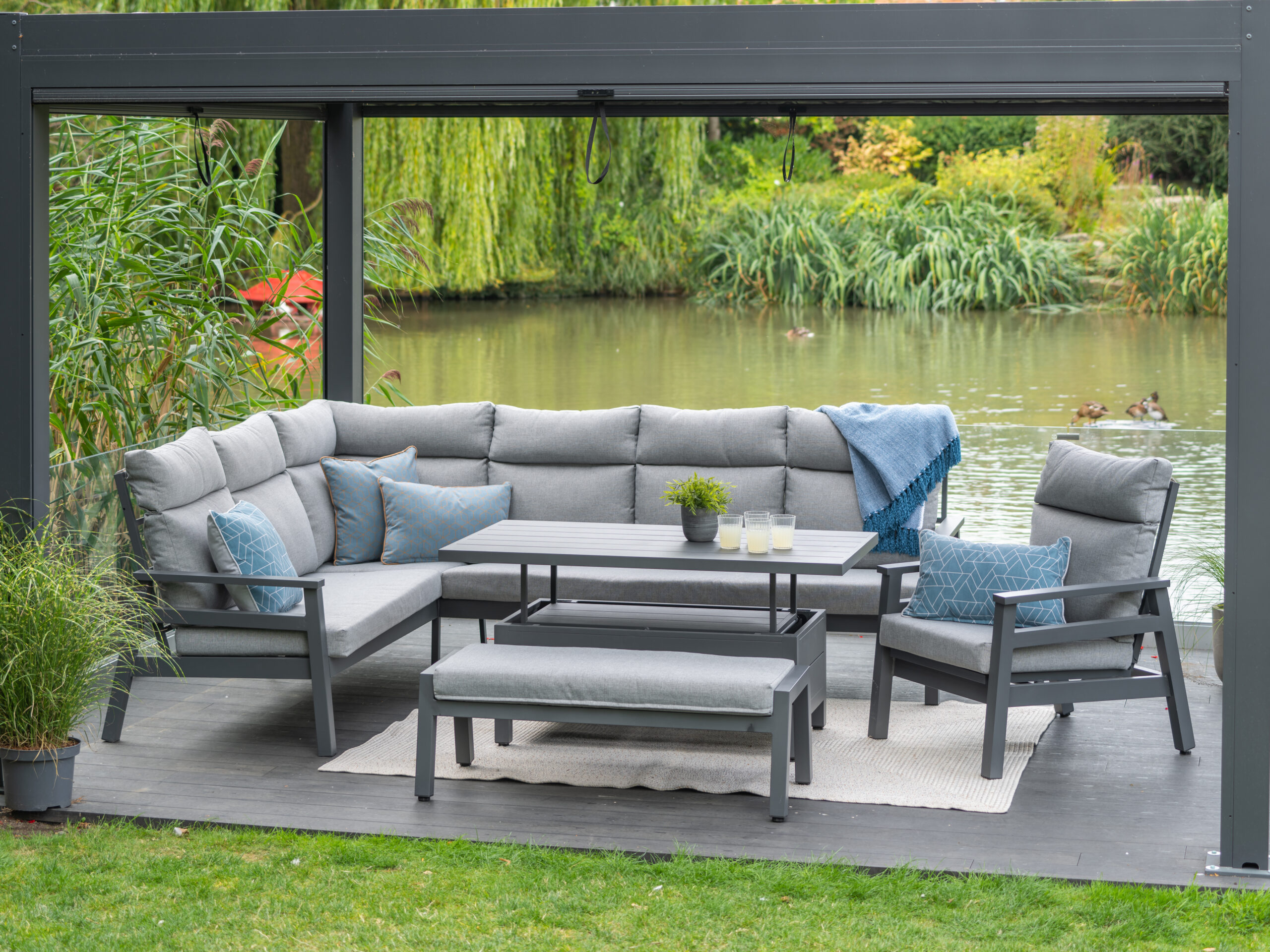
What are the best practices for assembling and maintaining garden furniture with glass tops?
Garden furniture with glass tops can add a touch of elegance to your outdoor space. Here are some best practices for assembling and maintaining this type of furniture:
1. Assembling Garden Furniture:
When assembling garden furniture with glass tops, follow these guidelines:
- Read and follow the manufacturer’s instructions carefully.
- Ensure that the assembly area is clean, flat, and stable.
- Handle the glass top with care to avoid any accidental damage or breakage.
- Use the provided hardware and tools to secure the glass top to the frame according to the instructions.
- Double-check that all connections are tightened properly, but avoid overtightening to prevent damage to the glass.
- If applicable, attach any additional components or accessories, such as umbrella holders or cushions, as instructed.
2. Cleaning and Maintenance:
To maintain garden furniture with glass tops, consider the following:
- Regularly clean the glass surface using a mild glass cleaner or a mixture of water and vinegar. Avoid using harsh chemicals or abrasive cleaners that can damage the glass.
- Wipe the glass top with a soft, lint-free cloth or a microfiber cloth to remove dust, dirt, or fingerprints. For stubborn stains, gently scrub the affected area with a soft brush or sponge.
- Avoid placing hot objects directly on the glass surface, as extreme temperature changes can cause the glass to crack or shatter.
- Protect the glass top from scratches by using coasters, placemats, or tablecloths when placing items on the surface.
- If your furniture includes removable glass tops, consider storing them indoors or in a safe, covered area during severe weather conditions or when not in use for an extended period.
3. Preventative Measures:
Take these preventative measures to ensure the longevity of your garden furniture with glass tops:
- Avoid dragging or sliding heavy objects across the glass surface, as this can cause scratches or damage.
- Regularly inspect the frame and connections to ensure they remain sturdy and secure. Tighten any loose screws or bolts as necessary.
- Consider using furniture covers specifically designed for garden furniture with glass tops to protect it from dust, dirt, and the elements when not in use.
- During strong winds or storms, move the furniture to a sheltered area or secure it with straps or anchors to prevent it from being blown over or damaged.
By following these best practices, you can assemble and maintain your garden furniture with glass tops effectively, ensuring its longevity and enjoyment for years to come.
How can I make my garden furniture more comfortable for extended use?
To make your garden furniture more comfortable for extended use, you can consider the following tips and techniques:
1. Cushions and Pillows:
Add cushions and pillows to your garden furniture to provide extra padding and support. Look for cushions made from outdoor-grade materials that are resistant to moisture, fading, and mildew. Opt for pillows with soft and durable fabrics that enhance comfort. Make sure to choose cushions and pillows that fit the size and style of your furniture.
2. Ergonomic Design:
Consider the ergonomic design of your garden furniture to promote comfort during extended use. Look for chairs with proper back support and armrests that allow for relaxed seating positions. Tables with an appropriate height can also contribute to a more comfortable dining experience. Ergonomic design ensures that your body is properly supported and aligned, reducing discomfort and fatigue.
3. Adjustable Furniture:
If possible, opt for garden furniture with adjustable features. Adjustable chairs or loungers allow you to customize the seating position according to your preference. Being able to adjust the backrest or footrest can significantly enhance comfort during extended periods of use.
4. Shade and Sun Protection:
Provide shade and sun protection to make your garden furniture more comfortable, especially during hot and sunny days. Consider adding umbrellas, canopies, or pergolas to create shaded areas. This helps to reduce direct sun exposure and keeps the seating area cooler and more enjoyable.
5. Proper Ventilation:
Ensure proper ventilation around your garden furniture. Good airflow helps to prevent sweat buildup and keeps you cool. If your furniture has cushions, choose materials that are breathable and allow air to circulate. Mesh or ventilated designs can help with airflow and moisture management.
6. Protective Covers:
Use protective covers when your garden furniture is not in use to keep it clean and protected. Covers can help prevent dust, dirt, and bird droppings from accumulating on the furniture. Clean furniture is generally more comfortable to use for extended periods.
7. Outdoor Rugs and Mats:
Add outdoor rugs or mats to create a more inviting and comfortable seating area. These can provide a softer surface for your feet and also help define the space. Look for rugs or mats that are specifically designed for outdoor use and are resistant to moisture and fading.
8. Proper Maintenance:
Regularly clean and maintain your garden furniture to keep it in good condition. Follow the manufacturer’s instructions for cleaning and care. Tighten any loose screws or bolts, and replace any worn-out parts. Well-maintained furniture not only looks better but also tends to be more comfortable and enjoyable to use.
By implementing these tips, you can enhance the comfort of your garden furniture and create a more inviting outdoor space for extended use. Remember to consider your personal preferences and the specific needs of your furniture when making adjustments or additions.
Can you recommend affordable garden furniture options for a tight budget?
If you have a tight budget but still want to furnish your garden with affordable options, there are several choices available. Here are some recommendations for affordable garden furniture:
1. Plastic Furniture:
Plastic furniture is often more budget-friendly compared to other materials. It is lightweight, easy to clean, and resistant to weather conditions. Look for plastic chairs, tables, and loungers that are designed for outdoor use.
2. Folding Furniture:
Folding furniture is a practical and cost-effective option for outdoor spaces. These pieces are versatile and can be easily folded and stored when not in use. Folding chairs, tables, and benches are available at affordable prices and can provide seating and dining options for your garden.
3. Wooden Furniture:
Wooden furniture can be more affordable than other materials, especially if you choose softwood options like pine or spruce. While these may require more maintenance and may not be as durable as hardwoods, they can still provide a natural and budget-friendly option for your garden.
4. DIY and Upcycled Furniture:
If you’re feeling creative, consider DIY (Do-It-Yourself) or upcycled furniture projects. You can repurpose old furniture or materials to create unique and affordable pieces for your garden. Look for tutorials and inspiration online to get started.
5. Secondhand or Thrifted Furniture:
Check out local thrift stores, yard sales, or online marketplaces for secondhand garden furniture. You may find pre-owned pieces in good condition at significantly lower prices. With some cleaning and minor repairs, you can have affordable and functional furniture for your garden.
6. Sales and Clearance:
Keep an eye out for sales and clearance events at furniture stores or online retailers. These often offer discounted prices on outdoor furniture, allowing you to find affordable options within your budget.
7. Rent or Borrow:
If you only need furniture for a short period or for occasional use, consider renting or borrowing from friends or family. This can be a cost-effective solution that allows you to enjoy outdoor furniture without making a long-term investment.
Remember, while affordable options may have some trade-offs in terms of durability or style, with proper care and maintenance, they can still provide functional and enjoyable outdoor seating and dining areas on a tight budget.
editor by CX 2023-11-20