Product Description
Product Description
Application
Hanfa group through the continuous pursuit of technological innovation, to meet the needs of market development, in the original mobile screw air compressor series is developed on the basis of smaller size, the layout more reasonable, more cost-effective new mobile screw series. Comprehensive performance is good, the more efficient is widely used in drilling, pipeline pressure test and related fields.For cold area can also be optional liquid fuel oil heater, through the pulmonary circulation cooling heating cylinder diesel engine, thus allowing you to start.
Features
1.High reliability
All the main parts and components are made by CHINAMFG enterprises at home and abroad with reliable quality. Pressure, force constant, flow stable; Realize the displacement from 0 to 100% T continued from section II, high efficiency, energy saving, stable and reliable;
2.Convenience
Small volume, light weight, low noise;Compact, easy to transport, covers an area of less, also can enter in narrow condition, out freely, reduce transportation costs.All the door design, ensure the wide operation space, convenient maintenance and repair. To save time, improve efficiency.
3.To adapt to the environment
This air compressor to ensure that the cold temperature, oxygen condition can also be a perfect start, satisfy the bearing and all kinds of bad working condition of using the environment. For customers to solve the has the worry, greatly improve the work efficiency.
4.Comprehensive monitoring
Equipment running state can be comprehensive monitoring;Control panel, in both Chinese and English interface is concise, clear, equipment running status be clear at a glance, the operation is convenient, and equipped with automatic stop function with regard to the guarantee the safety of person, machine.
Technical Data
| name | HF15(H) | HF13(H) | |
| compressor | Displacement | 12(m/min) | 15(m/min) |
| Exhaust pressure | 12(bar) | 13(bar) | |
| Compression level | Single-stage | Single-stage | |
| Gas tank volume | 120(bar) | 130(bar) | |
| Screw oil quantity | 60(l) | 65(l) | |
|
diesel engine |
Engine manufacturer | Xihu (West Lake) Dis.feng Cummins | Xihu (West Lake) Dis.feng Cummins |
| engine model | 6BTA5.9-C180 | 6BTA5.9-C180 | |
| Number of cylinders | 6 | 6 | |
| rated power | 132(kw) | 132(kw) | |
| Rated speed | 2200(rpm) | 2200(rpm) | |
| Idling speed | 1400(rpm) | 1400(rpm) | |
| Diesel engine lubricants | 18(l) | 18(l) | |
| Coolant volume | 40(l) | 40(l) | |
| Fuel tank volume | 335(l) | 335(l) | |
|
unit |
Battery | 6-QW-135MF*2 | 6-QW-135MF*2 |
| Connection size | 1-G2″,1-G1″, | 1-G2″,1-G1″, | |
| transfer method | Coupling direct coupling | Coupling direct coupling | |
| long | 4200(mm) | 4200(mm) | |
| width | 1980(mm) | 1980(mm) | |
| high | 2210(mm) | 2210(mm) | |
| Total Weight | 2700(kg) | 2700(kg) | |
| Unit walking mode | Two rounds of movement | Two rounds of movement | |
Working Site
Company Introduction
Hanfa Group established in 1998 is a key enterprise in the industry of geological exploration and water well field, with the ability to research,manufacture and market. Now, the Group pursues high standard manufacturing and qualified products. It has more than 20 species such as water well drilling rig, core drilling rig, engineering drilling rig, DTH drilling rig, horizontaldirectional drilling rig, etc. These machines are mainly used in geological prospecting, exploration of railway and highway engineering, mining, SPT, water well, geothermal well etc. Some of them won the Scientific and Technical Advance Prize or the National Scientific Research Achievement Prize. All the products have passed the quality system certification of ISO9001:2000 and are national inspection-free products.
1. More than 30 years of experience
The factory is located in ZheJiang Province, China. We are very welcome to visit our factory. If
you need it, we will arrange a pick-up.
2.Top production team
The transportation and packaging will be packaged in international standards. If you have special packaging requirements, we will give you the most suitable solution.
3.Our Service
– New machine provides technical trair.
– Once anything goes wrong with the machine by normal using, our technical person must appear at the first time no matter where you are.
– When the machine should be maintained, you will receive the reminding from us.
– According to different geological conditions, we will recommend different construction plans for you
– Remind you which are wearing parts, so you can prepare enough.
– 24 hours respond to your quality problem.
FAQ
1,Are you trading company or manufacturer?
We are professional manufacturer, and our factory mainly produce water well drilling rig, core drilling rig, DTH drilling rig, piling rig, etc. Our products have been exported to more than 50 countries of Asia, South America, Africa, and get a good reputation in the world.
2,Are your products qualified?
Yes, our products all have gained ISO certificate,and we have specialized quality inspection department for checking every machine before leaving our factory.
3,How about your machine quality?
All of our machines hold the ISO, QC and TUV certificate, and each set of machine must pass a great number of strict testing in order to offer the best quality to our customers.
4,Do you have after service?
Yes, we have special service team which will offer you professional guidance. If you need, we can send our engineer to your worksite and provid the training for your staff.
5,What about the qaulity warranty?
We offer one-year quality warranty for machines’ main body.
6,How long can you deliver the machine?
Generally, we can deliver the machine in 7 days.
Our Customers
| Lubrication Style: | Lubricated |
|---|---|
| Cooling System: | Water Cooling |
| Power Source: | Diesel Engine |
| Samples: |
US$ 15000/Set
1 Set(Min.Order) | Order Sample |
|---|
| Customization: |
Available
|
|
|---|
.shipping-cost-tm .tm-status-off{background: none;padding:0;color: #1470cc}
| Shipping Cost:
Estimated freight per unit. |
about shipping cost and estimated delivery time. |
|---|
| Payment Method: |
|
|---|---|
|
Initial Payment Full Payment |
| Currency: | US$ |
|---|
| Return&refunds: | You can apply for a refund up to 30 days after receipt of the products. |
|---|
.webp)
Can air compressors be used for painting and sandblasting?
Yes, air compressors can be used for both painting and sandblasting applications. Here’s a closer look at how air compressors are utilized for painting and sandblasting:
Painting:
Air compressors are commonly used in painting processes, especially in automotive, industrial, and construction applications. Here’s how they are involved:
- Spray Guns: Air compressors power spray guns used for applying paint coatings. The compressed air atomizes the paint, creating a fine mist that can be evenly sprayed onto surfaces. The pressure and volume of the compressed air impact the spray pattern, coverage, and overall finish quality.
- Paint Mixers and Agitators: Compressed air is often used to power mixers and agitators that ensure proper blending of paint components. These devices use the compressed air to stir or circulate the paint, preventing settling and maintaining a consistent mixture.
- Airbrushing: Air compressors are essential for airbrushing techniques, which require precise control over airflow and pressure. Airbrushes are commonly used in artistic applications, such as illustrations, murals, and fine detailing work.
Sandblasting:
Air compressors play a crucial role in sandblasting operations, which involve propelling abrasive materials at high velocity to clean, etch, or prepare surfaces. Here’s how air compressors are used in sandblasting:
- Blasting Cabinets: Air compressors power blasting cabinets or booths, which are enclosed spaces where the sandblasting process takes place. The compressed air propels the abrasive media, such as sand or grit, through a nozzle or gun, creating a forceful stream that impacts the surface being treated.
- Abrasive Blasting Pots: Air compressors supply air to abrasive blasting pots or tanks that store and pressurize the abrasive media. The compressed air from the compressor enters the pot, pressurizing it and allowing for a controlled release of the abrasive material during the sandblasting process.
- Air Dryers and Filters: In sandblasting applications, it is crucial to have clean, dry air to prevent moisture and contaminants from affecting the abrasive blasting process and the quality of the surface being treated. Air compressors may be equipped with air dryers and filters to remove moisture, oil, and impurities from the compressed air.
When using air compressors for painting or sandblasting, it is important to consider factors such as the compressor’s pressure and volume output, the specific requirements of the application, and the type of tools or equipment being used. Consult the manufacturer’s guidelines and recommendations to ensure the air compressor is suitable for the intended painting or sandblasting tasks.
Proper safety measures, such as wearing protective gear and following established protocols, should always be followed when working with air compressors for painting and sandblasting applications.
.webp)
Can air compressors be integrated into automated systems?
Yes, air compressors can be integrated into automated systems, providing a reliable and versatile source of compressed air for various applications. Here’s a detailed explanation of how air compressors can be integrated into automated systems:
Pneumatic Automation:
Air compressors are commonly used in pneumatic automation systems, where compressed air is utilized to power and control automated machinery and equipment. Pneumatic systems rely on the controlled release of compressed air to generate linear or rotational motion, actuating valves, cylinders, and other pneumatic components. By integrating an air compressor into the system, a continuous supply of compressed air is available to power the automation process.
Control and Regulation:
In automated systems, air compressors are often connected to a control and regulation system to manage the compressed air supply. This system includes components such as pressure regulators, valves, and sensors to monitor and adjust the air pressure, flow, and distribution. The control system ensures that the air compressor operates within the desired parameters and provides the appropriate amount of compressed air to different parts of the automated system as needed.
Sequential Operations:
Integration of air compressors into automated systems enables sequential operations to be carried out efficiently. Compressed air can be used to control the timing and sequencing of different pneumatic components, ensuring that the automated system performs tasks in the desired order and with precise timing. This is particularly useful in manufacturing and assembly processes where precise coordination of pneumatic actuators is required.
Energy Efficiency:
Air compressors can contribute to energy-efficient automation systems. By incorporating energy-saving features such as Variable Speed Drive (VSD) technology, air compressors can adjust their power output according to the demand, reducing energy consumption during periods of low activity. Additionally, efficient control and regulation systems help optimize the use of compressed air, minimizing waste and improving overall energy efficiency.
Monitoring and Diagnostics:
Integration of air compressors into automated systems often includes monitoring and diagnostic capabilities. Sensors and monitoring devices can be installed to collect data on parameters such as air pressure, temperature, and system performance. This information can be used for real-time monitoring, preventive maintenance, and troubleshooting, ensuring the reliable operation of the automated system.
When integrating air compressors into automated systems, it is crucial to consider factors such as the specific requirements of the automation process, the desired air pressure and volume, and the compatibility of the compressor with the control and regulation system. Consulting with experts in automation and compressed air systems can help in designing an efficient and reliable integration.
In summary, air compressors can be seamlessly integrated into automated systems, providing the necessary compressed air to power and control pneumatic components, enabling sequential operations, and contributing to energy-efficient automation processes.
.webp)
What is the purpose of an air compressor?
An air compressor serves the purpose of converting power, typically from an electric motor or an engine, into potential energy stored in compressed air. It achieves this by compressing and pressurizing air, which can then be used for various applications. Here’s a detailed explanation of the purpose of an air compressor:
1. Powering Pneumatic Tools: One of the primary uses of an air compressor is to power pneumatic tools. Compressed air can be used to operate a wide range of tools, such as impact wrenches, nail guns, paint sprayers, sanders, and drills. The compressed air provides the necessary force and energy to drive these tools, making them efficient and versatile.
2. Supplying Clean and Dry Air: Air compressors are often used to supply clean and dry compressed air for various industrial processes. Many manufacturing and production operations require a reliable source of compressed air that is free from moisture, oil, and other contaminants. Air compressors equipped with appropriate filters and dryers can deliver high-quality compressed air for applications such as instrumentation, control systems, and pneumatic machinery.
3. Inflating Tires and Sports Equipment: Air compressors are commonly used for inflating tires, whether it’s for vehicles, bicycles, or sports equipment. They provide a convenient and efficient method for quickly filling tires with the required pressure. Air compressors are also used for inflating sports balls, inflatable toys, and other similar items.
4. Operating HVAC Systems: Air compressors play a crucial role in the operation of heating, ventilation, and air conditioning (HVAC) systems. They provide compressed air for controlling and actuating dampers, valves, and actuators in HVAC systems, enabling precise regulation of air flow and temperature.
5. Assisting in Industrial Processes: Compressed air is utilized in various industrial processes. It can be used for air blow-off applications, cleaning and drying parts, powering air-operated machinery, and controlling pneumatic systems. Air compressors provide a reliable and efficient source of compressed air that can be tailored to meet the specific requirements of different industrial applications.
6. Supporting Scuba Diving and Breathing Systems: In scuba diving and other breathing systems, air compressors are responsible for filling diving tanks and supplying breathable air to divers. These compressors are designed to meet strict safety standards and deliver compressed air that is free from contaminants.
Overall, the purpose of an air compressor is to provide a versatile source of compressed air for powering tools, supplying clean air for various applications, inflating tires and sports equipment, supporting industrial processes, and facilitating breathing systems in specific contexts.


editor by CX 2023-12-09
China Professional Two Stage Air Compressor Components for Industry mini air compressor
Product Description
Manufacturer for pump parts: oil pump, water pump, fuel pump, submersible pump, centrifugal pump, and electric pump.
Material: Gray iron, ductile iron, casting steel, aluminum alloy, stainless steel.
Production Process: sand casting, lost wax casting, CNC precision machining
Material:Gray Iron, HT200,HT25,HT300,HT350 GG14,GG20,GG25,GG30
EN-GJS-150, EN-GJS-200, EN-GJS-250, EN-GJS-300
ASTM A48 class 25, class 30, class 40, class 50, class 60
Ductile Iron(Nodular Iron):
QT400, QT450, QT500, QT600, GGG40, GGG50, GGG60
60-40-18, 65-45-12, 70-50-01, 80-60-03
Alloy Steel:1571, 1045, 4140, WCB, LCB
Stainless Steel:SS304, SS304L, SS316, SS316L, CF8M, CF-8,
Casting Tolerance: CT9-CT11, CT4-CT7
Machining Tolerance: IT4-IT12
| Description: | fuel pump housing,pump parts |
| Application: | Gear pump, lubricate pump |
| Material: | Cast iron |
| Drawing format accept: | Pdf, Jpg, CAD, IGS, STP,Pro-E |
| MOULD TOOLING | MADE BY CNC machine |
| Casting Process: | Sand casting |
| Mainly Machining Process: | By milling and CNC milling |
| Lead time for sample: | 25-30days |
| Delivery time for normal order: | 30days |
| Payment terms: | T/Tor negotiate |
| Delivery port departure | HangZhou , ZheJiang PORT |
| Molding Line: | Disa |
|---|---|
| Appalication: | Compressor Assembly |
| Casting Tolerance: | CT7 |
| Machining Tolerance: | It4 |
| Transport Package: | Normal Export Packing or Customers′ Requirement |
| Specification: | sgs |
| Customization: |
Available
|
|
|---|
.webp)
Can air compressors be used for gas compression and storage?
Yes, air compressors can be used for gas compression and storage. While air compressors are commonly used to compress and store air, they can also be utilized for compressing and storing other gases, depending on the specific application requirements. Here’s how air compressors can be used for gas compression and storage:
Gas Compression:
Air compressors can compress various gases by utilizing the same principles applied to compressing air. The compressor takes in the gas at a certain pressure, and through the compression process, it increases the pressure and reduces the volume of the gas. This compressed gas can then be used for different purposes, such as in industrial processes, gas pipelines, or storage systems.
Gas Storage:
Air compressors can also be used for gas storage by compressing the gas into storage vessels or tanks. The compressed gas is stored at high pressure within these vessels until it is needed for use. Gas storage is commonly employed in industries where a continuous and reliable supply of gas is required, such as in natural gas storage facilities or for storing compressed natural gas (CNG) used as a fuel for vehicles.
Gas Types:
While air compressors are primarily designed for compressing air, they can be adapted to handle various gases, including but not limited to:
- Nitrogen
- Oxygen
- Hydrogen
- Carbon dioxide
- Natural gas
- Refrigerant gases
It’s important to note that when using air compressors for gas compression and storage, certain considerations must be taken into account. These include compatibility of the compressor materials with the specific gas being compressed, ensuring proper sealing to prevent gas leaks, and adhering to safety regulations and guidelines for handling and storing compressed gases.
By leveraging the capabilities of air compressors, it is possible to compress and store gases efficiently, providing a reliable supply for various industrial, commercial, and residential applications.
.webp)
How are air compressors utilized in pneumatic tools?
Air compressors play a crucial role in powering and operating pneumatic tools. Here’s a detailed explanation of how air compressors are utilized in pneumatic tools:
Power Source:
Pneumatic tools rely on compressed air as their power source. The air compressor generates and stores compressed air, which is then delivered to the pneumatic tool through a hose or piping system. The compressed air provides the force necessary for the tool to perform various tasks.
Air Pressure Regulation:
Air compressors are equipped with pressure regulation systems to control the output pressure of the compressed air. Different pneumatic tools require different air pressure levels to operate optimally. The air compressor’s pressure regulator allows users to adjust the output pressure according to the specific requirements of the pneumatic tool being used.
Air Volume and Flow:
Air compressors provide a continuous supply of compressed air, ensuring a consistent air volume and flow rate for pneumatic tools. The air volume is typically measured in cubic feet per minute (CFM) and determines the tool’s performance capabilities. Higher CFM ratings indicate that the pneumatic tool can deliver more power and operate at a faster rate.
Tool Actuation:
Pneumatic tools utilize compressed air to actuate their mechanical components. For example, an air-powered impact wrench uses compressed air to drive the tool’s internal hammer mechanism, generating high torque for fastening or loosening bolts and nuts. Similarly, air-powered drills, sanders, nail guns, and spray guns rely on compressed air to power their respective operations.
Versatility:
One of the significant advantages of pneumatic tools is their versatility, and air compressors enable this flexibility. A single air compressor can power a wide range of pneumatic tools, eliminating the need for separate power sources for each tool. This makes pneumatic tools a popular choice in various industries, such as automotive, construction, manufacturing, and woodworking.
Portability:
Air compressors come in different sizes and configurations, offering varying degrees of portability. Smaller portable air compressors are commonly used in applications where mobility is essential, such as construction sites or remote locations. The portability of air compressors allows pneumatic tools to be used in various work environments without the constraints of being tethered to a fixed power source.
Overall, air compressors are integral to the functionality and operation of pneumatic tools. They provide the necessary power, air pressure regulation, and continuous airflow required for pneumatic tools to perform a wide range of tasks efficiently and effectively.
What maintenance is required for air compressors?
Maintaining air compressors is essential to ensure their optimal performance, longevity, and safe operation. Regular maintenance helps prevent breakdowns, improves efficiency, and reduces the risk of accidents. Here are some key maintenance tasks for air compressors:
1. Regular Inspection: Perform visual inspections of the air compressor to identify any signs of wear, damage, or leaks. Inspect the compressor, hoses, fittings, and connections for any abnormalities. Pay attention to oil leaks, loose bolts, and worn-out components.
2. Oil Changes: If your air compressor has an oil lubrication system, regular oil changes are crucial. Follow the manufacturer’s recommendations for the frequency of oil changes and use the recommended oil type. Dirty or degraded oil can impact compressor performance and lead to premature wear.
3. Air Filter Cleaning or Replacement: Clean or replace the air filter regularly to ensure proper air intake and prevent contaminants from entering the compressor. Clogged or dirty filters can restrict airflow and reduce efficiency.
4. Drain Moisture: Air compressors produce moisture as a byproduct of the compression process. Accumulated moisture in the tank can lead to rust and corrosion. Drain the moisture regularly from the tank to prevent damage. Some compressors have automatic drains, while others require manual draining.
5. Belt Inspection and Adjustment: If your compressor has a belt-driven system, inspect the belts for signs of wear, cracks, or tension issues. Adjust or replace the belts as necessary to maintain proper tension and power transmission.
6. Tank Inspection: Inspect the compressor tank for any signs of corrosion, dents, or structural issues. A damaged tank can be hazardous and should be repaired or replaced promptly.
7. Valve Maintenance: Check the safety valves, pressure relief valves, and other valves regularly to ensure they are functioning correctly. Test the valves periodically to verify their proper operation.
8. Motor and Electrical Components: Inspect the motor and electrical components for any signs of damage or overheating. Check electrical connections for tightness and ensure proper grounding.
9. Keep the Area Clean: Maintain a clean and debris-free area around the compressor. Remove any dirt, dust, or obstructions that can hinder the compressor’s performance or cause overheating.
10. Follow Manufacturer’s Guidelines: Always refer to the manufacturer’s manual for specific maintenance instructions and recommended service intervals for your air compressor model. They provide valuable information on maintenance tasks, lubrication requirements, and safety precautions.
Regular maintenance is vital to keep your air compressor in optimal condition and extend its lifespan. It’s also important to note that maintenance requirements may vary depending on the type, size, and usage of the compressor. By following a comprehensive maintenance routine, you can ensure the reliable operation of your air compressor and maximize its efficiency and longevity.
editor by CX 2023-12-08
China manufacturer 4200*1950*2100 Single CHINAMFG Standard Packing Zhengzhou City, China Air CHINAMFG best air compressor
Product Description
Product Description
Product Features
1. The enlarged plastic air filter is designed to be used for more than 5000 hours with the filter element accuracy of 3 microns. Dry, heavy duty, long life design, easy to clean and replace.
2. SAE standard stainless steel pipe design, low resistance, strong corrosion resistance, superior performance, completely eliminate oil leakage, air leakage, and water leakage problems.
3. Adopting the most advanced host machine in China, adhering to the exquisite manufacturing technology of Germany, adopting the low-pressure and high-efficiency tooth shape with the highest efficiency, the optimized runner design, the big rotor, low speed, high efficiency and high reliability provide your air compressor with a powerful heart, thus achieving efficiency and energy-saving synchronization.
4. The enlarged horizontal structure cooler not only improves the cooler performance, but also facilitates the maintenance, thoroughly solving the unit high temperature problem
5. Increased oil and gas storage tank to ensure the safe and reliable operation.
6. Oversized fuel tank ensures all-day operation of diesel.
7. Oversized fuel filters ensure the cleanliness of diesel entering the engine. Extend the service life of diesel engine.
8. Super large, super strong walking system, strong bearing, and mobile flexibility.
|
Model |
|
HF19/18(J) |
HF20/18(J) |
|
|
Compressor |
Type |
|
Screw two-stage compression air compressor |
Screw two-stage compression air compressor |
|
Gas displacement |
m3/min |
19 |
20 |
|
|
Discharge pressure |
bar |
18 |
18 |
|
|
Drive mode |
|
Direct coupling, diesel engine driven |
Direct coupling, diesel engine driven |
|
|
Oil and gas tank volume |
L |
150 |
150 |
|
|
Lubricating oil capacity |
L |
90 |
90 |
|
|
Diesel engine |
Brand |
|
|
|
|
Model |
|
6CTA8.3 |
6CTA8.3 |
|
|
Type |
|
Liquid cooled, 4 stroke, direct injection |
Liquid cooled, 4 stroke, direct injection |
|
|
Air cylinder QTY |
|
6 |
6 |
|
|
Rated power |
kw |
194 |
194 |
|
|
Rated rotation speed |
rpm |
1900 |
2200 |
|
|
Lubricating oil capacity |
L |
24 |
24 |
|
|
Cooling water consumption |
L |
70 |
70 |
|
|
Fuel tank volume |
L |
380 |
380 |
|
|
Dimension & weight |
Length |
mm |
4200 |
4200 |
|
Width |
mm |
1950 |
1980 |
|
|
Height |
mm |
2100 |
2100 |
|
|
Net weight |
kg |
4000 |
4000 |
|
|
Outlet exhaust valve |
|
1*G2″, 1*G1″ |
1*G2″, 1*G1″ |
|
|
Optional for preheater |
||||
Company Profile
FAQ
1. Are you a trading company or a manufacturer?
We are a professional manufacturer. Our factory mainly produces water well drilling rigs, core drilling rigs, down-the-hole drilling rigs, pile drivers, etc. The products have been exported to hundreds of countries around the world and enjoy a high reputation all over the world.
2. How is the quality of your machine?
Our products pass strict quality inspections before they leave the factory to ensure that they are qualified before they are shipped.
3. How to inspect the goods?
1) Support customers to come to the factory for on-site inspection.
2) Support customers to designate third-party companies to inspect goods.
3) Support video inspection.
4. Do you have after-sales service?
Yes, we have a dedicated service team that will provide you with professional technical guidance. If you need, we can send our engineers to your workplace and provide training for your employees.
5. How about quality assurance?
We provide a one-year quality guarantee for the main machine of the machine.
6. How long is your delivery cycle?
1) In the case of stock, we can deliver the machine within 7 days.
2) Under standard production, we can deliver the machine within 15-20 days.
3) In the case of customization, we can deliver the machine within 20-25 days.
| After-sales Service: | Online Support,Field Maintenance |
|---|---|
| Warranty: | 1 Year |
| Lubrication Style: | Lubricated |
| Cooling System: | Water Cooling |
| Power Source: | Diesel Engine |
| Structure Type: | Open Type |
| Samples: |
US$ 26000/Set
1 Set(Min.Order) | |
|---|
| Customization: |
Available
|
|
|---|
.webp)
What is the impact of humidity on compressed air quality?
Humidity can have a significant impact on the quality of compressed air. Compressed air systems often draw in ambient air, which contains moisture in the form of water vapor. When this air is compressed, the moisture becomes concentrated, leading to potential issues in the compressed air. Here’s an overview of the impact of humidity on compressed air quality:
1. Corrosion:
High humidity in compressed air can contribute to corrosion within the compressed air system. The moisture in the air can react with metal surfaces, leading to rust and corrosion in pipes, tanks, valves, and other components. Corrosion not only weakens the structural integrity of the system but also introduces contaminants into the compressed air, compromising its quality and potentially damaging downstream equipment.
2. Contaminant Carryover:
Humidity in compressed air can cause carryover of contaminants. Water droplets formed due to condensation can carry particulates, oil, and other impurities present in the air. These contaminants can then be transported along with the compressed air, leading to fouling of filters, clogging of pipelines, and potential damage to pneumatic tools, machinery, and processes.
3. Decreased Efficiency of Pneumatic Systems:
Excessive moisture in compressed air can reduce the efficiency of pneumatic systems. Water droplets can obstruct or block the flow of air, leading to decreased performance of pneumatic tools and equipment. Moisture can also cause problems in control valves, actuators, and other pneumatic devices, affecting their responsiveness and accuracy.
4. Product Contamination:
In industries where compressed air comes into direct contact with products or processes, high humidity can result in product contamination. Moisture in compressed air can mix with sensitive products, leading to quality issues, spoilage, or even health hazards in industries such as food and beverage, pharmaceuticals, and electronics manufacturing.
5. Increased Maintenance Requirements:
Humidity in compressed air can increase the maintenance requirements of a compressed air system. Moisture can accumulate in filters, separators, and other air treatment components, necessitating frequent replacement or cleaning. Excessive moisture can also lead to the growth of bacteria, fungus, and mold within the system, requiring additional cleaning and maintenance efforts.
6. Adverse Effects on Instrumentation:
Humidity can adversely affect instrumentation and control systems that rely on compressed air. Moisture can disrupt the accuracy and reliability of pressure sensors, flow meters, and other pneumatic instruments, leading to incorrect measurements and control signals.
To mitigate the impact of humidity on compressed air quality, various air treatment equipment is employed, including air dryers, moisture separators, and filters. These devices help remove moisture from the compressed air, ensuring that the air supplied is dry and of high quality for the intended applications.
How are air compressors used in refrigeration and HVAC systems?
Air compressors play a vital role in refrigeration and HVAC (Heating, Ventilation, and Air Conditioning) systems, providing the necessary compression of refrigerant gases and facilitating the heat transfer process. Here are the key ways in which air compressors are used in refrigeration and HVAC systems:
1. Refrigerant Compression:
In refrigeration systems, air compressors are used to compress the refrigerant gas, raising its pressure and temperature. This compressed gas then moves through the system, where it undergoes phase changes and heat exchange to enable cooling or heating. The compressor is the heart of the refrigeration cycle, as it pressurizes and circulates the refrigerant.
2. Refrigeration Cycle:
The compression of refrigerant gas by the air compressor is an essential step in the refrigeration cycle. After compression, the high-pressure, high-temperature gas flows to the condenser, where it releases heat and condenses into a liquid. The liquid refrigerant then passes through an expansion valve or device, which reduces its pressure and temperature. This low-pressure, low-temperature refrigerant then enters the evaporator, absorbing heat from the surrounding environment and evaporating back into a gas. The cycle continues as the gas returns to the compressor for re-compression.
3. HVAC Cooling and Heating:
In HVAC systems, air compressors are used to facilitate cooling and heating processes. The compressor compresses the refrigerant gas, which allows it to absorb heat from the indoor environment in the cooling mode. The compressed gas releases heat in the outdoor condenser unit and then circulates back to the compressor to repeat the cycle. In the heating mode, the compressor reverses the refrigeration cycle, absorbing heat from the outdoor air or ground source and transferring it indoors.
4. Air Conditioning:
Air compressors are an integral part of air conditioning systems, which are a subset of HVAC systems. Compressed refrigerant gases are used to cool and dehumidify the air in residential, commercial, and industrial buildings. The compressor pressurizes the refrigerant, initiating the cooling cycle that removes heat from the indoor air and releases it outside.
5. Compressor Types:
Refrigeration and HVAC systems utilize different types of air compressors. Reciprocating compressors, rotary screw compressors, and scroll compressors are commonly used in these applications. The selection of the compressor type depends on factors such as system size, capacity requirements, efficiency, and application-specific considerations.
6. Energy Efficiency:
Efficient operation of air compressors is crucial for refrigeration and HVAC systems. Energy-efficient compressors help minimize power consumption and reduce operating costs. Additionally, proper compressor sizing and system design contribute to the overall energy efficiency of refrigeration and HVAC systems.
By effectively compressing refrigerant gases and facilitating the heat transfer process, air compressors enable the cooling and heating functions in refrigeration and HVAC systems, ensuring comfortable indoor environments and efficient temperature control.
Are there air compressors specifically designed for high-pressure applications?
Yes, there are air compressors specifically designed for high-pressure applications. These compressors are engineered to generate and deliver compressed air at significantly higher pressures than standard air compressors. Here are some key points about high-pressure air compressors:
1. Pressure Range: High-pressure air compressors are capable of producing compressed air at pressures typically ranging from 1000 to 5000 psi (pounds per square inch) or even higher. This is considerably higher than the typical range of 100 to 175 psi for standard air compressors.
2. Construction: High-pressure aircompressors feature robust construction and specialized components to withstand the higher pressures involved. They are designed with reinforced cylinders, pistons, valves, and seals that can handle the increased stress and prevent leaks or failures under high-pressure conditions.
3. Power: Generating high-pressure compressed air requires more power than standard compressors. High-pressure air compressors often have larger motors or engines to provide the necessary power to achieve the desired pressure levels.
4. Applications: High-pressure air compressors are utilized in various industries and applications where compressed air at elevated pressures is required. Some common applications include:
- Industrial manufacturing processes that involve high-pressure air for operations such as air tools, pneumatic machinery, and equipment.
- Gas and oil exploration and production, where high-pressure air is used for well drilling, well stimulation, and enhanced oil recovery techniques.
- Scuba diving and underwater operations, where high-pressure air is used for breathing apparatus and underwater tools.
- Aerospace and aviation industries, where high-pressure air is used for aircraft systems, testing, and pressurization.
- Fire services and firefighting, where high-pressure air compressors are used to fill breathing air tanks for firefighters.
5. Safety Considerations: Working with high-pressure air requires adherence to strict safety protocols. Proper training, equipment, and maintenance are crucial to ensure the safe operation of high-pressure air compressors. It is important to follow manufacturer guidelines and industry standards for high-pressure applications.
When selecting a high-pressure air compressor, consider factors such as the desired pressure range, required flow rate, power source availability, and the specific application requirements. Consult with experts or manufacturers specializing in high-pressure compressed air systems to identify the most suitable compressor for your needs.
High-pressure air compressors offer the capability to meet the demands of specialized applications that require compressed air at elevated pressures. Their robust design and ability to deliver high-pressure air make them essential tools in various industries and sectors.
editor by CX 2023-12-08
China Best Sales Truck Parts Air Compressor Ynf40 Y10005019 for Dongfeng/Shacman/Hongyan/Hino/Jmc/Foton/Forland/Isuzu/DFAC/FAW/HOWO/Sinotruk/Sitrak/Shacman/JAC lowes air compressor
Product Description
| Description: | Air Compressor |
| Model: | YNF40 |
| Part No.: | Y10005019 |
| Brand: | ZHONGPEI |
| Warranty: | 6 Months |
| Application: | Truck |
| Package: | Carton Box |
One -station purchasing
Occupy an area of 50, 000 square meters, 20 warehouses with over 700 members…
Supporting with over 100, 000 kinds of spare parts, which make us always offer our customers satisfied service, especially timely deliver and variety kinds of auto parts
1: 25 years’ experience in auto parts.
2: No. 1 auto parts supplier in China Brand vehicles.
3: Auto parts on light, medium and heavy truck, bus, pick up.
4: Supply Engine/Gearbox assy and all Engine/Gearbox/Chassis/Body spare parts.
Chinese brand vehicles’ spare parts available…
| JAC SERIES
JAC1571,JAC1571,JAC1030,JAC1035,JAC1040,JAC1045,JAC1048,JAC1061,JAC1063,JAC1083,JAC3045,JAC3048,JAC3072,JAC3090,JAC-SWORD,JAC-GALLOP,ReFine,JAC-BUS(HK/HFC),JAC-forklifts,JAC-PICK… |
| FOTON/FORLAND/BAW SERIES
BJ1571,BJ6486/88, BJ1571,BJ1571,BJ1036,BJ1039,BJ1043,BJ1046,BJ1049(OLLIN),BJ1069(OLLIN),BJ1089,BJ3042,BJ3043,BJ3052,BJ3062,BJ3072,AUMAN,BAW1030,BAW1040,BAW1044,BAW1048^ |
| JMC/ISUZU SERIES
JMC1571,JMC1030,JMC1032,JMC1040,JMC1042,NHR,NKR,100P,600P,700P^ |
| XIHU (WEST LAKE) DIS.FENG SERIES
EQ1030,EQ1032,EQ1040,EQ1044,EQ1045,EQ1071,EQ1081,EQ3060,EQ3061,EQ3092,DFL-KINLAND,DFA-BUS^ |
| SINOTRUK SERIES
STEYR,STEYR KING,NEW-HUANGHE,HOWO,HOWO-A7,SITRAK-T7H,Golden Prince,HOKA,HAOYUN,HOWO -LIGHT TRUCK,MINE TRUCK,Golden Prince^ |
| FAW SERIES
CA1571,CA1031,CA1041,CA1047,CA1051,CA1061,CA1081,J4,J4Q,J5K,J5M,J5P,J5Q,J6^ |
| YUXIHU (WEST LAKE) DIS. SERIES
NJ1571,NJ1026,NJ1571,NJ1030,NJ1035,NJ1038,NJ1040,NJ1042,NJ1043,NJ1062,NJ1063^ |
| BUS SERIES
KING LONG(XMQ),GOLDEN DRAGON(XML),HIGER(KLQ),YUTONG(ZK),ZHONG TONG(LCK),YOUNG MAN(JNP),HENG TONG(CKZ),SHAOLIN(SLG),XIHU (WEST LAKE) DIS.,SHENLONG(SLK),ANKAI(HFF),FOTON O-V(BJ),HUANGHAI(DD),ZONDA(YCK)^ |
| OTHER SERIES
ZheJiang -F2000, ZheJiang -F3000,SAIC-IVECO XIHU (WEST LAKE) DIS.N,CAMC GREAT WALL(CC),ZXIHU (WEST LAKE) DIS.(BQ),JINBEI(SY),DADI AUTO(BDD),XINKAI(HXK),TIANMA(KZ),GONOW,HAFEI,CHANA,CHANGHE,XIHU (WEST LAKE) DIS.,CHERY,GEELY,BYD^ |
| After-sales Service: | 6 Months |
|---|---|
| Warranty: | 6 Months |
| Type: | Chassis |
| Customization: |
Available
|
|
|---|
.shipping-cost-tm .tm-status-off{background: none;padding:0;color: #1470cc}
|
Shipping Cost:
Estimated freight per unit. |
about shipping cost and estimated delivery time. |
|---|
| Payment Method: |
|
|---|---|
|
Initial Payment Full Payment |
| Currency: | US$ |
|---|
| Return&refunds: | You can apply for a refund up to 30 days after receipt of the products. |
|---|
.webp)
What role do air dryers play in compressed air systems?
Air dryers play a crucial role in compressed air systems by removing moisture and contaminants from the compressed air. Compressed air, when generated, contains water vapor from the ambient air, which can condense and cause issues in the system and end-use applications. Here’s an overview of the role air dryers play in compressed air systems:
1. Moisture Removal:
Air dryers are primarily responsible for removing moisture from the compressed air. Moisture in compressed air can lead to problems such as corrosion in the system, damage to pneumatic tools and equipment, and compromised product quality in manufacturing processes. Air dryers utilize various techniques, such as refrigeration, adsorption, or membrane separation, to reduce the dew point of the compressed air and eliminate moisture.
2. Contaminant Removal:
In addition to moisture, compressed air can also contain contaminants like oil, dirt, and particles. Air dryers help in removing these contaminants to ensure clean and high-quality compressed air. Depending on the type of air dryer, additional filtration mechanisms may be incorporated to enhance the removal of oil, particulates, and other impurities from the compressed air stream.
3. Protection of Equipment and Processes:
By removing moisture and contaminants, air dryers help protect the downstream equipment and processes that rely on compressed air. Moisture and contaminants can negatively impact the performance, reliability, and lifespan of pneumatic tools, machinery, and instrumentation. Air dryers ensure that the compressed air supplied to these components is clean, dry, and free from harmful substances, minimizing the risk of damage and operational issues.
4. Improved Productivity and Efficiency:
Utilizing air dryers in compressed air systems can lead to improved productivity and efficiency. Dry and clean compressed air reduces the likelihood of equipment failures, downtime, and maintenance requirements. It also prevents issues such as clogging of air lines, malfunctioning of pneumatic components, and inconsistent performance of processes. By maintaining the quality of compressed air, air dryers contribute to uninterrupted operations, optimized productivity, and cost savings.
5. Compliance with Standards and Specifications:
Many industries and applications have specific standards and specifications for the quality of compressed air. Air dryers play a vital role in meeting these requirements by ensuring that the compressed air meets the desired quality standards. This is particularly important in industries such as food and beverage, pharmaceuticals, electronics, and automotive, where clean and dry compressed air is essential for product integrity, safety, and regulatory compliance.
By incorporating air dryers into compressed air systems, users can effectively control moisture and contaminants, protect equipment and processes, enhance productivity, and meet the necessary quality standards for their specific applications.
.webp)
How do you maintain proper air quality in compressed air systems?
Maintaining proper air quality in compressed air systems is essential to ensure the reliability and performance of pneumatic equipment and the safety of downstream processes. Here are some key steps to maintain air quality:
1. Air Filtration:
Install appropriate air filters in the compressed air system to remove contaminants such as dust, dirt, oil, and water. Filters are typically placed at various points in the system, including the compressor intake, aftercoolers, and before point-of-use applications. Regularly inspect and replace filters to ensure their effectiveness.
2. Moisture Control:
Excessive moisture in compressed air can cause corrosion, equipment malfunction, and compromised product quality. Use moisture separators or dryers to remove moisture from the compressed air. Refrigerated dryers, desiccant dryers, or membrane dryers are commonly employed to achieve the desired level of dryness.
3. Oil Removal:
If the compressed air system utilizes oil-lubricated compressors, it is essential to incorporate proper oil removal mechanisms. This can include coalescing filters or adsorption filters to remove oil aerosols and vapors from the air. Oil-free compressors eliminate the need for oil removal.
4. Regular Maintenance:
Perform routine maintenance on the compressed air system, including inspections, cleaning, and servicing of equipment. This helps identify and address any potential issues that may affect air quality, such as leaks, clogged filters, or malfunctioning dryers.
5. Air Receiver Tank Maintenance:
Regularly drain and clean the air receiver tank to remove accumulated contaminants, including water and debris. Proper maintenance of the tank helps prevent contamination from being introduced into the compressed air system.
6. Air Quality Testing:
Periodically test the quality of the compressed air using appropriate instruments and methods. This can include measuring particle concentration, oil content, dew point, and microbial contamination. Air quality testing provides valuable information about the effectiveness of the filtration and drying processes and helps ensure compliance with industry standards.
7. Education and Training:
Educate personnel working with compressed air systems about the importance of air quality and the proper procedures for maintaining it. Provide training on the use and maintenance of filtration and drying equipment, as well as awareness of potential contaminants and their impact on downstream processes.
8. Documentation and Record-Keeping:
Maintain accurate records of maintenance activities, including filter replacements, drying system performance, and air quality test results. Documentation helps track the system’s performance over time and provides a reference for troubleshooting or compliance purposes.
By implementing these practices, compressed air systems can maintain proper air quality, minimize equipment damage, and ensure the integrity of processes that rely on compressed air.
How do you choose the right size of air compressor for your needs?
Choosing the right size of air compressor is essential to ensure optimal performance and efficiency for your specific needs. Here are some factors to consider when selecting the appropriate size:
1. Air Demand: Determine the air demand requirements of your applications. Calculate the total CFM (Cubic Feet per Minute) needed by considering the air consumption of all the pneumatic tools and equipment that will be operated simultaneously. Choose an air compressor with a CFM rating that meets or exceeds this total demand.
2. Pressure Requirements: Consider the required operating pressure for your applications. Check the PSI (Pounds per Square Inch) rating of the tools and equipment you will be using. Ensure that the air compressor you choose can deliver the necessary pressure consistently.
3. Duty Cycle: Evaluate the duty cycle of the air compressor. The duty cycle represents the percentage of time the compressor can operate within a given time period without overheating or experiencing performance issues. If you require continuous or heavy-duty operation, choose a compressor with a higher duty cycle.
4. Power Source: Determine the available power source at your location. Air compressors can be powered by electricity or gasoline engines. Ensure that the chosen compressor matches the available power supply and consider factors such as voltage, phase, and fuel requirements.
5. Portability: Assess the portability requirements of your applications. If you need to move the air compressor frequently or use it in different locations, consider a portable or wheeled compressor that is easy to transport.
6. Space and Noise Constraints: Consider the available space for installation and the noise restrictions in your working environment. Choose an air compressor that fits within the allocated space and meets any noise regulations or requirements.
7. Future Expansion: Anticipate any potential future expansions or increases in air demand. If you expect your air demand to grow over time, it may be wise to choose a slightly larger compressor to accommodate future needs and avoid the need for premature replacement.
8. Budget: Consider your budgetary constraints. Compare the prices of different air compressor models while ensuring that the chosen compressor meets your specific requirements. Keep in mind that investing in a higher-quality compressor may result in better performance, durability, and long-term cost savings.
By considering these factors and evaluating your specific needs, you can choose the right size of air compressor that will meet your air demand, pressure requirements, and operational preferences, ultimately ensuring efficient and reliable performance.
editor by CX 2023-12-08
China Custom CHINAMFG Trailer Part Tank Part Tanker Air Pump Compressor (03) arb air compressor
Product Description
Company Profile
HangZhou Hilite Auto Parts Co., Ltd., Established In 2012, Professional Chinese Supplier Of Trailer Parts, Truck Parts And Agricultural Vehicle Parts. We Are a Professional & Modern Company Who Specializes In R&D, Production And Sales Of Leaf Spring ,Axles, Suspension,Brake System(Relay Valve,Abs…),Tank Trailer Accessories,Etc.
Our Advantages
Our Products Are Mainly Sold To Southeast Asia, Europe, Central And South America, The Middle East And Africa. Our Value Is To Gain More Market Share By Profit&Value Delivery Our Customers And Partners. CHINAMFG Parts is Compatible with BP / Fw Accessories, Can Be Couple with SINOTRUCK/BENZ/FAW/XIHU (WEST LAKE) DIS.FENG… Trucks & Trailers. CHINAMFG Is Committed To Providing Customer With Professional And Precise Services, High-Quality Products with Sufficient Experiecne.
OEM & Packing
Product Description
Hlt Specializes In R&D, Production And Sales Of Auto Leaf Springs, American &German Axles, Leaf Spring Suspensions, Air Suspensions, Hydraulic Suspensions, Rigid Suspensions And Other Types Of Suspensions, Single/Double Landing Gear, Electric Landing Gear, Hydraulic Landing Gear And Various Types Of Landing Gear , As Well As Tank Trailer Accessories Such As Manhole Covers, Discharge Valves, Subsea Valves, Etc. 500,000+ Types, One Stop Shopping For All.
Certifications
HLT Provide Guaranteed Services For All Products, Respect And Pay Attention To The Opinions Of Customers And Partners, Including Customizing And Developing New Products According To Customers’ Requirements, Believing Customer Satisfaction Is Our CHINAMFG Pursuit. More Than 76% Of The Customers Who Have Used Hilite Products Have Become Our Loyal Customers, Who Have Established An Incredible Brand Effect For Us In The Local Area.
Factory View
We Would Like To Cooperate With You To Create More New Bonds In The Future.
FAQ
1Q: CAN YOU DESIGN AND PRODUCE THE PRODUCTS WE WANT?
A:We Have Rich Experience And Strong Technical Support To Design And Produce By Your Samples Or Drawings.Warmly Welcomed For Your Samples Or Drawing.
2Q:WHAT’S THE PROCESS OF PURCHASING ORDERS FROM YOU?
A:1.Send Us Your Specific Demand,Such As Oem Numbers, Photos, Trailer Models,Ect.
2.Confirm Our Quotation With Photos And Other Detials.
3.Negotiate About All Details You Need: Packing, Delivery Terms,Warranty, Ect.
4.Sign The Contract For The Payment,We Will Make The Production On Time.
3Q.WHAT IS YOUR TERMS OF PAYMENT?
A: T/T 30% As Deposit, And 70% Before Delivery.
L/C,T/T,D/P, Western Union,Paypal,Money Gram, Others
Photos And Videos Of The Products Will Be Provided Before Your Balance Payment.
4Q :WE WANT TO TRY IN A SMALL QUANTITY AS TRIAL ORDER,BUT LESS THAN YOUR MOQ. WHAT IS YOUR POLICY?
Sample Test And Sample Orders Could Be Accepted If We Have Ready Parts In Stock.
| After-sales Service: | 12months |
|---|---|
| Warranty: | 12months |
| Type: | by Custemer Need |
| Certification: | ISO/TS16949, CCC, DOT, ISO, CE |
| Loading Weight: | by Custemer Need |
| ABS: | by Custemer Need |
| Samples: |
US$ 1/Piece
1 Piece(Min.Order) | |
|---|
| Customization: |
Available
|
|
|---|
.webp)
What are the differences between stationary and portable air compressors?
Stationary and portable air compressors are two common types of air compressors with distinct features and applications. Here are the key differences between them:
1. Mobility:
The primary difference between stationary and portable air compressors is their mobility. Stationary air compressors are designed to be permanently installed in a fixed location, such as a workshop or a factory. They are typically larger, heavier, and not easily movable. On the other hand, portable air compressors are smaller, lighter, and equipped with handles or wheels for easy transportation. They can be moved from one location to another, making them suitable for jobsites, construction sites, and other mobile applications.
2. Power Source:
Another difference lies in the power source used by stationary and portable air compressors. Stationary compressors are usually powered by electricity, as they are designed for continuous operation in a fixed location with access to power outlets. They are connected to the electrical grid or have dedicated wiring. In contrast, portable compressors are available in various power options, including electric, gasoline, and diesel engines. This versatility allows them to operate in remote areas or sites without readily available electricity.
3. Tank Capacity:
Tank capacity is also a distinguishing factor between stationary and portable air compressors. Stationary compressors often have larger storage tanks to store compressed air for extended periods. The larger tanks enable them to deliver a continuous and steady supply of compressed air for longer durations without the need for frequent cycling. Portable compressors, due to their compact size and portability, generally have smaller tank capacities, which may be sufficient for intermittent or smaller-scale applications.
4. Performance and Output:
The performance and output capabilities of stationary and portable air compressors can vary. Stationary compressors are typically designed for high-volume applications that require a consistent and continuous supply of compressed air. They often have higher horsepower ratings, larger motor sizes, and higher air delivery capacities. Portable compressors, while generally offering lower horsepower and air delivery compared to their stationary counterparts, are still capable of delivering sufficient air for a range of applications, including pneumatic tools, inflation tasks, and light-duty air-powered equipment.
5. Noise Level:
Noise level is an important consideration when comparing stationary and portable air compressors. Stationary compressors, being larger and built for industrial or commercial settings, are often equipped with noise-reducing features such as sound insulation and vibration dampening. They are designed to operate at lower noise levels, which is crucial for maintaining a comfortable working environment. Portable compressors, while efforts are made to reduce noise, may produce higher noise levels due to their compact size and portability.
6. Price and Cost:
Stationary and portable air compressors also differ in terms of price and cost. Stationary compressors are generally more expensive due to their larger size, higher power output, and industrial-grade construction. They often require professional installation and may involve additional costs such as electrical wiring and system setup. Portable compressors, being smaller and more versatile, tend to have a lower upfront cost. They are suitable for individual users, contractors, and small businesses with budget constraints or flexible air supply needs.
When selecting between stationary and portable air compressors, it is essential to consider the specific requirements of the intended application, such as mobility, power source availability, air demands, and noise considerations. Understanding these differences will help in choosing the appropriate type of air compressor for the intended use.
.webp)
How are air compressors employed in the mining industry?
Air compressors play a crucial role in the mining industry, providing reliable and efficient power for various mining operations. Here are some common applications of air compressors in mining:
1. Exploration and Drilling:
Air compressors are used during exploration and drilling activities in the mining industry. Compressed air is used to power drilling rigs, pneumatic hammers, and other drilling equipment. The high-pressure air generated by the compressor helps in drilling boreholes, extracting core samples, and exploring potential mineral deposits.
2. Ventilation and Air Quality Control:
Air compressors are employed in underground mining to provide ventilation and control air quality. Compressed air is used to operate ventilation fans and air circulation systems, ensuring adequate airflow and removing harmful gases, dust, and fumes from the mining tunnels and work areas.
3. Material Conveyance:
In mining operations, air compressors are used for material conveyance. Pneumatic systems powered by air compressors are utilized to transport materials such as coal, ore, and other minerals. Compressed air is used to operate pneumatic conveyors, pumps, and material handling equipment, allowing for efficient and controlled movement of bulk materials.
4. Dust Suppression:
Air compressors are employed for dust suppression in mining areas. Compressed air is used to spray water or other suppressants to control dust generated during mining activities. This helps in maintaining a safe and healthy work environment, reducing the risks associated with dust inhalation and improving visibility.
5. Instrumentation and Control:
Air compressors are used for instrumentation and control purposes in mining operations. Compressed air is utilized to power pneumatic control systems, control valves, and actuators. These systems regulate the flow of fluids, control equipment movements, and ensure the proper functioning of various mining processes.
6. Explosive Applications:
In mining, air compressors are used for explosive applications. Compressed air is employed to power pneumatic tools used for rock fragmentation, such as rock drills and pneumatic breakers. The controlled power of compressed air enables safe and efficient rock breaking without the need for traditional explosives.
7. Maintenance and Repair:
Air compressors are essential for maintenance and repair activities in the mining industry. Compressed air is used for cleaning machinery, removing debris, and powering pneumatic tools for equipment maintenance and repair tasks. The versatility and portability of air compressors make them valuable assets in maintaining mining equipment.
It is important to note that different mining operations may have specific requirements and considerations when selecting and using air compressors. The size, capacity, and features of air compressors can vary based on the specific mining application and environmental conditions.
By utilizing air compressors effectively, the mining industry can benefit from increased productivity, improved safety, and efficient operation of various mining processes.
What are the key components of an air compressor system?
An air compressor system consists of several key components that work together to generate and deliver compressed air. Here are the essential components:
1. Compressor Pump: The compressor pump is the heart of the air compressor system. It draws in ambient air and compresses it to a higher pressure. The pump can be reciprocating (piston-driven) or rotary (screw, vane, or scroll-driven) based on the compressor type.
2. Electric Motor or Engine: The electric motor or engine is responsible for driving the compressor pump. It provides the power necessary to operate the pump and compress the air. The motor or engine’s size and power rating depend on the compressor’s capacity and intended application.
3. Air Intake: The air intake is the opening or inlet through which ambient air enters the compressor system. It is equipped with filters to remove dust, debris, and contaminants from the incoming air, ensuring clean air supply and protecting the compressor components.
4. Compression Chamber: The compression chamber is where the actual compression of air takes place. In reciprocating compressors, it consists of cylinders, pistons, valves, and connecting rods. In rotary compressors, it comprises intermeshing screws, vanes, or scrolls that compress the air as they rotate.
5. Receiver Tank: The receiver tank, also known as an air tank, is a storage vessel that holds the compressed air. It acts as a buffer, allowing for a steady supply of compressed air during peak demand periods and reducing pressure fluctuations. The tank also helps separate moisture from the compressed air, allowing it to condense and be drained out.
6. Pressure Relief Valve: The pressure relief valve is a safety device that protects the compressor system from over-pressurization. It automatically releases excess pressure if it exceeds a predetermined limit, preventing damage to the system and ensuring safe operation.
7. Pressure Switch: The pressure switch is an electrical component that controls the operation of the compressor motor. It monitors the pressure in the system and automatically starts or stops the motor based on pre-set pressure levels. This helps maintain the desired pressure range in the receiver tank.
8. Regulator: The regulator is a device used to control and adjust the output pressure of the compressed air. It allows users to set the desired pressure level for specific applications, ensuring a consistent and safe supply of compressed air.
9. Air Outlet and Distribution System: The air outlet is the point where the compressed air is delivered from the compressor system. It is connected to a distribution system comprising pipes, hoses, fittings, and valves that carry the compressed air to the desired application points or tools.
10. Filters, Dryers, and Lubricators: Depending on the application and air quality requirements, additional components such as filters, dryers, and lubricators may be included in the system. Filters remove contaminants, dryers remove moisture from the compressed air, and lubricators provide lubrication to pneumatic tools and equipment.
These are the key components of an air compressor system. Each component plays a crucial role in the generation, storage, and delivery of compressed air for various industrial, commercial, and personal applications.
editor by CX 2023-12-08
China Custom Vintage Wicker Furniture Luxury Patio Outdoor Garden Furniture Rattan Sofa Set supplier
Product Description
Upgrated Comfort:The patio rattan chairs are wide and deep that provide enough room to seat comfortably. And
the cushions of the furniture set use a high-density rebound sponge and make you feel relax whatever sitting or lying.
Durable and Sturdy: This sofa set is made of high quality PE rattan wicker and steel frame, while having a sleek and
stylish finish. Hand woven PE rattan – strong, durable, lightweight and water resistant, can withstand changeable weather.
Perfect for Outdoor Gathering: Simple modern and stylish, this rattan patio set is the perfect addition to your backyard,
garden, patio, poolside, balcony! You can enjoy a good leisure time with your family and friends.
Easy to Maintain: Table with tempered glass allows you to place drinks, meals, or decorative items on top and easy to clean.
Water resistant cushions with removable covers make cleaning and maintenance easier.
Features:
1) Frame : Aluminium / teak wood
2) Cushion in full high quality density foam / quick dry foam
3) Material : high quality PE rattan (wicker) / Rope, can be exposed in all weather
5) Fabric : 100% polyester , UV and water resistance, Sunbrella / Sunproof / Spuncrylic / CHINAMFG Peacock
6) Mesh : Batyline / Spuncrylic / BX native mesh
7) Excellent Hand weaving Technique with fashion design.
8) High Quality with competitive price, 100% handmade, excellent hand weaving technique with fashion design
9) 10 persons R&D team focus on drawing and sample making.
| Material | rattan/wicker |
| Application | household,hotel,shops etc. |
Q: Do you provide samples?
A: After price confirmation, Yes, free samples are available, but customer cover the express cost.
Q: How many days for your lead time?
A: Usually we have the normal models in stock. Around 20 days after deposit payment for the mass production if the models out of stock.
Q: What is your terms of delivery ?
A: We accept EXW, FOB, CFR ,CIF etc. You can choose the way which is the most convenient or cost effective for you.
Q: How can we guarantee the quality?
A: We control the production procedure very strictly ,and we will always do the final inspection before shipment.
Q: What is your payment term?
A: We accept 30% deposit when order confirm, 70% balance payment before shipment.
Q: When can we get your quotation?
A: Please send us all your detailed requests, We will reply you within 24 hours.
Our Services & Strength
we are the professional factory with produce lines. support OEM or ODM service, and we can provide free sample for your reference.
| Material: | Rattan/Wicker |
|---|---|
| Frame Material: | Metal |
| Style: | Modern |
| Type: | Single |
| Usage: | Bar, Cafe, Restaurant |
| Folded: | Unfolded |
| Samples: |
US$ 0/Piece
1 Piece(Min.Order) | |
|---|
| Customization: |
Available
|
|
|---|
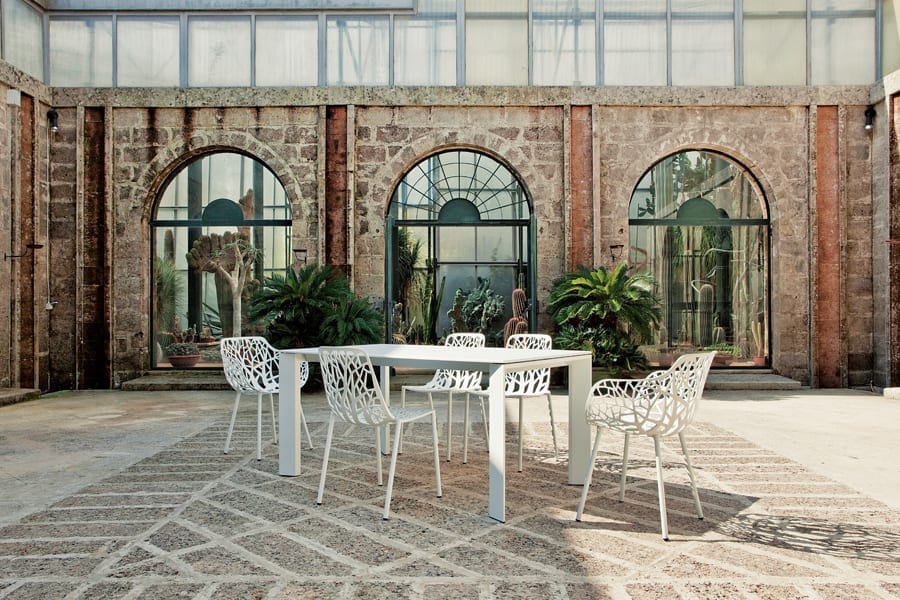
What should I consider when selecting covers for my garden furniture?
When selecting covers for your garden furniture, there are several factors to consider to ensure proper protection and longevity of your outdoor furniture. Here are some key considerations:
1. Size and Fit:
Choose covers that are specifically designed to fit your furniture pieces. Measure the dimensions of your furniture, including width, depth, and height, and select covers that match those measurements. A well-fitting cover will provide better protection and prevent damage from exposure to the elements.
2. Material and Durability:
Opt for covers made from durable and weather-resistant materials. Common options include polyester, vinyl, and specialized outdoor fabrics. These materials should be waterproof, UV-resistant, and able to withstand varying weather conditions. Look for covers with reinforced seams and strong fastening mechanisms for added durability.
3. Breathability:
Consider covers that offer breathability to prevent the buildup of moisture and condensation. Breathable covers allow air circulation, which helps prevent mold, mildew, and rust from forming on your furniture.
4. Easy Installation and Removal:
Choose covers that are easy to install and remove. Look for covers with elastic hems, drawstrings, or fastening straps that provide a secure and snug fit. Covers that are easy to put on and take off make it more convenient to protect and uncover your furniture as needed.
5. Ventilation and Airflow:
Ensure that the covers have vents or mesh panels to allow for proper airflow. Ventilation helps prevent the buildup of heat and moisture, which can lead to condensation and potential damage to your furniture.
6. Style and Aesthetics:
If aesthetics are important to you, consider covers that complement the overall look and style of your outdoor space. Some covers come in a variety of colors and designs, allowing you to choose options that blend well with your garden decor.
7. Storage and Portability:
Keep in mind the storage and portability of the covers when they are not in use. Look for covers that are easy to fold or roll up for compact storage. Additionally, consider covers that come with their own storage bags or cases for convenience.
8. Brand and Reviews:
Research and choose reputable brands known for producing high-quality covers. Read customer reviews and ratings to get insights into the performance and durability of the covers you are considering.
By considering these factors, you can select covers that provide effective protection for your garden furniture, keeping it safe from rain, sun, dirt, and other outdoor elements. Properly covering your furniture when not in use helps prolong its lifespan and reduces the need for extensive cleaning and maintenance.
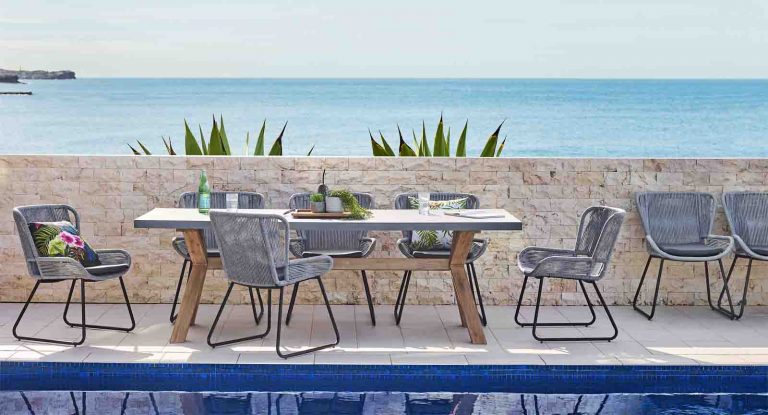
What are the top considerations for selecting garden furniture near a pool?
When selecting garden furniture to be placed near a pool, there are several important considerations to keep in mind. These considerations help ensure that the furniture is suitable for the poolside environment and enhances your outdoor experience. Here are the top factors to consider:
1. Material Durability:
Choose garden furniture made from materials that are durable and can withstand exposure to water, sunlight, and pool chemicals. Common materials for poolside furniture include aluminum, teak, wrought iron, resin wicker, and certain types of plastic. These materials are known for their resistance to rust, fading, and deterioration in outdoor settings.
2. Water and Moisture Resistance:
Opt for furniture that is water and moisture resistant, as it will be exposed to splashes from the pool and occasional wet conditions. Look for cushions and upholstery made from quick-drying and water-resistant fabrics. Additionally, consider furniture with slatted designs or mesh materials that allow for better water drainage and airflow.
3. UV Resistance:
Ensure that the garden furniture you choose is UV resistant to protect it from sun damage. Prolonged exposure to sunlight can cause fading, discoloration, and deterioration of materials. Look for furniture with UV-resistant finishes or materials that are specially designed to withstand the sun’s rays.
4. Easy Maintenance:
Select furniture that is easy to clean and maintain, as poolside areas can be prone to dirt, splashes, and other debris. Consider furniture with smooth surfaces, stain-resistant fabrics, or removable and washable cushion covers. Furniture that requires minimal upkeep will save you time and effort in the long run.
5. Comfort and Ergonomics:
Choose poolside furniture that offers comfort and ergonomic support. Look for chairs and loungers with adjustable features, such as reclining backrests and removable cushions. Additionally, consider furniture with armrests and supportive seating that allows for comfortable relaxation by the pool.
6. Safety Features:
Prioritize safety when selecting garden furniture near a pool. Avoid furniture with sharp edges or protruding parts that could pose a hazard, especially if you have children or pets. Opt for furniture with stable and sturdy construction that can withstand accidental bumps or knocks.
7. Style and Aesthetics:
Consider the style and aesthetics of the garden furniture to ensure it complements the overall poolside area. Choose furniture that aligns with your preferred design theme and enhances the visual appeal of the space. Whether you prefer modern, contemporary, or more traditional styles, select furniture that harmonizes with your outdoor environment.
8. Portability and Storage:
If you prefer flexibility or need to store the furniture during certain seasons, consider the portability and storage options. Look for lightweight furniture that is easy to move around, especially if you plan to rearrange the seating arrangement. Additionally, consider folding or stackable furniture that can be conveniently stored when not in use.
By considering these factors, you can choose garden furniture that is well-suited for the poolside environment, enhances your outdoor space, and provides comfort and durability for years to come.
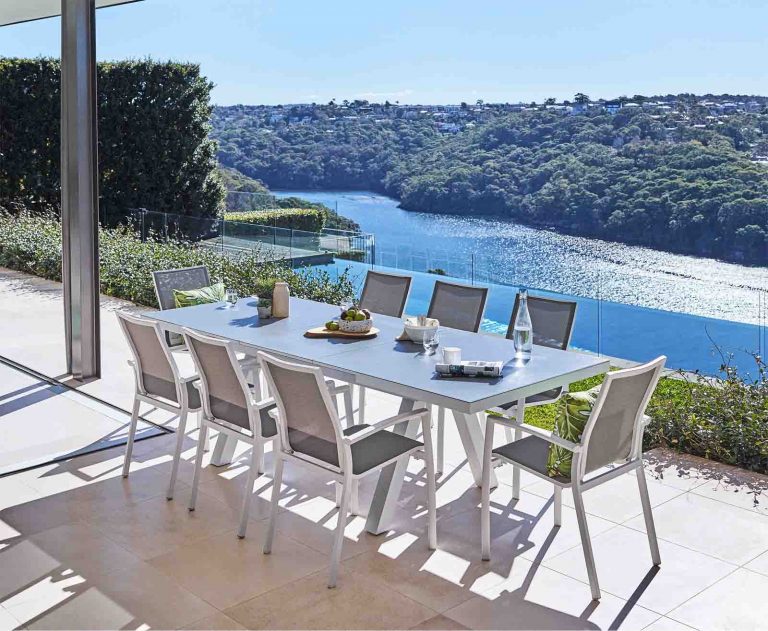
Can you recommend affordable garden furniture options for a tight budget?
If you have a tight budget but still want to furnish your garden with affordable options, there are several choices available. Here are some recommendations for affordable garden furniture:
1. Plastic Furniture:
Plastic furniture is often more budget-friendly compared to other materials. It is lightweight, easy to clean, and resistant to weather conditions. Look for plastic chairs, tables, and loungers that are designed for outdoor use.
2. Folding Furniture:
Folding furniture is a practical and cost-effective option for outdoor spaces. These pieces are versatile and can be easily folded and stored when not in use. Folding chairs, tables, and benches are available at affordable prices and can provide seating and dining options for your garden.
3. Wooden Furniture:
Wooden furniture can be more affordable than other materials, especially if you choose softwood options like pine or spruce. While these may require more maintenance and may not be as durable as hardwoods, they can still provide a natural and budget-friendly option for your garden.
4. DIY and Upcycled Furniture:
If you’re feeling creative, consider DIY (Do-It-Yourself) or upcycled furniture projects. You can repurpose old furniture or materials to create unique and affordable pieces for your garden. Look for tutorials and inspiration online to get started.
5. Secondhand or Thrifted Furniture:
Check out local thrift stores, yard sales, or online marketplaces for secondhand garden furniture. You may find pre-owned pieces in good condition at significantly lower prices. With some cleaning and minor repairs, you can have affordable and functional furniture for your garden.
6. Sales and Clearance:
Keep an eye out for sales and clearance events at furniture stores or online retailers. These often offer discounted prices on outdoor furniture, allowing you to find affordable options within your budget.
7. Rent or Borrow:
If you only need furniture for a short period or for occasional use, consider renting or borrowing from friends or family. This can be a cost-effective solution that allows you to enjoy outdoor furniture without making a long-term investment.
Remember, while affordable options may have some trade-offs in terms of durability or style, with proper care and maintenance, they can still provide functional and enjoyable outdoor seating and dining areas on a tight budget.
editor by CX 2023-12-08
China high quality Modern Furniture Outdoor Sofa Set Garden Large Deep Seat Sectional Sofa Set with Cushion supplier
Product Description
Upgrated Comfort:The patio rattan chairs are wide and deep that provide enough room to seat comfortably. And
the cushions of the furniture set use a high-density rebound sponge and make you feel relax whatever sitting or lying.
Durable and Sturdy: This sofa set is made of high quality PE rattan wicker and steel frame, while having a sleek and
stylish finish. Hand woven PE rattan – strong, durable, lightweight and water resistant, can withstand changeable weather.
Perfect for Outdoor Gathering: Simple modern and stylish, this rattan patio set is the perfect addition to your backyard,
garden, patio, poolside, balcony! You can enjoy a good leisure time with your family and friends.
Easy to Maintain: Table with tempered glass allows you to place drinks, meals, or decorative items on top and easy to clean.
Water resistant cushions with removable covers make cleaning and maintenance easier.
Features:
1) Frame : Aluminium / teak wood
2) Cushion in full high quality density foam / quick dry foam
3) Material : high quality PE rattan (wicker) / Rope, can be exposed in all weather
5) Fabric : 100% polyester , UV and water resistance, Sunbrella / Sunproof / Spuncrylic / CHINAMFG Peacock
6) Mesh : Batyline / Spuncrylic / BX native mesh
7) Excellent Hand weaving Technique with fashion design.
8) High Quality with competitive price, 100% handmade, excellent hand weaving technique with fashion design
9) 10 persons R&D team focus on drawing and sample making.
| Material | rattan/wicker |
| Application | household,hotel,shops etc. |
Q: Do you provide samples?
A: After price confirmation, Yes, free samples are available, but customer cover the express cost.
Q: How many days for your lead time?
A: Usually we have the normal models in stock. Around 20 days after deposit payment for the mass production if the models out of stock.
Q: What is your terms of delivery ?
A: We accept EXW, FOB, CFR ,CIF etc. You can choose the way which is the most convenient or cost effective for you.
Q: How can we guarantee the quality?
A: We control the production procedure very strictly ,and we will always do the final inspection before shipment.
Q: What is your payment term?
A: We accept 30% deposit when order confirm, 70% balance payment before shipment.
Q: When can we get your quotation?
A: Please send us all your detailed requests, We will reply you within 24 hours.
Our Services & Strength
we are the professional factory with produce lines. support OEM or ODM service, and we can provide free sample for your reference.
| Frame Material: | Wood |
|---|---|
| Style: | Modern |
| Type: | Single |
| Usage: | Bar, Cafe, Restaurant |
| Folded: | Unfolded |
| Customized: | Customized |
| Samples: |
US$ 0/Piece
1 Piece(Min.Order) | |
|---|
| Customization: |
Available
|
|
|---|
What are the advantages of using teak wood for garden furniture?
Teak wood is a popular choice for garden furniture due to its numerous advantages. Here are some key advantages of using teak wood for your garden furniture:
1. Natural Durability:
Teak wood is naturally durable and known for its exceptional strength and resistance to outdoor elements. It contains natural oils that act as a protective barrier against moisture, pests, and rot. These properties make teak wood highly suitable for outdoor use, as it can withstand exposure to rain, sun, and fluctuating temperatures.
2. Weather Resistance:
Teak wood’s natural oils also contribute to its excellent weather resistance. It is highly resistant to warping, cracking, and splitting, even when exposed to harsh weather conditions. This makes teak wood an ideal choice for garden furniture that needs to withstand the elements year-round.
3. Low Maintenance:
Teak wood requires minimal maintenance compared to other types of wood. Its natural oils help preserve the wood’s integrity and protect it from moisture damage, reducing the need for frequent sealing or staining. Simply cleaning the furniture periodically with mild soap and water is usually sufficient to maintain its appearance.
4. Longevity:
Teak wood is renowned for its longevity. When properly cared for, teak furniture can last for many years, often outlasting other types of outdoor furniture materials. Its durability and resistance to decay make it a long-term investment for your garden.
5. Aesthetic Appeal:
Teak wood has a beautiful natural golden hue that weathers to an attractive silver-gray patina over time. Many people appreciate the warm and timeless appearance of teak furniture, which can enhance the aesthetic appeal of any garden or outdoor space.
6. Versatility:
Teak wood’s versatility is another advantage. It can be easily crafted into various furniture designs, ranging from classic to contemporary styles. Whether you prefer traditional or modern aesthetics, teak furniture can complement a wide range of outdoor settings and personal preferences.
7. Sustainable and Eco-Friendly:
Teak wood is often sourced from sustainable plantations and is considered an eco-friendly choice for furniture. Well-managed teak plantations ensure the replenishment of trees and promote responsible forestry practices.
8. Investment Value:
Teak furniture is often regarded as an investment due to its durability and longevity. While the initial cost of teak furniture may be higher compared to some other materials, its longevity and minimal maintenance requirements can make it a cost-effective choice in the long run.
These advantages make teak wood a highly desirable option for garden furniture. Its natural durability, weather resistance, low maintenance, longevity, aesthetic appeal, versatility, sustainability, and investment value combine to create a compelling choice for outdoor furniture that can withstand the test of time.
What are the top considerations for selecting garden furniture near a pool?
When selecting garden furniture to be placed near a pool, there are several important considerations to keep in mind. These considerations help ensure that the furniture is suitable for the poolside environment and enhances your outdoor experience. Here are the top factors to consider:
1. Material Durability:
Choose garden furniture made from materials that are durable and can withstand exposure to water, sunlight, and pool chemicals. Common materials for poolside furniture include aluminum, teak, wrought iron, resin wicker, and certain types of plastic. These materials are known for their resistance to rust, fading, and deterioration in outdoor settings.
2. Water and Moisture Resistance:
Opt for furniture that is water and moisture resistant, as it will be exposed to splashes from the pool and occasional wet conditions. Look for cushions and upholstery made from quick-drying and water-resistant fabrics. Additionally, consider furniture with slatted designs or mesh materials that allow for better water drainage and airflow.
3. UV Resistance:
Ensure that the garden furniture you choose is UV resistant to protect it from sun damage. Prolonged exposure to sunlight can cause fading, discoloration, and deterioration of materials. Look for furniture with UV-resistant finishes or materials that are specially designed to withstand the sun’s rays.
4. Easy Maintenance:
Select furniture that is easy to clean and maintain, as poolside areas can be prone to dirt, splashes, and other debris. Consider furniture with smooth surfaces, stain-resistant fabrics, or removable and washable cushion covers. Furniture that requires minimal upkeep will save you time and effort in the long run.
5. Comfort and Ergonomics:
Choose poolside furniture that offers comfort and ergonomic support. Look for chairs and loungers with adjustable features, such as reclining backrests and removable cushions. Additionally, consider furniture with armrests and supportive seating that allows for comfortable relaxation by the pool.
6. Safety Features:
Prioritize safety when selecting garden furniture near a pool. Avoid furniture with sharp edges or protruding parts that could pose a hazard, especially if you have children or pets. Opt for furniture with stable and sturdy construction that can withstand accidental bumps or knocks.
7. Style and Aesthetics:
Consider the style and aesthetics of the garden furniture to ensure it complements the overall poolside area. Choose furniture that aligns with your preferred design theme and enhances the visual appeal of the space. Whether you prefer modern, contemporary, or more traditional styles, select furniture that harmonizes with your outdoor environment.
8. Portability and Storage:
If you prefer flexibility or need to store the furniture during certain seasons, consider the portability and storage options. Look for lightweight furniture that is easy to move around, especially if you plan to rearrange the seating arrangement. Additionally, consider folding or stackable furniture that can be conveniently stored when not in use.
By considering these factors, you can choose garden furniture that is well-suited for the poolside environment, enhances your outdoor space, and provides comfort and durability for years to come.
How do I clean and maintain my garden furniture to keep it looking new?
To keep your garden furniture looking new and well-maintained, regular cleaning and proper maintenance are essential. Here are some steps you can follow to clean and maintain your garden furniture:
1. Read the Manufacturer’s Instructions:
Before cleaning your garden furniture, refer to the manufacturer’s instructions and guidelines. Different materials and finishes may require specific cleaning methods or products. Adhering to the manufacturer’s recommendations ensures that you don’t accidentally damage the furniture.
2. Remove Debris:
Start by removing any loose dirt, leaves, or debris from your furniture. Use a soft brush or a cloth to gently sweep away the debris. Pay attention to crevices and corners where dirt may accumulate.
3. Clean with Mild Soap and Water:
For most types of garden furniture, a solution of mild soap and water is sufficient for cleaning. Mix a small amount of mild dish soap or a gentle outdoor furniture cleaner with water. Use a sponge or a soft cloth to clean the surfaces of the furniture, including the frames, tabletops, and seating areas. Rinse thoroughly with clean water afterward.
4. Address Stains Promptly:
If you notice any stains on your furniture, address them promptly. Blot liquid stains with a clean cloth and mild soap solution. For tougher stains, you may need to use a specialized cleaner recommended for the specific material of your furniture. Follow the instructions on the cleaner and test it on a small, inconspicuous area before applying it to the entire surface.
5. Treat Wooden Furniture:
If you have wooden garden furniture, additional care is required. Regularly inspect the wood for signs of cracking, peeling, or discoloration. If necessary, sand the surface lightly and apply a protective finish or outdoor furniture oil to maintain its appearance and protect it from moisture.
6. Maintain Metal Furniture:
Metal garden furniture may require occasional maintenance to prevent rust or corrosion. Check for any signs of rust and remove it using a wire brush or sandpaper. Apply a rust-resistant paint or a protective spray to any exposed metal surfaces.
7. Store or Cover:
When not in use, consider storing your garden furniture indoors or covering it with weatherproof furniture covers. This protects the furniture from the elements and extends its lifespan. Ensure that the furniture is clean and dry before covering or storing it to prevent the growth of mold or mildew.
8. Regularly Inspect and Repair:
Periodically inspect your garden furniture for any signs of wear, loose screws, or damaged parts. Tighten any loose screws or bolts and make necessary repairs promptly to prevent further damage.
By following these cleaning and maintenance practices, you can keep your garden furniture looking new and prolong its lifespan. Regular care and attention will help preserve its appearance and functionality for years to come.
editor by CX 2023-12-07
China high quality Patio Outdoor Furniture CHINAMFG Frame Garden Rattan Chairs manufacturer
Product Description
patio outdoor furniture aluminum frame garden rattan chairs
Product Description
TANFLY supplies high quality all weather wicker dining chair, poly rattan garden dining table, and outdoor dining sets.
It’s prefect for garden but also beautiful enough to decorate dining rooms.
hot sales PE rattan dining chairs
Detailed Product Description
Rattan furniture
1. CHINAMFG frame
2. Rattan: non-recycled PE Rattan, durable and UV resistant
3. Waterproof fabric cushion
Advantages:
1.100% hand-woven by skilled craftsmen.
2. Both suitable for indoor & outdoor place.
3. Good UV radiation, high temperature resistant, weather resistant, color fadeless.
4. with water repellent comfortable cushions for option.
5. PE rattan & cushion & pillows color as you like.
6. High quality environment-friendly products with most competitive price.
7. All products offer at least 2 years guarantee.
8. OEM or ODM available.
PE rattan color available: black, brown, grey, silver, white Color etc is optional.
Cushion color available: aniseed, turquoise, raspberry, mastic, chocolate, emerald, anthracite, white,etc.
Rattan color and cushion color can be optional.
Related Products
Company Information
HangZhou Tanfly Furniture Co.,Ltd specializes in manufacturing outdoor furniture for over the years. We mainly focus on various outdoor furniture,such as sing chair,outdoor sofa etc.Enjoy the beauty of our all weather kind of outdoor furniture. We will create furniture for what you desire because you are important to us.
* Scale: 10 Years’ experience, more than 100 employees and 7000 square CHINAMFG factory, 2000 square CHINAMFG showroom and office.
* Quality: SGS approved.
* Capacity: more than 300*40HQ containers of furniture capability per year.
* Delivery: Efficient OA order system makes sure delivery 15-25 days.
* After sales: All complains handle within 1-3 days.
* R&D: 4 person R&D team focus on outdoor furnitures, at least 1 new catalouge per year released.
* One stop outdoor furniture solution: TANFLY provides perfect outdoor furniture solution.If you need any other outdoor furnitures that we can not produce, we can help outsourcing for our buyers.
We are glad to hear your inquiry soon. Thank you for dropping by on our website.
Our Services
Before-sale:
1. we have international busniess department, offering professional replies in time;
2. we have OEM service, could soon offer quotation based on customerized requirements;
3. we have people in factory who specailly work with sales, enabling us answering and solving issues very fast and reliabl, like sending some samples, taking HD photos, etc;
After-sale:
1. we have professional after-sale service team, aiming at dealing with all possible problems for our customer soonest and properly, including compensation and refund, etc;
2. we have sales that will regular send our new models to our customers, and also new signs appeared in their markets based on our data;
3. we pay much attention to product quality and business situation of our customers, and would help them to do their busniess well.
FAQ
Q1: What kind of payment terms are accepted?
A:T/T(Telegraphic Transfer)
B:Western Union
C:Paypal
D:MoneyGram
Q2: When can the goods be delivered after order is placed?
Depends your customized products, it can be from 10 days to 30 days,
Normal products ,we can delivery at once as we have stock ,most of items we can delivery in 15-20 working days!the exact delivery time will be specified in proforma invoice once order is confirmed.
Q3: How long it takes before customers can receive the goods?
Besides production time mentioned above, usually it takes maximum 10-25 days for shipment to any destination port around the world. its depend on your port and we will choose the fast shipment method for you to make sure you get goods earlier!
Q4: Are items shown on website ready to deliver after order is placed?
Most of the items are needed to be made once order is confirmed.Stock items may be available due to different seasons,please contact our staff for detail information.
Q5: How can I get quotation and make order?
Just simply inform our staff item numbers(or link) of the items you are interested in and we will prepare detail quotation for you. Proforma invoice will be issued once order is confirmed and production will be started once advance payment is finalized.
Our Advantages
1. we are original manufacturer with our own factory for over 10 years experiences engaging in rattan furnitures outdoors, handmade rattan swing chairs, which enables us a better quality control, delivery time and prompt professional after-sale service;
2. we have flexibility in dealing with customized model, rattan, cushion, and can provide timely photos of customerized items to ensure no misunderstanding before the delivery;
3. we have our own R&D team, international business team and after-sales service team, ensuring no risks after the purchase;
4. we have always insisted on doing business based on quality, trust and mutual benifits. We trust our customer as partners, highly appreciate our friendship, and try our best to help them to expand their business.
Looking CHINAMFG to your inquiry and welcomed to visit us !
| Material: | Rattan / Wicker |
|---|---|
| Style: | Simple |
| Folded: | Unfolded |
| Usage: | Hotel, Dining Room, Outdoor |
| Condition: | New |
| Customized: | Customized |
| Customization: |
Available
|
|
|---|
How do aluminum chairs enhance the overall aesthetics of indoor and outdoor spaces?
Aluminum chairs have the ability to enhance the overall aesthetics of both indoor and outdoor spaces. Their design, material properties, and versatility contribute to creating an appealing and cohesive environment. Here’s how aluminum chairs enhance the aesthetics of indoor and outdoor spaces:
1. Sleek and Modern Design:
Aluminum chairs often feature sleek and modern designs that add a contemporary touch to any space. They have clean lines, smooth surfaces, and minimalist profiles that create a visually appealing look. These chairs can complement a variety of interior design styles, from modern and industrial to minimalist and Scandinavian, adding a touch of sophistication and elegance to indoor spaces.
2. Range of Styles and Finishes:
Aluminum chairs come in a wide range of styles and finishes, allowing for customization and coordination with the existing decor. Whether you prefer a polished metallic look, a matte finish, or even vibrant colors, there are aluminum chair options to suit various design preferences. The availability of different styles and finishes enables you to choose chairs that seamlessly blend with the overall aesthetic of the space.
3. Visual Lightness:
Aluminum chairs have a visual lightness due to their lightweight nature and slender profiles. This lightness creates an open and airy atmosphere, making the space feel more spacious and inviting. In indoor settings, aluminum chairs can help create an uncluttered and modern ambiance. Outdoors, the visual lightness of aluminum chairs allows the natural surroundings to take focus, enhancing the overall aesthetic appeal of the outdoor space.
4. Contrast and Complement:
Aluminum chairs can be used to create visual contrast or complement other elements in the space. For instance, in indoor settings with wooden floors or tables, the sleek metallic finish of aluminum chairs can provide an interesting contrast that adds visual interest. Alternatively, aluminum chairs can be chosen to match or complement other metallic accents or materials present in the space, creating a cohesive and harmonious design scheme.
5. Indoor-Outdoor Continuity:
Aluminum chairs are versatile and can seamlessly transition between indoor and outdoor spaces. Using the same or similar aluminum chairs in both areas creates a sense of continuity and connection. This continuity enhances the overall aesthetic appeal of the space, as the design elements flow cohesively from one area to another. It also allows for a seamless transition for users, maintaining a consistent visual language throughout the environment.
6. Weather Resistance:
For outdoor spaces, aluminum chairs offer practical benefits in addition to aesthetics. Their weather-resistant properties make them suitable for use in various climates and outdoor environments. They can withstand exposure to sunlight, rain, and moisture without significant damage or color fading. The ability of aluminum chairs to maintain their appearance and quality over time contributes to the long-term aesthetics of outdoor spaces.
By incorporating aluminum chairs into indoor and outdoor spaces, you can enhance the overall aesthetics by introducing sleek and modern designs, coordinating styles and finishes, creating visual lightness, and achieving continuity and contrast. The versatility and weather-resistant properties of aluminum chairs further contribute to the long-lasting appeal of the spaces they occupy.
How can I maintain and care for my aluminum chairs to extend their lifespan?
To extend the lifespan of your aluminum chairs and keep them looking their best, it’s important to follow proper maintenance and care practices. Here are some tips to help you maintain and care for your aluminum chairs:
1. Regular Cleaning:
Clean your aluminum chairs regularly to remove dirt, dust, and other debris that can accumulate on the surface. Use a mild soap or detergent mixed with water and a soft cloth or sponge to gently clean the chairs. Avoid using abrasive cleaners or brushes that can scratch the aluminum surface.
2. Remove Stains:
If your aluminum chairs develop stains, such as from food or beverages, clean them as soon as possible to prevent the stains from setting in. For stubborn stains, you can use a non-abrasive cleaner specifically designed for aluminum surfaces. Follow the manufacturer’s instructions and rinse the chairs thoroughly after cleaning.
3. Protective Wax or Clear Coat:
Consider applying a protective wax or clear coat to the aluminum chairs to provide an additional layer of protection against the elements. These products can help maintain the chair’s finish and provide resistance to UV rays, moisture, and other environmental factors. Follow the manufacturer’s instructions when applying the protective coating.
4. Avoid Harsh Chemicals:
Avoid using harsh chemicals, solvents, or abrasive cleaners on your aluminum chairs, as they can damage the finish and surface of the chairs. This includes cleaners containing bleach, ammonia, or acidic ingredients. Stick to mild soaps or cleaners specifically formulated for use on aluminum surfaces.
5. Store Properly:
If you plan to store your aluminum chairs during the off-season or in inclement weather, it’s best to store them in a dry and well-ventilated area. Before storing, ensure the chairs are clean and completely dry to prevent moisture buildup, which can lead to corrosion. If possible, cover the chairs with a protective cover to shield them from dust and debris.
6. Inspect for Damage:
Regularly inspect your aluminum chairs for any signs of damage, such as dents, scratches, or loose joints. Promptly address any issues to prevent them from worsening. For minor scratches, you can use touch-up paint specifically designed for aluminum. For more significant damage or structural issues, consult the manufacturer or a professional for appropriate repair options.
By following these maintenance and care tips, you can help extend the lifespan of your aluminum chairs and keep them in excellent condition. It’s also important to refer to the manufacturer’s guidelines and recommendations for specific care instructions, as different chair designs and finishes may have specific requirements.
What are the benefits of using aluminum chairs for indoor and outdoor seating?
Using aluminum chairs for indoor and outdoor seating provides several benefits. Here’s a detailed explanation:
1. Lightweight and Portable: Aluminum chairs are lightweight, making them easy to move and transport. Whether you need to rearrange seating in your living room or set up additional seating for a gathering in your backyard, the lightweight nature of aluminum chairs allows for effortless mobility.
2. Durability: Aluminum chairs are known for their durability. The material is resistant to rust, corrosion, and decay, ensuring that the chairs can withstand regular use and exposure to the elements. This durability makes aluminum chairs a long-lasting seating option for both indoor and outdoor environments.
3. Weather Resistance: Aluminum is highly resistant to outdoor elements, such as rain, sunlight, and temperature fluctuations. This makes aluminum chairs suitable for outdoor seating areas, such as patios or gardens, where they can withstand various weather conditions without deteriorating or losing their structural integrity.
4. Easy Maintenance: Aluminum chairs are relatively low-maintenance. They can be easily cleaned with a damp cloth or mild soap, and they do not require sealing or staining like some other seating materials. This ease of maintenance saves time and effort, allowing you to focus on enjoying the seating areas rather than spending excessive time on upkeep.
5. Variety of Styles: Aluminum chairs come in a wide range of styles, designs, and finishes, allowing you to find chairs that match your indoor or outdoor decor. Whether you prefer modern and sleek designs, classic and traditional styles, or something in between, there are aluminum chairs available to suit your aesthetic preferences.
6. Comfort: Many aluminum chairs are designed with comfort in mind. They often feature ergonomic shapes, contoured seats, and supportive backrests. Some chairs may also have cushions or padding for added comfort during extended sitting periods. The comfort provided by aluminum chairs enhances the overall seating experience, whether indoors or outdoors.
7. Space Efficiency: Aluminum chairs are often designed with space efficiency in mind. They may feature stackable, folding, or nesting capabilities, allowing you to save space when the chairs are not in use. This is particularly beneficial in areas with limited space or when you need to store the chairs during certain times of the year.
8. Versatility: Aluminum chairs are versatile and can be used in various indoor and outdoor settings. Whether it’s a dining room, kitchen, patio, garden, or terrace, aluminum chairs can adapt to different environments and complement different styles of decor. This versatility makes them a practical seating option for a wide range of spaces.
9. Affordability: Aluminum chairs are often more affordable compared to other seating materials, such as wood or metal. This makes them a cost-effective choice, whether you need seating for a small gathering or outfitting a larger space. The affordability of aluminum chairs allows you to stay within your budget without compromising on quality or style.
10. Sustainability: Aluminum is a recyclable material, and using aluminum chairs promotes sustainability. When the chairs reach the end of their lifecycle, they can be recycled and repurposed rather than ending up in landfills. Choosing aluminum chairs for indoor and outdoor seating aligns with environmentally conscious practices.
By using aluminum chairs for both indoor and outdoor seating, you can benefit from their lightweight and portable nature, durability, weather resistance, easy maintenance, variety of styles, comfort, space efficiency, versatility, affordability, and sustainability. These chairs provide practical and functional seating solutions that enhance the overall comfort and aesthetics of your living spaces.
editor by CX 2023-12-07
China factory Modern Outdoor Garden Patio Indoor Home Hotel Living Room Single Sectional Corner Lounge Bed Wicker Interior Furniture Chair Set Leisure Big Lounger Rattan Sofa wholesaler
Product Description
Modern Outdoor Garden Single Sectional Sofa Set Leisure Living Room Lounger Rattan Sofa
| Material | Aluminum and rattan |
| Model | JC1052 |
| Size (CM) | Single sofa: 96*91*86CM |
| Color | Optional |
| Material | rattan |
| Frame | Welded frame. |
| Packing | In stack by paper sheet |
| Loading qty | 23 pcs/40HQ |
| MOQ | I pc |
| Sample | Available. Sample cost can be negotiated to return in the following bulk order. |
| Delivery time | Generally 30 days for full container and days for sample. |
| Warranty | 2 years |
| OEM&ODM | OEM&ODM service is available. We have CHINAMFG capacity to meet your demands. |
*Application: Hotel, restaurant, bistro, bar, cafe terrace as well as garden, balcony, courtyard etc..
*Feature: Anti UV, waterproof, environmental friendly, easy maintenance, comfortable and durable.
*More Designs:
*Bamboo look color and rattan color selections:
*Production Flow:
*Company profile:
HangZhou City Dream Gate Furniture Co., Ltd. is more than 10000 square meters; a professional manufacturer, ranging from outdoor rattan furniture to iron furniture, like iron table base and iron chair, and table. Our bamboo look furniture, and fabric furniture, is well acknowledged by European, American market. For long term business relationships, we always provided high quality goods and competitive price.
Dream Gate has been this business for over 10 years, and we have a Germany designs as our product Design Consultants, we have several professional assembly lines for framing, joining, spraying, painting and weaving. For the quality issue, we have a strict quality control department, every finished product has to pass our 2 times QC. Our goods are suitable for outdoor events, garden, bistro, beach, café shop, dining room, hotel, resort and bar. To meet our clients’ requirement, we have done a lot OEM project. I surely believe, we can create a bright future by our best efforts.
*Fairs:
*Certificate:
| Material: | Rattan |
|---|---|
| Frame Material: | Metal |
| Style: | European |
| Samples: |
US$ 608/Set
1 Set(Min.Order) | Order Sample |
|---|
| Customization: |
Available
|
|
|---|
.shipping-cost-tm .tm-status-off{background: none;padding:0;color: #1470cc}
|
Shipping Cost:
Estimated freight per unit. |
about shipping cost and estimated delivery time. |
|---|
| Payment Method: |
|
|---|---|
|
Initial Payment Full Payment |
| Currency: | US$ |
|---|
| Return&refunds: | You can apply for a refund up to 30 days after receipt of the products. |
|---|
Are there any child-friendly outdoor furniture options for families?
Yes, there are several child-friendly outdoor furniture options available for families. These options prioritize safety, durability, and functionality to create a suitable outdoor space for children. Here are some examples:
1. Plastic and Resin Furniture:
Plastic and resin furniture is a popular choice for families with children. These materials are lightweight, easy to clean, and resistant to stains, making them ideal for outdoor use. Additionally, they are often available in a variety of bright colors and playful designs that can appeal to children.
2. Rounded and Soft Edges:
When selecting outdoor furniture for families with young children, consider furniture with rounded and soft edges. This helps minimize the risk of injuries in case of accidental bumps or falls. Look for furniture sets that have smooth, curved edges and avoid sharp corners.
3. Adjustable and Stackable Furniture:
Opt for outdoor furniture that is adjustable and stackable. This allows you to customize the furniture arrangement based on your family’s needs and provides easy storage when the furniture is not in use. Adjustable chairs and tables can accommodate children of different ages and sizes.
4. Weather-Resistant and Easy to Clean:
Choose outdoor furniture that is weather-resistant and easy to clean. This ensures that the furniture can withstand exposure to the elements and can be quickly cleaned after messy outdoor play. Look for materials such as treated wood, aluminum, or synthetic wicker that are known for their durability and low maintenance.
5. Picnic Tables and Benches:
Picnic tables and benches are excellent options for families with children. They provide ample seating space and are often designed with durability in mind. Look for picnic tables with attached benches or benches with backrests to ensure comfortable seating for children.
6. Outdoor Bean Bags and Cushions:
Outdoor bean bags and cushions can provide a fun and comfortable seating option for children. They are lightweight, easy to move around, and can be placed directly on the ground or on outdoor rugs. Look for bean bags and cushions made from water-resistant materials that are suitable for outdoor use.
7. Shade Structures and Umbrellas:
Consider adding shade structures or umbrellas to your outdoor space to protect children from direct sunlight. This allows them to enjoy the outdoor furniture comfortably and reduces the risk of sunburn. Look for umbrellas with adjustable heights and sturdy bases for added stability.
8. Play Equipment Integration:
Some outdoor furniture options can be integrated with play equipment, such as tables with built-in sandboxes or chairs with attached swings. These multi-functional pieces of furniture can provide additional entertainment for children while maximizing the use of outdoor space.
When selecting child-friendly outdoor furniture, it’s important to prioritize safety, durability, and age appropriateness. Consider the specific needs and preferences of your family to create an outdoor space that is enjoyable and safe for children of all ages.
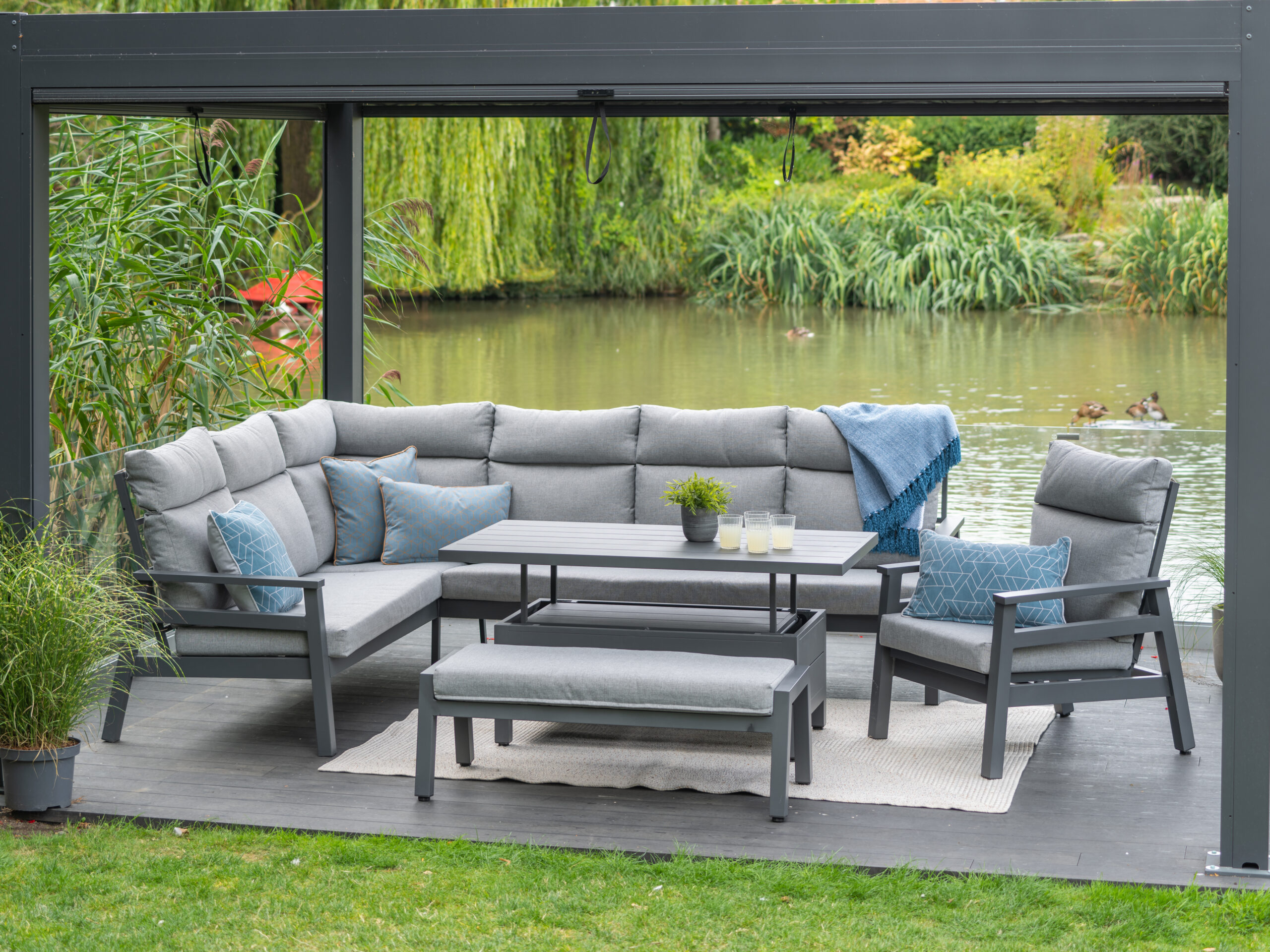
What are the pros and cons of using metal vs. wooden outdoor furniture?
When choosing outdoor furniture, both metal and wooden options have their own set of advantages and disadvantages. Here’s a breakdown of the pros and cons of each:
Metal Outdoor Furniture:
Pros:
- Durability: Metal furniture, such as aluminum, wrought iron, or stainless steel, is generally more durable and long-lasting than wood.
- Weather Resistance: Metal furniture is often resistant to the elements, including rain, sun exposure, and pests. It can withstand harsh weather conditions better than some wood options.
- Low Maintenance: Metal furniture typically requires minimal maintenance. It is easy to clean and does not require regular staining or sealing like wood.
- Stability: Metal furniture is generally more stable and less prone to warping or sagging over time.
- Modern Aesthetic: Metal furniture can lend a sleek and contemporary look to outdoor spaces.
Cons:
- Heat Absorption: Metal furniture can absorb heat and become hot to the touch when exposed to direct sunlight.
- Weight: Some metal furniture can be heavy, which can make it more difficult to move or rearrange.
- Price: Higher-quality metal furniture can be more expensive than wooden alternatives.
- Style Limitations: Metal furniture may have fewer design options compared to wood, limiting the variety of styles available.
Wooden Outdoor Furniture:
Pros:
- Natural Beauty: Wood furniture offers a warm and natural aesthetic that many people find appealing.
- Customization: Wood can be easily shaped, carved, and customized to create unique furniture pieces.
- Comfort: Wood furniture is often more comfortable to sit on than metal, especially with the addition of cushions or padding.
- Availability: Wooden outdoor furniture is widely available in various styles and price ranges.
Cons:
- Maintenance: Wood furniture requires regular maintenance, including staining, sealing, and occasional refinishing, to protect it from moisture, pests, and sun damage.
- Weather Sensitivity: Some types of wood are more susceptible to weather damage, such as warping, splitting, or rotting, if not properly maintained.
- Weight and Fragility: Wooden furniture can be heavy and more fragile than metal, making it susceptible to damage from strong winds or accidental impacts.
- Pest Attraction: Wood furniture can be attractive to pests like termites or carpenter bees if not properly treated or maintained.
When choosing between metal and wooden outdoor furniture, consider factors such as your preferred style, the climate in your area, maintenance requirements, and budget. Both options can provide durable and attractive outdoor seating and dining solutions, so it ultimately comes down to personal preference and specific needs.
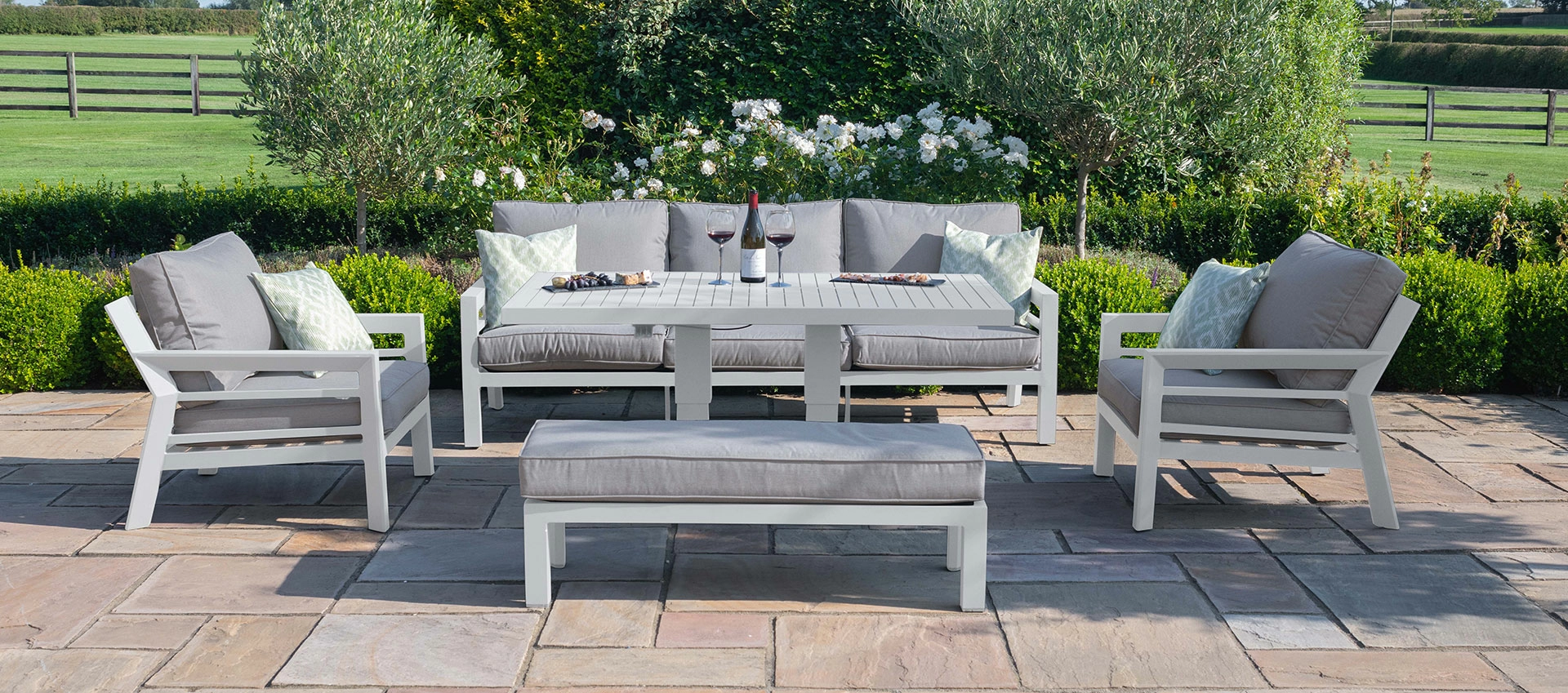
What are the different types of outdoor furniture, such as dining sets and loungers?
Outdoor furniture comes in various types and styles to suit different needs and preferences. Here are some common types of outdoor furniture:
1. Dining Sets: Outdoor dining sets typically consist of a table and chairs designed for outdoor dining. They come in various sizes and materials such as wood, metal, or wicker. Dining sets are ideal for enjoying meals with family and friends in your outdoor space.
2. Loungers and Chaise Lounge: Loungers and chaise lounges are designed for relaxation and sunbathing. They often feature adjustable backrests and can be made from materials like wood, aluminum, or wicker. These pieces are perfect for sunbathing, reading, or taking a nap outdoors.
3. Outdoor Sofas and Sectionals: Outdoor sofas and sectionals provide comfortable seating for lounging and socializing in your outdoor space. They are available in various sizes and configurations, allowing you to customize your seating arrangement. Outdoor sofas and sectionals can be made from materials such as wicker, aluminum, or teak.
4. Outdoor Chairs and Benches: Outdoor chairs and benches are versatile seating options for your outdoor space. They come in different styles, including Adirondack chairs, rocking chairs, and benches. These pieces can be made from materials like wood, metal, or plastic.
5. Outdoor Tables: Outdoor tables are available in different shapes and sizes, including coffee tables, side tables, and accent tables. They can be made from materials such as wood, metal, or glass. Outdoor tables provide surfaces for placing drinks, snacks, or decor items.
6. Outdoor Umbrellas and Shade Structures: Outdoor umbrellas and shade structures offer protection from the sun and provide shade for your outdoor space. They come in various sizes and styles, including market umbrellas, cantilever umbrellas, and pergolas. These structures are often made from materials like aluminum, wood, or fabric.
7. Outdoor Storage: Outdoor storage solutions, such as storage benches or cabinets, are designed to store cushions, pillows, gardening tools, and other outdoor accessories. They provide a convenient storage option while keeping your outdoor space organized.
8. Swings and Hammocks: Swings and hammocks offer a relaxing and playful element to your outdoor space. They come in different designs, including porch swings, hanging hammock chairs, and freestanding hammocks. These pieces are perfect for unwinding and enjoying gentle rocking motions.
These are just a few examples of the different types of outdoor furniture available. When selecting outdoor furniture, consider your space, intended use, and personal preferences to choose the pieces that best suit your needs and style.
editor by CX 2023-12-07
China supplier Outdoor Furniture – Cushion Box (BG-B01) with Best Sales
Product Description
We can supply CHINAMFG furniture, CHINAMFG sofa, bench, stainless steel furniture, outdoor furniture, Outdoor Sofa, Garden Sofa, Rattan Sofa, Leisure Sofa, garden Furniture, patio furniture, leisure furniture etc.
Feature for outdoor furniture / garden Furniture/ Patio Furniture:
1.Stylish, contemporary design.
2.Flexible with different design arrangement.
3.Lightweight, durable and easy to be relocated.
4.Powder-coated CHINAMFG frame;
5. Cushion with waterproof fabric and high density sponge;
6. Skill weaving by handcraft;
7.Ideal for indoor lobby, café, outdoor patio, garden and backyard.
8. Set include 1PC corner sofa, 1PC middle sofa, 1PC longer corner sofa and 1PC coffee table.
9.Packing: carton/paper board and bubble film.
The mini. order quantity:
1) Normally, the MOQ is a 40HQ container. And, it is acceptable to mix loading with 2-3 models in a container.
2) The MOQ for each model is 10-20 sets.
3) We can accept smaller order quantity. But, it will increase the production cost. So, the price will be higher.
The delivery time:
It CHINAMFG on your order quantity and season. Normally, it is 35 working days.
Payment terms:
30% deposit with PI by T/T and 70% balance before shipment by T/T or by L/C at sight.
Packaging:
1) Paper board and bubble film
2) We can do as client’s requirement.
Production Process:
ABOUT US:
Our factory is specialized in designing and producing outdoor furniture for many years. We can supply you the high quality outdoor furniture with below features:
1.High quality PE rattan passed 3000 hours UV-resistant test
2.Powder coated aluminum frame with 1.2mm or 1.5mm thickness
3.38 density sponge or QDF(quick dry foam)
4.Waterproof fabric or SUNBRELLA or SUNPROOF
5.All the products are woven by hand.
6.OEM service offer.
With the CHINAMFG top designers and strict quality control system, we have cooperated with many famous customers in China and around the world, especially the famous hotels, such as Intercontinental Hotels, Hilton Hotel, HangZhou Hotel etc., and also hope to find a way to cooperate with you in the future.
Welcome to visit our factory and our showroom !
With the CHINAMFG top designers and strict quality control system, we have cooperated with many famous customers in China and around the world, especially the famous hotels, such as Intercontinental Hotels, Hilton Hotel, HangZhou Hotel etc., and also hope to find a way to cooperate with you in the future.
| Material: | Rattan / Wicker |
|---|---|
| Style: | Simple |
| Usage: | for Cushion |
| Folded: | Unfolded |
| Customized: | Customized |
| Condition: | Used |
| Samples: |
US$ 179/Set
1 Set(Min.Order) | |
|---|
| Customization: |
Available
|
|
|---|
Are there any child-friendly outdoor furniture options for families?
Yes, there are several child-friendly outdoor furniture options available for families. These options prioritize safety, durability, and functionality to create a suitable outdoor space for children. Here are some examples:
1. Plastic and Resin Furniture:
Plastic and resin furniture is a popular choice for families with children. These materials are lightweight, easy to clean, and resistant to stains, making them ideal for outdoor use. Additionally, they are often available in a variety of bright colors and playful designs that can appeal to children.
2. Rounded and Soft Edges:
When selecting outdoor furniture for families with young children, consider furniture with rounded and soft edges. This helps minimize the risk of injuries in case of accidental bumps or falls. Look for furniture sets that have smooth, curved edges and avoid sharp corners.
3. Adjustable and Stackable Furniture:
Opt for outdoor furniture that is adjustable and stackable. This allows you to customize the furniture arrangement based on your family’s needs and provides easy storage when the furniture is not in use. Adjustable chairs and tables can accommodate children of different ages and sizes.
4. Weather-Resistant and Easy to Clean:
Choose outdoor furniture that is weather-resistant and easy to clean. This ensures that the furniture can withstand exposure to the elements and can be quickly cleaned after messy outdoor play. Look for materials such as treated wood, aluminum, or synthetic wicker that are known for their durability and low maintenance.
5. Picnic Tables and Benches:
Picnic tables and benches are excellent options for families with children. They provide ample seating space and are often designed with durability in mind. Look for picnic tables with attached benches or benches with backrests to ensure comfortable seating for children.
6. Outdoor Bean Bags and Cushions:
Outdoor bean bags and cushions can provide a fun and comfortable seating option for children. They are lightweight, easy to move around, and can be placed directly on the ground or on outdoor rugs. Look for bean bags and cushions made from water-resistant materials that are suitable for outdoor use.
7. Shade Structures and Umbrellas:
Consider adding shade structures or umbrellas to your outdoor space to protect children from direct sunlight. This allows them to enjoy the outdoor furniture comfortably and reduces the risk of sunburn. Look for umbrellas with adjustable heights and sturdy bases for added stability.
8. Play Equipment Integration:
Some outdoor furniture options can be integrated with play equipment, such as tables with built-in sandboxes or chairs with attached swings. These multi-functional pieces of furniture can provide additional entertainment for children while maximizing the use of outdoor space.
When selecting child-friendly outdoor furniture, it’s important to prioritize safety, durability, and age appropriateness. Consider the specific needs and preferences of your family to create an outdoor space that is enjoyable and safe for children of all ages.
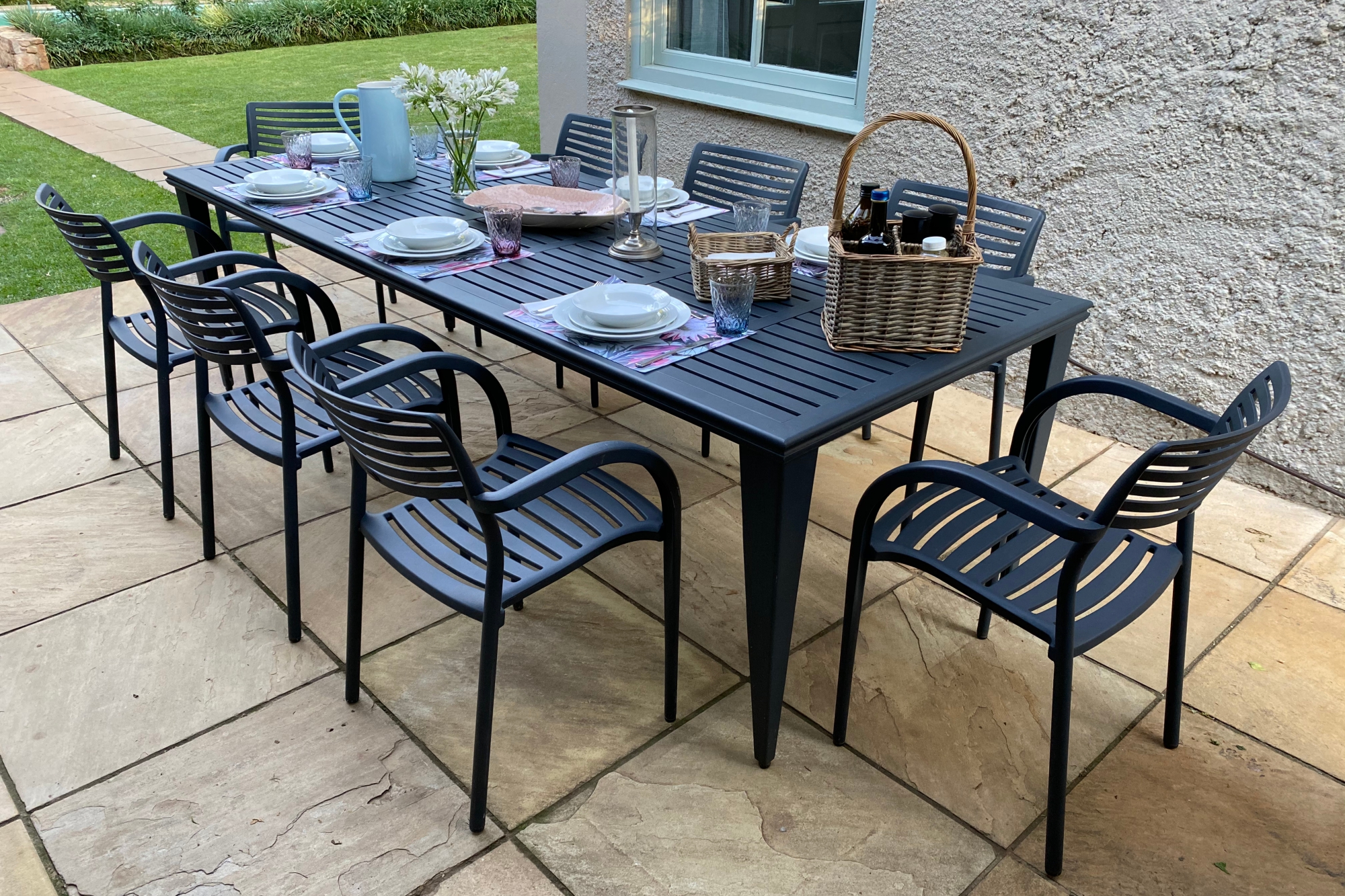
How do I choose the right size outdoor furniture for my space?
Choosing the right size outdoor furniture is crucial to ensure a comfortable and functional outdoor living space. Here are some steps to help you select the appropriate size:
1. Assess Your Space:
Measure the available space in your outdoor area to determine the dimensions you have to work with. Consider the overall layout, including any architectural features, existing structures, and natural elements like trees or slopes that may impact the placement and size of your furniture.
2. Determine the Purpose:
Decide how you plan to use your outdoor space. Will it be primarily for dining, lounging, or a combination of both? This will help determine the type and size of furniture you need.
3. Consider Traffic Flow:
Allow adequate space for people to move around and navigate comfortably. Consider pathways, entrances, and exits to ensure there is enough room for easy movement without feeling cramped.
4. Choose Appropriate Furniture Types:
Based on your space and intended use, select the types of outdoor furniture that best fit your needs. Common options include dining sets, lounge chairs, sofas, benches, and sectional seating arrangements.
5. Take Seat and Table Heights into Account:
Ensure that the seat height of chairs or sofas aligns with the table height for dining sets. This will ensure a comfortable and ergonomic seating arrangement.
6. Allow for Clearance:
Provide ample space around the furniture for easy movement and to avoid feeling cramped. Allow around 18-24 inches of clearance behind chairs for easy access and movement.
7. Consider Scale and Proportion:
Choose furniture that is proportionate to the size of your outdoor space. Oversized furniture can make a small space feel crowded, while undersized furniture may look out of place in a large area.
8. Test and Visualize:
If possible, arrange a mock layout using cardboard or tape to visualize how the furniture will fit in your space. This can help you assess the scale, proportion, and flow before making a final decision.
9. Read Product Specifications:
Pay attention to the dimensions provided by furniture manufacturers. Check the measurements of each piece to ensure it will fit comfortably in your space.
By carefully considering the size, layout, and purpose of your outdoor area, you can choose furniture that fits well and maximizes the functionality and aesthetics of your space.
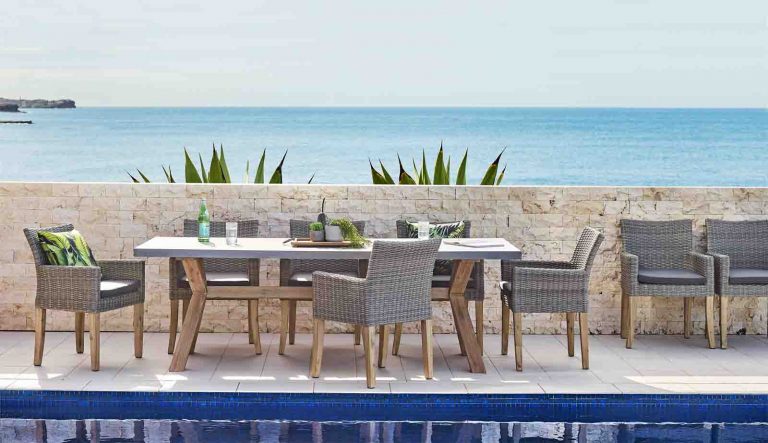
What are the key features to consider when shopping for outdoor furniture?
When shopping for outdoor furniture, there are several key features to consider to ensure you choose the right pieces for your needs and preferences. Here are the key features to keep in mind:
1. Material: The material of the outdoor furniture is crucial as it determines its durability, resistance to the elements, and maintenance requirements. Common materials include teak, aluminum, wrought iron, HDPE wicker, steel, and recycled plastic. Consider the weather conditions, level of maintenance you’re willing to invest, and the desired aesthetic when selecting the material.
2. Comfort: Outdoor furniture should be comfortable for you and your guests to enjoy. Look for features such as ergonomic design, supportive cushions, and adjustable elements like reclining chairs or ottomans. Test the furniture in person, if possible, to ensure it provides the desired level of comfort.
3. Style and Design: Outdoor furniture comes in a variety of styles and designs to suit different tastes and outdoor aesthetics. Consider the overall style of your outdoor space and choose furniture that complements it. Whether you prefer modern, traditional, rustic, or eclectic designs, select furniture that enhances the visual appeal of your patio, deck, or garden.
4. Size and Scale: Before purchasing outdoor furniture, measure the available space and consider the scale of the furniture in relation to the area. Oversized furniture can make a small space feel cramped, while furniture that is too small may look out of place. Ensure the furniture fits well and allows for comfortable movement around it.
5. Functionality: Think about how you plan to use your outdoor space and choose furniture that caters to those needs. Whether you want a dining set for outdoor meals, a lounge area for relaxation, or versatile pieces that can serve multiple purposes, prioritize functionality when selecting outdoor furniture.
6. Maintenance Requirements: Different types of outdoor furniture have varying maintenance requirements. Consider the level of maintenance you’re willing to undertake. Some materials may require regular cleaning, staining, or protective treatments, while others are low-maintenance and only need occasional cleaning. Choose furniture that aligns with your maintenance preferences and capabilities.
7. Budget: Set a budget for your outdoor furniture purchase and consider the quality and longevity of the furniture within that budget. While affordability is important, prioritize quality and durability to ensure your outdoor furniture lasts for years to come.
By considering these key features when shopping for outdoor furniture, you can make informed decisions and select pieces that meet your needs, style, and budget.
editor by CX 2023-12-04