Product Description
|
Model |
BST300AF/BS |
BST300-75AF/BS |
|
Voltage/frequency (V/Hz) |
220-240V/50Hz;110-115v/60Hz |
|
|
Input power(W) |
≤315 |
≤380 |
|
Speed (r/min) |
≥1380 1650 |
≥1380 1650 |
|
Rated pressure (KPa) |
206.8KPaKPa |
206.8KPa |
|
Max pressure(KPa) |
300KPa |
300KPa |
|
Restart pressure (KPa) |
0KPa |
0KPa |
|
vacuum degree(KPa) |
-93KPa |
-93KPa |
|
Rated volume flow (m3/h) |
3.5m3/h@206.8KPa; |
4.5m3/h@206.8KPa |
|
Noise dB(A) |
≤58dB(A) |
≤54dB(A) |
|
Ambient temperature ºC |
-5~40 ºC |
|
|
Insulation Class |
B |
|
|
Cold insulation resistance (MΩ) |
≥100MΩ |
≥100MΩ |
|
Voltage resistance |
1500V/50Hz 1min (No breakdown) |
1500V/50Hz 1min (No breakdown) |
|
Thermal protector |
Automatic reset 135±5ºC |
Automatic reset 135±5ºC |
|
Capacitance (μF) |
6 μF±5% 15μF±5% |
10μF±5% 20 μF±5% |
|
Net weight (Kg) |
6.5Kg |
|
|
Installation Dimensions (mm) |
83×147 mm(Install thread 4-M6) |
|
|
External Dimensions (mm) |
234×103×165 mm |
|
| Typical application | |
| Respirator (ventilator) | oxygenerator |
| Disinfectant sprayer | Blood analyzer |
| Clinical aspirator | Dialysis / hemodialysis |
| Dental vacuum drying oven | Air suspension system |
| Vending machines / coffee blenders and coffee machines | Massage chair |
| Chromatographic analyzer | Teaching instrument platform |
| On board access control system | Airborne oxygen generator |
Why choose CHINAMFG air compressor
1. It saves 10-30% energy than the air compressor produced by ordinary manufacturers.
2. It is widely used in medical oxygen generator and ventilator .
3. A large number of high-speed train and automobile application cases, supporting – 41 to 70 ºC, 0-6000 CHINAMFG above sea level .
4. Medium and high-end quality, with more than 7000 hours of trouble free operation for conventional products and more than 15000 hours of trouble free operation for high-end products.
5. Simple operation, convenient maintenance and remote guidance.
6. Faster delivery time, generally completed within 25 days within 1000 PCs.
Machine Parts
Name: Motor
Brand: COMBESTAIR
Original: China
1.The coil adopts the fine pure copper enameled wire, and the rotor adopts the famous brand silicon steel sheet such as ZheJiang baosteel.
2.The customer can choose the insulation grade B or F motor according to What he wants.
3.The motor has a built-in thermal protector, which can select external heat sensor.
4.Voltage from AC100V ~120V, 200V ~240V, 50Hz / 60Hz, DC6V~200V optional ; AC motor can choose double voltage double frequency ; DC Motor can choose the control of the infinitely variable speed.
Machine Parts
Name: Bearing
Brand: ERB , CHINAMFG , NSK
Original: China ect.
1.Standard products choose the special bearing ‘ERB’ in oil-free compressor, and the environment temperature tolerance from -50ºC to 180 ºC . Ensure no fault operation for 20,000 hours.
2.Customers can select TPI, NSK and other imported bearings according to the working condition.
Machine Parts
Name: Valve plates
Brand: SANDVIK
Original: Sweden
1.Custom the valve steel of Sweden SANDVIK; Good flexibility and long durability.
2.Thickness from 0.08mm to 1.2mm, suitable for maximum pressure from 0.8 MPa to 1.2 MPa.
Machine Parts
Name: Piston ring
Brand: COMBESTAIR-OEM , Saint-Gobain
Original: China , France
1.Using domestic famous brand–Polytetrafluoroethylene composite material; Wear-resistant high temperature; Ensure more than 10,000 hours of service life.
2.High-end products: you can choose the ST.gobain’s piston ring from the American import.
| serial number |
Code number | Name and specification | Quantity | Material | Note |
| 1 | 212571109 | Fan cover | 2 | Reinforced nylon 1571 | |
| 2 | 212571106 | Left fan | 1 | Reinforced nylon 1571 | |
| 3 | 212571101 | Left box | 1 | Die-cast aluminum alloy YL104 | |
| 4 | 212571301 | Connecting rod | 2 | Die-cast aluminum alloy YL104 | |
| 5 | 212571304 | Piston cup | 2 | PHB filled PTFE | |
| 6 | 212571302 | Clamp | 2 | Die-cast aluminum alloy YL102 | |
| 7 | 7050616 | Screw of cross head | 2 | Carbon structural steel of cold heading | M6•16 |
| 8 | 212571501 | Air cylinder | 2 | Thin wall pipe of aluninun alloy 6A02T4 | |
| 9 | 17103 | Seal ring of Cylinder | 2 | Silicone rubber | |
| 10 | 212571417 | Sealing ring of cylinder cover | 2 | Silicone rubber | |
| 11 | 212571401 | Cylinder head | 2 | Die-cast aluminum alloy YL102 | |
| 12 | 7571525 | Screw of inner hexagon Cylinder head | 12 | M5•25 | |
| 13 | 17113 | Sealing ring of connecting pipe | 4 | Silicong rubber | |
| 14 | 212571801 | Connecting pipe | 2 | Aluminum and aluminum alloy connecting rod LY12 | |
| 15 | 7100406 | Screw of Cross head | 4 | 1Cr13N19 | M4•6 |
| 16 | 212571409 | Limit block | 2 | Die-cast aluminum alloy YL102 | |
| 17 | 000402.2 | Air outlet valve | 2 | 7Cr27 quenching steel belt of The Swedish sandvik | |
| 18 | 212571403 | valve | 2 | Die-cast aluminum alloy YL102 | |
| 19 | 212571404 | Air inlet valve | 2 | 7Cr27 quenching steel belt of The Swedish sandvik | |
| 20 | 212571406 | Metal gasket | 2 | Stainless steel plate of heat and acidresistance | |
| 21 | 212571107 | Right fan | 1 | Reinforced nylon 1571 | |
| 22 | 212571201 | Crank | 2 | Gray castiron H20-40 | |
| 23 | 14040 | Bearing 6006-2Z | 2 | ||
| 24 | 70305 | Tighten screw of inner hexagon flat end | 2 | M8•8 | |
| 25 | 7571520 | Screw of inner hexagon Cylinder head | 2 | M5•20 | |
| 26 | 212571102 | Right box | 1 | Die-cast aluminum alloy YL104 | |
| 27 | 6P-4 | Lead protective ring | 1 | ||
| 28 | 7095712-211 | Hexagon head bolt | 2 | Carbon structural steel of cold heading | M5•152 |
| 29 | 715710-211 | Screw of Cross head | 2 | Carbon structural steel of cold heading | M5•120 |
| 30 | 16602 | Light spring washer | 4 | ø5 | |
| 31 | 212571600 | Stator | 1 | ||
| 32 | 70305 | Lock nut of hexagon flange faces | 2 | ||
| 33 | 212571700 | Rotor | 1 | ||
| 34 | 14032 | Bearing 6203-2Z | 2 |
FAQ
Q1: Are you factory or trade company?
A1: We are factory.
Q2: What the exactly address of your factory?
A2: Our factory is located in Linbei industrial area No.30 HangZhou City of ZHangZhoug Province, China
Q3: Warranty terms of your machine?
A3: Two years warranty for the machine and technical support according to your needs.
Q4: Will you provide some spare parts of the machines?
A4: Yes, of course.
Q5: How long will you take to arrange production?
A5: Generally, 1000 pcs can be delivered within 25 days
Q6: Can you accept OEM orders?
A6: Yes, with professional design team, OEM orders are highly welcome
Q7:Can you accept non-standard customization?
A7:We have the ability to develop new products and can customize, develop and research according to your requirements
/* March 10, 2571 17:59:20 */!function(){function s(e,r){var a,o={};try{e&&e.split(“,”).forEach(function(e,t){e&&(a=e.match(/(.*?):(.*)$/))&&1
| After-sales Service: | Remote Guided Maintenance |
|---|---|
| Warranty: | 2 Years |
| Principle: | Mixed-Flow Compressor |
| Samples: |
US$ 60/Piece
1 Piece(Min.Order) | Order Sample |
|---|
| Customization: |
Available
|
|
|---|
.shipping-cost-tm .tm-status-off{background: none;padding:0;color: #1470cc}
| Shipping Cost:
Estimated freight per unit. |
about shipping cost and estimated delivery time. |
|---|
| Payment Method: |
|
|---|---|
|
Initial Payment Full Payment |
| Currency: | US$ |
|---|
| Return&refunds: | You can apply for a refund up to 30 days after receipt of the products. |
|---|
.webp)
What role do air dryers play in compressed air systems?
Air dryers play a crucial role in compressed air systems by removing moisture and contaminants from the compressed air. Compressed air, when generated, contains water vapor from the ambient air, which can condense and cause issues in the system and end-use applications. Here’s an overview of the role air dryers play in compressed air systems:
1. Moisture Removal:
Air dryers are primarily responsible for removing moisture from the compressed air. Moisture in compressed air can lead to problems such as corrosion in the system, damage to pneumatic tools and equipment, and compromised product quality in manufacturing processes. Air dryers utilize various techniques, such as refrigeration, adsorption, or membrane separation, to reduce the dew point of the compressed air and eliminate moisture.
2. Contaminant Removal:
In addition to moisture, compressed air can also contain contaminants like oil, dirt, and particles. Air dryers help in removing these contaminants to ensure clean and high-quality compressed air. Depending on the type of air dryer, additional filtration mechanisms may be incorporated to enhance the removal of oil, particulates, and other impurities from the compressed air stream.
3. Protection of Equipment and Processes:
By removing moisture and contaminants, air dryers help protect the downstream equipment and processes that rely on compressed air. Moisture and contaminants can negatively impact the performance, reliability, and lifespan of pneumatic tools, machinery, and instrumentation. Air dryers ensure that the compressed air supplied to these components is clean, dry, and free from harmful substances, minimizing the risk of damage and operational issues.
4. Improved Productivity and Efficiency:
Utilizing air dryers in compressed air systems can lead to improved productivity and efficiency. Dry and clean compressed air reduces the likelihood of equipment failures, downtime, and maintenance requirements. It also prevents issues such as clogging of air lines, malfunctioning of pneumatic components, and inconsistent performance of processes. By maintaining the quality of compressed air, air dryers contribute to uninterrupted operations, optimized productivity, and cost savings.
5. Compliance with Standards and Specifications:
Many industries and applications have specific standards and specifications for the quality of compressed air. Air dryers play a vital role in meeting these requirements by ensuring that the compressed air meets the desired quality standards. This is particularly important in industries such as food and beverage, pharmaceuticals, electronics, and automotive, where clean and dry compressed air is essential for product integrity, safety, and regulatory compliance.
By incorporating air dryers into compressed air systems, users can effectively control moisture and contaminants, protect equipment and processes, enhance productivity, and meet the necessary quality standards for their specific applications.
.webp)
Can air compressors be used for inflating tires and sporting equipment?
Yes, air compressors can be used for inflating tires and sporting equipment, providing a convenient and efficient method for achieving the desired air pressure. Here’s how air compressors are used for these purposes:
1. Tire Inflation:
Air compressors are commonly used for inflating vehicle tires, including car tires, motorcycle tires, bicycle tires, and even larger truck or trailer tires. Air compressors provide a continuous source of pressurized air, allowing for quick and accurate inflation. They are often used in automotive repair shops, gas stations, and by individuals who regularly need to inflate tires.
2. Sporting Equipment Inflation:
Air compressors are also useful for inflating various types of sporting equipment. This includes inflatable balls such as soccer balls, basketballs, footballs, and volleyballs. Additionally, air compressors can be used to inflate inflatable water toys, air mattresses, inflatable kayaks, and other recreational items that require air for proper inflation.
3. Air Tools for Inflation:
Air compressors can power air tools specifically designed for inflation purposes. These tools, known as inflators or air blow guns, provide controlled airflow for inflating tires and sporting equipment. They often have built-in pressure gauges and nozzles designed to fit different types of valves, making them versatile and suitable for various inflation tasks.
4. Adjustable Pressure:
One advantage of using air compressors for inflation is the ability to adjust the pressure. Most air compressors allow users to set the desired pressure level using a pressure regulator or control knob. This feature ensures that tires and sporting equipment are inflated to the recommended pressure, promoting optimal performance and safety.
5. Efficiency and Speed:
Air compressors provide a faster and more efficient inflation method compared to manual pumps. The continuous supply of compressed air allows for quick inflation, reducing the time and effort required to inflate tires and sporting equipment manually.
6. Portable Air Compressors:
For inflating tires and sporting equipment on the go, portable air compressors are available. These compact and lightweight compressors can be easily carried in vehicles or taken to sports events and outdoor activities, ensuring convenient access to a reliable air supply.
It is important to note that when using air compressors for inflating tires, it is recommended to follow manufacturer guidelines and proper inflation techniques to ensure safety and avoid overinflation.
.webp)
What is the impact of tank size on air compressor performance?
The tank size of an air compressor plays a significant role in its performance and functionality. Here are the key impacts of tank size:
1. Air Storage Capacity: The primary function of the air compressor tank is to store compressed air. A larger tank size allows for greater air storage capacity. This means the compressor can build up a reserve of compressed air, which can be useful for applications that require intermittent or fluctuating air demand. Having a larger tank ensures a steady supply of compressed air during peak usage periods.
2. Run Time: The tank size affects the run time of the air compressor. A larger tank can provide longer continuous operation before the compressor motor needs to restart. This is because the compressed air in the tank can be used to meet the demand without the need for the compressor to run continuously. It reduces the frequency of motor cycling, which can improve energy efficiency and prolong the motor’s lifespan.
3. Pressure Stability: A larger tank helps maintain stable pressure during usage. When the compressor is running, it fills the tank until it reaches a specified pressure level, known as the cut-out pressure. As the air is consumed from the tank, the pressure drops to a certain level, known as the cut-in pressure, at which point the compressor restarts to refill the tank. A larger tank size results in a slower pressure drop during usage, ensuring more consistent and stable pressure for the connected tools or equipment.
4. Duty Cycle: The duty cycle refers to the amount of time an air compressor can operate within a given time period. A larger tank size can increase the duty cycle of the compressor. The compressor can run for longer periods before reaching its duty cycle limit, reducing the risk of overheating and improving overall performance.
5. Tool Compatibility: The tank size can also impact the compatibility with certain tools or equipment. Some tools, such as high-demand pneumatic tools or spray guns, require a continuous and adequate supply of compressed air. A larger tank size ensures that the compressor can meet the air demands of such tools without causing pressure drops or affecting performance.
It is important to note that while a larger tank size offers advantages in terms of air storage and performance, it also results in a larger and heavier compressor unit. Consider the intended application, available space, and portability requirements when selecting an air compressor with the appropriate tank size.
Ultimately, the optimal tank size for an air compressor depends on the specific needs of the user and the intended application. Assess the air requirements, duty cycle, and desired performance to determine the most suitable tank size for your air compressor.


editor by CX 2023-12-30
China manufacturer Oil-Free Oil Free Screw Scroll Piston Medical Industry Iron Ore Machinery Oilless Air Compressor Interchange with CHINAMFG Iwata Compressor air compressor for car
Product Description
Oil-free oil free Screw scroll piston medical industry iron ore machinery Oilless Air Compressor interchange with CHINAMFG iwata compressor
Application of Oilless Compressor
Oilless compressors are used in a wide variety of applications where oil contamination is a concern. Some of the most common applications include:
- Medical: Oilless compressors are used in medical applications where clean air is essential, such as in operating rooms and laboratories.
- Food and beverage: Oilless compressors are used in food and beverage processing where clean air is needed to prevent contamination of food products.
- Electronics: Oilless compressors are used in electronics manufacturing where clean air is needed to prevent damage to sensitive components.
- Pharmaceutical: Oilless compressors are used in pharmaceutical manufacturing where clean air is needed to prevent contamination of drugs.
- Cleaning: Oilless compressors are used in cleaning applications where clean air is needed to prevent damage to surfaces.
Oilless compressors offer a number of advantages over traditional compressors that use oil. Some of the most notable advantages include:
- No oil contamination: Oilless compressors do not produce any oil mist, which can contaminate products and processes.
- Longer life: Oilless compressors have a longer lifespan than traditional compressors because they do not have to be lubricated with oil.
- Quieter operation: Oilless compressors are quieter than traditional compressors because they do not have to pump oil.
- Lower maintenance: Oilless compressors require less maintenance than traditional compressors because they do not have to be lubricated with oil.
Oilless compressors are a good choice for applications where clean air is essential. They offer a number of advantages over traditional compressors that use oil, including no oil contamination, longer lifespan, quieter operation, and lower maintenance.
/* March 10, 2571 17:59:20 */!function(){function s(e,r){var a,o={};try{e&&e.split(“,”).forEach(function(e,t){e&&(a=e.match(/(.*?):(.*)$/))&&1
| After-sales Service: | Installation Guide 1-Year Warranty |
|---|---|
| Warranty: | Installation Guide 1-Year Warranty |
| Principle: | Rotary Compressor |
| Application: | Back Pressure Type, Intermediate Back Pressure Type, High Back Pressure Type, Low Back Pressure Type |
| Performance: | Low Noise, Variable Frequency, Explosion-Proof |
| Mute: | Mute |
| Samples: |
US$ 9999/Piece
1 Piece(Min.Order) | |
|---|
.webp)
Can air compressors be used for gas compression and storage?
Yes, air compressors can be used for gas compression and storage. While air compressors are commonly used to compress and store air, they can also be utilized for compressing and storing other gases, depending on the specific application requirements. Here’s how air compressors can be used for gas compression and storage:
Gas Compression:
Air compressors can compress various gases by utilizing the same principles applied to compressing air. The compressor takes in the gas at a certain pressure, and through the compression process, it increases the pressure and reduces the volume of the gas. This compressed gas can then be used for different purposes, such as in industrial processes, gas pipelines, or storage systems.
Gas Storage:
Air compressors can also be used for gas storage by compressing the gas into storage vessels or tanks. The compressed gas is stored at high pressure within these vessels until it is needed for use. Gas storage is commonly employed in industries where a continuous and reliable supply of gas is required, such as in natural gas storage facilities or for storing compressed natural gas (CNG) used as a fuel for vehicles.
Gas Types:
While air compressors are primarily designed for compressing air, they can be adapted to handle various gases, including but not limited to:
- Nitrogen
- Oxygen
- Hydrogen
- Carbon dioxide
- Natural gas
- Refrigerant gases
It’s important to note that when using air compressors for gas compression and storage, certain considerations must be taken into account. These include compatibility of the compressor materials with the specific gas being compressed, ensuring proper sealing to prevent gas leaks, and adhering to safety regulations and guidelines for handling and storing compressed gases.
By leveraging the capabilities of air compressors, it is possible to compress and store gases efficiently, providing a reliable supply for various industrial, commercial, and residential applications.
.webp)
What is the energy efficiency of modern air compressors?
The energy efficiency of modern air compressors has significantly improved due to advancements in technology and design. Here’s an in-depth look at the energy efficiency features and factors that contribute to the efficiency of modern air compressors:
Variable Speed Drive (VSD) Technology:
Many modern air compressors utilize Variable Speed Drive (VSD) technology, also known as Variable Frequency Drive (VFD). This technology allows the compressor motor to adjust its speed according to the compressed air demand. By matching the motor speed to the required airflow, VSD compressors can avoid excessive energy consumption during periods of low demand, resulting in significant energy savings compared to fixed-speed compressors.
Air Leakage Reduction:
Air leakage is a common issue in compressed air systems and can lead to substantial energy waste. Modern air compressors often feature improved sealing and advanced control systems to minimize air leaks. By reducing air leakage, the compressor can maintain optimal pressure levels more efficiently, resulting in energy savings.
Efficient Motor Design:
The motor of an air compressor plays a crucial role in its energy efficiency. Modern compressors incorporate high-efficiency electric motors that meet or exceed established energy efficiency standards. These motors are designed to minimize energy losses and operate more efficiently, reducing overall power consumption.
Optimized Control Systems:
Advanced control systems are integrated into modern air compressors to optimize their performance and energy consumption. These control systems monitor various parameters, such as air pressure, temperature, and airflow, and adjust compressor operation accordingly. By precisely controlling the compressor’s output to match the demand, these systems ensure efficient and energy-saving operation.
Air Storage and Distribution:
Efficient air storage and distribution systems are essential for minimizing energy losses in compressed air systems. Modern air compressors often include properly sized and insulated air storage tanks and well-designed piping systems that reduce pressure drops and minimize heat transfer. These measures help to maintain a consistent and efficient supply of compressed air throughout the system, reducing energy waste.
Energy Management and Monitoring:
Some modern air compressors feature energy management and monitoring systems that provide real-time data on energy consumption and performance. These systems allow operators to identify energy inefficiencies, optimize compressor settings, and implement energy-saving practices.
It’s important to note that the energy efficiency of an air compressor also depends on factors such as the specific model, size, and application. Manufacturers often provide energy efficiency ratings or specifications for their compressors, which can help in comparing different models and selecting the most efficient option for a particular application.
Overall, modern air compressors incorporate various energy-saving technologies and design elements to enhance their efficiency. Investing in an energy-efficient air compressor not only reduces operational costs but also contributes to sustainability efforts by minimizing energy consumption and reducing carbon emissions.
.webp)
How is air pressure measured in air compressors?
Air pressure in air compressors is typically measured using one of two common units: pounds per square inch (PSI) or bar. Here’s a brief explanation of how air pressure is measured in air compressors:
1. Pounds per Square Inch (PSI): PSI is the most widely used unit of pressure measurement in air compressors, especially in North America. It represents the force exerted by one pound of force over an area of one square inch. Air pressure gauges on air compressors often display pressure readings in PSI, allowing users to monitor and adjust the pressure accordingly.
2. Bar: Bar is another unit of pressure commonly used in air compressors, particularly in Europe and many other parts of the world. It is a metric unit of pressure equal to 100,000 pascals (Pa). Air compressors may have pressure gauges that display readings in bar, providing an alternative measurement option for users in those regions.
To measure air pressure in an air compressor, a pressure gauge is typically installed on the compressor’s outlet or receiver tank. The gauge is designed to measure the force exerted by the compressed air and display the reading in the specified unit, such as PSI or bar.
It’s important to note that the air pressure indicated on the gauge represents the pressure at a specific point in the air compressor system, typically at the outlet or tank. The actual pressure experienced at the point of use may vary due to factors such as pressure drop in the air lines or restrictions caused by fittings and tools.
When using an air compressor, it is essential to set the pressure to the appropriate level required for the specific application. Different tools and equipment have different pressure requirements, and exceeding the recommended pressure can lead to damage or unsafe operation. Most air compressors allow users to adjust the pressure output using a pressure regulator or similar control mechanism.
Regular monitoring of the air pressure in an air compressor is crucial to ensure optimal performance, efficiency, and safe operation. By understanding the units of measurement and using pressure gauges appropriately, users can maintain the desired air pressure levels in their air compressor systems.
editor by CX 2023-12-29
China Hot selling Air Compressor Portable 12-Volt Inflator Electric Car Tyre Inflator Pump Auto Car Pump Air Compressor Pressure Pre-Setting Digital Car Compressor air compressor for car
Product Description
Small body, big power, user can place it in tool box or the corner of car.
3 Nozzle Adapters, Will inflate tires on cars, SUV, Bicycles, Motorcycles and even be used to inflate low pressure inflatables.
With 150 CHINAMFG and Displacement 45L/Min, it can provide strong pressure to inflate quickly.
Built in Pressure Gauge Convenience 12V cigarette lighter plug power source which means you can inflate your tires on road.
Built-in new configuration of high wear-resistant piston rings, durable and reliable.
Easy to use, not affected by the region, traffic, climate, such as remote mountainous areas, highways, on the way to get off work, wind and rain and other hostile weather. Emergency at any time, convenient and time-saving.
Specifications:
Type: Auto Tire Inflator Pump
Material: Metal, ABS
Quantity: 1 set
Item Color: Black, Silver
Voltage: DC 12V-13.5V
Current: 10A
Rated voltage: 12V
Rated power: 120W
Air pressure flow: 45L/Min
Pressure: 150PSI
Cylinder specifications: horizontal bar 30 cylinders
Power cord length: 3m/110.04 in
| Model | CI20 | ||
| Brand | CP | ||
| Voltage | 12V | ||
| Max Pressure |
130PSI |
||
| Air Flow | 40L/min | ||
| Name | Double cylinder inflator Lamp | ||
| Size | Portable Tire Inflator,Customized size is available | ||
| Type |
Full Set Portable Tire Inflator |
||
| specification | Top quality promotional Tire Inflator | ||
| Function |
•The DC-12V portable car air compressor is a handy inflation device to keep in your car to take care of flat tire emergencies |
||
|
•Double cylinder inflator with lamp |
|||
| •May be customized to fit almost any vehicle | |||
|
LOGO |
Customized Logo printing is workable |
||
|
OEM/ODM |
Acceptable |
||
|
Package |
Color box+foam+bag |
||
| Payment Way |
T/T 30% before production and 70% T/T before shipment |
||
Package List:
1pcs * Car Tire pump
or 1pcs*Pump+Tools+Box
we are a professional air compressor Manufacture/Designers, We offer the most comprehensive line of air compressors & air accessories for on-road, off-road and industrial markets.
With 10 years manufacturing experience, our factory has 150 employees and over 15 engineer designers. Our commitment is to consistently deliver performance, reliability and value to our customers.
Our inflator is reliable and durable and for you to maintain the correct tyre pressure and to ensure traffic safety.
RFQ:
Q1: Are you manufacturer or trading company?
A1: We’re manufacturer with own factory, BSCI approval.
Q2: Can I test sample before official order?
A2: Don’t hesitate to contact us to send you the sample for test
Q3: Can you print LOGO on the portable inflator pump or custom packaging?
A3: Yes, weclome
Q4. Can you design and manufacture new shape or new products for us?
A4. Yes, here is a professional engineer team with 8 people, welcome to develop new products. We will offer design drawing in free if you share your idea with us.
Q5: How to contact with you if I have more questions?
A5: Contact with us freely. Send inquiry now.
/* March 10, 2571 17:59:20 */!function(){function s(e,r){var a,o={};try{e&&e.split(“,”).forEach(function(e,t){e&&(a=e.match(/(.*?):(.*)$/))&&1
| After-sales Service: | Supply High Quality |
|---|---|
| Warranty: | 6month |
| Certification: | CE |
| Voltage: | 12V |
| Max Pressure: | 101-150Psi |
| Material Type: | ABS+Electronic Component |
| Customization: |
Available
|
|
|---|
.webp)
Can air compressors be used for painting and sandblasting?
Yes, air compressors can be used for both painting and sandblasting applications. Here’s a closer look at how air compressors are utilized for painting and sandblasting:
Painting:
Air compressors are commonly used in painting processes, especially in automotive, industrial, and construction applications. Here’s how they are involved:
- Spray Guns: Air compressors power spray guns used for applying paint coatings. The compressed air atomizes the paint, creating a fine mist that can be evenly sprayed onto surfaces. The pressure and volume of the compressed air impact the spray pattern, coverage, and overall finish quality.
- Paint Mixers and Agitators: Compressed air is often used to power mixers and agitators that ensure proper blending of paint components. These devices use the compressed air to stir or circulate the paint, preventing settling and maintaining a consistent mixture.
- Airbrushing: Air compressors are essential for airbrushing techniques, which require precise control over airflow and pressure. Airbrushes are commonly used in artistic applications, such as illustrations, murals, and fine detailing work.
Sandblasting:
Air compressors play a crucial role in sandblasting operations, which involve propelling abrasive materials at high velocity to clean, etch, or prepare surfaces. Here’s how air compressors are used in sandblasting:
- Blasting Cabinets: Air compressors power blasting cabinets or booths, which are enclosed spaces where the sandblasting process takes place. The compressed air propels the abrasive media, such as sand or grit, through a nozzle or gun, creating a forceful stream that impacts the surface being treated.
- Abrasive Blasting Pots: Air compressors supply air to abrasive blasting pots or tanks that store and pressurize the abrasive media. The compressed air from the compressor enters the pot, pressurizing it and allowing for a controlled release of the abrasive material during the sandblasting process.
- Air Dryers and Filters: In sandblasting applications, it is crucial to have clean, dry air to prevent moisture and contaminants from affecting the abrasive blasting process and the quality of the surface being treated. Air compressors may be equipped with air dryers and filters to remove moisture, oil, and impurities from the compressed air.
When using air compressors for painting or sandblasting, it is important to consider factors such as the compressor’s pressure and volume output, the specific requirements of the application, and the type of tools or equipment being used. Consult the manufacturer’s guidelines and recommendations to ensure the air compressor is suitable for the intended painting or sandblasting tasks.
Proper safety measures, such as wearing protective gear and following established protocols, should always be followed when working with air compressors for painting and sandblasting applications.
What is the energy efficiency of modern air compressors?
The energy efficiency of modern air compressors has significantly improved due to advancements in technology and design. Here’s an in-depth look at the energy efficiency features and factors that contribute to the efficiency of modern air compressors:
Variable Speed Drive (VSD) Technology:
Many modern air compressors utilize Variable Speed Drive (VSD) technology, also known as Variable Frequency Drive (VFD). This technology allows the compressor motor to adjust its speed according to the compressed air demand. By matching the motor speed to the required airflow, VSD compressors can avoid excessive energy consumption during periods of low demand, resulting in significant energy savings compared to fixed-speed compressors.
Air Leakage Reduction:
Air leakage is a common issue in compressed air systems and can lead to substantial energy waste. Modern air compressors often feature improved sealing and advanced control systems to minimize air leaks. By reducing air leakage, the compressor can maintain optimal pressure levels more efficiently, resulting in energy savings.
Efficient Motor Design:
The motor of an air compressor plays a crucial role in its energy efficiency. Modern compressors incorporate high-efficiency electric motors that meet or exceed established energy efficiency standards. These motors are designed to minimize energy losses and operate more efficiently, reducing overall power consumption.
Optimized Control Systems:
Advanced control systems are integrated into modern air compressors to optimize their performance and energy consumption. These control systems monitor various parameters, such as air pressure, temperature, and airflow, and adjust compressor operation accordingly. By precisely controlling the compressor’s output to match the demand, these systems ensure efficient and energy-saving operation.
Air Storage and Distribution:
Efficient air storage and distribution systems are essential for minimizing energy losses in compressed air systems. Modern air compressors often include properly sized and insulated air storage tanks and well-designed piping systems that reduce pressure drops and minimize heat transfer. These measures help to maintain a consistent and efficient supply of compressed air throughout the system, reducing energy waste.
Energy Management and Monitoring:
Some modern air compressors feature energy management and monitoring systems that provide real-time data on energy consumption and performance. These systems allow operators to identify energy inefficiencies, optimize compressor settings, and implement energy-saving practices.
It’s important to note that the energy efficiency of an air compressor also depends on factors such as the specific model, size, and application. Manufacturers often provide energy efficiency ratings or specifications for their compressors, which can help in comparing different models and selecting the most efficient option for a particular application.
Overall, modern air compressors incorporate various energy-saving technologies and design elements to enhance their efficiency. Investing in an energy-efficient air compressor not only reduces operational costs but also contributes to sustainability efforts by minimizing energy consumption and reducing carbon emissions.
What is the difference between a piston and rotary screw compressor?
Piston compressors and rotary screw compressors are two common types of air compressors with distinct differences in their design and operation. Here’s a detailed explanation of the differences between these two compressor types:
1. Operating Principle:
- Piston Compressors: Piston compressors, also known as reciprocating compressors, use one or more pistons driven by a crankshaft to compress air. The piston moves up and down within a cylinder, creating a vacuum during the intake stroke and compressing the air during the compression stroke.
- Rotary Screw Compressors: Rotary screw compressors utilize two intermeshing screws (rotors) to compress air. As the male and female screws rotate, the air is trapped between them and gradually compressed as it moves along the screw threads.
2. Compression Method:
- Piston Compressors: Piston compressors achieve compression through a positive displacement process. The air is drawn into the cylinder and compressed as the piston moves back and forth. The compression is intermittent, occurring in discrete cycles.
- Rotary Screw Compressors: Rotary screw compressors also employ a positive displacement method. The compression is continuous as the rotating screws create a continuous flow of air and compress it gradually as it moves along the screw threads.
3. Efficiency:
- Piston Compressors: Piston compressors are known for their high efficiency at lower flow rates and higher pressures. They are well-suited for applications that require intermittent or variable air demand.
- Rotary Screw Compressors: Rotary screw compressors are highly efficient for continuous operation and are designed to handle higher flow rates. They are often used in applications with a constant or steady air demand.
4. Noise Level:
- Piston Compressors: Piston compressors tend to generate more noise during operation due to the reciprocating motion of the pistons and valves.
- Rotary Screw Compressors: Rotary screw compressors are generally quieter in operation compared to piston compressors. The smooth rotation of the screws contributes to reduced noise levels.
5. Maintenance:
- Piston Compressors: Piston compressors typically require more frequent maintenance due to the higher number of moving parts, such as pistons, valves, and rings.
- Rotary Screw Compressors: Rotary screw compressors have fewer moving parts, resulting in lower maintenance requirements. They often have longer service intervals and can operate continuously for extended periods without significant maintenance.
6. Size and Portability:
- Piston Compressors: Piston compressors are available in both smaller portable models and larger stationary units. Portable piston compressors are commonly used in construction, automotive, and DIY applications.
- Rotary Screw Compressors: Rotary screw compressors are typically larger and more suitable for stationary installations in industrial and commercial settings. They are less commonly used in portable applications.
These are some of the key differences between piston compressors and rotary screw compressors. The choice between the two depends on factors such as required flow rate, pressure, duty cycle, efficiency, noise level, maintenance needs, and specific application requirements.
editor by CX 2023-12-29
China best Outdoor Printing PVC Foam Sheet Rigid Co-Extrude PVC Foam Board for Furniture vacuum pump for ac
Product Description
Product Description
Specification:
|
Item |
PVC Foam BOARD |
|
|
Material |
PVC |
|
|
Surface |
glossy/Matte/embassed |
|
|
Thickness |
1mm~30mm |
|
| width | ≤2050mm | |
|
Length |
Any length |
|
|
Standard Size |
1220mm*2440mm; 1560mm*3050mm; 2050mm*3050mm or customized |
|
|
Color |
nomal white black/red/yellow | |
|
Density |
0.3-1g/cm3 | |
|
Certificate |
SGS,iso9001 iso1400 |
|
characteristics application
good surface brightness, high strength,light-weight, features of flame retardant, moisture resistance so non-deformation, sound
insulated and heat preservation, good weather resistance, anti-UV, long servicelife, non-toxic, easy to process, like nail, drill, chisel, rivet, paste etc.It’ s no the far-reaching significance for promoting plastics to wood, environmentprotection as well as energy conservation. The products are widely used in the field of furniture, decorating, advertising, construction, ship and other trans-
port industry.
Product Parameters
| item | unit | testing result |
| Shore Hardness | MPa | ≥55 |
| Tensile Strangth | MPa | ≥10 |
| vicat softening temperature | ºC | ≥70 |
| Break Elongation | % | ≥10 |
| Impact strength | KJ/m2 | ≥12 |
Company Profile
ZheJiang HangZhou CHINAMFG plastic CHINAMFG .,ltd is located in HangZhou county,one of the top 100 countries in China, which has a convenient geography locationboth rive and land transportaion. Our company is 1 of the leading modern enterprise in China, specialised in developing, manufacturing and marketing theplastic sheets.
Xihu (West Lake) Dis. plastic is the subsidiary of ZheJiang Xihu (West Lake) Dis. Group, established in 2007,covering an area of 3000 square metre with over 70 million yuan in fixed assets and has multiple advanceded production lines. With the abundant economy strength,
At present, the sale network of Xihu (West Lake) Dis. Brand has covered all the provinces inChina but also the countries all over the world. Our company will always insist to the following principles: Honest operation, Quality oriented, Customer firstand Mutual benefit. We will always be devoted ourselves to higher quality and better service, Welcome you!
Packaging & Shipping
|
Port |
HangZhou |
|
Payment |
LC,T/T,Western Union T/T 30% deposit before production and the balance paid before delivery |
|
Supply Ability |
3000 tons/year |
|
Delivery Time |
7-15 days according quantity |
|
Packing details |
2tons per wooden pallet surface covered with pe film |
|
Shipping |
By Sea,By Air |
Certifications
FAQ
1.How can I get the price?
-We usually quote within 24 hours after we get your inquiry(Except weekend and holidays).
-If you are very urgent to get the price, please email us or contact us in other ways so that we can offer you a quote.
2. Can I buy samples placing orders?
-Yes.Please feel free to contact us.
3.What is your lead time?
-It CHINAMFG on the order quantity and the season you place the order.
-Usually we can ship within 7-15 days for small quantity, and about 30 days for large quantity.”
4.What is your payment term?
-T/T,Western Union,MoneyGram,and Paypal.This is negotiable.
5.What is the shipping method?
-It could be shipped by sea,by air or by express(EMS,UPS,DHL,TNT,FEDEX and ect). Please confirm with us before placing orders.
6.How do you make our business long-term and good relationship?
-1. We keep good quality and competitive price to ensure our customers benefit ;
-2. We respect every customer as our friend and we sincerely do business and make friends with them,no matter where they come from. /* March 10, 2571 17:59:20 */!function(){function s(e,r){var a,o={};try{e&&e.split(“,”).forEach(function(e,t){e&&(a=e.match(/(.*?):(.*)$/))&&1
| Material: | PVC |
|---|---|
| Kind: | Hard Plastic Sheet |
| Water Absorption: | <0.01% |
| Contraction Percentage: | <0.4% |
| Tensile Strength: | 51~80MPa |
| Thickness: | 1-30mm |
| Samples: |
US$ 2/Piece
1 Piece(Min.Order) | |
|---|
| Customization: |
Available
|
|
|---|

Can outdoor furniture cushions be replaced or reupholstered?
Yes, outdoor furniture cushions can often be replaced or reupholstered, depending on the specific design and construction of the cushions. Here’s a breakdown of the options:
1. Replacement Cushions:
Many outdoor furniture manufacturers offer replacement cushions specifically designed for their furniture lines. These cushions are available in various sizes, shapes, and colors to match your existing furniture. You can contact the manufacturer or search for authorized retailers to find the appropriate replacement cushions.
2. Custom Cushions:
If you cannot find replacement cushions that fit your outdoor furniture, you can consider having custom cushions made. There are companies that specialize in creating custom cushions tailored to your specific measurements and design preferences. This option allows you to choose the fabric, foam density, and other elements to match your outdoor aesthetic.
3. Reupholstering:
If the cushion foam is still in good condition, but the fabric cover is worn or damaged, you can opt to reupholster the cushions. Reupholstering involves removing the old fabric and replacing it with new fabric of your choice. This can be done by a professional upholsterer or as a DIY project if you have the necessary skills and tools.
4. DIY Cushion Covers:
If you have basic sewing skills, you can make your own cushion covers. This option allows you to choose the fabric and customize the design according to your preferences. There are numerous online tutorials and patterns available to guide you through the process of creating new cushion covers.
5. Maintenance:
Regular maintenance can help prolong the lifespan of outdoor cushions. Protecting them from direct sunlight, moisture, and dirt can prevent premature wear and damage. Using furniture covers, storing cushions in a dry place during the off-season, and cleaning them according to the manufacturer’s instructions can help maintain their appearance and condition.
Before replacing or reupholstering outdoor furniture cushions, it’s important to assess the overall condition of the cushions, including the foam inserts. If the foam has deteriorated or lost its shape, it may be necessary to replace the entire cushion rather than just the fabric cover.
Whether you choose to replace, reupholster, or make your own cushion covers, it’s important to consider the specific requirements of outdoor use. Opt for fabrics that are specifically designed for outdoor environments, as they are typically resistant to fading, mildew, and moisture. This will ensure that your new cushions or covers are durable and can withstand the elements.

Are there any innovative outdoor furniture designs or trends to consider?
Outdoor furniture designs and trends are constantly evolving, offering innovative and exciting options for your outdoor space. Here are some notable designs and trends to consider:
1. Modular and Flexible Designs: Modular outdoor furniture allows for versatility and customization. These designs often feature sectional pieces that can be rearranged and combined to fit different spaces and preferences. Flexible designs enable you to create various seating configurations and adapt to different outdoor activities.
2. Mixing Materials: Mixing different materials is a growing trend in outdoor furniture. Combining materials such as wood, metal, wicker, and upholstery creates a visually interesting and dynamic look. For example, pairing a teak frame with metal accents or combining wicker and aluminum can add unique style and texture to your outdoor space.
3. Minimalist and Contemporary Aesthetics: Minimalist and contemporary designs continue to be popular in outdoor furniture. Clean lines, sleek profiles, and simple silhouettes create a modern and sophisticated look. Furniture with minimalist aesthetics often focuses on functionality and comfort while maintaining a visually appealing design.
4. Indoor-Outdoor Blurring: The line between indoor and outdoor living is becoming increasingly blurred in outdoor furniture design. Furniture pieces that resemble indoor furniture in terms of style, comfort, and materials are gaining popularity. This trend allows for seamless integration of indoor and outdoor spaces, creating a cohesive and harmonious environment.
5. Smart and Tech-Integrated Features: With the advancement of technology, outdoor furniture is incorporating smart and tech-integrated features. These may include built-in speakers, USB charging ports, LED lighting, and integrated heating or cooling elements. These innovative features enhance comfort, convenience, and entertainment options in your outdoor space.
6. Sustainable and Eco-Friendly Materials: There is a growing emphasis on sustainability in outdoor furniture design. Manufacturers are using eco-friendly materials such as reclaimed wood, recycled plastics, and responsibly sourced teak. Additionally, furniture that is designed for durability and longevity, reducing the need for frequent replacements, is becoming more popular.
7. Outdoor Living Rooms: Creating outdoor living room spaces is a trend that focuses on enhancing comfort and relaxation. This includes large sofas, coffee tables, outdoor rugs, and even outdoor fireplaces or fire pits. Outdoor living rooms provide a cozy and inviting atmosphere for lounging and entertaining guests.
8. Bold Colors and Patterns: While neutral tones have been popular in outdoor furniture, there is a rising trend of using bold colors and patterns. Vibrant hues like tropical greens, deep blues, and warm oranges, as well as eye-catching patterns like geometric designs or floral prints, can add a playful and lively touch to your outdoor space.
These are just a few examples of innovative designs and trends in outdoor furniture. It’s important to choose designs and trends that align with your personal style, preferences, and the overall aesthetic of your outdoor space.
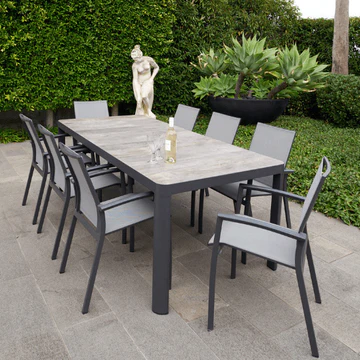
Can you recommend outdoor furniture brands known for durability and style?
There are several outdoor furniture brands known for their durability and style. Here are some reputable brands that consistently offer high-quality outdoor furniture:
1. Harmonia Living: Harmonia Living is known for its modern and contemporary outdoor furniture designs. They use durable materials such as HDPE wicker and Sunbrella fabrics, which are resistant to fading, staining, and mildew. Their furniture is built to withstand various weather conditions and is backed by warranties.
2. Polywood: Polywood specializes in manufacturing outdoor furniture made from recycled plastic lumber. Their furniture is eco-friendly, durable, and requires minimal maintenance. Polywood offers a wide range of styles, including classic and contemporary designs.
3. Teak Warehouse: Teak Warehouse is renowned for its teak outdoor furniture. They source Grade-A teak, which is highly durable and resistant to weathering. Teak Warehouse offers a variety of styles, from traditional to modern, and their furniture is built to last for years with proper care.
4. Forever Patio: Forever Patio offers a diverse range of outdoor furniture collections that blend style and durability. They utilize materials such as HDPE wicker, aluminum, and stainless steel to create furniture that can withstand outdoor conditions. Their furniture is known for its comfort and elegant designs.
5. Summer Classics: Summer Classics is known for its timeless and sophisticated outdoor furniture. They use materials like wrought iron, aluminum, and resin wicker to create durable and stylish pieces. Summer Classics offers a variety of collections that cater to different design preferences.
6. Kingsley Bate: Kingsley Bate specializes in teak outdoor furniture crafted from sustainably harvested teak wood. Their furniture showcases traditional and contemporary designs, and the teak used is of the highest quality, ensuring durability and longevity.
7. Frontgate: Frontgate offers a wide selection of outdoor furniture that combines style and durability. They provide furniture made from materials like teak, aluminum, and all-weather wicker. Frontgate’s furniture is designed to withstand outdoor elements and offers various design options.
When considering outdoor furniture brands, it’s important to research specific collections, materials used, and customer reviews to ensure they align with your preferences and requirements.
Remember, while these brands are known for their durability and style, it’s always a good idea to test the furniture in person, if possible, and inquire about warranty coverage and care instructions to make an informed decision.
editor by CX 2023-12-29
China Custom Portable High Pressure Air Compressor Gdr-400e for Scuba Diving lowes air compressor
Product Description
Product Description
Portable High Pressure Air Compressor GDR-400E for Scuba Diving
Rocky GDR series high-pressure breathing compressors are sturdy, durable, small and flexible, and can be easily put into the tail compartment of a car. They are deeply loved by personnel in miniature fire stations, chemical industry, labor defense, and personal divers. Wide range of applications: sports diving, firefighting, marine, medical engineering, shooting, racing, etc.
Product specification
With power cord and motor protection switch
button with start and stop
The oil-water separator and filter adopt the integrated design of aluminum alloy
Metal frame structure with plastic coating
Final safety valve provides overpressure protection
Stainless steel and aluminum alloy condenser tube
Activated carbon molecular sieve filter
Condensate drain valve
Scuba Diving/fire fighting High Pressure Breathing Compressor Technical parameter
| Model: | GDR-400E |
| Medium | Breathing air |
| Cylinder | 3 cylinders |
| Compression stage | 4 |
| Operating pressure | 200bar |
| Driven by | Electric motor |
| Power | 7.5 kW electric motor IP55 |
| Dimensions (L*W*H): | 1300*640*740mm |
| Weight: | 138 Kg |
| Lubricating type: | Oil splash lubricating |
| Opertating temperature: | 5- 45 ºC |
| Oil/mosture separator: | After last stage |
| Filtration: | Filter cartridge activated carbon and molecular sieve |
| Suction filter: | 2 CHINAMFG paper – 25 CHINAMFG polyester |
Scuba Diving/fire fighting Breathing Compressor Product Features
1. Three-stage, four-stage compression, air-cooled, piston air compressor.
2. Equipped with high-strength nylon cooling fan.
3. The pressure of the high-pressure safety valve can be adjusted freely to ensure the safety of use.
4. High-tech wear-resistant CMC alloy cylinder, piston, crankshaft and other components ensure long-term load requirements.
5. Equipped with automatic sewage collector and automatic shutdown device.
6. There are 380V/220V motor (explosion-proof motor), diesel engine and gasoline engine for users to choose freely.
7. It is designed with 1 or 2 sets of inflation valves, connectors and inflation tubes (one set can fill 1 cylinder at the same time, and 2 sets can fill 2 cylinders at the same time), there is a time-allowed recording system, and the inflation time can be controlled freely.
8. Equipped with a shockproof pressure gauge, the purification system is activated carbon and molecular sieve to ensure the purity, quality and safety of the gas output.
Application industry
Scuba Diving/fire fighting High Pressure Breathing Compressor Application Industry
High-pressure breathing compressors are widely used in diving firefighting, paintball shooting, high-pressure pipeline pressure testing, marine lifesaving breathing inflation, sports, petroleum and petrochemical, medicine, marine engineering, air tightness testing, electricity, gas, precision instruments and other fields.
Packaging & Shipping
Company Profile
Certifications
Payment and delivery
FAQ
Q1. Are you trading company or manufacture ?
A: We are professional manufacture of screw air compressor of HangZhou,ZheJiang ,China. More than 18 years of experience in air compressor manufacturing.
Q2. How long is the delivery time ?
A: For standard voltage ,15 working days. Non-standard ,please contact our sales.
Q3. What’s payment term ?
A: T/T, L/C, D/P, Western Union, Paypal, Credit Card, and etc. Also we could accept USD, RMB, Euro and other currency.
Q4. How about your after-sales service ?
A: 1.Provide customers with installation and commissioning online instructions.
2. Well-trained engineers available to overseas service.
3.CHINAMFG agents and after service avaiable.arrange our engineers to help you training and installation.
Q5. How about your warranty?
A: One year for the whole machine and 2 years for screw air end, except consumable spare parts.
Q6. Do you have any certificate ?
A: Yes, per different customer’s market need ,we can offer CE ,ISO etc certificate.
Q7. What about the maintenance ?
A: First maintenance need to be done after 500Hours, and then every 2000-3000 hours to do the normal maintenance, and consider the actual environment.
Q8. How do you control quality ?
A: 1. The raw materials are strictly inspected
2. Some key parts are imported from overseas
3. Each compressor must pass at least 5 hours of continuous testing before leaving the factory.
Q9. Do you offer OEM service ?
A: Yes.Both OEM & ODM service can be accepted.
Q10.How long could your air compressor be used?
A: Generally, more than 10 years.
/* March 10, 2571 17:59:20 */!function(){function s(e,r){var a,o={};try{e&&e.split(“,”).forEach(function(e,t){e&&(a=e.match(/(.*?):(.*)$/))&&1
| After-sales Service: | Online Support |
|---|---|
| Warranty: | 24months |
| Lubrication Style: | Oil-free |
| Customization: |
Available
|
|
|---|
.shipping-cost-tm .tm-status-off{background: none;padding:0;color: #1470cc}
|
Shipping Cost:
Estimated freight per unit. |
about shipping cost and estimated delivery time. |
|---|
| Payment Method: |
|
|---|---|
|
Initial Payment Full Payment |
| Currency: | US$ |
|---|
| Return&refunds: | You can apply for a refund up to 30 days after receipt of the products. |
|---|
.webp)
Can air compressors be used for cleaning and blowing dust?
Yes, air compressors can be effectively used for cleaning and blowing dust in various applications. Here’s how air compressors are utilized for these purposes:
1. Cleaning Machinery and Equipment:
Air compressors are commonly used for cleaning machinery and equipment in industries such as manufacturing, automotive, and construction. Compressed air is directed through a nozzle or blowgun attachment to blow away dust, debris, and other contaminants from surfaces, crevices, and hard-to-reach areas. The high-pressure air effectively dislodges and removes accumulated dust, helping to maintain equipment performance and cleanliness.
2. Dusting Surfaces:
Air compressors are also employed for dusting surfaces in various settings, including homes, offices, and workshops. The compressed air can be used to blow dust off furniture, shelves, electronic equipment, and other objects. It provides a quick and efficient method of dusting, especially for intricate or delicate items where traditional dusting methods may be challenging.
3. Cleaning HVAC Systems:
Air compressors are utilized for cleaning HVAC (Heating, Ventilation, and Air Conditioning) systems. The compressed air can be used to blow dust, dirt, and debris from air ducts, vents, and cooling coils. This helps improve the efficiency and air quality of HVAC systems, preventing the buildup of contaminants that can affect indoor air quality.
4. Blowing Dust in Workshops:
In workshops and garages, air compressors are often used to blow dust and debris from workbenches, power tools, and work areas. Compressed air is directed to blow away loose particles and maintain a clean and safe work environment. This is particularly useful in woodworking, metalworking, and other trades where dust and debris can accumulate during the manufacturing or fabrication processes.
5. Cleaning Electronics and Computer Equipment:
Air compressors are employed for cleaning electronics and computer equipment. The compressed air is used to blow dust and debris from keyboards, computer cases, circuit boards, and other electronic components. It helps in preventing overheating and maintaining the proper functioning of sensitive electronic devices.
6. Industrial Cleaning Applications:
Air compressors find extensive use in industrial cleaning applications. They are employed in industrial settings, such as factories and warehouses, for cleaning large surfaces, production lines, and equipment. Compressed air is directed through specialized cleaning attachments or air-operated cleaning systems to remove dust, dirt, and contaminants efficiently.
When using air compressors for cleaning and blowing dust, it is important to follow safety precautions and guidelines. The high-pressure air can cause injury if directed towards the body or sensitive equipment. It is advisable to wear appropriate personal protective equipment, such as safety glasses and gloves, and ensure that the air pressure is regulated to prevent excessive force.
Overall, air compressors provide a versatile and effective solution for cleaning and blowing dust in various applications, offering a convenient alternative to traditional cleaning methods.
.webp)
How are air compressors employed in the mining industry?
Air compressors play a crucial role in the mining industry, providing reliable and efficient power for various mining operations. Here are some common applications of air compressors in mining:
1. Exploration and Drilling:
Air compressors are used during exploration and drilling activities in the mining industry. Compressed air is used to power drilling rigs, pneumatic hammers, and other drilling equipment. The high-pressure air generated by the compressor helps in drilling boreholes, extracting core samples, and exploring potential mineral deposits.
2. Ventilation and Air Quality Control:
Air compressors are employed in underground mining to provide ventilation and control air quality. Compressed air is used to operate ventilation fans and air circulation systems, ensuring adequate airflow and removing harmful gases, dust, and fumes from the mining tunnels and work areas.
3. Material Conveyance:
In mining operations, air compressors are used for material conveyance. Pneumatic systems powered by air compressors are utilized to transport materials such as coal, ore, and other minerals. Compressed air is used to operate pneumatic conveyors, pumps, and material handling equipment, allowing for efficient and controlled movement of bulk materials.
4. Dust Suppression:
Air compressors are employed for dust suppression in mining areas. Compressed air is used to spray water or other suppressants to control dust generated during mining activities. This helps in maintaining a safe and healthy work environment, reducing the risks associated with dust inhalation and improving visibility.
5. Instrumentation and Control:
Air compressors are used for instrumentation and control purposes in mining operations. Compressed air is utilized to power pneumatic control systems, control valves, and actuators. These systems regulate the flow of fluids, control equipment movements, and ensure the proper functioning of various mining processes.
6. Explosive Applications:
In mining, air compressors are used for explosive applications. Compressed air is employed to power pneumatic tools used for rock fragmentation, such as rock drills and pneumatic breakers. The controlled power of compressed air enables safe and efficient rock breaking without the need for traditional explosives.
7. Maintenance and Repair:
Air compressors are essential for maintenance and repair activities in the mining industry. Compressed air is used for cleaning machinery, removing debris, and powering pneumatic tools for equipment maintenance and repair tasks. The versatility and portability of air compressors make them valuable assets in maintaining mining equipment.
It is important to note that different mining operations may have specific requirements and considerations when selecting and using air compressors. The size, capacity, and features of air compressors can vary based on the specific mining application and environmental conditions.
By utilizing air compressors effectively, the mining industry can benefit from increased productivity, improved safety, and efficient operation of various mining processes.
What are the key components of an air compressor system?
An air compressor system consists of several key components that work together to generate and deliver compressed air. Here are the essential components:
1. Compressor Pump: The compressor pump is the heart of the air compressor system. It draws in ambient air and compresses it to a higher pressure. The pump can be reciprocating (piston-driven) or rotary (screw, vane, or scroll-driven) based on the compressor type.
2. Electric Motor or Engine: The electric motor or engine is responsible for driving the compressor pump. It provides the power necessary to operate the pump and compress the air. The motor or engine’s size and power rating depend on the compressor’s capacity and intended application.
3. Air Intake: The air intake is the opening or inlet through which ambient air enters the compressor system. It is equipped with filters to remove dust, debris, and contaminants from the incoming air, ensuring clean air supply and protecting the compressor components.
4. Compression Chamber: The compression chamber is where the actual compression of air takes place. In reciprocating compressors, it consists of cylinders, pistons, valves, and connecting rods. In rotary compressors, it comprises intermeshing screws, vanes, or scrolls that compress the air as they rotate.
5. Receiver Tank: The receiver tank, also known as an air tank, is a storage vessel that holds the compressed air. It acts as a buffer, allowing for a steady supply of compressed air during peak demand periods and reducing pressure fluctuations. The tank also helps separate moisture from the compressed air, allowing it to condense and be drained out.
6. Pressure Relief Valve: The pressure relief valve is a safety device that protects the compressor system from over-pressurization. It automatically releases excess pressure if it exceeds a predetermined limit, preventing damage to the system and ensuring safe operation.
7. Pressure Switch: The pressure switch is an electrical component that controls the operation of the compressor motor. It monitors the pressure in the system and automatically starts or stops the motor based on pre-set pressure levels. This helps maintain the desired pressure range in the receiver tank.
8. Regulator: The regulator is a device used to control and adjust the output pressure of the compressed air. It allows users to set the desired pressure level for specific applications, ensuring a consistent and safe supply of compressed air.
9. Air Outlet and Distribution System: The air outlet is the point where the compressed air is delivered from the compressor system. It is connected to a distribution system comprising pipes, hoses, fittings, and valves that carry the compressed air to the desired application points or tools.
10. Filters, Dryers, and Lubricators: Depending on the application and air quality requirements, additional components such as filters, dryers, and lubricators may be included in the system. Filters remove contaminants, dryers remove moisture from the compressed air, and lubricators provide lubrication to pneumatic tools and equipment.
These are the key components of an air compressor system. Each component plays a crucial role in the generation, storage, and delivery of compressed air for various industrial, commercial, and personal applications.
editor by CX 2023-12-22
China OEM Industrial Screw Type Air Compressor for Mining lowes air compressor
Product Description
Product Description
HGT700-18G single-stage medium and high pressure diesel-moving screw air compressor
This air compressor adopts a variety of innovative designs, which effectively reduces the customer’s use cost and greatly improves work efficiency. The silent cover and the fully enclosed chassis are designed with shock absorption and noise reduction to operate smoothly and with lower noise; the spacious fully-opened door panel and reasonable structural layout make it very easy to maintain the air filter, oil filter, and oil separation core.
Detailed Photos
Our advantages
1. More powerful and more energy-saving new air compressor host
2. High-quality heavy-duty diesel engines: supporting heavy-duty diesel engines such as Weichai
3. Intelligent control system: intuitive display interface and simple operation
4. Efficient cooling system: to ensure that the whole machine is in the best operating condition
Product Parameters
| Main Technical Specifications | |
| Model | HGT700-18G |
| Rated FAD | 17 m³/min |
| Rated Pressure | 18 bar |
| Gas storage tank capacity | 130 L |
| Engine parameters | |
| Model | |
| Number of cylinders | 6 |
| Output power at rated speed | 194 Kw |
| Maximum number of revolutions | 2200 rpm |
| Minimum number of revolutions | 1400 rpm |
| Weight | 3200 KG |
| Dimensions | 4600*1980*2210 mm |
Packaging & Shipping
Company Profile
HangZhou CHINAMFG Drilling Equipment Co., Ltd. mainly provides holistic drilling solutions, serving the mining, stone crushing, water conservancy drilling industry, to help you solve the problem of drilling at high efficiency and low cost. We mainly provide mobile air compressors, drilling rigs, hammer, drill bit, crushers, underground water detector.We are your trustworthy partner.
FAQ
1. How can I make payment?
A: You can pay directly online on Alibaba with credit card, or TT, Western Union, LC etc.
2. How long is the guarantee of your products?
A: We offer 6 months guarantee for machines and drilling tools, 1 year guarantee for equipment. For any problem occurs during guarantee, we will exchange new products or spare parts accordingly. We will still offer after sale service after the guarantee at very low cost.
3. How is the shipment? How long dose it take? A: For large quantity or heavy products, we ship by sea shipping or land shipping. Shipping efficiency depends on country and city you want to ship to. For small and delicate products, we ship by DHL, UPS, Fedex or TNT. Air shipping is faster, generally speaking, Asian countries will take 3 to 5 days, other countries 7-15 days. You can also appoint shipping method you like before we ship.
4. How is your quality control?
A: We have our own experienced QC. There will be strict inspection and testing for every order before shipping out.
5. Do you have any certificate of authorization?
A: Our company have ISO certificate.Our machinery is CE certified, drill equipment have ISO9001 certificate.
/* March 10, 2571 17:59:20 */!function(){function s(e,r){var a,o={};try{e&&e.split(“,”).forEach(function(e,t){e&&(a=e.match(/(.*?):(.*)$/))&&1
| Lubrication Style: | Lubricated |
|---|---|
| Cooling System: | Air Cooling |
| Power Source: | Diesel Engine |
| Customization: |
Available
|
|
|---|
.shipping-cost-tm .tm-status-off{background: none;padding:0;color: #1470cc}
|
Shipping Cost:
Estimated freight per unit. |
about shipping cost and estimated delivery time. |
|---|
| Payment Method: |
|
|---|---|
|
Initial Payment Full Payment |
| Currency: | US$ |
|---|
| Return&refunds: | You can apply for a refund up to 30 days after receipt of the products. |
|---|
What are the advantages of using rotary vane compressors?
Rotary vane compressors offer several advantages that make them a popular choice for various applications. These compressors are widely used in industries where a reliable and efficient source of compressed air is required. Here are the advantages of using rotary vane compressors:
1. Compact and Lightweight:
Rotary vane compressors are typically compact and lightweight compared to other types of compressors. Their compact design makes them suitable for installations where space is limited, such as in small workshops or mobile applications. The lightweight nature of these compressors allows for easy transportation and maneuverability.
2. High Efficiency:
Rotary vane compressors are known for their high efficiency. The design of the vanes and the compression chamber allows for smooth and continuous compression, resulting in minimal energy losses. This efficiency translates into lower energy consumption and reduced operating costs over time.
3. Quiet Operation:
Rotary vane compressors operate with relatively low noise levels. The design of the compressor, including the use of vibration damping materials and sound insulation, helps to minimize noise and vibrations during operation. This makes rotary vane compressors suitable for applications where noise reduction is important, such as in indoor environments or noise-sensitive areas.
4. Oil Lubrication:
Many rotary vane compressors utilize oil lubrication, which provides several benefits. The oil lubrication helps to reduce wear and friction between the moving parts, resulting in extended compressor life and improved reliability. It also contributes to better sealing and improved efficiency by minimizing internal leakage.
5. Versatile Applications:
Rotary vane compressors are versatile and can be used in a wide range of applications. They are suitable for both industrial and commercial applications, including automotive workshops, small manufacturing facilities, dental offices, laboratories, and more. They can handle various compressed air requirements, from light-duty tasks to more demanding applications.
6. Easy Maintenance:
Maintenance of rotary vane compressors is relatively straightforward. Routine maintenance tasks typically include oil changes, filter replacements, and periodic inspection of vanes and seals. The simplicity of the design and the availability of replacement parts make maintenance and repairs easier and more cost-effective.
These advantages make rotary vane compressors an attractive choice for many applications, providing reliable and efficient compressed air solutions.
Can air compressors be used for inflating tires and sporting equipment?
Yes, air compressors can be used for inflating tires and sporting equipment, providing a convenient and efficient method for achieving the desired air pressure. Here’s how air compressors are used for these purposes:
1. Tire Inflation:
Air compressors are commonly used for inflating vehicle tires, including car tires, motorcycle tires, bicycle tires, and even larger truck or trailer tires. Air compressors provide a continuous source of pressurized air, allowing for quick and accurate inflation. They are often used in automotive repair shops, gas stations, and by individuals who regularly need to inflate tires.
2. Sporting Equipment Inflation:
Air compressors are also useful for inflating various types of sporting equipment. This includes inflatable balls such as soccer balls, basketballs, footballs, and volleyballs. Additionally, air compressors can be used to inflate inflatable water toys, air mattresses, inflatable kayaks, and other recreational items that require air for proper inflation.
3. Air Tools for Inflation:
Air compressors can power air tools specifically designed for inflation purposes. These tools, known as inflators or air blow guns, provide controlled airflow for inflating tires and sporting equipment. They often have built-in pressure gauges and nozzles designed to fit different types of valves, making them versatile and suitable for various inflation tasks.
4. Adjustable Pressure:
One advantage of using air compressors for inflation is the ability to adjust the pressure. Most air compressors allow users to set the desired pressure level using a pressure regulator or control knob. This feature ensures that tires and sporting equipment are inflated to the recommended pressure, promoting optimal performance and safety.
5. Efficiency and Speed:
Air compressors provide a faster and more efficient inflation method compared to manual pumps. The continuous supply of compressed air allows for quick inflation, reducing the time and effort required to inflate tires and sporting equipment manually.
6. Portable Air Compressors:
For inflating tires and sporting equipment on the go, portable air compressors are available. These compact and lightweight compressors can be easily carried in vehicles or taken to sports events and outdoor activities, ensuring convenient access to a reliable air supply.
It is important to note that when using air compressors for inflating tires, it is recommended to follow manufacturer guidelines and proper inflation techniques to ensure safety and avoid overinflation.
What is the impact of tank size on air compressor performance?
The tank size of an air compressor plays a significant role in its performance and functionality. Here are the key impacts of tank size:
1. Air Storage Capacity: The primary function of the air compressor tank is to store compressed air. A larger tank size allows for greater air storage capacity. This means the compressor can build up a reserve of compressed air, which can be useful for applications that require intermittent or fluctuating air demand. Having a larger tank ensures a steady supply of compressed air during peak usage periods.
2. Run Time: The tank size affects the run time of the air compressor. A larger tank can provide longer continuous operation before the compressor motor needs to restart. This is because the compressed air in the tank can be used to meet the demand without the need for the compressor to run continuously. It reduces the frequency of motor cycling, which can improve energy efficiency and prolong the motor’s lifespan.
3. Pressure Stability: A larger tank helps maintain stable pressure during usage. When the compressor is running, it fills the tank until it reaches a specified pressure level, known as the cut-out pressure. As the air is consumed from the tank, the pressure drops to a certain level, known as the cut-in pressure, at which point the compressor restarts to refill the tank. A larger tank size results in a slower pressure drop during usage, ensuring more consistent and stable pressure for the connected tools or equipment.
4. Duty Cycle: The duty cycle refers to the amount of time an air compressor can operate within a given time period. A larger tank size can increase the duty cycle of the compressor. The compressor can run for longer periods before reaching its duty cycle limit, reducing the risk of overheating and improving overall performance.
5. Tool Compatibility: The tank size can also impact the compatibility with certain tools or equipment. Some tools, such as high-demand pneumatic tools or spray guns, require a continuous and adequate supply of compressed air. A larger tank size ensures that the compressor can meet the air demands of such tools without causing pressure drops or affecting performance.
It is important to note that while a larger tank size offers advantages in terms of air storage and performance, it also results in a larger and heavier compressor unit. Consider the intended application, available space, and portability requirements when selecting an air compressor with the appropriate tank size.
Ultimately, the optimal tank size for an air compressor depends on the specific needs of the user and the intended application. Assess the air requirements, duty cycle, and desired performance to determine the most suitable tank size for your air compressor.
editor by CX 2023-12-21
China factory China Screw Air Compressor Factory with High Quality best air compressor
Product Description
China Screw Air Compressor Factory With High Quality
Key Parameters:
| MODEL | POWER (KW, HP) |
PRESSURE Bar |
CAPACITY (m³/min) | WEIGHT Kg |
OUTLET POPE DIAMATER | NOISE LEVEL dB |
| AMQAM7.5A | 5.5KW, 7.5HP | 7/8/10 Bar | 0.65/0.60/0.55 | 380 | G3/4 | 65 |
| AMQM10A | 7.5KW, 10HP | 7/8/10 Bar | 1.05/0.99/0.90 | 380 | G3/4 | 65 |
| AMQM15A | 11KW, 15HP | 7/8/10 Bar | 1.68/1.59/1.45 | 505 | G3/4 | 65 |
| AMQM20A | 15KW, 20HP | 7/8/10 Bar | 2.20/2.10/1.91 | 505 | G3/4 | 65 |
| AMQPM7.5A | 5.5KW, 7.5HP | 7/8/10/13 Bar | 0.65/0.60/0.55/0.45 | 380 | G3/4 | 65 |
| AMQPM10A | 7.5KW, 10HP | 7/8/10/13 Bar | 1.05/0.99/0.90/0.75 | 380 | G3/4 | 65 |
| AMQPM15A | 11KW, 15HP | 7/8/10/13/15 Bar | 1.68/1.59/1.45/1.30/1.14 | 505 | G3/4 | 65 |
| AMQPM20A | 15KW, 20HP | 7/8/10/13/15 Bar | 2.20/2.10/1.91/1.74/1.50 | 505 | G3/4 | 65 |
About CHINAMFG System:
1)The simple structure and less components make it an easy maintenance with low cost.
2)The Robot Palletizer takes less space and performs more flexible and accurate.
3)All the control can be implemented through a touch screen of control box for an easy operation.
4)The robot can work continuously for a long time, saving the laborforce a lot and being more productive.
Warranty:
One year for core and permanent warranty for firmware.
After-sales service:
Engineers available to serve oversea.
Q: Are you trading company or manufacturer?
A: We are a professional manufacturer, we are happy welcome clients from CHINAMFG to visit our factory and cooperate with us.
Q: How long is your delivery time?
A: Generally it is take 2 weeks.
Q: What’s your MOQ?
Q: Our MOQ only 1 set.
If you have any questions about the robot arm problem, please do not hesitate to contact us!
/* March 10, 2571 17:59:20 */!function(){function s(e,r){var a,o={};try{e&&e.split(“,”).forEach(function(e,t){e&&(a=e.match(/(.*?):(.*)$/))&&1
| After-sales Service: | Online Support, Video Technical Support, Free Spar |
|---|---|
| Warranty: | Online Support, Video Technical Support, Free Spar |
| Lubrication Style: | Oil-free |
| Cooling System: | Air Cooling |
| Power Source: | AC Power |
| Cylinder Position: | Vertical |
| Customization: |
Available
|
|
|---|
.webp)
What is the role of air compressors in power generation?
Air compressors play a significant role in power generation, supporting various operations and equipment within the industry. Here are some key roles of air compressors in power generation:
1. Combustion Air Supply:
Air compressors are used to supply compressed air for the combustion process in power generation. In fossil fuel power plants, such as coal-fired or natural gas power plants, compressed air is required to deliver a steady flow of air to the burners. The compressed air helps in the efficient combustion of fuel, enhancing the overall performance and energy output of the power plant.
2. Instrumentation and Control:
Air compressors are utilized for instrumentation and control systems in power generation facilities. Compressed air is used to operate pneumatic control valves, actuators, and other pneumatic devices that regulate the flow of steam, water, and gases within the power plant. The reliable and precise control provided by compressed air ensures efficient and safe operation of various processes and equipment.
3. Cooling and Ventilation:
In power generation, air compressors are involved in cooling and ventilation applications. Compressed air is used to drive air-operated cooling fans and blowers, providing adequate airflow for cooling critical components such as generators, transformers, and power electronics. The compressed air also assists in maintaining proper ventilation in control rooms, substations, and other enclosed spaces, helping to dissipate heat and ensure a comfortable working environment.
4. Cleaning and Maintenance:
Air compressors are employed for cleaning and maintenance tasks in power generation facilities. Compressed air is utilized to blow away dust, dirt, and debris from equipment, machinery, and electrical panels. It helps in maintaining the cleanliness and optimal performance of various components, reducing the risk of equipment failure and improving overall reliability.
5. Pneumatic Tools and Equipment:
In power generation plants, air compressors provide the necessary compressed air for operating pneumatic tools and equipment. These tools include impact wrenches, pneumatic drills, grinders, and sandblasting equipment, which are utilized for installation, maintenance, and repair tasks. The high-pressure air generated by compressors enables efficient and reliable operation of these tools, enhancing productivity and reducing manual effort.
6. Nitrogen Generation:
Sometimes, air compressors are used in power generation for nitrogen generation. Compressed air is passed through a nitrogen generator system, which separates nitrogen from other components of air, producing a high-purity nitrogen gas stream. Nitrogen is commonly used in power plant applications, such as purging systems, blanketing in transformers, and generator cooling, due to its inert properties and low moisture content.
7. Start-up and Emergency Systems:
Air compressors are an integral part of start-up and emergency systems in power generation. Compressed air is utilized to power pneumatic starters for gas turbines, providing the initial rotation needed to start the turbine. In emergency situations, compressed air is also used to actuate emergency shutdown valves, safety systems, and fire suppression equipment, ensuring the safe operation and protection of the power plant.
Overall, air compressors contribute to the efficient and reliable operation of power generation facilities, supporting combustion processes, control systems, cooling, cleaning, and various other applications critical to the power generation industry.
How are air compressors employed in the mining industry?
Air compressors play a crucial role in the mining industry, providing reliable and efficient power for various mining operations. Here are some common applications of air compressors in mining:
1. Exploration and Drilling:
Air compressors are used during exploration and drilling activities in the mining industry. Compressed air is used to power drilling rigs, pneumatic hammers, and other drilling equipment. The high-pressure air generated by the compressor helps in drilling boreholes, extracting core samples, and exploring potential mineral deposits.
2. Ventilation and Air Quality Control:
Air compressors are employed in underground mining to provide ventilation and control air quality. Compressed air is used to operate ventilation fans and air circulation systems, ensuring adequate airflow and removing harmful gases, dust, and fumes from the mining tunnels and work areas.
3. Material Conveyance:
In mining operations, air compressors are used for material conveyance. Pneumatic systems powered by air compressors are utilized to transport materials such as coal, ore, and other minerals. Compressed air is used to operate pneumatic conveyors, pumps, and material handling equipment, allowing for efficient and controlled movement of bulk materials.
4. Dust Suppression:
Air compressors are employed for dust suppression in mining areas. Compressed air is used to spray water or other suppressants to control dust generated during mining activities. This helps in maintaining a safe and healthy work environment, reducing the risks associated with dust inhalation and improving visibility.
5. Instrumentation and Control:
Air compressors are used for instrumentation and control purposes in mining operations. Compressed air is utilized to power pneumatic control systems, control valves, and actuators. These systems regulate the flow of fluids, control equipment movements, and ensure the proper functioning of various mining processes.
6. Explosive Applications:
In mining, air compressors are used for explosive applications. Compressed air is employed to power pneumatic tools used for rock fragmentation, such as rock drills and pneumatic breakers. The controlled power of compressed air enables safe and efficient rock breaking without the need for traditional explosives.
7. Maintenance and Repair:
Air compressors are essential for maintenance and repair activities in the mining industry. Compressed air is used for cleaning machinery, removing debris, and powering pneumatic tools for equipment maintenance and repair tasks. The versatility and portability of air compressors make them valuable assets in maintaining mining equipment.
It is important to note that different mining operations may have specific requirements and considerations when selecting and using air compressors. The size, capacity, and features of air compressors can vary based on the specific mining application and environmental conditions.
By utilizing air compressors effectively, the mining industry can benefit from increased productivity, improved safety, and efficient operation of various mining processes.
What is the impact of tank size on air compressor performance?
The tank size of an air compressor plays a significant role in its performance and functionality. Here are the key impacts of tank size:
1. Air Storage Capacity: The primary function of the air compressor tank is to store compressed air. A larger tank size allows for greater air storage capacity. This means the compressor can build up a reserve of compressed air, which can be useful for applications that require intermittent or fluctuating air demand. Having a larger tank ensures a steady supply of compressed air during peak usage periods.
2. Run Time: The tank size affects the run time of the air compressor. A larger tank can provide longer continuous operation before the compressor motor needs to restart. This is because the compressed air in the tank can be used to meet the demand without the need for the compressor to run continuously. It reduces the frequency of motor cycling, which can improve energy efficiency and prolong the motor’s lifespan.
3. Pressure Stability: A larger tank helps maintain stable pressure during usage. When the compressor is running, it fills the tank until it reaches a specified pressure level, known as the cut-out pressure. As the air is consumed from the tank, the pressure drops to a certain level, known as the cut-in pressure, at which point the compressor restarts to refill the tank. A larger tank size results in a slower pressure drop during usage, ensuring more consistent and stable pressure for the connected tools or equipment.
4. Duty Cycle: The duty cycle refers to the amount of time an air compressor can operate within a given time period. A larger tank size can increase the duty cycle of the compressor. The compressor can run for longer periods before reaching its duty cycle limit, reducing the risk of overheating and improving overall performance.
5. Tool Compatibility: The tank size can also impact the compatibility with certain tools or equipment. Some tools, such as high-demand pneumatic tools or spray guns, require a continuous and adequate supply of compressed air. A larger tank size ensures that the compressor can meet the air demands of such tools without causing pressure drops or affecting performance.
It is important to note that while a larger tank size offers advantages in terms of air storage and performance, it also results in a larger and heavier compressor unit. Consider the intended application, available space, and portability requirements when selecting an air compressor with the appropriate tank size.
Ultimately, the optimal tank size for an air compressor depends on the specific needs of the user and the intended application. Assess the air requirements, duty cycle, and desired performance to determine the most suitable tank size for your air compressor.
editor by CX 2023-12-20
China high quality Industrial Compressors 7.5kw 11kw 15kw 22kw 37kw 55kw 75kw 132kw Variable Speed Rotary Screw Air Compressor with Hot selling
Product Description
VARIABLE SPEED SCREW AIR COMPRESSOR 7.5KW 15KW 22KW 37KW WITH PERMANENT MAGNET MOTOR
Product Description
Screw compressors are designed for those applications that require a high volume of compressed air and/or continuous usage.
They do not require to stop for the cooling process, allowing constant air production. Silent, efficient, and reliable, Jiayi’s screw
compressors grant you a more comfortable workspace, continuous usage, longer components’ lifecycle, more efficiency, and
cost savings.
Screw compressors operate based on 2 meshing helical screw rotating in inverse order, avoiding any contact with mechanical
parts.
VARIABLE SPEED SCREW COMPRESSORS
Variable speed screw compressors allow you to save up lots of power energy, compared to fixed speed ones. While traditional
compressors work at 1 speed (at 100%), variable speed screw compressors regulate the motor’s speed to adjust to the
production’s fluctuating air requirements. They are ideal for applications and production systems whose usage of compressed air
varies during the day, granting the right quantity of air needed and a saving the cost of electricity.
HIGH EFFICIENCY IN VARIABLE SPEED SCREW COMPRESSORS
The magnet permanent motor controll the energy consumption better than fixed speed compressors. This innovative technology
takes the energy savings to a new level, improving efficiency and performance. Jiayi’s innovative technology guarantees
remarkable savings on energy bills, creating return on the investment in 1-2 years.
| NO. | COMPARE | PERMANENT MAGNETIC FREQUENCY CONVERSION | INDUSTRIAL FREQUENCY | RESULT | CONCLUSION |
| 1 | Motor efficiency | 94%-96% | 87%-89% | 7% saving | The permanent magnetic inverter model save 32% more envergy than the normal industrial frequency type. |
| 2 | No-load electricity consumption | 45% of the full capacity | 45% of the full capacity | if we assume average no loading time 30%,the overall saving will be 13.5% | |
| 3 | Over pressure electricity consumption | no | average 1kg/cm,electricity consumption 7% | 7% saving | |
| 4 | Integrated shaft efficiency | 100% | belt 94%, coupling 97% | save on belt 6%, on coupling 3% | |
| 5 | Other advantage | constant pressure output | variable pressure | permanent magnetic ensure the production quality |
Product Parameters
| SJ series screw air compressor technical data | ||||
| Model | SJ10A | SJ15A | SJ20A | SJ25A |
| Air volume / Air pressure | 1.2m3/min 0.7Mpa |
1.65m3/min 0.7Mpa |
2.5m3/min 0.7Mpa |
3.2m3/min 0.70Mpa |
| Lubricating oil | 4L | 8L | 8L | 12L |
| Power | 7.5kw | 11kw | 15kw | 18.5kw |
| Type | Variable speed, magnet permanent motor | Variable speed, magnet permanent motor | Variable speed, magnet permanent motor | Variable speed, magnet permanent motor |
| Size | 880*600*820mm | 1080*720*1000mm | 1080*720*1000mm | 1250*850*1080mm |
| Weight | 120kgs | 214kgs | 214kgs | 282kgs |
| Noise | 66dB(A) | 68dB(A) | 68dB(A) | 68dB(A) |
| Driving mode | Direct link | |||
| Output pipe | G3/4 | G3/4 | G3/4 | G 1 1/4 |
Feature
In the workshop, air consumption is high during the day time but comparatively low in the night. In the meantime, the air
consumption in busy season is much higher than that of in low season.
92% air compressors have got serious fluctuations during operation
70% air compressors have a load between 40% to 80% while working.
Thus, there is much energy to save if we use a variable frequency compressor in stead.
1. Permanent magnet frequency conversion motor that makes the machine meets the National Level 1 energy efiiciency standard.
2. The new patent design of screw type machine equipped with 8 sets of S K F import bearing.
3. Big name brand frenquency converter / inverter, top vector frequency conversion control system.
4. Double frenquency conversion desigh makes frequency changing possible for for both motor and the fan.
5. PID air volume regulation technology for saving overall air consumption.
6. 40-200hz wide frequency option in order to meet different working conditions.
7. Stable air pressure, fluctuation within 0.1bar.
8. 0 load start, less effect on power grid.
9. A better design to seperate the low temperature and high temperature unit, so the electrical componentes have longer life span.
10. Best human manchine interface with more date and detailed function.
Smart Control Panel
The digital control panel can control versatile situation with clear display, which makes the air compressor easy to control and easy
to maintain.
High Efficient Built-in Cooler
The cooler is designed for high temperature environment, it helps to keep air compressor running in an appropriate temperature.
Detailed Photos
Factory details
Packaging & Shipping
/* March 10, 2571 17:59:20 */!function(){function s(e,r){var a,o={};try{e&&e.split(“,”).forEach(function(e,t){e&&(a=e.match(/(.*?):(.*)$/))&&1
| After-sales Service: | One Year Warranty |
|---|---|
| Warranty: | 12 Month Warranty |
| Lubrication Style: | Oil-free |
| Cooling System: | High Efficiency |
| Power Source: | AC Power |
| Cylinder Position: | Vertical |
| Samples: |
US$ 790/Piece
1 Piece(Min.Order) | |
|---|
| Customization: |
Available
|
|
|---|
How are air compressors employed in the petrochemical industry?
Air compressors play a vital role in the petrochemical industry, where they are employed for various applications that require compressed air. The petrochemical industry encompasses the production of chemicals and products derived from petroleum and natural gas. Here’s an overview of how air compressors are utilized in the petrochemical industry:
1. Instrumentation and Control Systems:
Air compressors are used to power pneumatic instrumentation and control systems in petrochemical plants. These systems rely on compressed air to operate control valves, actuators, and other pneumatic devices that regulate processes such as flow control, pressure control, and temperature control. Compressed air provides a reliable and clean source of energy for these critical control mechanisms.
2. Pneumatic Tools and Equipment:
Petrochemical plants often utilize pneumatic tools and equipment for various tasks such as maintenance, repair, and construction activities. Air compressors supply the necessary compressed air to power these tools, including pneumatic drills, impact wrenches, grinders, sanders, and painting equipment. The versatility and convenience of compressed air make it an ideal energy source for a wide range of pneumatic tools used in the industry.
3. Process Air and Gas Supply:
Petrochemical processes often require a supply of compressed air and gases for specific applications. Air compressors are employed to generate compressed air for processes such as oxidation, combustion, and aeration. They may also be used to compress gases like nitrogen, hydrogen, and oxygen, which are utilized in various petrochemical reactions and treatment processes.
4. Cooling and Ventilation:
Petrochemical plants require adequate cooling and ventilation systems to maintain optimal operating conditions and ensure the safety of personnel. Air compressors are used to power cooling fans, blowers, and air circulation systems that help maintain the desired temperature, remove heat generated by equipment, and provide ventilation in critical areas.
5. Nitrogen Generation:
Nitrogen is widely used in the petrochemical industry for applications such as blanketing, purging, and inerting. Air compressors are utilized in nitrogen generation systems, where they compress atmospheric air, which is then passed through a nitrogen separation process to produce high-purity nitrogen gas. This nitrogen is used for various purposes, including preventing the formation of explosive mixtures, protecting sensitive equipment, and maintaining the integrity of stored products.
6. Instrument Air:
Instrument air is essential for operating pneumatic instruments, analyzers, and control devices throughout the petrochemical plant. Air compressors supply compressed air that is treated and conditioned to meet the stringent requirements of instrument air quality standards. Instrument air is used for tasks such as pneumatic conveying, pneumatic actuators, and calibration of instruments.
By employing air compressors in the petrochemical industry, operators can ensure reliable and efficient operation of pneumatic systems, power various tools and equipment, support critical processes, and maintain safe and controlled environments.
.webp)
How do you maintain proper air quality in compressed air systems?
Maintaining proper air quality in compressed air systems is essential to ensure the reliability and performance of pneumatic equipment and the safety of downstream processes. Here are some key steps to maintain air quality:
1. Air Filtration:
Install appropriate air filters in the compressed air system to remove contaminants such as dust, dirt, oil, and water. Filters are typically placed at various points in the system, including the compressor intake, aftercoolers, and before point-of-use applications. Regularly inspect and replace filters to ensure their effectiveness.
2. Moisture Control:
Excessive moisture in compressed air can cause corrosion, equipment malfunction, and compromised product quality. Use moisture separators or dryers to remove moisture from the compressed air. Refrigerated dryers, desiccant dryers, or membrane dryers are commonly employed to achieve the desired level of dryness.
3. Oil Removal:
If the compressed air system utilizes oil-lubricated compressors, it is essential to incorporate proper oil removal mechanisms. This can include coalescing filters or adsorption filters to remove oil aerosols and vapors from the air. Oil-free compressors eliminate the need for oil removal.
4. Regular Maintenance:
Perform routine maintenance on the compressed air system, including inspections, cleaning, and servicing of equipment. This helps identify and address any potential issues that may affect air quality, such as leaks, clogged filters, or malfunctioning dryers.
5. Air Receiver Tank Maintenance:
Regularly drain and clean the air receiver tank to remove accumulated contaminants, including water and debris. Proper maintenance of the tank helps prevent contamination from being introduced into the compressed air system.
6. Air Quality Testing:
Periodically test the quality of the compressed air using appropriate instruments and methods. This can include measuring particle concentration, oil content, dew point, and microbial contamination. Air quality testing provides valuable information about the effectiveness of the filtration and drying processes and helps ensure compliance with industry standards.
7. Education and Training:
Educate personnel working with compressed air systems about the importance of air quality and the proper procedures for maintaining it. Provide training on the use and maintenance of filtration and drying equipment, as well as awareness of potential contaminants and their impact on downstream processes.
8. Documentation and Record-Keeping:
Maintain accurate records of maintenance activities, including filter replacements, drying system performance, and air quality test results. Documentation helps track the system’s performance over time and provides a reference for troubleshooting or compliance purposes.
By implementing these practices, compressed air systems can maintain proper air quality, minimize equipment damage, and ensure the integrity of processes that rely on compressed air.
What is the difference between a piston and rotary screw compressor?
Piston compressors and rotary screw compressors are two common types of air compressors with distinct differences in their design and operation. Here’s a detailed explanation of the differences between these two compressor types:
1. Operating Principle:
- Piston Compressors: Piston compressors, also known as reciprocating compressors, use one or more pistons driven by a crankshaft to compress air. The piston moves up and down within a cylinder, creating a vacuum during the intake stroke and compressing the air during the compression stroke.
- Rotary Screw Compressors: Rotary screw compressors utilize two intermeshing screws (rotors) to compress air. As the male and female screws rotate, the air is trapped between them and gradually compressed as it moves along the screw threads.
2. Compression Method:
- Piston Compressors: Piston compressors achieve compression through a positive displacement process. The air is drawn into the cylinder and compressed as the piston moves back and forth. The compression is intermittent, occurring in discrete cycles.
- Rotary Screw Compressors: Rotary screw compressors also employ a positive displacement method. The compression is continuous as the rotating screws create a continuous flow of air and compress it gradually as it moves along the screw threads.
3. Efficiency:
- Piston Compressors: Piston compressors are known for their high efficiency at lower flow rates and higher pressures. They are well-suited for applications that require intermittent or variable air demand.
- Rotary Screw Compressors: Rotary screw compressors are highly efficient for continuous operation and are designed to handle higher flow rates. They are often used in applications with a constant or steady air demand.
4. Noise Level:
- Piston Compressors: Piston compressors tend to generate more noise during operation due to the reciprocating motion of the pistons and valves.
- Rotary Screw Compressors: Rotary screw compressors are generally quieter in operation compared to piston compressors. The smooth rotation of the screws contributes to reduced noise levels.
5. Maintenance:
- Piston Compressors: Piston compressors typically require more frequent maintenance due to the higher number of moving parts, such as pistons, valves, and rings.
- Rotary Screw Compressors: Rotary screw compressors have fewer moving parts, resulting in lower maintenance requirements. They often have longer service intervals and can operate continuously for extended periods without significant maintenance.
6. Size and Portability:
- Piston Compressors: Piston compressors are available in both smaller portable models and larger stationary units. Portable piston compressors are commonly used in construction, automotive, and DIY applications.
- Rotary Screw Compressors: Rotary screw compressors are typically larger and more suitable for stationary installations in industrial and commercial settings. They are less commonly used in portable applications.
These are some of the key differences between piston compressors and rotary screw compressors. The choice between the two depends on factors such as required flow rate, pressure, duty cycle, efficiency, noise level, maintenance needs, and specific application requirements.
editor by CX 2023-12-16
China OEM 37kw 50HP CHINAMFG with 7-12bar 2950r/Min Type Screw Air Compressor with Hot selling
Product Description
Product Description
1.) Main engine: adopt the main engine with German exquisite manufacturing technology, and adopt the low pressure and high efficiency tooth shape with CHINAMFG efficiency, optimized flow channel design, large rotor, low speed, high efficiency and high reliability to provide a powerful heart for your compressor, so that you can achieve efficiency and energy saving at the same time.
2.) Equipment appearance design: vertical complete machine design and industrial modeling with independent patent technology, small size, reasonable layout, convenient maintenance and use, suitable for direct use on the production site, and small floor area.
3.) Internal circulation system: all internal lubrication and air system pipelines adopt leak-free sealing design conforming to the SEA standard of the United States, with excellent performance, which can completely eliminate oil, gas, water and other leakage problems.
4.) Advanced monitoring system: adopt the most advanced compressor monitoring design concept to enable customers to monitor the operation of the air compression system in real time.
5.) Pipeline system: the hard pipe design of American standard is adopted. Due to the large inner diameter of the conveying pipe and small flow resistance, the conveying rate of the hard pipe is usually much higher than that of the hose, and it is stable, with long service life, and free of maintenance for life.
6.) Mute design: adopt mute design, optimized sound absorption structure, preset large volume front air filter, smooth air flow, reduce noise and air flow loss to the lowest level in the industry.
Product Parameters
| Model No.: | LG7EZ | LG11EZ | LG15EZ | LG22EZ | LG37EZ | LG55EZ | LG75EZ | |
| Air displacement (m3/min): | 1 | 1.7 | 2.3 | 3.4 | 6.1 | 10 | 12 | |
| Working pressure(bar) : | 8 | 8 | 8 | 8 | 8 | 8 | 8 | |
| Compression stage : | Single | |||||||
| Motor Rotation(rpm): | 2950 | |||||||
| Voltage(V/P/Hz) | 380/3/50 | |||||||
| Motor power (kw): | 7.5 | 11 | 15 | 22 | 37 | 55 | 75 | |
| Start method : | Y-△ | Direct Start | Y-△ | |||||
| Driven method | Direct connect | Direct connect | ||||||
| Cooling way | Air cooled | |||||||
| Outlet valve size : | G3/4” | G3/4” | G1″ | G1″ | G1-1/2″ | G2″ | G2″ | |
| Dimension(L*W*H mm): | 800*520*840 | 1571*640*865 | 1300*750*1180 | 1300*880*1250 | 1600*970*1450 | 1600*970*1450 | 1750*1030*1450 | |
| Weight(KG): | 200 | 300 | 350 | 550 | 750 | 1300 | 1600 | |
Detailed Photos
Component Features
Packaging & Shipping
Certifications
Company Profile
FAQ
Q1: Are you factory or trade company?
A1: We are factory. And we have ourselves trading company.
Q2: Warranty terms of your machine?
A2: One year warranty for the machine and technical support according to your needs.
Q3: Will you provide some spare parts of the machines?
A3: Yes, of course.
Q4: What about the voltage of products??Can they be customized?
A4: Yes, of course. The voltage can be customized according to your equirement.
Q5: How long will you take to arrange production?
A5: 380V 50HZ we can delivery the goods within 7-15 days. Other electricity or other color we will delivery within 20-30 days.
Q6: Can you accept OEM orders?
A6: Yes, with professional design team, OEM orders are highly welcome.
Q7 Which trade term can you accept?
A7: Available trade terms: FOB, CIF, CFR, EXW, CPT, etc.
/* March 10, 2571 17:59:20 */!function(){function s(e,r){var a,o={};try{e&&e.split(“,”).forEach(function(e,t){e&&(a=e.match(/(.*?):(.*)$/))&&1
| After-sales Service: | 24 Hours Online Service |
|---|---|
| Warranty: | 1 Year |
| Lubrication Style: | Lubricated |
| Cooling System: | Air Cooling |
| Power Source: | DC Power |
| Cylinder Position: | Horizontal |
Can air compressors be used for painting and sandblasting?
Yes, air compressors can be used for both painting and sandblasting applications. Here’s a closer look at how air compressors are utilized for painting and sandblasting:
Painting:
Air compressors are commonly used in painting processes, especially in automotive, industrial, and construction applications. Here’s how they are involved:
- Spray Guns: Air compressors power spray guns used for applying paint coatings. The compressed air atomizes the paint, creating a fine mist that can be evenly sprayed onto surfaces. The pressure and volume of the compressed air impact the spray pattern, coverage, and overall finish quality.
- Paint Mixers and Agitators: Compressed air is often used to power mixers and agitators that ensure proper blending of paint components. These devices use the compressed air to stir or circulate the paint, preventing settling and maintaining a consistent mixture.
- Airbrushing: Air compressors are essential for airbrushing techniques, which require precise control over airflow and pressure. Airbrushes are commonly used in artistic applications, such as illustrations, murals, and fine detailing work.
Sandblasting:
Air compressors play a crucial role in sandblasting operations, which involve propelling abrasive materials at high velocity to clean, etch, or prepare surfaces. Here’s how air compressors are used in sandblasting:
- Blasting Cabinets: Air compressors power blasting cabinets or booths, which are enclosed spaces where the sandblasting process takes place. The compressed air propels the abrasive media, such as sand or grit, through a nozzle or gun, creating a forceful stream that impacts the surface being treated.
- Abrasive Blasting Pots: Air compressors supply air to abrasive blasting pots or tanks that store and pressurize the abrasive media. The compressed air from the compressor enters the pot, pressurizing it and allowing for a controlled release of the abrasive material during the sandblasting process.
- Air Dryers and Filters: In sandblasting applications, it is crucial to have clean, dry air to prevent moisture and contaminants from affecting the abrasive blasting process and the quality of the surface being treated. Air compressors may be equipped with air dryers and filters to remove moisture, oil, and impurities from the compressed air.
When using air compressors for painting or sandblasting, it is important to consider factors such as the compressor’s pressure and volume output, the specific requirements of the application, and the type of tools or equipment being used. Consult the manufacturer’s guidelines and recommendations to ensure the air compressor is suitable for the intended painting or sandblasting tasks.
Proper safety measures, such as wearing protective gear and following established protocols, should always be followed when working with air compressors for painting and sandblasting applications.
What is the energy efficiency of modern air compressors?
The energy efficiency of modern air compressors has significantly improved due to advancements in technology and design. Here’s an in-depth look at the energy efficiency features and factors that contribute to the efficiency of modern air compressors:
Variable Speed Drive (VSD) Technology:
Many modern air compressors utilize Variable Speed Drive (VSD) technology, also known as Variable Frequency Drive (VFD). This technology allows the compressor motor to adjust its speed according to the compressed air demand. By matching the motor speed to the required airflow, VSD compressors can avoid excessive energy consumption during periods of low demand, resulting in significant energy savings compared to fixed-speed compressors.
Air Leakage Reduction:
Air leakage is a common issue in compressed air systems and can lead to substantial energy waste. Modern air compressors often feature improved sealing and advanced control systems to minimize air leaks. By reducing air leakage, the compressor can maintain optimal pressure levels more efficiently, resulting in energy savings.
Efficient Motor Design:
The motor of an air compressor plays a crucial role in its energy efficiency. Modern compressors incorporate high-efficiency electric motors that meet or exceed established energy efficiency standards. These motors are designed to minimize energy losses and operate more efficiently, reducing overall power consumption.
Optimized Control Systems:
Advanced control systems are integrated into modern air compressors to optimize their performance and energy consumption. These control systems monitor various parameters, such as air pressure, temperature, and airflow, and adjust compressor operation accordingly. By precisely controlling the compressor’s output to match the demand, these systems ensure efficient and energy-saving operation.
Air Storage and Distribution:
Efficient air storage and distribution systems are essential for minimizing energy losses in compressed air systems. Modern air compressors often include properly sized and insulated air storage tanks and well-designed piping systems that reduce pressure drops and minimize heat transfer. These measures help to maintain a consistent and efficient supply of compressed air throughout the system, reducing energy waste.
Energy Management and Monitoring:
Some modern air compressors feature energy management and monitoring systems that provide real-time data on energy consumption and performance. These systems allow operators to identify energy inefficiencies, optimize compressor settings, and implement energy-saving practices.
It’s important to note that the energy efficiency of an air compressor also depends on factors such as the specific model, size, and application. Manufacturers often provide energy efficiency ratings or specifications for their compressors, which can help in comparing different models and selecting the most efficient option for a particular application.
Overall, modern air compressors incorporate various energy-saving technologies and design elements to enhance their efficiency. Investing in an energy-efficient air compressor not only reduces operational costs but also contributes to sustainability efforts by minimizing energy consumption and reducing carbon emissions.
How does an air compressor work?
An air compressor works by using mechanical energy to compress and pressurize air, which is then stored and used for various applications. Here’s a detailed explanation of how an air compressor operates:
1. Air Intake: The air compressor draws in ambient air through an intake valve or filter. The air may pass through a series of filters to remove contaminants such as dust, dirt, and moisture, ensuring the compressed air is clean and suitable for its intended use.
2. Compression: The intake air enters a compression chamber, typically consisting of one or more pistons or a rotating screw mechanism. As the piston moves or the screw rotates, the volume of the compression chamber decreases, causing the air to be compressed. This compression process increases the pressure and reduces the volume of the air.
3. Pressure Build-Up: The compressed air is discharged into a storage tank or receiver where it is held at a high pressure. The tank allows the compressed air to be stored for later use and helps to maintain a consistent supply of compressed air, even during periods of high demand.
4. Pressure Regulation: Air compressors often have a pressure regulator that controls the output pressure of the compressed air. This allows the user to adjust the pressure according to the requirements of the specific application. The pressure regulator ensures that the compressed air is delivered at the desired pressure level.
5. Release and Use: When compressed air is needed, it is released from the storage tank or receiver through an outlet valve or connection. The compressed air can then be directed to the desired application, such as pneumatic tools, air-operated machinery, or other pneumatic systems.
6. Continued Operation: The air compressor continues to operate as long as there is a demand for compressed air. When the pressure in the storage tank drops below a certain level, the compressor automatically starts again to replenish the compressed air supply.
Additionally, air compressors may include various components such as pressure gauges, safety valves, lubrication systems, and cooling mechanisms to ensure efficient and reliable operation.
In summary, an air compressor works by drawing in air, compressing it to increase its pressure, storing the compressed air, regulating the output pressure, and releasing it for use in various applications. This process allows for the generation of a continuous supply of compressed air for a wide range of industrial, commercial, and personal uses.
editor by CX 2023-12-16
China high quality Aluminium CHINAMFG Standard CHINAMFG 66*39*40cm Jiangsu Transfer Chair Armrest vacuum pump electric
Product Description
Good Quality Bath Chair Shower Chairs with Armrests for Old
Product Description
| Aluminum anodizing frame
Soft cushion and backrest board Flared legs to enhance more stability Blow molded seat and back for flexible Using as a cover toilet Deluxe shower stool chair with light weight Easy assemble without any tools |
Features
| 1. CHINAMFG bathing chair is very clean and convenient.
2. Such products have the specialty of waterproof and anti-mould,which can make patients more safety and hygienic.When you need a bath chair, it will assist you with bathing your patient or that special person in your life. 3.we can make any size and any color of the products according your requirement. |
1. CHINAMFG bathing chair is very clean and convenient.2. Such products have the specialty of waterproof and anti-mould,which can make patients more safety and hygienic.When you need a bath chair, it will assist you with bathing your patient or that special person in your life.3.we can make any size and any color of the products according your requirement.Tool-free Assembly 4 Legs Adjustable Square Shower Chair, View Tool-free Assembly 4 Legs
Detailed Photos
More Products
Company Profile
FAQ
| Condition: | New |
|---|---|
| Customized: | Customized |
| Certification: | ISO, RoHS, CE |
| Color: | White |
| Material: | Aluminium |
| Type: | Chair |
| Samples: |
US$ 200/Piece
1 Piece(Min.Order) | |
|---|
| Customization: |
Available
|
|
|---|

Can aluminum chairs be used in commercial settings such as restaurants or cafes?
Yes, aluminum chairs can be used in commercial settings such as restaurants or cafes. In fact, aluminum chairs are a popular choice for commercial establishments due to their numerous advantages. Here are the key reasons why aluminum chairs are suitable for commercial settings:
1. Durability:
Aluminum chairs are known for their durability. They are sturdy and can withstand frequent use in high-traffic areas. Aluminum is a corrosion-resistant material, making it highly resistant to rust and deterioration. This durability ensures that the chairs can withstand the rigors of a commercial environment and maintain their quality and appearance over time.
2. Lightweight:
Another advantage of aluminum chairs is their lightweight nature. This makes them easy to move and rearrange, which is beneficial in commercial settings where flexibility and adaptability may be required. The lightweight property of aluminum chairs also facilitates ease of cleaning and maintenance.
3. Weather Resistance:
If your commercial establishment has an outdoor seating area, aluminum chairs are an excellent choice. Aluminum is highly resistant to weather elements such as moisture and UV rays. This makes the chairs suitable for outdoor use, as they can withstand exposure to sunlight, rain, and other environmental factors without significant damage or deterioration. Additionally, aluminum chairs are typically powder-coated or finished with protective coatings, further enhancing their weather resistance.
4. Variety of Styles and Designs:
Aluminum chairs are available in a wide range of styles and designs, making it easy to find options that align with your commercial establishment’s aesthetic and theme. Whether you prefer sleek and modern designs or more traditional styles, there are aluminum chairs to suit various preferences. You can choose chairs with or without cushions, with different backrest designs, or even opt for customizable options to match your branding.
5. Low Maintenance:
Aluminum chairs require minimal maintenance, which is advantageous in commercial settings where time and resources may be limited. The chairs can be easily cleaned with mild soap and water, and occasional wiping or dusting is usually sufficient to keep them in good condition. The low maintenance nature of aluminum chairs allows for more efficient operations in busy commercial environments.
6. Cost-Effective:
Aluminum chairs are generally cost-effective compared to other materials commonly used in commercial furniture. They offer a good balance between price and durability, making them a practical choice for businesses looking to furnish their establishments without breaking the budget. The long lifespan and low maintenance requirements of aluminum chairs also contribute to their cost-effectiveness over time.
Considering these advantages, aluminum chairs are indeed suitable for commercial settings such as restaurants or cafes. They provide durability, flexibility, weather resistance, and a variety of design options, making them a popular choice for both indoor and outdoor seating areas in commercial establishments.

What are the top considerations when selecting tables or accessories for aluminum chairs?
When selecting tables or accessories to complement your aluminum chairs, there are several key considerations to keep in mind. These factors will help ensure a cohesive and functional seating arrangement. Here are the top considerations:
1. Size and Proportion:
Consider the size and proportion of the tables or accessories in relation to your aluminum chairs. The table should be appropriately sized to accommodate the number of chairs you have and provide enough surface area for the intended use. It should also be proportionate to the size of the chairs to create a balanced and visually pleasing arrangement. Similarly, accessories like side tables or ottomans should be proportionate to the chairs they accompany.
2. Style and Design:
Ensure that the tables or accessories align with the style and design of your aluminum chairs. Consistency in style contributes to a cohesive and harmonious overall look. Consider factors such as the material, color, and shape of the tables or accessories to ensure they complement the aesthetic of the chairs. For example, if you have modern aluminum chairs, you may opt for a sleek and minimalist table design to create a cohesive contemporary look.
3. Functionality:
Evaluate the functionality of the tables or accessories to meet your specific needs. Consider the intended use of the table or accessory. For dining purposes, a table with a sturdy and spacious surface is essential. If you plan to use the chairs for relaxation, accessories like side tables or ottomans can provide convenient surfaces for placing drinks or other items. Additionally, consider any additional features or storage options that may enhance the functionality of the tables or accessories.
4. Material and Durability:
Take into account the material and durability of the tables or accessories. Aluminum chairs are often used outdoors, so selecting tables or accessories made from weather-resistant materials is important. Common materials for outdoor furniture include aluminum, teak, wrought iron, or synthetic materials like resin or polywood. Ensure that the chosen materials are durable, easy to clean, and capable of withstanding outdoor conditions.
5. Flexibility and Versatility:
Consider the flexibility and versatility of the tables or accessories. Choose items that can be easily rearranged or repurposed to accommodate different seating arrangements or activities. For example, if you have stackable aluminum chairs, consider tables that can be easily moved or nested to create more space when needed. Flexibility allows you to adapt the seating arrangement to different occasions or preferences.
6. Budget:
Take your budget into account when selecting tables or accessories. Set a realistic budget and consider the quality, durability, and longevity of the items within that budget range. Remember that investing in high-quality tables or accessories can ensure their longevity and reduce the need for frequent replacements or repairs.
By considering the size, style, functionality, material, flexibility, and budget, you can select tables or accessories that complement your aluminum chairs, enhance the overall aesthetics, and provide a functional and enjoyable seating experience.

Where can I find affordable and high-quality aluminum chairs for my home or business?
If you’re looking for affordable and high-quality aluminum chairs for your home or business, here are some places where you can find them:
1. Furniture Retailers: Visit local furniture retailers or home improvement stores in your area. They often carry a variety of seating options, including aluminum chairs. You can explore their collections, compare prices, and inquire about any ongoing promotions or discounts. Additionally, some furniture retailers have online platforms where you can browse and purchase aluminum chairs conveniently.
2. Online Marketplaces: Online marketplaces such as Amazon, eBay, and Walmart offer a wide selection of aluminum chairs from various sellers. These platforms provide user reviews and ratings, which can help you assess the quality and affordability of the chairs. Additionally, online marketplaces often have competitive pricing and frequent sales, making it easier to find affordable options.
3. Wholesale Retailers: Consider checking out wholesale retailers or warehouse clubs that specialize in selling furniture and home goods in bulk. These retailers often offer discounted prices on aluminum chairs, especially when purchased in larger quantities. It can be a cost-effective option for businesses or individuals looking to furnish multiple spaces.
4. Online Furniture Stores: Many online furniture stores specialize in offering a wide range of seating options, including aluminum chairs. These stores often have competitive pricing and provide detailed product descriptions, images, and customer reviews to help you make informed purchasing decisions. Some online furniture stores also offer customization options, allowing you to tailor the chairs to your specific design preferences.
5. Local Secondhand Stores or Thrift Shops: Check out local secondhand stores, thrift shops, or consignment shops in your area. These establishments often have a rotating inventory of used furniture, including aluminum chairs. While the selection may vary, you can often find affordable options that are still in good condition. Keep in mind that when buying secondhand, it’s important to inspect the chairs for any damage or signs of wear.
6. Direct from Manufacturers: Some manufacturers of aluminum chairs sell their products directly to consumers. This eliminates the middleman and can result in cost savings. Check the websites of manufacturers or reach out to them directly to inquire about purchasing their chairs for your home or business. Direct purchasing from manufacturers also offers the advantage of accessing any customization options they may provide.
When searching for affordable and high-quality aluminum chairs, it’s important to consider factors such as the chairs’ construction, materials used, warranties offered, and customer reviews. This will help ensure that you find chairs that not only meet your budget but also provide long-lasting durability and comfort.
Remember to compare prices, explore multiple sources, and read customer feedback to make an informed decision. By exploring furniture retailers, online marketplaces, wholesale retailers, online furniture stores, local secondhand stores, thrift shops, or direct purchasing from manufacturers, you can find a range of options for affordable and high-quality aluminum chairs for your home or business.
editor by CX 2023-12-15