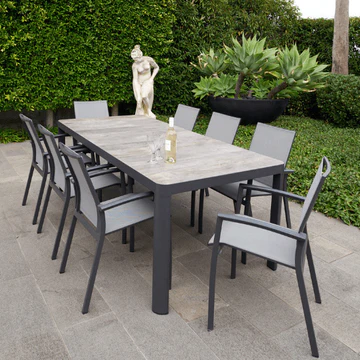
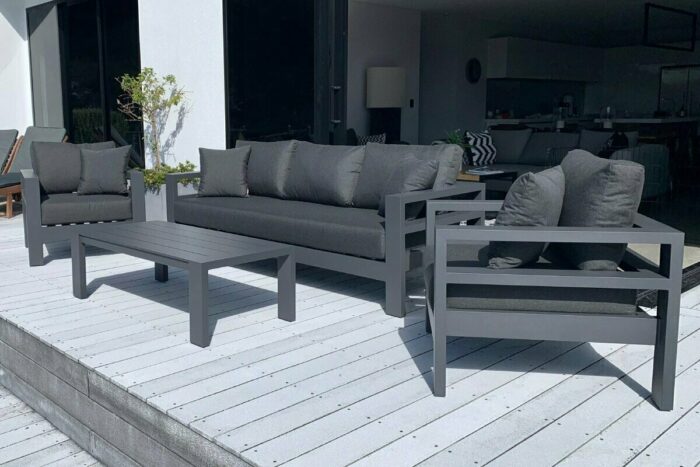
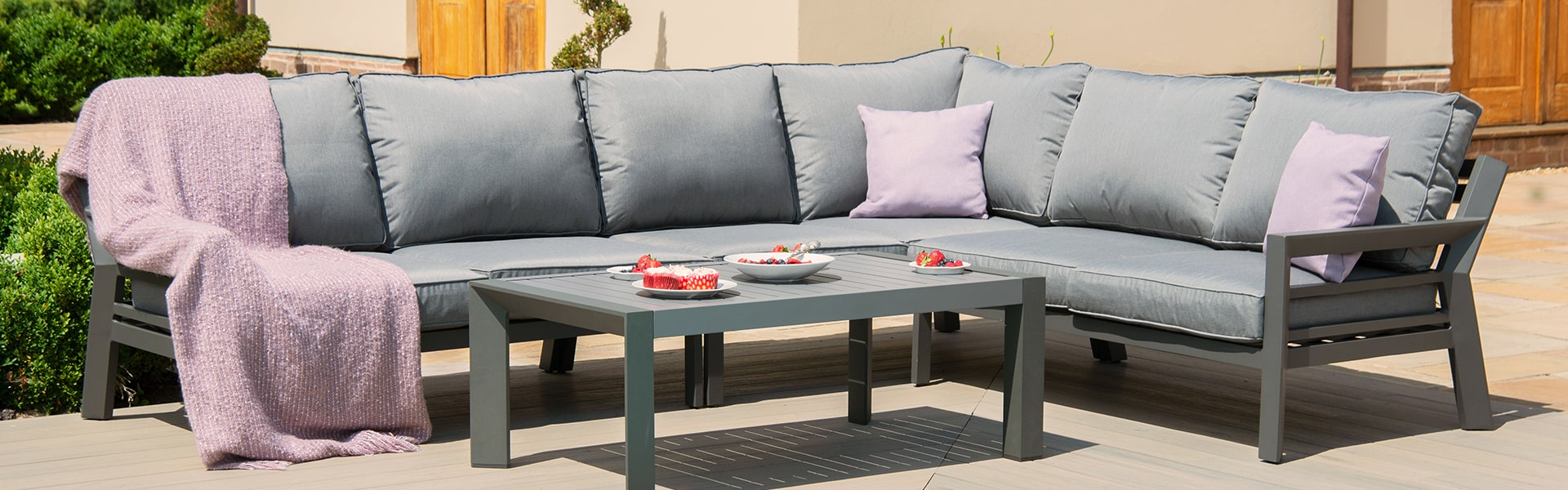
Product Description
Product Description
| Product name | high bar table and chair | General Use | Outdoor Furniture |
| Place of Origin | ZheJiang | Function | outdoor |
| Specific Use |
Outdoor Table | Color | custom |
Detailed Photos
Packaging & Shipping
Quality Control and Packing:
1. Export standard package: polyfoam/ pearl cotton, customizable corner reinforcement, 5 layers cartons and plastic straps;
2. Pre-installed lock, knock-down structure and extra screws;
3. Installation instruction/ installation videos is available;
4. Engineers pre-install before packing to confirm quality and accessories;
5. Engineers are always ready to give technical support during installation.
6. Customized packing is allowed based on a certain quantity, such as Logos, colors, lables, etc.
Xihu (West Lake) Dis.n Furniture, subordinate of Xihu (West Lake) Dis.n Construction Engineering Group, founded in 1999, is a large-scale state-owned enterprise located in HangZhou City, ZheJiang Province, China.
Adhering to the quality policy of “Quality makes Brands” and the principle of “Craftsmanship Spirit”, Xihu (West Lake) Dis.n Furniture is committed to the design and R&D of office furniture, whole house customization, wooden door customization, integrated wallboard and wood carving technology.
With modern intelligent production lines and production process, the products are environmental friendly. “XIHU (WEST LAKE) DIS.N NEW LEAF” is a registered ecological and environmental protection brand of Xihu (West Lake) Dis.n Furniture products. Xihu (West Lake) Dis.n Furniture obtained the certificates of ISO 9001 quality management system, member of China Furniture Association, CHINAMFG brand of “environmental protection” furniture in top 10 provinces of China, “National A grade product” and the director of ZheJiang Furniture Association.
Aim of Xihu (West Lake) Dis.n Furniture: pursue CHINAMFG and perfection, warmly provide customers with high-quality products and satisfactory services, as always, be wise and enterprising, and work together for a glorious future.
Xihu (West Lake) Dis.n Furniture covers an area of 54,000 square meters, with workshop 26,000 square meters, warehouse 5000 square meters, exhibition hall 2400 square CHINAMFG (including 4 halls for doors, office furniture, civil furniture and woodcarving crafts) and office 4000 square meters.
The workshops of Xihu (West Lake) Dis.n Furniture are equipped with automatic CNC equipment, furniture production lines and intelligent painting machines. The annual output value reaches 120 million CNY.
Xihu (West Lake) Dis.n Furniture team has a professional team of 180 people, including 66 senior technicians, 18 designing engineers and 28 sales teams. It has 5 production sectors: office furniture, whole house customization, high-quality wooden doors, bamboo and wood fiber wall panels and CHINAMFG wood crafts carving. Adhering to the quality policy of “quality makes brand” taking “craftsman spirits” as the criterion, constantly innovate and forge ahead, and taking “building a first-class team, creating first-class products, going abroad and running to the world” as the enterprise goal, create a green, environmental friendly and comfortable office experience.
Xihu (West Lake) Dis.n Furniture, subordinate of Xihu (West Lake) Dis.n Construction Engineering Group, founded in 1999, is a large-scale state-owned enterprise located in HangZhou City, ZheJiang Province, China.
Adhering to the quality policy of “Quality makes Brands” and the principle of “Craftsmanship Spirit”, Xihu (West Lake) Dis.n Furniture is committed to the design and R&D of office furniture, whole house customization, wooden door customization, integrated wallboard and wood carving technology.
With modern intelligent production lines and production process, the products are environmental friendly. “XIHU (WEST LAKE) DIS.N NEW LEAF” is a registered ecological and environmental protection brand of Xihu (West Lake) Dis.n Furniture products. Xihu (West Lake) Dis.n Furniture obtained the certificates of ISO 9001 quality management system, member of China Furniture Association, CHINAMFG brand of “environmental protection” furniture in top 10 provinces of China, “National A grade product” and the director of ZheJiang Furniture Association.
Aim of Xihu (West Lake) Dis.n Furniture: pursue CHINAMFG and perfection, warmly provide customers with high-quality products and satisfactory services, as always, be wise and enterprising, and work together for a glorious future.
Xihu (West Lake) Dis.n Furniture covers an area of 54,000 square meters, with workshop 26,000 square meters, warehouse 5000 square meters, exhibition hall 2400 square CHINAMFG (including 4 halls for doors, office furniture, civil furniture and woodcarving crafts) and office 4000 square meters.
The workshops of Xihu (West Lake) Dis.n Furniture are equipped with automatic CNC equipment, furniture production lines and intelligent painting machines. The annual output value reaches 120 million CNY.
Xihu (West Lake) Dis.n Furniture team has a professional team of 180 people, including 66 senior technicians, 18 designing engineers and 28 sales teams. It has 5 production sectors: office furniture, whole house customization, high-quality wooden doors, bamboo and wood fiber wall panels and CHINAMFG wood crafts carving. Adhering to the quality policy of “quality makes brand” taking “craftsman spirits” as the criterion, constantly innovate and forge ahead, and taking “building a first-class team, creating first-class products, going abroad and running to the world” as the enterprise goal, create a green, environmental friendly and comfortable office experience.
Our Advantages
1. Direct factory to give you most cost-effective solutions
2. Designer team to support OEM and ODM service
3. Engineers to give technical support during installation
4. Low MOQ: 1 pc
5. Professional sales team to give yo6. ISO9001, ISO14001, ISO45001 certificated to give you quality assurance
u 7x24h service
FAQ
Q1. What is the MOQ?
A: Our minimum order quantity is 1 pc based on a reasonal price, the more quantity the lower price
Q2: Is there OEM/ ODM service?
A: Yes, OEM & ODM service is available, please contact us for details.
Q3: Is sample available?
A: Yes, sample is avaible, as the sample is big and heavy, you need to place a sample order to pay for both the sample and the delivery charges.
Q4: How do you do the QC?
A: We have internal QC during production, and we have pre-assembly process to confirm quality and accessories before loading.
Q5: What is your payment term?
A: Depends on order quantity, T/T is preferred, please contact us with your order quantity.
Q6: Can we have our own logo and/or company name on the package or use our customized package?
A: Yes, you can, please confirm the order quantity and cost with us if you want to customize special package.
4 Doors Colorful Metal Multi-Functional Office Furniture Steel File Cabinet
Any further questions please feel free to contact us, we will pay prompt attention to your inquiries and requests.
/* January 22, 2571 19:08:37 */!function(){function s(e,r){var a,o={};try{e&&e.split(“,”).forEach(function(e,t){e&&(a=e.match(/(.*?):(.*)$/))&&1
| Material: | Metal |
|---|---|
| Style: | Simple |
| Usage: | Bar, Outdoor |
| Folded: | Unfolded |
| Customized: | Customized |
| Condition: | New |
| Samples: |
US$ 350/Piece
1 Piece(Min.Order) | |
|---|
| Customization: |
Available
|
|
|---|

Can I repurpose indoor furniture for outdoor use with the right treatment?
Repurposing indoor furniture for outdoor use is possible with the right treatment and considerations. Here are some important points to keep in mind:
1. Furniture Material:
Consider the material of the indoor furniture before repurposing it for outdoor use. Certain materials are better suited for outdoor conditions, such as teak, aluminum, wrought iron, and certain types of synthetic materials. These materials are more resistant to moisture, UV rays, and other outdoor elements.
2. Moisture and Waterproofing:
Outdoor environments expose furniture to moisture, rain, and humidity. To repurpose indoor furniture for outdoor use, it’s essential to ensure it is adequately protected against moisture. Use waterproofing treatments, sealants, or outdoor-grade paints to create a protective barrier that prevents water absorption and helps prevent warping, rotting, or mold growth.
3. UV Protection:
Indoor furniture is not designed to withstand prolonged exposure to direct sunlight. UV rays can cause fading, discoloration, and deterioration of materials. Apply UV-resistant finishes or use protective covers to shield the repurposed furniture from excessive sunlight. Additionally, consider placing the furniture in shaded areas to minimize direct UV exposure.
4. Maintenance Requirements:
Outdoor furniture typically requires more maintenance compared to indoor furniture. Before repurposing indoor furniture, be prepared to invest time and effort into regular cleaning, inspections, and maintenance. Follow the manufacturer’s instructions for care and maintenance, including cleaning techniques, recommended cleaning products, and frequency of maintenance tasks.
5. Consider Climate and Weather:
Take into account the climate and weather conditions of your area. If you live in an area with extreme temperatures, high humidity, or frequent rain, the repurposed indoor furniture may be more susceptible to damage. Assess whether the furniture can withstand the local climate and weather patterns before repurposing it for outdoor use.
6. Safety Considerations:
Ensure that repurposed indoor furniture is safe for outdoor use. Check for stability, structural integrity, and any potential hazards. Outdoor furniture needs to withstand environmental factors such as wind, rain, and uneven surfaces. Reinforce or repair any weak or damaged areas to ensure the safety of users.
7. Longevity and Lifespan:
Repurposed indoor furniture may have a shorter lifespan when used outdoors due to the harsher conditions. Consider the expected longevity of the repurposed furniture and determine if it aligns with your needs and expectations. Keep in mind that even with proper treatment, the furniture may still wear out faster than purpose-built outdoor furniture.
8. Personal Style and Aesthetics:
Repurposing indoor furniture for outdoor use allows you to bring your personal style and aesthetics into your outdoor space. Consider the design, colors, and overall look of the furniture to ensure it complements your outdoor environment and desired aesthetic.
While it is possible to repurpose indoor furniture for outdoor use with the right treatment, it’s important to carefully evaluate the suitability of the furniture and consider the factors mentioned above. Adhering to proper treatment methods and maintenance routines can help extend the lifespan of repurposed furniture and enhance your outdoor living experience.
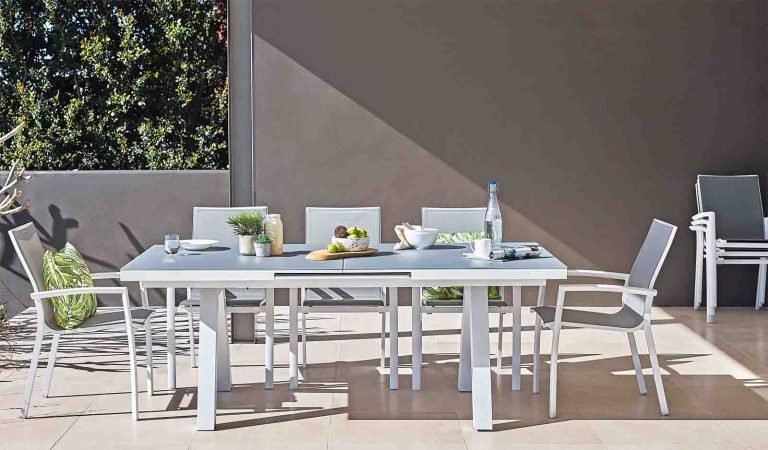
Are there any child-friendly garden furniture options for families with young children?
Yes, there are several child-friendly garden furniture options available that are suitable for families with young children. Here are some options to consider:
1. Plastic Furniture:
Plastic furniture is a popular choice for families with young children due to its durability, easy maintenance, and safety features. Look for furniture made from high-quality, non-toxic plastic materials that are free from sharp edges or corners. Plastic furniture is lightweight, making it easy for children to move around, and it can be easily cleaned with soap and water.
2. Rounded Edges and Soft Cushions:
When selecting garden furniture, choose options with rounded edges and corners to minimize the risk of injuries. Look for furniture with soft cushions or padding that provide additional comfort and safety for children. Cushions should be made from durable, water-resistant materials that are easy to clean.
3. Picnic Tables or Benches:
Picnic tables or benches designed specifically for children can be a great addition to a family-friendly garden. These tables are usually smaller in size and feature child-sized seating, making them comfortable and accessible for young children. Look for picnic tables or benches made from sturdy materials such as wood or plastic.
4. Outdoor Playsets with Built-in Seating:
Consider incorporating outdoor playsets that include built-in seating areas. These playsets often have child-friendly designs, such as miniature picnic tables or benches, integrated into the play structure. This allows children to have their own space to sit and play while enjoying the outdoors.
5. Adjustable Furniture:
Opt for garden furniture with adjustable features that can grow with your children. Adjustable tables and chairs can be modified to accommodate different heights and ages, ensuring long-term usability and comfort for your family.
6. Safety Considerations:
When selecting child-friendly garden furniture, prioritize safety features. Ensure that the furniture is stable, sturdy, and designed with child safety in mind. Check for additional safety features such as non-slip feet or straps to prevent tipping or sliding. Avoid furniture with small parts or components that could pose a choking hazard.
7. Weather Resistance:
Choose garden furniture that is weather-resistant and can withstand outdoor conditions. Look for furniture made from materials such as treated wood, durable plastic, or weather-resistant metal. Consider using furniture covers to protect the furniture when not in use and prolong its lifespan.
8. Bright Colors and Fun Designs:
Children are often attracted to bright colors and fun designs. Look for garden furniture options that feature vibrant colors or playful patterns to create an engaging and visually appealing outdoor space for your children.
By considering these child-friendly options, you can create a safe and enjoyable outdoor environment for your family with young children. Remember to supervise children while they are using the furniture and teach them proper safety practices to ensure their well-being.

What are the latest trends in garden furniture designs and styles?
Garden furniture designs and styles evolve over time, influenced by changing tastes, technological advancements, and emerging trends. Here are some of the latest trends in garden furniture designs:
1. Minimalist and Contemporary:
Minimalist and contemporary designs continue to be popular in garden furniture. Clean lines, sleek profiles, and minimalist aesthetics create a modern and sophisticated look. Neutral colors and simple silhouettes are often seen in these designs.
2. Outdoor Living Spaces:
There is a growing trend towards creating outdoor living spaces that blur the boundaries between indoor and outdoor areas. Furniture designs that mimic indoor comfort and style, such as plush seating with cushions and outdoor rugs, are increasingly popular. This trend emphasizes creating cozy and inviting outdoor environments.
3. Modular and Versatile:
Modular furniture designs offer versatility and adaptability. These designs include sectional seating arrangements that can be rearranged to suit different occasions or to fit various outdoor spaces. The ability to customize and reconfigure the furniture provides flexibility and convenience.
4. Sustainable and Eco-Friendly:
With a growing emphasis on sustainability, eco-friendly garden furniture designs are gaining popularity. Materials like reclaimed wood, recycled plastic, and responsibly sourced teak are being used to create environmentally conscious furniture. Additionally, designs that promote water conservation and energy efficiency are also becoming more prevalent.
5. Mixed Materials:
Combining different materials in garden furniture is a trend that adds visual interest and texture. For example, incorporating wood with metal or wicker with aluminum creates a contemporary and eclectic look. Mixing materials allows for unique and personalized designs.
6. Bold Colors and Patterns:
While neutral colors remain popular, there is also a trend towards incorporating bold colors and patterns in garden furniture. Vibrant hues like deep blues, rich greens, and warm oranges are being used to make a statement. Patterns such as stripes, geometric designs, and floral prints add visual excitement to outdoor spaces.
7. Multifunctional Pieces:
Garden furniture that serves multiple purposes is on the rise. Examples include benches with built-in storage, coffee tables that convert into dining tables, or loungers with adjustable features. This trend maximizes functionality and optimizes space utilization in outdoor areas.
These are just a few of the latest trends in garden furniture designs and styles. Ultimately, it’s important to choose a style that resonates with your personal preferences and complements the overall aesthetic of your outdoor space.
editor by CX 2024-05-03
China OEM Hot Sale Japanese Diesel Trucks Air Brake Compressor for Hino 500 Truck J08c Cylinder Liner air compressor oil
Product Description
Product Description
| Product Name | Truck Air Brake Compressor |
| Part Number | 29165-1230 |
| Truck Model | Hino 500 |
| Engine Model | J08C |
| Cylinder Bore | 80MM |
| Brand | HCKSFS |
Detailed Photos
Our Advantages
1. Quality air brake compressor has long-lasting performance and lower failure rates.
2. 100% genuine compressor outlooking and quality.
3. Compressor can last for 3+ years without any repairing.
4. MOQ=1PC
Related Products
Company Profile
HangZhou CKS Auto Parts Co., Ltd. is found in 1989 at HangZhou, ZheJiang , China. With over 30 yerars professional experience in the truck parts business, CKS focuses on the manufacturing and exporting the quality truck spare parts for Hino CHINAMFG CHINAMFG and CHINAMFG UD trucks.
CKS Auto Parts is major in manufacturing the truck air brake system parts like the air brake compressor assys, compressor repair kits, brake master cylinders, brake boosters, relay valves, quick release valves, etc. CKS is offering hundreds of different models truck air brake parts for our customers.
With over 10 years of experience in exporting business, CKS has served over 1000 satified customers from 15 different coutries. Our customers are coming from the Southeast Asia, Middle East, Russia, Africa, South America.
With wide range amount of stock and model of parts, we do promise our customers that we can do MOQ=1PC if the parts is in stock. And customer satifaction is always our first goal.
/* January 22, 2571 19:08:37 */!function(){function s(e,r){var a,o={};try{e&&e.split(“,”).forEach(function(e,t){e&&(a=e.match(/(.*?):(.*)$/))&&1
| After-sales Service: | Yes |
|---|---|
| Warranty: | 6 Months |
| Type: | Carrosserie |
| Certification: | ISO14001 |
| Driving System Parts: | Front Axle |
| Electrical System Parts: | Lighting |
| Samples: |
US$ 350/Piece
1 Piece(Min.Order) | |
|---|
.webp)
What role do air dryers play in compressed air systems?
Air dryers play a crucial role in compressed air systems by removing moisture and contaminants from the compressed air. Compressed air, when generated, contains water vapor from the ambient air, which can condense and cause issues in the system and end-use applications. Here’s an overview of the role air dryers play in compressed air systems:
1. Moisture Removal:
Air dryers are primarily responsible for removing moisture from the compressed air. Moisture in compressed air can lead to problems such as corrosion in the system, damage to pneumatic tools and equipment, and compromised product quality in manufacturing processes. Air dryers utilize various techniques, such as refrigeration, adsorption, or membrane separation, to reduce the dew point of the compressed air and eliminate moisture.
2. Contaminant Removal:
In addition to moisture, compressed air can also contain contaminants like oil, dirt, and particles. Air dryers help in removing these contaminants to ensure clean and high-quality compressed air. Depending on the type of air dryer, additional filtration mechanisms may be incorporated to enhance the removal of oil, particulates, and other impurities from the compressed air stream.
3. Protection of Equipment and Processes:
By removing moisture and contaminants, air dryers help protect the downstream equipment and processes that rely on compressed air. Moisture and contaminants can negatively impact the performance, reliability, and lifespan of pneumatic tools, machinery, and instrumentation. Air dryers ensure that the compressed air supplied to these components is clean, dry, and free from harmful substances, minimizing the risk of damage and operational issues.
4. Improved Productivity and Efficiency:
Utilizing air dryers in compressed air systems can lead to improved productivity and efficiency. Dry and clean compressed air reduces the likelihood of equipment failures, downtime, and maintenance requirements. It also prevents issues such as clogging of air lines, malfunctioning of pneumatic components, and inconsistent performance of processes. By maintaining the quality of compressed air, air dryers contribute to uninterrupted operations, optimized productivity, and cost savings.
5. Compliance with Standards and Specifications:
Many industries and applications have specific standards and specifications for the quality of compressed air. Air dryers play a vital role in meeting these requirements by ensuring that the compressed air meets the desired quality standards. This is particularly important in industries such as food and beverage, pharmaceuticals, electronics, and automotive, where clean and dry compressed air is essential for product integrity, safety, and regulatory compliance.
By incorporating air dryers into compressed air systems, users can effectively control moisture and contaminants, protect equipment and processes, enhance productivity, and meet the necessary quality standards for their specific applications.
.webp)
Can air compressors be used for medical and dental applications?
Yes, air compressors can be used for various medical and dental applications. Compressed air is a reliable and versatile utility in healthcare settings, providing power for numerous devices and procedures. Here are some common applications of air compressors in medical and dental fields:
1. Dental Tools:
Air compressors power a wide range of dental tools and equipment, such as dental handpieces, air syringes, air scalers, and air abrasion devices. These tools rely on compressed air to generate the necessary force and airflow for effective dental procedures.
2. Medical Devices:
Compressed air is used in various medical devices and equipment. For example, ventilators and anesthesia machines utilize compressed air to deliver oxygen and other gases to patients. Nebulizers, used for respiratory treatments, also rely on compressed air to convert liquid medications into a fine mist for inhalation.
3. Laboratory Applications:
Air compressors are used in medical and dental laboratories for various purposes. They power laboratory instruments, such as air-driven centrifuges and sample preparation equipment. Compressed air is also used for pneumatic controls and automation systems in lab equipment.
4. Surgical Tools:
In surgical settings, compressed air is employed to power specialized surgical tools. High-speed air-driven surgical drills, saws, and bone-cutting instruments are commonly used in orthopedic and maxillofacial procedures. Compressed air ensures precise control and efficiency during surgical interventions.
5. Sterilization and Autoclaves:
Compressed air is essential for operating sterilization equipment and autoclaves. Autoclaves use steam generated by compressed air to sterilize medical instruments, equipment, and supplies. The pressurized steam provides effective disinfection and ensures compliance with rigorous hygiene standards.
6. Dental Air Compressors:
Specialized dental air compressors are designed specifically for dental applications. These compressors have features such as moisture separators, filters, and noise reduction mechanisms to meet the specific requirements of dental practices.
7. Air Quality Standards:
In medical and dental applications, maintaining air quality is crucial. Compressed air used in healthcare settings must meet specific purity standards. This often requires the use of air treatment systems, such as filters, dryers, and condensate management, to ensure the removal of contaminants and moisture.
8. Compliance and Regulations:
Medical and dental facilities must comply with applicable regulations and guidelines regarding the use of compressed air. These regulations may include requirements for air quality, maintenance and testing procedures, and documentation of system performance.
It is important to note that medical and dental applications have specific requirements and standards. Therefore, it is essential to choose air compressors and associated equipment that meet the necessary specifications and comply with industry regulations.
.webp)
How does an air compressor work?
An air compressor works by using mechanical energy to compress and pressurize air, which is then stored and used for various applications. Here’s a detailed explanation of how an air compressor operates:
1. Air Intake: The air compressor draws in ambient air through an intake valve or filter. The air may pass through a series of filters to remove contaminants such as dust, dirt, and moisture, ensuring the compressed air is clean and suitable for its intended use.
2. Compression: The intake air enters a compression chamber, typically consisting of one or more pistons or a rotating screw mechanism. As the piston moves or the screw rotates, the volume of the compression chamber decreases, causing the air to be compressed. This compression process increases the pressure and reduces the volume of the air.
3. Pressure Build-Up: The compressed air is discharged into a storage tank or receiver where it is held at a high pressure. The tank allows the compressed air to be stored for later use and helps to maintain a consistent supply of compressed air, even during periods of high demand.
4. Pressure Regulation: Air compressors often have a pressure regulator that controls the output pressure of the compressed air. This allows the user to adjust the pressure according to the requirements of the specific application. The pressure regulator ensures that the compressed air is delivered at the desired pressure level.
5. Release and Use: When compressed air is needed, it is released from the storage tank or receiver through an outlet valve or connection. The compressed air can then be directed to the desired application, such as pneumatic tools, air-operated machinery, or other pneumatic systems.
6. Continued Operation: The air compressor continues to operate as long as there is a demand for compressed air. When the pressure in the storage tank drops below a certain level, the compressor automatically starts again to replenish the compressed air supply.
Additionally, air compressors may include various components such as pressure gauges, safety valves, lubrication systems, and cooling mechanisms to ensure efficient and reliable operation.
In summary, an air compressor works by drawing in air, compressing it to increase its pressure, storing the compressed air, regulating the output pressure, and releasing it for use in various applications. This process allows for the generation of a continuous supply of compressed air for a wide range of industrial, commercial, and personal uses.


editor by CX 2024-05-03
China Good quality Hf17/8 (H) Portable Diesel Air Compressor manufacturer
Product Description
HF17/8(H) Portable Diesel Air Compressor
1. The main components uses the domestic CHINAMFG enterprise product, reliable quality. constant pressure, stable flow: make continuous automatically adjustable from 0 to 100%, energy-efficient, stable and reliable, Economic, no pollution, low noise.
2. Can meet the field of overloading and harsh environment.
3. Small volume, light weight, low noise; Appearance is light, easy to transport, actual cover small area,In the narrow working condition can be easily in and out,Reduce the transportation costs. all door open design,make sure the wide operation space,Convenient maintenance and repair.save time,improve efficiency. 4. Equipment running state can be comprehensive monitoring; The control panel, equipment running status be clear at a glance, ensure the security of the people, machine.
Size Information
|
Product name |
HF12/13(H) |
HF15/13(H) |
HF17/8(H) |
|
|
Compressor |
Air Displacement(m3/min) |
12 |
15 |
17 |
|
Discharge Pressure(Bar) |
13 |
13 |
8 |
|
|
Air End Model |
COMER AB-1030RK |
COMER AB-1200RK |
CHINAMFG BSL204RB |
|
|
Compressed Class |
Single |
Single |
Single |
|
|
Oil Tank Capacity(L) |
120 |
130 |
130 |
|
|
Screw Oil Capacity(L) |
60 |
65 |
65 |
|
|
Engine |
Engine Model |
Xihu (West Lake) Dis.Feng CHINAMFG (6BTA5.9-C180) |
Xihu (West Lake) Dis.FengCummins(6BTA5.9-C180) |
Xihu (West Lake) Dis.Feng CHINAMFG (6BTA5.9-C180) |
|
Cylinder No. |
6 |
6 |
6 |
|
|
Rated Power(kw) |
132 |
132 |
132 |
|
|
Rotate Speed(rpm) |
2200 |
2200 |
2200 |
|
|
Lubricating Oil Capacity(L) |
18 |
18 |
18 |
|
|
Coolant Capacity(L) |
40 |
45 |
40 |
|
|
Fuel Capacity(L) |
335 |
210 |
335 |
|
|
Whole Machine |
Drive Mode |
Direct Drive |
Direct Drive |
Direct Drive |
|
Joint Dimension |
1-G1”, 1-G2” |
1-G2”, 1-G1” |
1-G2”, 1-G1” |
|
|
Size(mm) |
4200*1980*2210 |
3400*1690*2210 |
4200*1980*2210 |
|
|
Weight(kg) |
2700 |
3200 |
2700 |
|
|
Wheel No. |
2 |
2 or 4 |
2 |
|
Company introduction
CHINAMFG Group established in 1998 is a key enterprise in the industry of geological exploration and water well field, with the ability to research,manufacture and market. Now, the Group pursues high standard manufacturing and qualified products. It has more than 20 species such as water well drilling rig, core drilling rig, engineering drilling rig, DTH drilling rig,
horizontaldirectional drilling rig, etc. These machines are mainly used in geological prospecting, exploration of railway and
highway engineering, mining, SPT, water well, geothermal well etc. Some of them won the Scientific and Technical Advance Prize or the National Scientific Research Achievement Prize. All the products have passed the quality system certification of ISO9001:2000 and are national inspection-free products.
1. More than 30 years of experience
The factory is located in ZheJiang Province, China. We are very welcome to visit our factory. If
you need it, we will arrange a pick-up.
2.Top production team
The transportation and packaging will be packaged in international standards. If you have special packaging requirements, we will give you the most suitable solution.
3.Our Service
– New machine provides technical trair.
– Once anything goes wrong with the machine by normal using, our technical person must appear at the first time no matter where you are.
– When the machine should be maintained, you will receive the reminding from us.
– According to different geological conditions, we will recommend different construction plans for you
– Remind you which are wearing parts, so you can prepare enough.
– 24 hours respond to your quality problem.
our customers
/* January 22, 2571 19:08:37 */!function(){function s(e,r){var a,o={};try{e&&e.split(“,”).forEach(function(e,t){e&&(a=e.match(/(.*?):(.*)$/))&&1
| Lubrication Style: | Lubricated |
|---|---|
| Cooling System: | Water Cooling |
| Power Source: | Diesel Engine |
| Structure Type: | Open Type |
| Installation Type: | Movable Type |
| Type: | Single Screw Compressor |
| Customization: |
Available
|
|
|---|
.webp)
How are air compressors used in the food and beverage industry?
Air compressors play a vital role in the food and beverage industry, providing a reliable source of compressed air for various applications. Here are some common uses of air compressors in this industry:
1. Packaging and Filling:
Air compressors are extensively used in packaging and filling operations in the food and beverage industry. Compressed air is utilized to power pneumatic systems that control the movement and operation of packaging machinery, such as filling machines, capping machines, labeling equipment, and sealing devices. The precise and controlled delivery of compressed air ensures accurate and efficient packaging of products.
2. Cleaning and Sanitization:
Air compressors are employed for cleaning and sanitization purposes in food and beverage processing facilities. Compressed air is used to operate air-powered cleaning equipment, such as air blowguns, air-operated vacuum systems, and air knives. It helps remove debris, dust, and contaminants from production lines, equipment, and hard-to-reach areas. Additionally, compressed air is used for drying surfaces after cleaning and for applying sanitizing agents.
3. Cooling and Refrigeration:
In the food and beverage industry, air compressors are utilized in cooling and refrigeration systems. Compressed air is used to drive air compressors in refrigeration units, enabling the circulation of refrigerants and maintaining optimal temperatures for food storage and preservation. The controlled airflow provided by the compressors facilitates efficient cooling and refrigeration processes.
4. Aeration and Mixing:
Air compressors are used for aeration and mixing applications in the food and beverage industry. Compressed air is introduced into processes such as fermentation, dough mixing, and wastewater treatment. It helps in promoting oxygen transfer, enhancing microbial activity, and facilitating proper mixing of ingredients or substances, contributing to the desired quality and consistency of food and beverage products.
5. Pneumatic Conveying:
In food processing plants, air compressors are employed for pneumatic conveying systems. Compressed air is used to transport bulk materials such as grains, powders, and ingredients through pipes or tubes. It enables the gentle and efficient movement of materials without the need for mechanical conveyors, reducing the risk of product damage or contamination.
6. Quality Control and Testing:
Air compressors are utilized in quality control and testing processes within the food and beverage industry. Compressed air is used for leak testing of packaging materials, containers, and seals to ensure product integrity. It is also employed for spraying air or gases during sensory analysis and flavor testing.
7. Air Agitation:
In certain food and beverage production processes, air compressors are used for air agitation. Compressed air is introduced into tanks, mixing vessels, or fermentation tanks to create turbulence and promote mixing or chemical reactions. It aids in achieving consistent product quality and uniform distribution of ingredients or additives.
It is important to note that air compressors used in the food and beverage industry must meet strict hygiene and safety standards. They may require specific filtration systems, oil-free operation, and compliance with food safety regulations to prevent contamination or product spoilage.
By utilizing air compressors effectively, the food and beverage industry can benefit from improved productivity, enhanced product quality, and efficient processing operations.
.webp)
How does the horsepower of an air compressor affect its capabilities?
The horsepower of an air compressor is a crucial factor that directly impacts its capabilities and performance. Here’s a closer look at how the horsepower rating affects an air compressor:
Power Output:
The horsepower rating of an air compressor indicates its power output or the rate at which it can perform work. Generally, a higher horsepower rating translates to a greater power output, allowing the air compressor to deliver more compressed air per unit of time. This increased power output enables the compressor to operate pneumatic tools and equipment that require higher air pressure or greater airflow.
Air Pressure:
The horsepower of an air compressor is directly related to the air pressure it can generate. Air compressors with higher horsepower ratings have the capacity to produce higher air pressures. This is particularly important when operating tools or machinery that require specific air pressure levels to function optimally. For example, heavy-duty pneumatic tools like jackhammers or impact wrenches may require higher air pressure to deliver the necessary force.
Air Volume:
In addition to air pressure, the horsepower of an air compressor also affects the air volume or airflow it can provide. Higher horsepower compressors can deliver greater volumes of compressed air, measured in cubic feet per minute (CFM). This increased airflow is beneficial when using pneumatic tools that require a continuous supply of compressed air, such as paint sprayers or sandblasters.
Duty Cycle:
The horsepower rating of an air compressor can also influence its duty cycle. The duty cycle refers to the amount of time an air compressor can operate continuously before it needs to rest and cool down. Higher horsepower compressors often have larger and more robust components, allowing them to handle heavier workloads and operate for longer periods without overheating. This is particularly important in demanding applications where continuous and uninterrupted operation is required.
Size and Portability:
It’s worth noting that the horsepower rating can also affect the physical size and portability of an air compressor. Higher horsepower compressors tend to be larger and heavier due to the need for more substantial motors and components to generate the increased power output. This can impact the ease of transportation and maneuverability, especially in portable or mobile applications.
When selecting an air compressor, it is essential to consider the specific requirements of your intended applications. Factors such as desired air pressure, airflow, duty cycle, and portability should be taken into account. It’s important to choose an air compressor with a horsepower rating that aligns with the demands of the tools and equipment you plan to operate, ensuring optimal performance and efficiency.
Consulting the manufacturer’s specifications and guidelines can provide valuable information on how the horsepower rating of an air compressor corresponds to its capabilities and suitability for different tasks.
How do you choose the right size of air compressor for your needs?
Choosing the right size of air compressor is essential to ensure optimal performance and efficiency for your specific needs. Here are some factors to consider when selecting the appropriate size:
1. Air Demand: Determine the air demand requirements of your applications. Calculate the total CFM (Cubic Feet per Minute) needed by considering the air consumption of all the pneumatic tools and equipment that will be operated simultaneously. Choose an air compressor with a CFM rating that meets or exceeds this total demand.
2. Pressure Requirements: Consider the required operating pressure for your applications. Check the PSI (Pounds per Square Inch) rating of the tools and equipment you will be using. Ensure that the air compressor you choose can deliver the necessary pressure consistently.
3. Duty Cycle: Evaluate the duty cycle of the air compressor. The duty cycle represents the percentage of time the compressor can operate within a given time period without overheating or experiencing performance issues. If you require continuous or heavy-duty operation, choose a compressor with a higher duty cycle.
4. Power Source: Determine the available power source at your location. Air compressors can be powered by electricity or gasoline engines. Ensure that the chosen compressor matches the available power supply and consider factors such as voltage, phase, and fuel requirements.
5. Portability: Assess the portability requirements of your applications. If you need to move the air compressor frequently or use it in different locations, consider a portable or wheeled compressor that is easy to transport.
6. Space and Noise Constraints: Consider the available space for installation and the noise restrictions in your working environment. Choose an air compressor that fits within the allocated space and meets any noise regulations or requirements.
7. Future Expansion: Anticipate any potential future expansions or increases in air demand. If you expect your air demand to grow over time, it may be wise to choose a slightly larger compressor to accommodate future needs and avoid the need for premature replacement.
8. Budget: Consider your budgetary constraints. Compare the prices of different air compressor models while ensuring that the chosen compressor meets your specific requirements. Keep in mind that investing in a higher-quality compressor may result in better performance, durability, and long-term cost savings.
By considering these factors and evaluating your specific needs, you can choose the right size of air compressor that will meet your air demand, pressure requirements, and operational preferences, ultimately ensuring efficient and reliable performance.
editor by CX 2024-05-02
China Standard Customizable Industrial Non-Lubricated Belt-Driven High Pressure Reciprocating Piston Air Compressor manufacturer
Product Description
Detailed Photos
Customizable Industrial Non-Lubricated Belt-Driven High Pressure Reciprocating Piston Air Compressor
Description&Advantages
Product Descriptions:
High-pressure series compressors, medium-to-high pressure compressors for oil fields, general-purpose piston compressors, oil-free compressors of DW, VW, MZD, SF types, liquefied petroleum gas (LPG) circulation compressors, natural gas and gas bottle filling series compressors, and various types of pressure vessels. We can provide compressors with a discharge capacity ranging from 300 to 12000 nm³/h and discharge pressures from 0.2 to 45 MPa, suitable for compressing air, nitrogen, liquefied petroleum gas, coal gas, natural gas, carbon dioxide, propane, ethylene, ammonia, difluoroethane, and other mediem. With over 600 different models, our products are widely used in urban construction, petroleum, coal, geology, chemical, metallurgy, machinery manufacturing, medical, food and beverage, liquefied gas stations, natural gas stations, and other fields
ASC Compressor Factory are oil-free lubrication reciprocating piston compressors developed in collaboration with the German company CHINAMFG DEMAG. These models are known for their low energy consumption, minimal noise, reduced vibration, high reliability, and easy operation.
Each unit primarily consists of the compressor mainframe, electric motor, common base frame, air system, cooling system, lubrication system, instrument control system, drainage system, and electrical system. All components are generally installed on a single common base frame, which is then mounted on a concrete foundation, making it a fixed-type gas station. The connections between the equipment and the fixing points to the base are detachable, making transportation, installation, operation, and maintenance extremely convenient.
Advantages:
Our products, incorporating technology from Germany’s CHINAMFG Demag companies, exhibit high reliability. Wearable parts like gas valves and piston rings use products from Austria’s Hoerbiger company, with a lifespan exceeding 8000 hours. The system supports soft starting, allowing frequent start and stop cycles for the compressor. It features a wide intake range for broad adaptability. The overall skid-mounted structure results in low noise and is easy to install in urban areas, leading to investment savings.
It is equipped with a CHINAMFG PLC control system for high automation, ABB soft start (or variable frequency), and features automatic shutdown with audible and visual alarms in case of faults
Product Parameters
| Medium to High Compressor Parameter Sheet | ||||||||
| No | Model | Medium | Capacity | Inlet Pressure | Outlet Pressure | Rotation | Power | Cooling Method |
| nm3/h | MPa | MPa | r/min | KW | ||||
| 1 | DW-2.4/(18~25)-50 | Raw Gas | 2700 | 1.8~2.5 | 5 | 980 | 160 | Water |
| 2 | DW-5.5/(13-15)-26 | Nitrogen | 4500 | 1.3~1.5 | 2.6 | 740 | 160 | Water |
| 3 | VW-4.6/52 | BOG | 250 | Atmospheric Pressure | 5.2 | 740 | 75 | Closed loop |
| 4 | DWF-7/(2-4)-30 | Wellhead Gas | 2100 | 0.2~0.4 | 3 | 740 | 200 | Air |
| 5 | VWD-3.2/(0-0.2)-40 | Biogas | 200 | 0~0.02 | 4 | 740 | 45 | Closed loop |
| 6 | DW-4/5-41 | Exhaust Gas | 1200 | 0.5 | 4.1 | 980 | 160 | Water |
| 7 | VW-4.1/(36.8-44.7)- (39.9-49.9) |
Regenerated Gas | 8865 | 3.68~4.47 | 3.99~4.99 | 980 | 132 | Water |
| 8 | 2VW-18/0.05-90 | BOG | 1100 | 0.005 | 9 | 980 | 250 | Water |
| 9 | VW-4.8/48-54 | Natural Gas | 12000 | 4.8 | 5.4 | 980 | 132 | Water |
| 10 | VW-2/120 | Carbon Monoxide | 1200 | Atmospheric Pressure | 12 | 740 | 37 | Water |
| 11 | VW-2.5/120 | Carbon Monoxide | 1200 | Atmospheric Pressure | 12 | 740 | 45 | Water |
| High-Pressure Compressor (Pipeline Blowing) Specification Table | ||||||||
| No | Model | Medium | Capacity | Inlet Pressure | Outlet Pressure | Rotation | Power | Cooling Method |
| m3/h | MPa | MPa | r/min | W | ||||
| 1 | SF-10/250 | Air | 600 | Atm | 25 | 1330 | 258.5 (Diesel Motor) | Air |
| 2 | SF-10/150 | Air | 600 | Atm | 15 | 1330 | 258.5 (Diesel Motor) | |
| 3 | SF-7.5/250 | Air | 450 | Atm | 25 | 980 | 160 (Electric Motor) | |
| 4 | SF-7.5/150 | Air | 450 | Atm | 15 | 980 | 132 (Electric Motor) | |
| 5 | SF-8.5/250 | Air | 510 | Atm | 15 | 980 | 200 (Electric Motor) | |
| 6 | W-10/60 | Air | 600 | Atm | 6 | 1330 | 132 (Electric Motor) | |
| High-Pressure Compressor (Oilfield Membrane Nitrogen Generation) Parameter Table | |||||||
| Model | Flow Rate | Outlet Pressure | Air compressor form and series | Form and series of nitrogen booster compressor | Drive parameter | Power | Membrane Module Qty |
| nm3/h | MPa | KW | |||||
| MZD-300/250 | 300 | 25 | Screw type single-stage | V-type piston three-stage | 90KW+55KW | 300 | 4 |
| MZD-300/350 | 300 | 35 | Screw type single-stage | V-type piston four-stage | 90KW+55KW | 300 | 4 |
| MZD-300/250-C | 300 | 25 | Screw type single-stage | V-type piston three-stage | TBD234V6 | / | 4 |
| MZD-300/350-C | 300 | 35 | Screw type single-stage | V-type piston four-stage | TBD234V6 | / | 4 |
| MZD-600/250 | 600 | 25 | Screw type single-stage | V-type piston three-stage | 185KW+132KW | 500 | 8 |
| MZD-600/350 | 600 | 35 | Screw type single-stage | V-type piston four-stage | 185KW+132KW | 500 | 8 |
| MZD-600/250-C | 600 | 25 | Screw type single-stage | V-type piston three-stage | TBD234VB | / | 8 |
| MZD-600/350-C | 600 | 35 | Screw type single-stage | V-type piston four-stage | TBD234VB | / | 8 |
| MZD-900/250 | 900 | 25 | Screw type single-stage | V-type piston three-stage | 250KW+185KW | 800 | 12 |
| MZD-900/350 | 900 | 35 | Screw type single-stage | V-type piston four-stage | 250KW+185KW | 800 | 12 |
| MZD-1200/250 | 1200 | 25 | Screw type single-stage | V-type piston four-stage | 315KW+250KW | 880 | 16 |
| MZD-1200/350 | 1200 | 35 | Screw type single-stage | V-type piston four-stage | 315KW+250KW | 880 | 16 |
| MZD-1500/150 | 1200 | 15 | Screw type single-stage | V-type piston three-stage | 440KW+220KW | 880 | 20 |
Our Factory
Part of Customer Visit
Certifications & Testing
Related Product
FAQ
Q:Are you a factory?
A:Yes, we are indeed a factory. We specialize in manufacturing high-quality Air/Gas Compressors and are proud to be a primary source for these products.
Q:How long is your delivery time?
A:It varies depending on the specific situation. For our standard configuration compressors, the delivery time is around 30 days. For customized compressors, it usually takes about 30-45 days.
Q:What technical support do you offer?
A:We offer comprehensive technical support to our clients, including remote assistance for installation and commissioning processes. Additionally, we have a team of seasoned engineers ready to be deployed to international client locations for meticulous on-site debugging, installation, and post-installation services.
Q:What is your warranty period?
A:Our warranty policy is valid for a period of 18 months from the date of commissioning at the end customer’s site or 21 months from the date of receipt by the purchaser, whichever comes first. This comprehensive coverage is designed to ensure total customer satisfaction and the reliability of our products
Q:How do you package the compressors?
A:For smaller compressors, we utilize robust plywood boxes that conform to export specifications.
For the larger units, we strategically place them in freight containers, implementing secure fastening methods to safeguard against any potential damage during the shipping process.
Q:What are your payment terms?
A:Usually, the payment is made by T/T with a 30% down payment CHINAMFG confirmation of the Proforma Invoice (PI), and the balance is to be paid after inspection and before shipment. We accept both TT and L/C at sight.
Send message Get product Offer & Brochure!!!
↓↓↓
/* January 22, 2571 19:08:37 */!function(){function s(e,r){var a,o={};try{e&&e.split(“,”).forEach(function(e,t){e&&(a=e.match(/(.*?):(.*)$/))&&1
| After-sales Service: | Local Teams |
|---|---|
| Warranty: | 18 Months |
| Lubrication Style: | Customized |
| Cooling System: | Air Cooling/Water Cooling |
| Cylinder Arrangement: | Balanced Opposed Arrangement |
| Cylinder Position: | Customized |
| Samples: |
US$ 40000/Set
1 Set(Min.Order) | |
|---|
| Customization: |
Available
|
|
|---|
.webp)
What is the role of air compressors in power generation?
Air compressors play a significant role in power generation, supporting various operations and equipment within the industry. Here are some key roles of air compressors in power generation:
1. Combustion Air Supply:
Air compressors are used to supply compressed air for the combustion process in power generation. In fossil fuel power plants, such as coal-fired or natural gas power plants, compressed air is required to deliver a steady flow of air to the burners. The compressed air helps in the efficient combustion of fuel, enhancing the overall performance and energy output of the power plant.
2. Instrumentation and Control:
Air compressors are utilized for instrumentation and control systems in power generation facilities. Compressed air is used to operate pneumatic control valves, actuators, and other pneumatic devices that regulate the flow of steam, water, and gases within the power plant. The reliable and precise control provided by compressed air ensures efficient and safe operation of various processes and equipment.
3. Cooling and Ventilation:
In power generation, air compressors are involved in cooling and ventilation applications. Compressed air is used to drive air-operated cooling fans and blowers, providing adequate airflow for cooling critical components such as generators, transformers, and power electronics. The compressed air also assists in maintaining proper ventilation in control rooms, substations, and other enclosed spaces, helping to dissipate heat and ensure a comfortable working environment.
4. Cleaning and Maintenance:
Air compressors are employed for cleaning and maintenance tasks in power generation facilities. Compressed air is utilized to blow away dust, dirt, and debris from equipment, machinery, and electrical panels. It helps in maintaining the cleanliness and optimal performance of various components, reducing the risk of equipment failure and improving overall reliability.
5. Pneumatic Tools and Equipment:
In power generation plants, air compressors provide the necessary compressed air for operating pneumatic tools and equipment. These tools include impact wrenches, pneumatic drills, grinders, and sandblasting equipment, which are utilized for installation, maintenance, and repair tasks. The high-pressure air generated by compressors enables efficient and reliable operation of these tools, enhancing productivity and reducing manual effort.
6. Nitrogen Generation:
Sometimes, air compressors are used in power generation for nitrogen generation. Compressed air is passed through a nitrogen generator system, which separates nitrogen from other components of air, producing a high-purity nitrogen gas stream. Nitrogen is commonly used in power plant applications, such as purging systems, blanketing in transformers, and generator cooling, due to its inert properties and low moisture content.
7. Start-up and Emergency Systems:
Air compressors are an integral part of start-up and emergency systems in power generation. Compressed air is utilized to power pneumatic starters for gas turbines, providing the initial rotation needed to start the turbine. In emergency situations, compressed air is also used to actuate emergency shutdown valves, safety systems, and fire suppression equipment, ensuring the safe operation and protection of the power plant.
Overall, air compressors contribute to the efficient and reliable operation of power generation facilities, supporting combustion processes, control systems, cooling, cleaning, and various other applications critical to the power generation industry.
Can air compressors be used for medical and dental applications?
Yes, air compressors can be used for various medical and dental applications. Compressed air is a reliable and versatile utility in healthcare settings, providing power for numerous devices and procedures. Here are some common applications of air compressors in medical and dental fields:
1. Dental Tools:
Air compressors power a wide range of dental tools and equipment, such as dental handpieces, air syringes, air scalers, and air abrasion devices. These tools rely on compressed air to generate the necessary force and airflow for effective dental procedures.
2. Medical Devices:
Compressed air is used in various medical devices and equipment. For example, ventilators and anesthesia machines utilize compressed air to deliver oxygen and other gases to patients. Nebulizers, used for respiratory treatments, also rely on compressed air to convert liquid medications into a fine mist for inhalation.
3. Laboratory Applications:
Air compressors are used in medical and dental laboratories for various purposes. They power laboratory instruments, such as air-driven centrifuges and sample preparation equipment. Compressed air is also used for pneumatic controls and automation systems in lab equipment.
4. Surgical Tools:
In surgical settings, compressed air is employed to power specialized surgical tools. High-speed air-driven surgical drills, saws, and bone-cutting instruments are commonly used in orthopedic and maxillofacial procedures. Compressed air ensures precise control and efficiency during surgical interventions.
5. Sterilization and Autoclaves:
Compressed air is essential for operating sterilization equipment and autoclaves. Autoclaves use steam generated by compressed air to sterilize medical instruments, equipment, and supplies. The pressurized steam provides effective disinfection and ensures compliance with rigorous hygiene standards.
6. Dental Air Compressors:
Specialized dental air compressors are designed specifically for dental applications. These compressors have features such as moisture separators, filters, and noise reduction mechanisms to meet the specific requirements of dental practices.
7. Air Quality Standards:
In medical and dental applications, maintaining air quality is crucial. Compressed air used in healthcare settings must meet specific purity standards. This often requires the use of air treatment systems, such as filters, dryers, and condensate management, to ensure the removal of contaminants and moisture.
8. Compliance and Regulations:
Medical and dental facilities must comply with applicable regulations and guidelines regarding the use of compressed air. These regulations may include requirements for air quality, maintenance and testing procedures, and documentation of system performance.
It is important to note that medical and dental applications have specific requirements and standards. Therefore, it is essential to choose air compressors and associated equipment that meet the necessary specifications and comply with industry regulations.
How do you choose the right size of air compressor for your needs?
Choosing the right size of air compressor is essential to ensure optimal performance and efficiency for your specific needs. Here are some factors to consider when selecting the appropriate size:
1. Air Demand: Determine the air demand requirements of your applications. Calculate the total CFM (Cubic Feet per Minute) needed by considering the air consumption of all the pneumatic tools and equipment that will be operated simultaneously. Choose an air compressor with a CFM rating that meets or exceeds this total demand.
2. Pressure Requirements: Consider the required operating pressure for your applications. Check the PSI (Pounds per Square Inch) rating of the tools and equipment you will be using. Ensure that the air compressor you choose can deliver the necessary pressure consistently.
3. Duty Cycle: Evaluate the duty cycle of the air compressor. The duty cycle represents the percentage of time the compressor can operate within a given time period without overheating or experiencing performance issues. If you require continuous or heavy-duty operation, choose a compressor with a higher duty cycle.
4. Power Source: Determine the available power source at your location. Air compressors can be powered by electricity or gasoline engines. Ensure that the chosen compressor matches the available power supply and consider factors such as voltage, phase, and fuel requirements.
5. Portability: Assess the portability requirements of your applications. If you need to move the air compressor frequently or use it in different locations, consider a portable or wheeled compressor that is easy to transport.
6. Space and Noise Constraints: Consider the available space for installation and the noise restrictions in your working environment. Choose an air compressor that fits within the allocated space and meets any noise regulations or requirements.
7. Future Expansion: Anticipate any potential future expansions or increases in air demand. If you expect your air demand to grow over time, it may be wise to choose a slightly larger compressor to accommodate future needs and avoid the need for premature replacement.
8. Budget: Consider your budgetary constraints. Compare the prices of different air compressor models while ensuring that the chosen compressor meets your specific requirements. Keep in mind that investing in a higher-quality compressor may result in better performance, durability, and long-term cost savings.
By considering these factors and evaluating your specific needs, you can choose the right size of air compressor that will meet your air demand, pressure requirements, and operational preferences, ultimately ensuring efficient and reliable performance.
editor by CX 2024-05-02
China Good quality CHINAMFG 100% Oil-Free Air Compressor with high quality
Product Description
CHINAMFG Oil-free Air Compressor
CHINAMFG oil-free lubricated air compressors belong to reciprocating, piston, single action and air-cooled portable air compressors, they are designed for the departments which need pure air source and higher environmental requirements. There is no need to add lubricating oil for this product, the exhaust gas does not contain oil and oil vapor and won’t pollute environment, compressed air consuming equipment and its product, therefore, it is an environment-friendly energy-saving product.
1. When it is used as a general power gas source, it is more convenient in use than oil lubricated air compressor and its maintenance cost is lower.
2. As the simplest and optimum equipment which provides high-quality oilless compressed air, it saves complicated oil filtering and treatment equipment, thus saving a lot of equipment expenditure and maintenance cost.
Select a machine type with at least 20% allowance when determining compressed air consumption.
Please take into account the condition that consumption of compressed air may be increased in the future. Correct type selection will reduce purchase and use cost.
For detailed models, please contact with CHINAMFG with no hesitation.
| Model | Capacity (m 3 /min) |
Discharge pressure (Mpa) |
Speed (r/min) |
Noise bd(A) |
Motor Power (KW) |
Size of discharge | Air Container Volume (M3) |
dimensions (L*W*H) |
| ZW-0.1/7 | 0.1 | 0.7 | 980 | ≤ 78 | 1.5(220V) | G1/4″ | 0.04 | 750*350*750 |
| ZW-0.24/7 | 0.24 | 0.24 | 950 | ≤ 81 | 2.2(380V) | G1/2″ | 0.08 | 1140*400*900 |
| ZW-0.3/7 | 0.3 | 0.7 | 950 | ≤ 81 | 2.2(380V) | G1/2″ | 0.08 | 1140*400*900 |
| VW-0.45/7 | 0.45 | 0.7 | 920 | ≤ 83 | 4(380V) | G1/2″ | 0.12 | 1300*460*960 |
| VW-0.6/7 | 0.6 | 0.7 | 950 | ≤ 84 | 5.5(380V) | G1/2″ | 0.12 | 1300*460*960 |
| VW-0.42/10 | 0.42 | 1.0 | 920 | ≤ 84 | 4(380V) | G1/2″ | 0.12 | 1300*460*960 |
| VW-0.5/14 | 0.5 | 1.4 | 670 | ≤ 84 | 5.5(380V) | G1/2″ | 0.18 | 1450*500*1100 |
| WW-0.6/10 | 0.6 | 1.0 | 740 | ≤ 84 | 5.5(380V) | G1/2″ | 0.18 | 1450*500*1100 |
| WW-0.9/7 | 0.9 | 0.7 | 810 | ≤ 84 | 7.5(380V) | G1/2″ | 0.18 | 1450*500*1100 |
| WW-0.9/10 | 0.9 | 1.0 | 810 | ≤ 84 | 7.5(380V) | G1/2″ | 0.18 | 1450*500*1100 |
| WW-0.7/12.5 | 0.7 | 1.25 | 740 | ≤ 84 | 7.5(380V) | G1/2″ | 0.18 | 1450*500*1100 |
| WW-1.25/7 | 1.25 | 0.7 | 860 | ≤ 85 | 11(380V) | G3/4″ | 0.28 | 1600*650*1200 |
| WW-1.25/10 | 1.25 | 1.0 | 770 | ≤ 85 | 11(380V) | G3/4″ | 0.28 | 1600*650*1200 |
| WW-1.6/10 | 1.6 | 1.0 | 820 | ≤ 85 | 15(380V) | G3/4″ | 0.32 | 1660*650*1220 |
| WW-1.8/10 | 1.8 | 1.0 | 900 | ≤ 86 | 15(380V) | G3/4″ | 0.32 | 1660*650*1220 |
| WW-1.2/10 | 1.2 | 1.0 | 740 | ≤ 84 | 5.5*2(380V) | G1″ | 0.30 | 1850*1250*1400 |
| WW-1.8/7 | 1.8 | 0.7 | 810 | ≤ 84 | 7.5*2(380V) | G1″ | 0.30 | 1850*1250*1400 |
| WW-1.8/10 | 1.8 | 1.0 | 810 | ≤ 84 | 7.5*2(380V) | G1″ | 0.30 | 1850*1250*1400 |
| WW-1.4/12.5 | 1.4 | 1.25 | 740 | ≤ 84 | 7.5*2(380V) | G1″ | 0.30 | 1850*1250*1400 |
| WW-2.5/7 | 2.5 | 0.7 | 860 | ≤ 86 | 11*2(380V) | G1″ | 0.30 | 1850*1250*1400 |
| WW-2.5/10 | 2.5 | 1.0 | 770 | ≤ 86 | 11*2(380V) | G1″ | 0.30 | 1850*1250*1400 |
| WW-3.0/7 | 3.0 | 0.7 | 770 | ≤ 86 | 11*2(380V) | G1″ | 0.32 | 1850*1250*1400 |
| WW-3.0/10 | 3.0 | 1.0 | 810 | ≤ 86 | 11*2(380V) | G1″ | 0.32 | 1850*1250*1400 |
| WW-3.2/7 | 3.2 | 0.7 | 820 | ≤ 86 | 15*2(380V) | G1″ | 0.32 | 1900*1500*1500 |
| WW-3.2/10 | 3.2 | 1.0 | 820 | ≤ 86 | 15*2(380V) | G1″ | 0.32 | 1900*1500*1500 |
| WW-3.6/7 | 3.6 | 0.7 | 900 | ≤ 86 | 15*2(380V) | G1″ | 0.32 | 1900*1500*1500 |
| WW-3.6/10 | 3.6 | 1.0 | 900 | ≤ 86 | 15*2(380V) | G1″ | 0.32 | 1900*1500*1500 |
| WW-4.8/10 | 4.8 | 1.0 | 900 | ≤ 86 | 15*2(380V) 11*1(380V) | G3/2″ | / | 2210*1360*1050 |
/* January 22, 2571 19:08:37 */!function(){function s(e,r){var a,o={};try{e&&e.split(“,”).forEach(function(e,t){e&&(a=e.match(/(.*?):(.*)$/))&&1
| Performance: | Low Noise |
|---|---|
| Type: | Piston |
| Drive Mode: | Electric |
| Piston Type: | Closed |
| Configuration: | Portable |
| Power Source: | AC Power |
| Customization: |
Available
|
|
|---|
Can air compressors be used for cleaning and blowing dust?
Yes, air compressors can be effectively used for cleaning and blowing dust in various applications. Here’s how air compressors are utilized for these purposes:
1. Cleaning Machinery and Equipment:
Air compressors are commonly used for cleaning machinery and equipment in industries such as manufacturing, automotive, and construction. Compressed air is directed through a nozzle or blowgun attachment to blow away dust, debris, and other contaminants from surfaces, crevices, and hard-to-reach areas. The high-pressure air effectively dislodges and removes accumulated dust, helping to maintain equipment performance and cleanliness.
2. Dusting Surfaces:
Air compressors are also employed for dusting surfaces in various settings, including homes, offices, and workshops. The compressed air can be used to blow dust off furniture, shelves, electronic equipment, and other objects. It provides a quick and efficient method of dusting, especially for intricate or delicate items where traditional dusting methods may be challenging.
3. Cleaning HVAC Systems:
Air compressors are utilized for cleaning HVAC (Heating, Ventilation, and Air Conditioning) systems. The compressed air can be used to blow dust, dirt, and debris from air ducts, vents, and cooling coils. This helps improve the efficiency and air quality of HVAC systems, preventing the buildup of contaminants that can affect indoor air quality.
4. Blowing Dust in Workshops:
In workshops and garages, air compressors are often used to blow dust and debris from workbenches, power tools, and work areas. Compressed air is directed to blow away loose particles and maintain a clean and safe work environment. This is particularly useful in woodworking, metalworking, and other trades where dust and debris can accumulate during the manufacturing or fabrication processes.
5. Cleaning Electronics and Computer Equipment:
Air compressors are employed for cleaning electronics and computer equipment. The compressed air is used to blow dust and debris from keyboards, computer cases, circuit boards, and other electronic components. It helps in preventing overheating and maintaining the proper functioning of sensitive electronic devices.
6. Industrial Cleaning Applications:
Air compressors find extensive use in industrial cleaning applications. They are employed in industrial settings, such as factories and warehouses, for cleaning large surfaces, production lines, and equipment. Compressed air is directed through specialized cleaning attachments or air-operated cleaning systems to remove dust, dirt, and contaminants efficiently.
When using air compressors for cleaning and blowing dust, it is important to follow safety precautions and guidelines. The high-pressure air can cause injury if directed towards the body or sensitive equipment. It is advisable to wear appropriate personal protective equipment, such as safety glasses and gloves, and ensure that the air pressure is regulated to prevent excessive force.
Overall, air compressors provide a versatile and effective solution for cleaning and blowing dust in various applications, offering a convenient alternative to traditional cleaning methods.
What is the role of air compressors in manufacturing and industrial processes?
Air compressors play a crucial role in various manufacturing and industrial processes, providing a reliable source of compressed air that powers a wide range of equipment and tools. Here are some key roles of air compressors in manufacturing and industrial settings:
1. Pneumatic Tools and Equipment:
Air compressors power a wide range of pneumatic tools and equipment used in manufacturing processes. These tools include impact wrenches, air drills, sanders, grinders, nail guns, and spray guns. Compressed air provides the necessary force and energy for these tools, enabling efficient and precise operations.
2. Automation and Control Systems:
Compressed air is used in automation and control systems within manufacturing facilities. Pneumatic actuators and valves use compressed air to control the movement of machinery and components. These systems are widely used in assembly lines, packaging operations, and material handling processes.
3. Air Blowing and Cleaning:
Compressed air is employed for blowing and cleaning applications in manufacturing and industrial processes. Air blowguns and air nozzles are used to remove debris, dust, and contaminants from surfaces, machinery, and products. Compressed air is also used for drying, cooling, and purging operations.
4. Air Separation and Gas Generation:
Air compressors are used in air separation plants to generate industrial gases such as nitrogen, oxygen, and argon. These gases are essential for various industrial processes, including metal fabrication, chemical production, and food packaging.
5. HVAC Systems:
Compressed air is utilized in heating, ventilation, and air conditioning (HVAC) systems. It powers pneumatic actuators for damper control, pneumatic controls for pressure regulation, and pneumatic valves for flow control in HVAC applications.
6. Air Compression for Storage and Transport:
Compressed air is used for storage and transport purposes in manufacturing and industrial settings. It is often used to pressurize storage tanks or containers that hold gases or liquids. Compressed air also facilitates the transfer of materials through pipelines and pneumatic conveying systems.
7. Process Instrumentation:
Compressed air is utilized in process instrumentation and control systems. It powers pneumatic instruments such as pressure gauges, flow meters, and control valves. These instruments play a critical role in monitoring and regulating various parameters in industrial processes.
8. Material Handling and Pneumatic Conveying:
In manufacturing and industrial facilities, compressed air is used for material handling and pneumatic conveying systems. It enables the movement of bulk materials such as powders, granules, and pellets through pipelines, facilitating efficient and controlled material transfer.
Overall, air compressors are vital components in manufacturing and industrial processes, providing a versatile and efficient source of power for a wide range of applications. The specific role of air compressors may vary depending on the industry, process requirements, and operational needs.
.webp)
Can you explain the basics of air compressor terminology?
Understanding the basic terminology related to air compressors can help in better comprehension of their operation and discussions related to them. Here are some essential terms related to air compressors:
1. CFM (Cubic Feet per Minute): CFM is a unit of measurement that denotes the volumetric flow rate of compressed air. It indicates the amount of air a compressor can deliver within a minute and is a crucial factor in determining the compressor’s capacity.
2. PSI (Pounds per Square Inch): PSI is a unit of measurement used to quantify pressure. It represents the force exerted by the compressed air on a specific area. PSI is a vital specification for understanding the pressure capabilities of an air compressor and determining its suitability for various applications.
3. Duty Cycle: Duty cycle refers to the percentage of time an air compressor can operate in a given time period. It indicates the compressor’s ability to handle continuous operation without overheating or experiencing performance issues. For instance, a compressor with a 50% duty cycle can run for half the time in a given hour or cycle.
4. Horsepower (HP): Horsepower is a unit used to measure the power output of a compressor motor. It indicates the motor’s capacity to drive the compressor pump and is often used as a reference for comparing different compressor models.
5. Receiver Tank: The receiver tank, also known as an air tank, is a storage vessel that holds the compressed air delivered by the compressor. It helps in stabilizing pressure fluctuations, allowing for a more consistent supply of compressed air during peak demand periods.
6. Single-Stage vs. Two-Stage: These terms refer to the number of compression stages in a reciprocating air compressor. In a single-stage compressor, air is compressed in a single stroke of the piston, while in a two-stage compressor, it undergoes initial compression in one stage and further compression in a second stage, resulting in higher pressures.
7. Oil-Free vs. Oil-Lubricated: These terms describe the lubrication method used in air compressors. Oil-free compressors have internal components that do not require oil lubrication, making them suitable for applications where oil contamination is a concern. Oil-lubricated compressors use oil for lubrication, enhancing durability and performance but requiring regular oil changes and maintenance.
8. Pressure Switch: A pressure switch is an electrical component that automatically starts and stops the compressor motor based on the pre-set pressure levels. It helps maintain the desired pressure range in the receiver tank and protects the compressor from over-pressurization.
9. Regulator: A regulator is a device used to control and adjust the output pressure of the compressed air. It allows users to set the desired pressure level for specific applications and ensures a consistent and safe supply of compressed air.
These are some of the fundamental terms associated with air compressors. Familiarizing yourself with these terms will aid in understanding and effectively communicating about air compressors and their functionality.
editor by CX 2024-05-02
China supplier Zode Modern Classic High Back Fabric Genuine Leather Executive Chair Manager Chair CHINAMFG Office Chair vacuum pump design
Product Description
| Material | Superior PU leather,antifouling,wear-resistant |
| Frame | Double deck bending plywood, thickness: 18 mm |
| Foam | High density pure foam, 38 kgs/M3 |
| Connector | Solid metal plate, thickness: 8mm |
| Armrest | Fixed aluminum alloy armrest |
| Mechanism | High flying die floor, 4 locking position |
| Gas lift | 4 level gas lift,pass BIFMA test |
| Base | Aluminum alloy base, pass BIFMA test |
| Caster | PU caster,Φ60mm |
| Package | Dustproof plastic bag inside K=K Carton |
| Quality Standard | BIFMA 5.1 and EN1335 |
| Warranty | 3 Years |
/* January 22, 2571 19:08:37 */!function(){function s(e,r){var a,o={};try{e&&e.split(“,”).forEach(function(e,t){e&&(a=e.match(/(.*?):(.*)$/))&&1
| Style: | European |
|---|---|
| Material: | Fabric |
| Rotary: | Rotary |
| Armrest: | With Armrest |
| Folded: | Unfolded |
| Customized: | Non-Customized |
| Customization: |
Available
|
|
|---|
Can I find budget-friendly aluminum chair options without compromising quality?
Yes, it is possible to find budget-friendly aluminum chair options without compromising quality. While aluminum chairs are often associated with durability and longevity, there are affordable options available that offer both quality construction and an attractive price point. Here are some tips for finding budget-friendly aluminum chairs without compromising on quality:
1. Research and Compare:
Take the time to research and compare different brands, models, and retailers to find the best deals. Look for reputable manufacturers or suppliers that offer aluminum chairs at competitive prices. Online marketplaces, furniture outlets, and sales events can be great resources for finding budget-friendly options.
2. Consider Material Composition:
While aluminum is a popular material for chairs, there may be variations in the composition or quality of the aluminum used. Look for chairs that use high-quality, lightweight aluminum alloys that offer strength and durability. Avoid chairs made from lower-grade aluminum that may be more prone to dents or corrosion.
3. Simple Designs:
Chairs with simpler designs and fewer intricate details often come at a more affordable price. Look for aluminum chairs with clean lines and minimalist aesthetics. These chairs can still offer functionality and style while keeping the cost down.
4. Consider Used or Refurbished Options:
Another way to find budget-friendly aluminum chairs is to consider used or refurbished options. Check online classifieds, thrift stores, or second-hand furniture outlets for pre-owned aluminum chairs in good condition. You can also explore refurbished furniture retailers that restore and sell quality used chairs at lower prices.
5. Read Customer Reviews:
Before making a purchase, read customer reviews and ratings for the specific aluminum chairs you are considering. Feedback from other buyers can provide insights into the quality, durability, and value for money of the chairs. Look for positive reviews that indicate the chairs are well-made and offer good value.
6. Warranty and Return Policies:
Check if the budget-friendly aluminum chairs come with any warranties or return policies. Even with affordable options, a warranty can offer reassurance regarding the quality and durability of the chairs. Return policies can also provide a safety net in case the chairs do not meet your expectations.
7. Consider Bulk Buying or Sales:
If you need multiple chairs, consider bulk buying options or keep an eye out for sales and discounts. Many retailers offer discounts when purchasing sets of chairs or during promotional periods. This can help you get quality aluminum chairs at a more budget-friendly price.
Remember that while price is an important factor, it’s also crucial to consider factors such as construction, durability, and comfort when evaluating the quality of budget-friendly aluminum chairs. By researching, comparing options, and considering the tips above, you can find affordable aluminum chairs that meet your budget requirements without compromising on quality.

What are the top considerations when selecting tables or accessories for aluminum chairs?
When selecting tables or accessories to complement your aluminum chairs, there are several key considerations to keep in mind. These factors will help ensure a cohesive and functional seating arrangement. Here are the top considerations:
1. Size and Proportion:
Consider the size and proportion of the tables or accessories in relation to your aluminum chairs. The table should be appropriately sized to accommodate the number of chairs you have and provide enough surface area for the intended use. It should also be proportionate to the size of the chairs to create a balanced and visually pleasing arrangement. Similarly, accessories like side tables or ottomans should be proportionate to the chairs they accompany.
2. Style and Design:
Ensure that the tables or accessories align with the style and design of your aluminum chairs. Consistency in style contributes to a cohesive and harmonious overall look. Consider factors such as the material, color, and shape of the tables or accessories to ensure they complement the aesthetic of the chairs. For example, if you have modern aluminum chairs, you may opt for a sleek and minimalist table design to create a cohesive contemporary look.
3. Functionality:
Evaluate the functionality of the tables or accessories to meet your specific needs. Consider the intended use of the table or accessory. For dining purposes, a table with a sturdy and spacious surface is essential. If you plan to use the chairs for relaxation, accessories like side tables or ottomans can provide convenient surfaces for placing drinks or other items. Additionally, consider any additional features or storage options that may enhance the functionality of the tables or accessories.
4. Material and Durability:
Take into account the material and durability of the tables or accessories. Aluminum chairs are often used outdoors, so selecting tables or accessories made from weather-resistant materials is important. Common materials for outdoor furniture include aluminum, teak, wrought iron, or synthetic materials like resin or polywood. Ensure that the chosen materials are durable, easy to clean, and capable of withstanding outdoor conditions.
5. Flexibility and Versatility:
Consider the flexibility and versatility of the tables or accessories. Choose items that can be easily rearranged or repurposed to accommodate different seating arrangements or activities. For example, if you have stackable aluminum chairs, consider tables that can be easily moved or nested to create more space when needed. Flexibility allows you to adapt the seating arrangement to different occasions or preferences.
6. Budget:
Take your budget into account when selecting tables or accessories. Set a realistic budget and consider the quality, durability, and longevity of the items within that budget range. Remember that investing in high-quality tables or accessories can ensure their longevity and reduce the need for frequent replacements or repairs.
By considering the size, style, functionality, material, flexibility, and budget, you can select tables or accessories that complement your aluminum chairs, enhance the overall aesthetics, and provide a functional and enjoyable seating experience.

Where can I find affordable and high-quality aluminum chairs for my home or business?
If you’re looking for affordable and high-quality aluminum chairs for your home or business, here are some places where you can find them:
1. Furniture Retailers: Visit local furniture retailers or home improvement stores in your area. They often carry a variety of seating options, including aluminum chairs. You can explore their collections, compare prices, and inquire about any ongoing promotions or discounts. Additionally, some furniture retailers have online platforms where you can browse and purchase aluminum chairs conveniently.
2. Online Marketplaces: Online marketplaces such as Amazon, eBay, and Walmart offer a wide selection of aluminum chairs from various sellers. These platforms provide user reviews and ratings, which can help you assess the quality and affordability of the chairs. Additionally, online marketplaces often have competitive pricing and frequent sales, making it easier to find affordable options.
3. Wholesale Retailers: Consider checking out wholesale retailers or warehouse clubs that specialize in selling furniture and home goods in bulk. These retailers often offer discounted prices on aluminum chairs, especially when purchased in larger quantities. It can be a cost-effective option for businesses or individuals looking to furnish multiple spaces.
4. Online Furniture Stores: Many online furniture stores specialize in offering a wide range of seating options, including aluminum chairs. These stores often have competitive pricing and provide detailed product descriptions, images, and customer reviews to help you make informed purchasing decisions. Some online furniture stores also offer customization options, allowing you to tailor the chairs to your specific design preferences.
5. Local Secondhand Stores or Thrift Shops: Check out local secondhand stores, thrift shops, or consignment shops in your area. These establishments often have a rotating inventory of used furniture, including aluminum chairs. While the selection may vary, you can often find affordable options that are still in good condition. Keep in mind that when buying secondhand, it’s important to inspect the chairs for any damage or signs of wear.
6. Direct from Manufacturers: Some manufacturers of aluminum chairs sell their products directly to consumers. This eliminates the middleman and can result in cost savings. Check the websites of manufacturers or reach out to them directly to inquire about purchasing their chairs for your home or business. Direct purchasing from manufacturers also offers the advantage of accessing any customization options they may provide.
When searching for affordable and high-quality aluminum chairs, it’s important to consider factors such as the chairs’ construction, materials used, warranties offered, and customer reviews. This will help ensure that you find chairs that not only meet your budget but also provide long-lasting durability and comfort.
Remember to compare prices, explore multiple sources, and read customer feedback to make an informed decision. By exploring furniture retailers, online marketplaces, wholesale retailers, online furniture stores, local secondhand stores, thrift shops, or direct purchasing from manufacturers, you can find a range of options for affordable and high-quality aluminum chairs for your home or business.
editor by CX 2024-05-02
China Best Sales New Design Outdoor Cheap Folding Camping Aluminium Lightweight Aldi Director Chair vacuum pump for ac
Product Description
Product Description
Director chair,alu
Size: 47x55xH78cm
Alu tube:Φ24×1.0mm shiny finish
Oxford 600x300D
Materials:
1.Frame:High quality aluminum frame with powder-coated
2.Cushion:100% polyester, water-resistant cushion and pillows
Packing & Quality
Carton box or paper inside+film outside or wooden box
Loading
Inquiry to us:
email us your request, we will offer you in 24 hours.
Negotiation:
Prices, payment way, delivery time, shipping, etc… we will CHINAMFG a contract.
Pay deposit:
After buyer arrange down payment or issuing B/L at sight to us, we will arrange production at soonest.
Production complete:
we will inform you before 1 week time of production complete.
Take photos& inspection:
we will inspection & take photos and send to you for reference 2 days before shipping.
Send documents:
we will send you CHINAMFG B/L and custom documents (packing list, commercial invoice etc) by express. Or Telex Released B/L.
Satisfy & repeat orders:
We thank you for your great support, and look forwarder to building long-term cooperation with you.
Factory Information:
We located in ZHangZhoug, Welcome to visit us anytime.
| Factory Size | 10000 Square meter | Factory Location | HangZhou, ZHangZhoug Province,China |
| R&D Staff | 21-30 | QC Staff | 6-10 |
| Contract Manufacturing | OEM service offered design service offered buyer label offered | Main Market | North America,South America,Eastern Asia,Africa,Oceania,Mid. East,Eastern Asia,Western Europe |
| Export Percentage | 85%-95% | Total Annual Sales Volume | USD3 Million to USD 5 Million |
Fair show:
1)spoga in Germany 2)Ciif in ZheJiang r & Gangzhou 3)Canton Fair in HangZhou
1. What is your MOQ?
MOQ is 1*20 GP container
1*20GP container with no more than 3 items
1*40HQ container with no more than 5 items.
2. Do you aceept sample order?
We accept sample order. However customer has to pay for the product cost and shipping cost.
3. Can I customize outdoor furniture from you?
Yes, can change the Dimension according to your needs.
4. Do you have own factory?
Yes, we are manufacturer with own factory and moulds and production lines, engaged in outdoor furniture for more than 11 years.
5. How about your Lead time?
Our production process needs 15-35 days depends on the product’s design and when will you place the order.
6. What about the payment term?
a.10~ 30%deposit T/T paid before production,the balance againset copy of B/L or L/C at sight
b. L/C at sight.
/* January 22, 2571 19:08:37 */!function(){function s(e,r){var a,o={};try{e&&e.split(“,”).forEach(function(e,t){e&&(a=e.match(/(.*?):(.*)$/))&&1
| Material: | Metal |
|---|---|
| Style: | European |
| Folded: | Folded |
| Color: | Customized |
| Customized: | Customized |
| Condition: | New |
| Samples: |
US$ 300/Piece
1 Piece(Min.Order) | |
|---|
| Customization: |
Available
|
|
|---|
Can I find budget-friendly aluminum chair options without compromising quality?
Yes, it is possible to find budget-friendly aluminum chair options without compromising quality. While aluminum chairs are often associated with durability and longevity, there are affordable options available that offer both quality construction and an attractive price point. Here are some tips for finding budget-friendly aluminum chairs without compromising on quality:
1. Research and Compare:
Take the time to research and compare different brands, models, and retailers to find the best deals. Look for reputable manufacturers or suppliers that offer aluminum chairs at competitive prices. Online marketplaces, furniture outlets, and sales events can be great resources for finding budget-friendly options.
2. Consider Material Composition:
While aluminum is a popular material for chairs, there may be variations in the composition or quality of the aluminum used. Look for chairs that use high-quality, lightweight aluminum alloys that offer strength and durability. Avoid chairs made from lower-grade aluminum that may be more prone to dents or corrosion.
3. Simple Designs:
Chairs with simpler designs and fewer intricate details often come at a more affordable price. Look for aluminum chairs with clean lines and minimalist aesthetics. These chairs can still offer functionality and style while keeping the cost down.
4. Consider Used or Refurbished Options:
Another way to find budget-friendly aluminum chairs is to consider used or refurbished options. Check online classifieds, thrift stores, or second-hand furniture outlets for pre-owned aluminum chairs in good condition. You can also explore refurbished furniture retailers that restore and sell quality used chairs at lower prices.
5. Read Customer Reviews:
Before making a purchase, read customer reviews and ratings for the specific aluminum chairs you are considering. Feedback from other buyers can provide insights into the quality, durability, and value for money of the chairs. Look for positive reviews that indicate the chairs are well-made and offer good value.
6. Warranty and Return Policies:
Check if the budget-friendly aluminum chairs come with any warranties or return policies. Even with affordable options, a warranty can offer reassurance regarding the quality and durability of the chairs. Return policies can also provide a safety net in case the chairs do not meet your expectations.
7. Consider Bulk Buying or Sales:
If you need multiple chairs, consider bulk buying options or keep an eye out for sales and discounts. Many retailers offer discounts when purchasing sets of chairs or during promotional periods. This can help you get quality aluminum chairs at a more budget-friendly price.
Remember that while price is an important factor, it’s also crucial to consider factors such as construction, durability, and comfort when evaluating the quality of budget-friendly aluminum chairs. By researching, comparing options, and considering the tips above, you can find affordable aluminum chairs that meet your budget requirements without compromising on quality.
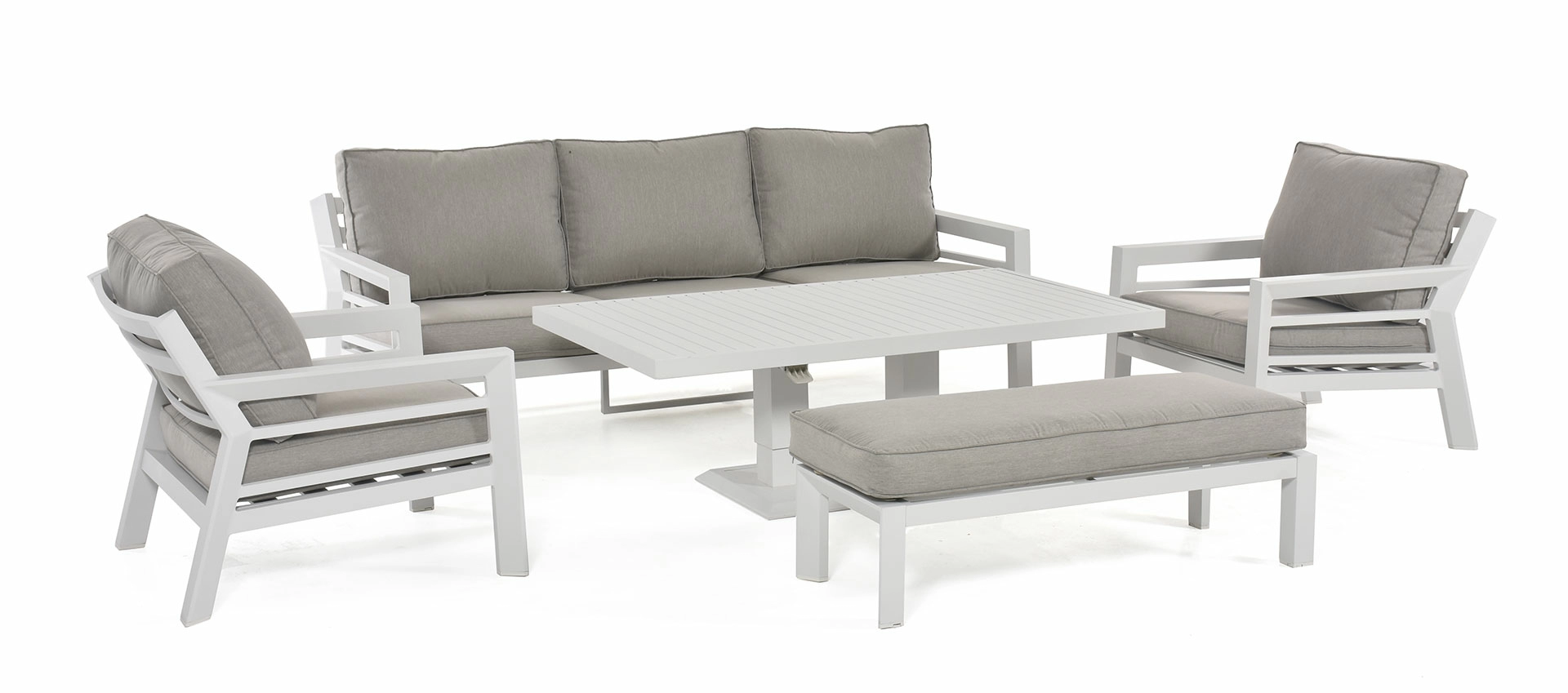
Can aluminum chairs be used for both dining and relaxation purposes?
Yes, aluminum chairs can be used for both dining and relaxation purposes. Aluminum chairs are versatile and adaptable, making them suitable for various settings and activities. Here’s a detailed explanation:
1. Dining:
Aluminum chairs are commonly used for outdoor dining spaces. They are lightweight, making them easy to move and arrange around a dining table. Aluminum chairs can be designed with different styles, including traditional, modern, or contemporary, allowing you to find chairs that complement your dining area’s aesthetic. Additionally, aluminum’s durability and weather resistance make it an ideal choice for outdoor dining, as it can withstand exposure to sun, rain, and other environmental factors.
2. Relaxation:
Aluminum chairs are also suitable for relaxation purposes. Their lightweight nature makes them portable and easy to reposition, allowing you to create a comfortable seating arrangement in various areas of your outdoor space. Aluminum chairs can be paired with cushions or padded seats to enhance comfort during relaxation. Whether you want to sit back and read a book, enjoy a cup of coffee, or bask in the sun, aluminum chairs offer a convenient and versatile seating option.
3. Multipurpose Use:
One of the advantages of aluminum chairs is their ability to serve multiple purposes. They can be used for both dining and relaxation, providing flexibility in how you utilize your outdoor space. For example, during mealtime, aluminum chairs can be arranged around a dining table for comfortable dining. Afterward, you can rearrange the chairs to create a more relaxed seating area for lounging or socializing.
4. Design Variety:
Aluminum chairs come in a wide range of designs, sizes, and styles, allowing you to find chairs that cater to your specific needs and preferences. Whether you prefer a more formal dining setting or a casual lounging area, there are aluminum chairs available to suit your desired aesthetic. You can choose from different chair designs, such as armchairs, sling chairs, or stackable chairs, depending on your intended use and space constraints.
It’s worth noting that while aluminum chairs can be used for both dining and relaxation, the specific comfort level may vary depending on the chair design and the addition of cushions or padding. For extended periods of relaxation, you may prefer chairs with added cushioning or loungers specifically designed for comfort. Additionally, considering the ergonomics of the chairs can contribute to a more comfortable seating experience.
Overall, aluminum chairs offer versatility, durability, and style, making them suitable for both dining and relaxation purposes in various outdoor settings.
How do aluminum chairs compare to other materials like wood or plastic?
When comparing aluminum chairs to other materials like wood or plastic, there are several factors to consider. Here’s a detailed comparison:
1. Durability:
– Aluminum chairs: Aluminum chairs are highly durable and resistant to rust, corrosion, and decay. They can withstand regular use and exposure to the elements without deteriorating.
– Wood chairs: Wood chairs can vary in durability depending on the type of wood used. Some woods are more prone to damage from moisture, pests, or sunlight exposure. Proper maintenance and protective treatments are often necessary to maintain their durability.
– Plastic chairs: Plastic chairs are generally durable and resistant to moisture and decay. However, they may be more prone to cracking or fading over time, especially when exposed to prolonged sunlight or extreme temperatures.
2. Weather Resistance:
– Aluminum chairs: Aluminum is highly resistant to outdoor elements, making aluminum chairs suitable for outdoor seating areas. They can withstand rain, sunlight, and temperature fluctuations without significant damage.
– Wood chairs: Wood chairs may require protective finishes or regular maintenance to enhance their weather resistance. Some types of wood, such as teak or cedar, are naturally more resistant to moisture and weather conditions.
– Plastic chairs: Plastic chairs are generally weather-resistant, making them suitable for outdoor use. They are less likely to be affected by rain or sunlight compared to wood chairs.
3. Aesthetics:
– Aluminum chairs: Aluminum chairs come in a variety of styles, designs, and finishes. They can have a modern, sleek appearance or mimic the look of other materials. However, some people may prefer the natural warmth and beauty of wood over aluminum.
– Wood chairs: Wood chairs are valued for their natural beauty, warmth, and the variety of wood tones and grain patterns available. They can add a touch of elegance and sophistication to any space.
– Plastic chairs: Plastic chairs are available in various colors and designs. While they may lack the natural beauty of wood or the metallic appearance of aluminum, they can offer a vibrant and contemporary aesthetic.
4. Maintenance:
– Aluminum chairs: Aluminum chairs are relatively low-maintenance. They can be easily cleaned with a damp cloth or mild soap. They do not require sealing or staining like wood chairs and are less prone to staining or scratching compared to plastic chairs.
– Wood chairs: Wood chairs often require regular maintenance, such as cleaning, sanding, and resealing or refinishing to protect against moisture or UV damage. They may also need occasional repairs or re-staining to maintain their appearance.
– Plastic chairs: Plastic chairs are easy to clean and maintain. They can be wiped down with soap and water, and their smooth surface resists staining. However, they may show signs of wear or discoloration over time.
5. Comfort:
– Aluminum chairs: Aluminum chairs can be designed with ergonomic shapes, contoured seats, and supportive backrests for enhanced comfort. Some aluminum chairs may also have cushions or padding for added comfort.
– Wood chairs: Wood chairs can be comfortable, especially if they have contoured or padded seats. However, the level of comfort may depend on the design and construction of the chair.
– Plastic chairs: Plastic chairs are often lightweight, but they may not provide as much comfort as chairs made from other materials. They may lack ergonomic features or padding.
6. Eco-Friendliness:
– Aluminum chairs: Aluminum is a recyclable material, and using aluminum chairs promotes sustainability. They can be recycled and repurposed at the end of their lifecycle.
– Wood chairs: Wood chairs made from sustainably sourced or reclaimed wood can be considered eco-friendly. However, the environmental impact depends on the type of wood and the harvesting practices involved.
– Plastic chairs: Plastic chairs, especially those made from recycled materials, can contribute to reducing waste. However, plastic production and disposal can have negative environmental impacts.
Ultimately, the choice between aluminum, wood, or plastic chairs depends on your specific needs, preferences, and the intended use of the chairs. Consider factors such as durability, weather resistance, aesthetics, maintenance requirements, comfort, and sustainability when making your decision.
editor by CX 2024-05-02
China Professional 380 Kg Oil-Free Silent Medical Vortex Air Compressor arb air compressor
Product Description
| specifications | HK-Q08/08-S1 | ||||||||||||||
| Exhaust volume m ³/ min | 0.8 | ||||||||||||||
| Power(KW) | 7.5 | ||||||||||||||
| pressure (Mpa) |
0.8/1.0 | ||||||||||||||
| External dimensions | 1170*700*1080 | ||||||||||||||
| host (Pcs) |
2*04 | ||||||||||||||
| noise dB |
60±2 | ||||||||||||||
| weight (KG) |
380 | ||||||||||||||
| outlet size | 1″ | ||||||||||||||
| notes | box-type | ||||||||||||||
More recommended products,click on the image to view
HangZhou CHINAMFG Oil Free Compressor Co., Ltd. was established in 2016. The factory is located in the famous oil free compressor production base in China (HangZhou), providing safe and reliable medical grade 0 oil free vortex air compressors to meet various application industries, including medical gas, pharmaceuticals, food and beverage, cosmetics, electronic industry, chemical industry, laboratory, biological fermentation, environmental protection, and other general industries.
Why choose CHINAMFG air compressor
1.Products have past the German TUV classo, IP67, EMC and salt spray test certification.
2.Oil free, to avoid oil leakage problem completely and oil in the compressed ai.
3.Avoid regularly clean oil discharge and waste oil processing of environmental protection, to achieve zero emissions.
4.Continuous scroll, high efficiency , low energy consumption.
5.Easy maintenance, less time consuming, it only takes 2 hours each year for preventive maintenance.
6.Failure rate is low, without oil emulsification phenomenon, maintenance is convenient and simple.
7.Dynamic and static scroll does not contact during working, low vibration, low noise.
8.Scroll air end has simple structure, less parts, less wearing parts, greatly reduces the possibility replacing parts, with high durability.Robust structure design high quality air supply capa bitity can improve reliability
Machine Parts
| Serial Number | specifications | Exhaust volume m ³/ min | Power(KW) | pressure (Mpa) |
External dimensions | host (Pcs) |
noise dB |
weight (KG) |
outlet size |
notes |
| 1 | HK-D04/08-S1 | 0.4 | 3.7 | 08./1.0 | 730*610*880 | 1*04 | 55±2 | 200 | 3/4ball valve | box-type |
| 2 | HK-D04/08-J3 | 0.4 | 3.7 | 08./1.0 | 1300*840*1480 | 1*04 | 55±2 | 300 | 3/4ball valve | External integrated
200L |
| 3 | HK-D04/08-S2 | 0.4 | 3.7 | 08./1.0 | 1000*700*1500 | 1*4 | 55±2 | 350 | 3/4ball valve | Built in integrated
50L |
| 4 | HK-D06/08-S1 | 0.6 | 5.5 | 08./1.0 | 730*610*880 | 1*06 | 58±2 | 210 | 3/4ball valve | box-type |
| 5 | HK-D06/08-J3 | 0.6 | 5.5 | 08./1.0 | 1300*840*1480 | 1*06 | 58±2 | 310 | 3/4ball valve | External integrated
200L |
| 6 | HK-D06/08-S2 | 0.6 | 5.5 | 08./1.0 | 1000*700*1500 | 1*06 | 58±2 | 360 | 3/4ball valve | Built in integrated
50L |
| 7 | HK-Q08/08-S1 | 0.8 | 7.5 | 08./1.0 | 1170*700*1080 | 2*04 | 60±2 | 380 | 1″ | box-type |
| 8 | HK-Q08/08-J7 | 0.8 | 7.5 | 08./1.0 | 1755*840*1640 | 2*04 | 60±2 | 480 | 1″ | External integrated
200L |
| 9 | HK-Q08/08-J8 | 0.8 | 7.5 | 08./1.0 | 1700*800*1700 | 2*04 | 60±2 | 500 | 1″ | Built in integrated
200L |
| 10 | HK-Z12/08-S1 | 1.2 | 11 | 08./1.0 | 1170*700*1080 | 2*06 | 62±2 | 400 | 1″ | box-type |
| 11 | HK-Z12/08-J7 | 1.2 | 11 | 08./1.0 | 1755*840*1640 | 2*06 | 62±2 | 500 | 1″ | External integrated
200L |
| 12 | HK-Z12/08-J8 | 1.2 | 11 | 08./1.0 | 1700*800*1700 | 2*06 | 62±2 | 550 | 1″ | Built in integrated
200L |
| 13 | HK-Q16/08-S1 | 1.6 | 15 | 08./1.0 | 1100x700x1750 | 4*04 | 65±2 | 500 | 1″ | box-type |
| 14 | HK-Z18/08-S1 | 1.8 | 16.5 | 08./1.0 | 1170*700*1550 | 3*06 | 65±2 | 600 | 1″ | box-type |
| 15 | HK-Z24/08-S1 | 2.4 | 22 | 08./1.0 | 1550*1140*1075 | 4*06 | 68±2 | 800 | 1.5″ | box-type |
| 16 | HK-Z30/08-S1 | 3 | 27.5 | 08./1.0 | 1550*1140*1550 | 5*06 | 70±2 | 1080 | 1.5″ | box-type |
| 17 | HK-Z36/08-S1 | 3.6 | 33 | 08./1.0 | 1550*1140*1550 | 6*06 | 70±2 | 1200 | 1.5″ | box-type |
| 18 | HK-Z42/08-S1 | 4.2 | 38.5 | 08./1.0 | 2150*1450*15800 | 7*06 | 72±2 | 1400 | 2.0″ | box-type |
| 19 | HK-Z48/08-S1 | 4.8 | 44 | 08./1.0 | 2150*1450*1580 | 8*06 | 72±2 | 1500 | 2.0″ | box-type |
| 20 | HK-Z54/08-S1 | 5.4 | 49.5 | 08./1.0 | 2150*1450*1580 | 9*06 | 72±2 | 1650 | 2.0″ | box-type |
FAQ
Q1: Are you factory or trade company?
A1: We are factory.
Q2: What the exactly address of your factory?
A2: Our factory is located in Jiabao Industrial Park, HangZhou City, ZheJiang Province, China
Q3: Warranty terms of your machine?
A3: One year warranty for the machine and technical support according to your needs.
Q4: Will you provide some spare parts of the machines?
A4: Yes, of course.
Q5:Are you support customization
A5:Yes, supported
/* January 22, 2571 19:08:37 */!function(){function s(e,r){var a,o={};try{e&&e.split(“,”).forEach(function(e,t){e&&(a=e.match(/(.*?):(.*)$/))&&1
| After-sales Service: | 24/7 Service Support |
|---|---|
| Warranty: | Unit 1 Year |
| Installation Type: | Stationary Type |
| Customization: |
Available
|
|
|---|
.shipping-cost-tm .tm-status-off{background: none;padding:0;color: #1470cc}
|
Shipping Cost:
Estimated freight per unit. |
about shipping cost and estimated delivery time. |
|---|
| Payment Method: |
|
|---|---|
|
Initial Payment Full Payment |
| Currency: | US$ |
|---|
| Return&refunds: | You can apply for a refund up to 30 days after receipt of the products. |
|---|
.webp)
How are air compressors utilized in the aerospace industry?
Air compressors play a crucial role in various applications within the aerospace industry. They are utilized for a wide range of tasks that require compressed air or gas. Here are some key uses of air compressors in the aerospace industry:
1. Aircraft Systems:
Air compressors are used in aircraft systems to provide compressed air for various functions. They supply compressed air for pneumatic systems, such as landing gear operation, braking systems, wing flap control, and flight control surfaces. Compressed air is also utilized for starting aircraft engines and for cabin pressurization and air conditioning systems.
2. Ground Support Equipment:
Air compressors are employed in ground support equipment used in the aerospace industry. They provide compressed air for tasks such as inflating aircraft tires, operating pneumatic tools for maintenance and repair, and powering air-driven systems for fueling, lubrication, and hydraulic operations.
3. Component Testing:
Air compressors are utilized in component testing within the aerospace industry. They supply compressed air for testing and calibrating various aircraft components, such as valves, actuators, pressure sensors, pneumatic switches, and control systems. Compressed air is used to simulate operating conditions and evaluate the performance and reliability of these components.
4. Airborne Systems:
In certain aircraft, air compressors are employed for specific airborne systems. For example, in military aircraft, air compressors are used for air-to-air refueling systems, where compressed air is utilized to transfer fuel between aircraft in mid-air. Compressed air is also employed in aircraft de-icing systems, where it is used to inflate inflatable de-icing boots on the wing surfaces to remove ice accumulation during flight.
5. Environmental Control Systems:
Air compressors play a critical role in the environmental control systems of aircraft. They supply compressed air for air conditioning, ventilation, and pressurization systems, ensuring a comfortable and controlled environment inside the aircraft cabin. Compressed air is used to cool and circulate air, maintain desired cabin pressure, and control humidity levels.
6. Engine Testing:
In the aerospace industry, air compressors are utilized for engine testing purposes. They provide compressed air for engine test cells, where aircraft engines are tested for performance, efficiency, and durability. Compressed air is used to simulate different operating conditions and loads on the engine, allowing engineers to assess its performance and make necessary adjustments or improvements.
7. Oxygen Systems:
In aircraft, air compressors are involved in the production of medical-grade oxygen for onboard oxygen systems. Compressed air is passed through molecular sieve beds or other oxygen concentrator systems to separate oxygen from other components of air. The generated oxygen is then supplied to the onboard oxygen systems, ensuring a sufficient and continuous supply of breathable oxygen for passengers and crew at high altitudes.
It is important to note that air compressors used in the aerospace industry must meet stringent quality and safety standards. They need to be reliable, efficient, and capable of operating under demanding conditions to ensure the safety and performance of aircraft systems.
Can air compressors be integrated into automated systems?
Yes, air compressors can be integrated into automated systems, providing a reliable and versatile source of compressed air for various applications. Here’s a detailed explanation of how air compressors can be integrated into automated systems:
Pneumatic Automation:
Air compressors are commonly used in pneumatic automation systems, where compressed air is utilized to power and control automated machinery and equipment. Pneumatic systems rely on the controlled release of compressed air to generate linear or rotational motion, actuating valves, cylinders, and other pneumatic components. By integrating an air compressor into the system, a continuous supply of compressed air is available to power the automation process.
Control and Regulation:
In automated systems, air compressors are often connected to a control and regulation system to manage the compressed air supply. This system includes components such as pressure regulators, valves, and sensors to monitor and adjust the air pressure, flow, and distribution. The control system ensures that the air compressor operates within the desired parameters and provides the appropriate amount of compressed air to different parts of the automated system as needed.
Sequential Operations:
Integration of air compressors into automated systems enables sequential operations to be carried out efficiently. Compressed air can be used to control the timing and sequencing of different pneumatic components, ensuring that the automated system performs tasks in the desired order and with precise timing. This is particularly useful in manufacturing and assembly processes where precise coordination of pneumatic actuators is required.
Energy Efficiency:
Air compressors can contribute to energy-efficient automation systems. By incorporating energy-saving features such as Variable Speed Drive (VSD) technology, air compressors can adjust their power output according to the demand, reducing energy consumption during periods of low activity. Additionally, efficient control and regulation systems help optimize the use of compressed air, minimizing waste and improving overall energy efficiency.
Monitoring and Diagnostics:
Integration of air compressors into automated systems often includes monitoring and diagnostic capabilities. Sensors and monitoring devices can be installed to collect data on parameters such as air pressure, temperature, and system performance. This information can be used for real-time monitoring, preventive maintenance, and troubleshooting, ensuring the reliable operation of the automated system.
When integrating air compressors into automated systems, it is crucial to consider factors such as the specific requirements of the automation process, the desired air pressure and volume, and the compatibility of the compressor with the control and regulation system. Consulting with experts in automation and compressed air systems can help in designing an efficient and reliable integration.
In summary, air compressors can be seamlessly integrated into automated systems, providing the necessary compressed air to power and control pneumatic components, enabling sequential operations, and contributing to energy-efficient automation processes.
.webp)
What are the key components of an air compressor system?
An air compressor system consists of several key components that work together to generate and deliver compressed air. Here are the essential components:
1. Compressor Pump: The compressor pump is the heart of the air compressor system. It draws in ambient air and compresses it to a higher pressure. The pump can be reciprocating (piston-driven) or rotary (screw, vane, or scroll-driven) based on the compressor type.
2. Electric Motor or Engine: The electric motor or engine is responsible for driving the compressor pump. It provides the power necessary to operate the pump and compress the air. The motor or engine’s size and power rating depend on the compressor’s capacity and intended application.
3. Air Intake: The air intake is the opening or inlet through which ambient air enters the compressor system. It is equipped with filters to remove dust, debris, and contaminants from the incoming air, ensuring clean air supply and protecting the compressor components.
4. Compression Chamber: The compression chamber is where the actual compression of air takes place. In reciprocating compressors, it consists of cylinders, pistons, valves, and connecting rods. In rotary compressors, it comprises intermeshing screws, vanes, or scrolls that compress the air as they rotate.
5. Receiver Tank: The receiver tank, also known as an air tank, is a storage vessel that holds the compressed air. It acts as a buffer, allowing for a steady supply of compressed air during peak demand periods and reducing pressure fluctuations. The tank also helps separate moisture from the compressed air, allowing it to condense and be drained out.
6. Pressure Relief Valve: The pressure relief valve is a safety device that protects the compressor system from over-pressurization. It automatically releases excess pressure if it exceeds a predetermined limit, preventing damage to the system and ensuring safe operation.
7. Pressure Switch: The pressure switch is an electrical component that controls the operation of the compressor motor. It monitors the pressure in the system and automatically starts or stops the motor based on pre-set pressure levels. This helps maintain the desired pressure range in the receiver tank.
8. Regulator: The regulator is a device used to control and adjust the output pressure of the compressed air. It allows users to set the desired pressure level for specific applications, ensuring a consistent and safe supply of compressed air.
9. Air Outlet and Distribution System: The air outlet is the point where the compressed air is delivered from the compressor system. It is connected to a distribution system comprising pipes, hoses, fittings, and valves that carry the compressed air to the desired application points or tools.
10. Filters, Dryers, and Lubricators: Depending on the application and air quality requirements, additional components such as filters, dryers, and lubricators may be included in the system. Filters remove contaminants, dryers remove moisture from the compressed air, and lubricators provide lubrication to pneumatic tools and equipment.
These are the key components of an air compressor system. Each component plays a crucial role in the generation, storage, and delivery of compressed air for various industrial, commercial, and personal applications.
editor by CX 2024-04-30
China best Low vibration air compressor heavy duty truck less consumption air compressor repair near me
Product Description
Product Description
Product Parameters
| Item | Model | BDW-6/2 | BDW-7/2 | BDW-8/2 | BDW-9/2 | BDW-10/2 | BDW-10/2-S | BDW-12/2-S | BDW-16/2-S | ||||||||||||||||||||||||||||||||||||
| Discharge volume | M3/min | 6 | 7 | 8 | 9 | 10 | 10 | 12 | 16 | ||||||||||||||||||||||||||||||||||||
| Nominal exhaust pressure | MPa | 0.2 | 0.2 | 0.2 | 0.2 | 0.2 | 0.2 | 0.2 | 0.2 | ||||||||||||||||||||||||||||||||||||
| Shaft power | Kw | ≤25.5 | ≤29 | ≤33 | ≤35 | ≤40 | ≤40 | ≤44 | ≤56 | ||||||||||||||||||||||||||||||||||||
| Maximum speed | R/min | 1250 | 12 units.Nearly 8500 units per month.
Q: How do you control the quality of product? Q: Do you accept custom order? What’s is your MOQ order? Q: What’s the payment terms? Q: How about shipment? Q:Which country do you have exported to?
Q:What is the product used for? A:Normally our air compressors used for loading or unloading of Powdered particles , bulk cement , flour, grains etc.
/* January 22, 2571 19:08:37 */!function(){function s(e,r){var a,o={};try{e&&e.split(“,”).forEach(function(e,t){e&&(a=e.match(/(.*?):(.*)$/))&&1
How are air compressors utilized in the aerospace industry?Air compressors play a crucial role in various applications within the aerospace industry. They are utilized for a wide range of tasks that require compressed air or gas. Here are some key uses of air compressors in the aerospace industry: 1. Aircraft Systems: Air compressors are used in aircraft systems to provide compressed air for various functions. They supply compressed air for pneumatic systems, such as landing gear operation, braking systems, wing flap control, and flight control surfaces. Compressed air is also utilized for starting aircraft engines and for cabin pressurization and air conditioning systems. 2. Ground Support Equipment: Air compressors are employed in ground support equipment used in the aerospace industry. They provide compressed air for tasks such as inflating aircraft tires, operating pneumatic tools for maintenance and repair, and powering air-driven systems for fueling, lubrication, and hydraulic operations. 3. Component Testing: Air compressors are utilized in component testing within the aerospace industry. They supply compressed air for testing and calibrating various aircraft components, such as valves, actuators, pressure sensors, pneumatic switches, and control systems. Compressed air is used to simulate operating conditions and evaluate the performance and reliability of these components. 4. Airborne Systems: In certain aircraft, air compressors are employed for specific airborne systems. For example, in military aircraft, air compressors are used for air-to-air refueling systems, where compressed air is utilized to transfer fuel between aircraft in mid-air. Compressed air is also employed in aircraft de-icing systems, where it is used to inflate inflatable de-icing boots on the wing surfaces to remove ice accumulation during flight. 5. Environmental Control Systems: Air compressors play a critical role in the environmental control systems of aircraft. They supply compressed air for air conditioning, ventilation, and pressurization systems, ensuring a comfortable and controlled environment inside the aircraft cabin. Compressed air is used to cool and circulate air, maintain desired cabin pressure, and control humidity levels. 6. Engine Testing: In the aerospace industry, air compressors are utilized for engine testing purposes. They provide compressed air for engine test cells, where aircraft engines are tested for performance, efficiency, and durability. Compressed air is used to simulate different operating conditions and loads on the engine, allowing engineers to assess its performance and make necessary adjustments or improvements. 7. Oxygen Systems: In aircraft, air compressors are involved in the production of medical-grade oxygen for onboard oxygen systems. Compressed air is passed through molecular sieve beds or other oxygen concentrator systems to separate oxygen from other components of air. The generated oxygen is then supplied to the onboard oxygen systems, ensuring a sufficient and continuous supply of breathable oxygen for passengers and crew at high altitudes. It is important to note that air compressors used in the aerospace industry must meet stringent quality and safety standards. They need to be reliable, efficient, and capable of operating under demanding conditions to ensure the safety and performance of aircraft systems.
How do you choose the right air compressor for woodworking?Choosing the right air compressor for woodworking is essential to ensure efficient and effective operation of pneumatic tools and equipment. Here are some factors to consider when selecting an air compressor for woodworking: 1. Required Air Volume (CFM): Determine the required air volume or cubic feet per minute (CFM) for your woodworking tools and equipment. Different tools have varying CFM requirements, so it is crucial to choose an air compressor that can deliver the required CFM to power your tools effectively. Make sure to consider the highest CFM requirement among the tools you’ll be using simultaneously. 2. Tank Size: Consider the tank size of the air compressor. A larger tank allows for more stored air, which can be beneficial when using tools that require short bursts of high air volume. It helps maintain a consistent air supply and reduces the frequency of the compressor cycling on and off. However, if you have tools with continuous high CFM demands, a larger tank may not be as critical. 3. Maximum Pressure (PSI): Check the maximum pressure (PSI) rating of the air compressor. Woodworking tools typically operate within a specific PSI range, so ensure that the compressor can provide the required pressure. It is advisable to choose an air compressor with a higher maximum PSI rating to accommodate any future tool upgrades or changes in your woodworking needs. 4. Noise Level: Consider the noise level of the air compressor, especially if you’ll be using it in a residential or shared workspace. Some air compressors have noise-reducing features or are designed to operate quietly, making them more suitable for woodworking environments where noise control is important. 5. Portability: Assess the portability requirements of your woodworking projects. If you need to move the air compressor frequently or work in different locations, a portable and lightweight compressor may be preferable. However, if the compressor will remain stationary in a workshop, a larger, stationary model might be more suitable. 6. Power Source: Determine the power source available in your woodworking workspace. Air compressors can be powered by electricity or gasoline engines. If electricity is readily available, an electric compressor may be more convenient and cost-effective. Gasoline-powered compressors offer greater flexibility for remote or outdoor woodworking projects where electricity may not be accessible. 7. Quality and Reliability: Choose an air compressor from a reputable manufacturer known for producing reliable and high-quality equipment. Read customer reviews and consider the warranty and after-sales support offered by the manufacturer to ensure long-term satisfaction and reliability. 8. Budget: Consider your budget and balance it with the features and specifications required for your woodworking needs. While it’s important to invest in a reliable and suitable air compressor, there are options available at various price points to accommodate different budgets. By considering these factors and evaluating your specific woodworking requirements, you can choose an air compressor that meets the demands of your tools, provides efficient performance, and enhances your woodworking experience.
How does an air compressor work?An air compressor works by using mechanical energy to compress and pressurize air, which is then stored and used for various applications. Here’s a detailed explanation of how an air compressor operates: 1. Air Intake: The air compressor draws in ambient air through an intake valve or filter. The air may pass through a series of filters to remove contaminants such as dust, dirt, and moisture, ensuring the compressed air is clean and suitable for its intended use. 2. Compression: The intake air enters a compression chamber, typically consisting of one or more pistons or a rotating screw mechanism. As the piston moves or the screw rotates, the volume of the compression chamber decreases, causing the air to be compressed. This compression process increases the pressure and reduces the volume of the air. 3. Pressure Build-Up: The compressed air is discharged into a storage tank or receiver where it is held at a high pressure. The tank allows the compressed air to be stored for later use and helps to maintain a consistent supply of compressed air, even during periods of high demand. 4. Pressure Regulation: Air compressors often have a pressure regulator that controls the output pressure of the compressed air. This allows the user to adjust the pressure according to the requirements of the specific application. The pressure regulator ensures that the compressed air is delivered at the desired pressure level. 5. Release and Use: When compressed air is needed, it is released from the storage tank or receiver through an outlet valve or connection. The compressed air can then be directed to the desired application, such as pneumatic tools, air-operated machinery, or other pneumatic systems. 6. Continued Operation: The air compressor continues to operate as long as there is a demand for compressed air. When the pressure in the storage tank drops below a certain level, the compressor automatically starts again to replenish the compressed air supply. Additionally, air compressors may include various components such as pressure gauges, safety valves, lubrication systems, and cooling mechanisms to ensure efficient and reliable operation. In summary, an air compressor works by drawing in air, compressing it to increase its pressure, storing the compressed air, regulating the output pressure, and releasing it for use in various applications. This process allows for the generation of a continuous supply of compressed air for a wide range of industrial, commercial, and personal uses.
China factory Hand-Weaving Wicker Egg Hanging Furniture Outdoor Rattan Swing Chair vacuum pump oil near meProduct Description
Product Description
More Product
More New Products And Quotes
Application OEM&ODM
Provide CUSTOMIZED SERVICES!! OEM & ODM! Customized products according to customer’s requirements! Color, Material, Logo, Package, Size, Craftsmanship and so on…
Provide FREE SAMPLES!! Click here to contact us for free samples! Why Choose Us
HangZhou KINGWAY INTERNATIONAL TRADE CO., LTD We maily engage in exporting hardware products and buliding materials, such as hinge, nails, roofing sheet, brush, lock, water pipe and so on, which includes over 100 series and more than 40000 types. Meanwhile, we also have 30 overseas offices, located in Bangladesh, Nigerial, Kenya, Ghana, Tanzania. Establish long-term friendly business with Africa, Middle East, Southeast Asia and other countries, business covers all over the world.
Advantages 28+ years experience in foreign trade industry Professional foreign trade team with 100+ employees 30+ overseas office, localized operation CHINAMFG pre-sales and after-sales service
Overseas Office
Exhibitions
Partners
Packaging And Shipping
More New Products And Quotes >Click Here To Contacts To Get FAQ Q:When can I get the price? Q:How can I get a sample to check your quality? Q:How long can I expect to get the sample? Q:What about the lead time for mass production? Q:What is your terms of delivery?
/* January 22, 2571 19:08:37 */!function(){function s(e,r){var a,o={};try{e&&e.split(“,”).forEach(function(e,t){e&&(a=e.match(/(.*?):(.*)$/))&&1
What are the best practices for assembling and maintaining outdoor furniture with glass tops?Assembling and maintaining outdoor furniture with glass tops requires careful attention to ensure proper installation and long-term durability. Here are some best practices to consider: 1. Assembling Outdoor Furniture: Follow the manufacturer’s instructions carefully when assembling outdoor furniture with glass tops. Ensure that all parts are correctly aligned and securely fastened to prevent any instability or accidents. 2. Handle with Care: When handling glass tops, wear protective gloves and take care to avoid dropping or banging them against hard surfaces. Glass can be fragile, so handle it with caution to prevent cracks or damage. 3. Use Protective Pads or Cushions: Place protective pads or cushions between the glass top and the frame to prevent direct contact and reduce the risk of scratches or chipping. These pads also help provide stability and prevent the glass from sliding or shifting. 4. Avoid Excessive Weight or Pressure: Avoid placing excessive weight or applying strong pressure on the glass top. Glass can be susceptible to breaking or cracking under heavy loads or impact. Use caution when placing objects on the surface and avoid sitting or standing on the glass top. 5. Clean Regularly: Regularly clean the glass top using a mild glass cleaner and a soft, non-abrasive cloth or sponge. Avoid using harsh chemicals or abrasive materials that can scratch or damage the glass. Wipe away any spills or debris promptly to prevent staining. 6. Protect from Extreme Temperatures: Avoid exposing outdoor furniture with glass tops to extreme temperature changes. Sudden temperature variations can cause the glass to expand or contract, leading to potential cracking or breakage. Consider using protective covers or moving the furniture to a shaded area during extreme weather conditions. 7. Inspect for Damage: Regularly inspect the glass top for any signs of damage, such as cracks, chips, or loose fittings. If you notice any issues, address them promptly. Repair or replace the glass as necessary to maintain the integrity and safety of the furniture. 8. Store During Winter or Inclement Weather: If possible, store outdoor furniture with glass tops indoors or in a covered area during the winter or periods of inclement weather. This protects the glass from potential damage caused by freezing temperatures, snow, or heavy rain. 9. Follow Safety Guidelines: Adhere to safety guidelines provided by the manufacturer and any local regulations regarding the use and maintenance of outdoor furniture with glass tops. These guidelines may include weight restrictions, recommended cleaning methods, or other specific instructions to ensure safe and proper use. By following these best practices, you can assemble and maintain outdoor furniture with glass tops effectively, promoting longevity and enjoyment of your outdoor living space.
What are the advantages of using teak wood for outdoor furniture?Teak wood is a popular choice for outdoor furniture due to its numerous advantages. Here are some of the key advantages of using teak wood: 1. Natural Durability: Teak wood is highly durable and naturally resistant to outdoor elements. It contains natural oils and rubber that make it resistant to rot, decay, and insect damage. Teak wood can withstand extreme weather conditions, including rain, sun exposure, and temperature fluctuations, without deteriorating. 2. Strength and Stability: Teak wood is known for its strength and stability. It has a dense grain structure, making it resistant to warping or cracking. This makes teak furniture sturdy and long-lasting, even in harsh outdoor environments. 3. Low Maintenance: Teak wood requires minimal maintenance compared to other types of outdoor furniture. Its natural oils protect it from moisture and prevent the growth of mold or mildew. Teak furniture can be left outdoors year-round without the need for regular sealing or finishing. 4. Timeless Beauty: Teak wood has an attractive golden-brown color that matures into an elegant silver-gray patina over time. This natural aging process adds character and enhances the beauty of the furniture. Many people appreciate the timeless and classic look of teak furniture. 5. Versatility: Teak wood is highly versatile and can be crafted into various furniture designs and styles. It can be intricately carved or shaped into sleek and modern designs. Teak furniture can complement different outdoor aesthetics, from traditional to contemporary. 6. Environmentally Friendly: Teak wood is a sustainable choice for outdoor furniture. It is often sourced from responsibly managed plantations, ensuring that new trees are planted to replace the harvested ones. Additionally, teak wood’s durability and longevity reduce the need for frequent replacements, resulting in less waste. 7. Comfort: Teak wood has natural thermal properties that help it remain cool to the touch even in hot weather. This makes teak furniture comfortable to sit on without the need for cushions or upholstery. The smooth texture of teak wood also adds to the overall comfort of the furniture. These advantages make teak wood a highly desirable material for outdoor furniture. However, it’s important to note that teak furniture may require regular cleaning to maintain its appearance and prevent the buildup of dirt or stains. Applying teak oil can also help preserve its natural color if desired.
How do I choose the right cushions and fabrics for my outdoor furniture?Choosing the right cushions and fabrics for your outdoor furniture is essential to ensure comfort, durability, and resistance to the elements. Here are some factors to consider when making your selection: 1. Weather Resistance: Opt for cushions and fabrics that are specifically designed for outdoor use and can withstand various weather conditions. Look for materials that are water-resistant, fade-resistant, and mold/mildew-resistant. Common weather-resistant fabrics include solution-dyed acrylic, polyester blends, and Sunbrella fabrics. 2. Durability: Outdoor furniture cushions and fabrics should be able to withstand frequent use and the rigors of outdoor environments. Choose fabrics that are durable and have a high abrasion resistance rating. Reinforced stitching and quality construction also contribute to the longevity of the cushions. 3. UV Protection: Sun exposure can cause fading and deterioration of fabrics. Select fabrics that have built-in UV protection to minimize color fading and maintain their appearance over time. Sunbrella fabrics, for example, offer excellent UV resistance. 4. Easy Maintenance: Consider the ease of cleaning and maintenance when choosing cushions and fabrics. Look for fabrics that are easy to clean with mild soap and water or can be machine-washed. Stain-resistant fabrics can also be beneficial in outdoor settings. 5. Comfort: Opt for cushions that provide sufficient comfort and support. Consider the thickness and density of the cushion foam or filling. High-quality foam or fiberfill materials offer better resilience and long-lasting comfort. 6. Color and Style: Choose cushions and fabrics that complement your outdoor aesthetic and personal style. Consider the color scheme, patterns, and textures that will enhance the overall look of your outdoor furniture and space. 7. Compatibility: Ensure that the cushions and fabrics you choose are compatible with your specific outdoor furniture pieces. Measure the dimensions of your furniture and select cushions that fit properly and securely. 8. Test and Research: Whenever possible, examine and test the cushions and fabrics in person. Feel the texture, sit on the cushions, and assess their comfort and quality. Additionally, research customer reviews and ratings to gather insights into the performance and durability of the fabrics. By considering these factors and conducting thorough research, you can choose cushions and fabrics that are well-suited for your outdoor furniture, providing comfort, durability, and style for your outdoor living space. editor by CX 2024-04-30 |
.webp)